
Featured image for how to take care of a toe after nail removal
Image source: i.ytimg.com
Keep the area clean and dry to prevent infection and promote faster healing after toenail removal—wash gently with mild soap, pat dry, and apply an antibiotic ointment. Protect the toe with a sterile bandage and avoid tight footwear to reduce pressure and irritation during recovery.
Key Takeaways
- Keep it clean: Wash the area gently with mild soap and water daily.
- Apply antibiotic ointment: Prevent infection by using ointment as directed.
- Protect the toe: Cover with a sterile bandage to avoid irritation.
- Avoid tight shoes: Wear open-toed footwear to reduce pressure and friction.
- Elevate when possible: Reduce swelling by propping your foot up.
- Monitor for infection: Watch for redness, pus, or increasing pain.
📑 Table of Contents
- Immediate Post-Removal Care: The First 24 to 72 Hours
- Wound Care and Dressing Management: Keeping the Site Clean and Protected
- Hygiene and Infection Prevention: Safeguarding Your Healing Toe
- Pain and Swelling Management: Strategies for Comfort and Recovery
- Long-Term Healing and Nail Regrowth: What to Expect Over Weeks and Months
- Lifestyle Adjustments and Activity Modifications: Balancing Recovery with Daily Life
Immediate Post-Removal Care: The First 24 to 72 Hours
What to Expect Right After the Procedure
Undergoing a nail removal—whether partial or complete—can be a significant step in resolving persistent nail issues such as ingrown toenails, fungal infections, or trauma-induced damage. The procedure, often performed by a podiatrist under local anesthesia, involves the careful excision of the affected nail or nail matrix. Immediately afterward, your toe enters a critical recovery phase. During the first 24 to 72 hours, inflammation, mild to moderate pain, and some oozing are normal. The exposed nail bed is vulnerable to infection, so your primary focus should be on preventing contamination, managing discomfort, and initiating the healing process.
It’s essential to understand that the nail bed is essentially an open wound. Without the protective barrier of the nail, it’s exposed to bacteria, moisture, and mechanical stress. For example, if you had an ingrown toenail removed due to chronic pain and redness, the relief you feel after the procedure is real—but the real work of healing begins now. The first three days are the most sensitive, and how you care for your toe during this window can determine the speed and success of your recovery.
Step-by-Step Immediate Care Protocol
Follow these steps immediately after your nail removal to minimize complications and promote healing:
- Keep the toe elevated for at least 24 hours. Lie down and prop your foot up on pillows. This reduces swelling and throbbing by improving blood flow back to the heart. For instance, if you’re working from home, use a footrest or stack two pillows under your ankle while sitting.
- Apply a sterile, non-stick dressing as instructed by your podiatrist. Use gauze pads and medical tape or a specialized toe bandage. Avoid cotton balls, which can shed fibers and stick to the wound. Change the dressing every 8–12 hours or whenever it becomes wet or soiled.
- Use ice packs for 15–20 minutes every 2–3 hours during the first 48 hours. Wrap the ice in a thin towel to prevent frostbite. Ice helps reduce swelling and numbs pain. A practical tip: freeze a wet washcloth and wrap it in plastic wrap for a flexible, reusable cold compress.
- Take prescribed or over-the-counter pain relievers as directed. Ibuprofen (Advil) or acetaminophen (Tylenol) can manage pain and inflammation. Avoid aspirin, which may increase bleeding.
- Limit walking and standing as much as possible. If you must move, wear open-toed shoes or sandals that don’t compress the toe. Avoid tight socks or footwear that rubs against the affected area.
One patient, Sarah, a 34-year-old nurse, shared her experience: “After my partial nail removal, I kept my foot elevated on the couch with a pillow. I used a gel cold pack every two hours, and by the second day, the throbbing was gone. I also wore Crocs at home to avoid pressure.” Her proactive approach helped her return to work in five days with minimal discomfort.
Recognizing and Managing Early Warning Signs
While some redness and mild oozing are normal, certain signs demand immediate attention. Watch for:
- Increasing pain after 48 hours
- Pus or foul-smelling discharge
- Red streaks radiating from the toe
- Fever above 100.4°F (38°C)
- Swelling that worsens instead of improves
If you notice any of these, contact your healthcare provider. For example, Mark, a 52-year-old diabetic, developed a fever two days after nail removal. His podiatrist prescribed antibiotics and adjusted his wound care routine, preventing a serious infection. Early intervention is crucial, especially for patients with underlying conditions like diabetes or poor circulation.
Wound Care and Dressing Management: Keeping the Site Clean and Protected
Choosing the Right Dressings and Materials
Proper wound care is the cornerstone of post-nail removal recovery. The goal is to maintain a moist, clean, and protected environment for the nail bed to heal. Avoid dry, scab-forming methods, as they can delay healing and increase the risk of scarring.
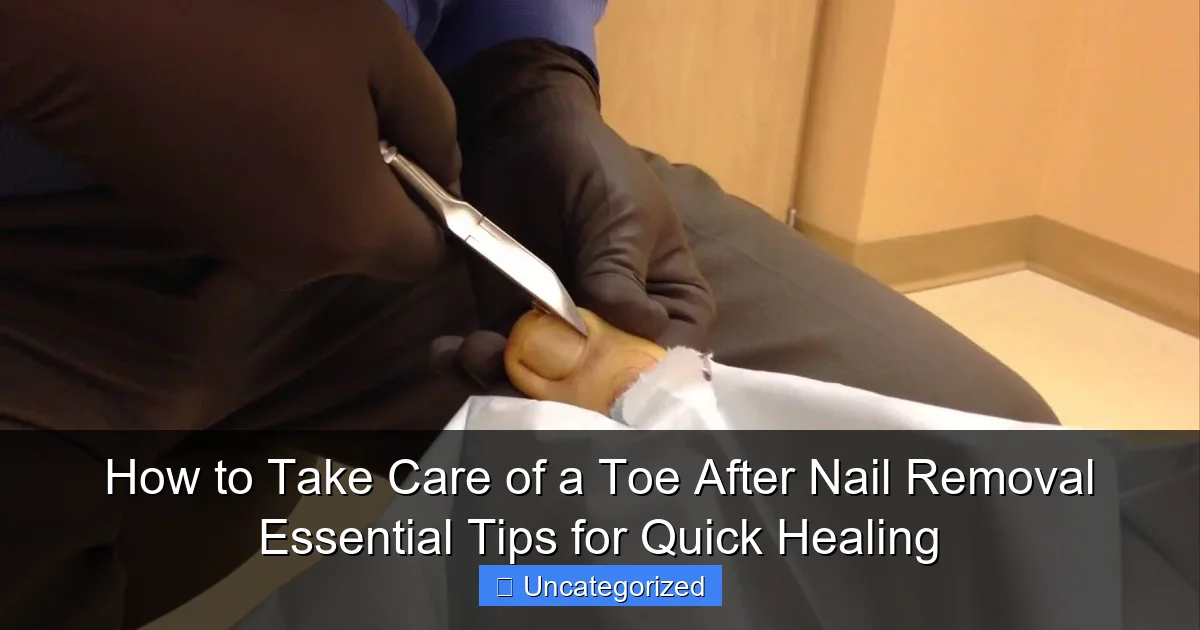
Visual guide about how to take care of a toe after nail removal
Image source: i.ytimg.com
Recommended materials include:
- Non-stick silicone dressings (e.g., Mepitel, Telfa): These allow exudate (wound fluid) to pass through while protecting the tissue.
- Hydrocolloid or hydrogel pads: These maintain moisture and promote autolytic debridement (natural cleaning of dead tissue).
- Antimicrobial gauze with silver or honey (e.g., Medihoney): Effective against bacteria without disrupting healing.
- Medical tape or toe sleeves: Use hypoallergenic tape or silicone toe caps to secure dressings without irritating the skin.
For example, a podiatrist might recommend a silver-impregnated gauze for the first week, followed by a hydrocolloid pad for weeks two and three. Always follow your provider’s specific instructions, as protocols vary based on the type of removal (e.g., chemical matrixectomy vs. surgical excision).
Daily Dressing Change Routine
Changing your dressing daily—or more often if it becomes soiled—is essential. Here’s a step-by-step guide:
- Wash your hands thoroughly with antibacterial soap.
- Soak the old dressing in warm water for 5–10 minutes if it’s stuck. This prevents trauma to the healing tissue.
- Gently remove the dressing and inspect the wound. Look for signs of infection or abnormal healing.
- Rinse the toe with lukewarm saline solution (1 teaspoon of salt in 1 cup of boiled, cooled water) or sterile water. Use a clean syringe or spray bottle to avoid direct contact.
- Pat dry with a sterile gauze pad—do not rub.
- Apply an antiseptic if recommended (e.g., povidone-iodine or chlorhexidine). Avoid hydrogen peroxide or alcohol, which can damage healthy tissue.
- Place a new dressing and secure it with tape or a toe sleeve.
Tip: Keep a “wound care kit” ready with all supplies—gauze, antiseptic, tape, saline, and gloves—to avoid last-minute scrambling. One patient, James, a 45-year-old construction worker, used a small plastic bin with labeled compartments for his supplies. “It made dressing changes less stressful, especially when I was tired after work,” he said.
When to Use Antibiotic Ointments
Antibiotic ointments like bacitracin or mupirocin can prevent infection, but they should be used judiciously. Overuse can lead to allergic reactions or antibiotic resistance. Apply a thin layer only if your doctor recommends it, and avoid occlusive ointments (e.g., petroleum jelly) unless advised, as they may trap bacteria.
For example, a study published in the Journal of Wound Care found that silver sulfadiazine cream reduced infection rates in nail bed wounds by 30% compared to plain petroleum jelly. However, it’s not a substitute for proper cleaning and dressing changes.
Hygiene and Infection Prevention: Safeguarding Your Healing Toe
Bathing and Showering Strategies
Keeping the toe clean without soaking it is a balancing act. During the first 7–10 days, avoid full immersion in water (e.g., baths, swimming pools, hot tubs). Instead:
- Shower with a waterproof cover (e.g., a plastic toe sleeve or a bag secured with a rubber band). Ensure the seal is tight but doesn’t cut off circulation.
- Use a handheld showerhead to rinse the area gently. Avoid high-pressure streams that can dislodge the dressing.
- Dry thoroughly after showering. Use a hairdryer on a cool setting to remove trapped moisture.
One practical tip: place a clean towel on the shower floor to stand on, reducing the risk of slipping and contaminating the wound. For patients with limited mobility, a shower chair can provide stability.
Footwear and Sock Selection
Your choice of footwear is critical. Tight shoes increase pressure on the healing nail bed, leading to pain and delayed healing. Follow these guidelines:
- Wear open-toed shoes (e.g., sandals, flip-flops, or Crocs) for the first 2–3 weeks.
- Choose wide, deep toe boxes that don’t compress the toe. Brands like Hoka, New Balance, or Orthofeet offer supportive options.
- Opt for moisture-wicking socks (e.g., bamboo or synthetic blends) if you must wear closed shoes. Change them daily—or more if they get damp.
- Use toe spacers or foam protectors to prevent adjacent toes from rubbing against the healing area.
For example, a runner recovering from nail removal might switch to trail shoes with extra room and use silicone toe caps to cushion the affected toe. Avoid going barefoot, even at home, to reduce the risk of injury or contamination.
Recognizing and Responding to Infection
Infections are a major concern after nail removal. Signs include:
- Increased redness, warmth, or swelling
- Thick, yellow, or green discharge
- Foul odor
- Worsening pain or fever
If you suspect an infection, contact your doctor immediately. Early treatment with oral antibiotics (e.g., cephalexin or clindamycin) is often effective. For diabetic patients, infections can progress rapidly, so vigilance is crucial. A study in Diabetes Care found that foot infections in diabetics increased hospitalization rates by 40% when not treated promptly.
Pain and Swelling Management: Strategies for Comfort and Recovery
Medications and Topical Solutions
Pain and swelling typically peak within 48 hours and subside over the next week. Effective management strategies include:
- NSAIDs (e.g., ibuprofen 200–400 mg every 6 hours): Reduce inflammation and pain. Avoid if you have kidney issues or stomach ulcers.
- Acetaminophen (e.g., Tylenol 500–1000 mg every 6 hours): Safe for patients with NSAID contraindications.
- Topical lidocaine or diclofenac gel: Apply to the surrounding skin (not the wound) for localized relief.
Tip: Take pain medication 30 minutes before dressing changes to minimize discomfort. One patient, Lisa, used a timer to take ibuprofen every 6 hours for the first three days, which kept her pain under control.
Natural and Alternative Relief Methods
Complementary therapies can enhance comfort:
- Elevation: Keep your foot above heart level whenever possible.
- Cold therapy: Use ice packs for 15–20 minutes every 2–3 hours during the first 48 hours.
- Compression: A loose toe sleeve or compression sock can reduce swelling without restricting blood flow.
- Arnica gel or turmeric supplements: Some patients report reduced inflammation, though evidence is anecdotal. Consult your doctor before use.
For example, a 2022 study in Complementary Therapies in Medicine found that arnica gel reduced post-surgical swelling by 25% in minor procedures. However, it should not replace conventional care.
When to Seek Medical Help for Pain
Contact your provider if:
- Pain worsens after day 3
- You develop a fever
- Swelling spreads beyond the toe
- You notice numbness or tingling (a sign of nerve involvement)
Severe pain may indicate a complication like osteomyelitis (bone infection) or a retained nail fragment. Early imaging (e.g., X-ray) can rule out these issues.
Long-Term Healing and Nail Regrowth: What to Expect Over Weeks and Months
Timeline of the Healing Process
Healing occurs in phases:
| Time Period | Healing Stage | Key Activities |
|---|---|---|
| Days 1–3 | Acute inflammation | Elevation, cold therapy, pain management, dressing changes |
| Days 4–14 | Proliferation (tissue growth) | Moist wound care, gradual return to activity, monitor for infection |
| Weeks 3–6 | Remodeling (scar formation) | Reduce dressing frequency, gentle toe exercises, wear supportive shoes |
| Months 3–12 | Nail regrowth (if partial removal) | Monitor nail shape, prevent ingrowth, maintain foot hygiene |
Supporting Nail Regrowth and Preventing Recurrence
If you had a partial nail removal, the nail will regrow over 6–12 months. To ensure healthy regrowth:
- Trim the nail straight across to prevent ingrowth. Use sterilized clippers and avoid rounding the corners.
- Apply a nail strengthener (e.g., with biotin or calcium) to support growth.
- Wear properly fitted shoes to reduce pressure on the toe.
- Consider a permanent matrixectomy if ingrown nails recur. This involves chemically destroying the nail root to prevent regrowth.
For example, a patient with chronic ingrown nails might opt for a phenol matrixectomy after the first removal, reducing recurrence risk by 95%.
Scar Management and Skin Health
The nail bed may form a small scar. To minimize it:
- Use silicone gel or sheets once the wound is fully closed (usually after 2 weeks).
- Massage the area gently with vitamin E oil or aloe vera to improve circulation.
- Apply sunscreen to prevent hyperpigmentation when exposed to sunlight.
Tip: Scarring is more common in patients with darker skin tones, so early intervention is key.
Lifestyle Adjustments and Activity Modifications: Balancing Recovery with Daily Life
Work and Physical Activity
Returning to work or exercise requires careful planning:
- Desk jobs: You can return in 1–2 days if you can elevate your foot. Use a footrest.
- Standing/walking jobs: Wait 7–10 days. Wear supportive shoes and take breaks to elevate your foot.
- Exercise: Avoid high-impact activities (running, jumping) for 2–3 weeks. Opt for swimming (after day 10, with a waterproof cover) or cycling.
One runner, Tom, resumed walking on day 5 and cycling on day 12. He avoided running for three weeks to prevent pressure on the healing toe.
Diet and Nutrition for Healing
Proper nutrition accelerates recovery:
- Protein (e.g., eggs, lean meat, beans): Essential for tissue repair.
- Vitamin C (e.g., citrus fruits, bell peppers): Supports collagen formation.
- Zinc (e.g., nuts, seeds, oysters): Boosts immune function and wound healing.
- Hydration: Drink 8–10 glasses of water daily to maintain skin elasticity.
A study in Nutrition in Clinical Practice found that patients with adequate protein and vitamin C healed 20% faster than those with deficiencies.
Psychological and Emotional Support
Recovery can be emotionally taxing. Anxiety about pain, infection, or recurrence is common. Strategies include:
- Mindfulness or meditation to reduce stress.
- Support groups (online or in-person) for shared experiences.
- Journaling to track progress and emotions.
As one patient shared, “Writing about my recovery helped me stay positive, even on tough days.”
Taking care of your toe after nail removal is a marathon, not a sprint. By following these evidence-based strategies—immediate care, diligent wound management, infection prevention, pain control, long-term healing support, and lifestyle adjustments—you can ensure a smooth recovery. Remember, every toe is different, so listen to your body and consult your podiatrist with any concerns. With patience and proper care, your toe will heal, and you’ll be back on your feet—literally—before you know it.
Frequently Asked Questions
How do I clean my toe after nail removal to prevent infection?
Gently wash the area with mild soap and warm water daily, then pat it dry with a clean towel. Apply an antibiotic ointment and cover it with a sterile bandage to protect the exposed nail bed and reduce infection risks.
What should I avoid doing during recovery to ensure quick healing?
Avoid tight shoes, excessive walking, or soaking the foot in water (like baths or pools) for the first 48 hours. Protecting the toe from pressure and moisture helps prevent irritation and supports faster healing after nail removal.
How long does it take for a toe to heal after toenail removal?
Most people see initial healing within 2–4 weeks, but full recovery may take several months, especially if the entire nail was removed. Consistent aftercare and monitoring for signs of infection (e.g., redness, pus) are key for smooth healing.
Can I exercise or play sports after my toenail removal?
Stick to low-impact activities like swimming or cycling for the first week; avoid running or jumping to minimize pressure on the toe. Always wear open-toed shoes or loose-fitting footwear to protect the healing area.
What are the best shoes to wear after toenail removal?
Choose open-toed shoes, sandals, or roomy sneakers to avoid friction on the affected toe. Proper footwear is essential for reducing discomfort and promoting healing after nail removal.
When should I see a doctor if my toe isn’t healing properly?
Consult a podiatrist if you experience worsening pain, swelling, pus, or fever, as these may indicate infection. Early intervention ensures complications like ingrown nails or chronic inflammation are avoided during recovery.