
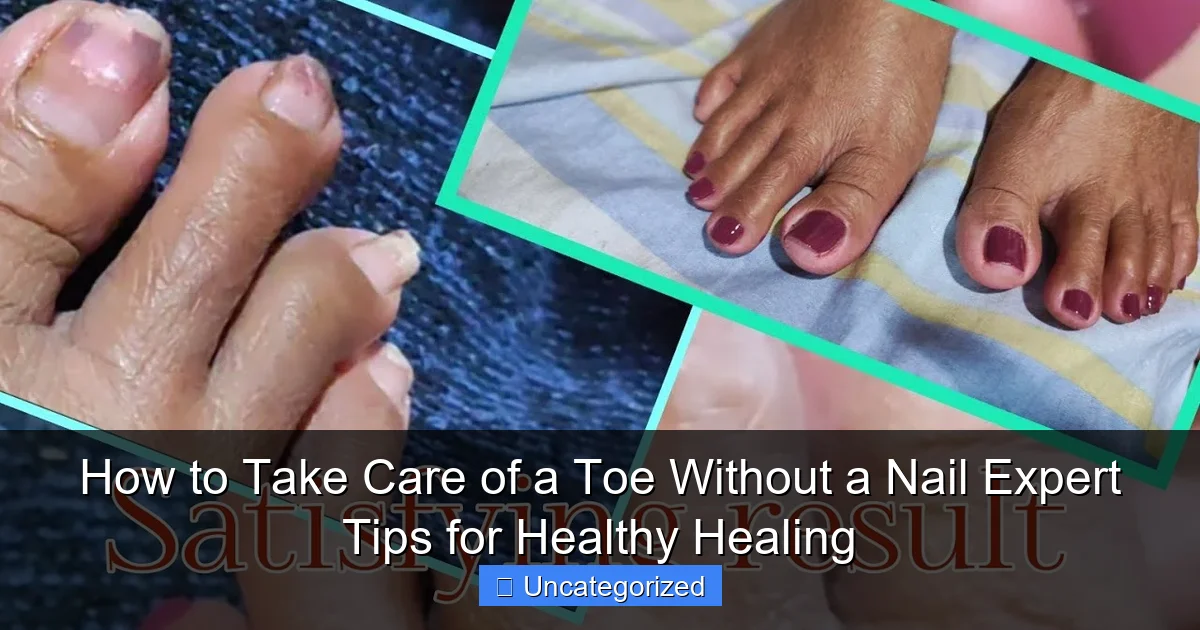
Featured image for how to take care of a toe without a nail
Image source: i.ytimg.com
Protect the exposed nail bed immediately by keeping it clean, dry, and covered with a sterile, non-stick bandage to prevent infection and reduce sensitivity. Elevate the foot and avoid pressure during healing to minimize swelling and support faster recovery—followed by consistent moisturization once the area stabilizes.
Key Takeaways
- Keep it clean: Wash daily with mild soap and water to prevent infection.
- Moisturize gently: Apply fragrance-free cream to avoid dryness and cracking.
- Protect the area: Wear open-toed shoes to reduce pressure and friction.
- Monitor for signs: Watch for redness, swelling, or pus indicating infection.
- Trim carefully: Cut surrounding nails straight across to prevent ingrown issues.
- Change dressings: Replace bandages daily or if wet/dirty for optimal healing.
- Avoid trauma: Limit activities that risk bumping or injuring the sensitive area.
📑 Table of Contents
- Understanding the Causes and Impact of a Toe Without a Nail
- Immediate First Aid: What to Do Right After Losing a Toenail
- Daily Care Routine for Long-Term Healing
- Nutrition and Supplements: Fueling Nail Regrowth
- Preventing Infections and Complications
- Rebuilding Strength: Exercises and Regrowth Tips
- Data Table: Common Causes of Toenail Loss and Healing Timelines
- Conclusion: Patience, Prevention, and Progress
Understanding the Causes and Impact of a Toe Without a Nail
Imagine the discomfort of a throbbing toe, only to discover your nail has vanished—whether from trauma, infection, or an unfortunate accident. Losing a toenail is more common than you might think, affecting people of all ages. From stubbed toes and ingrown nails to fungal infections and medical conditions like psoriasis or diabetes, the causes are varied but the consequences are similar: pain, vulnerability, and a heightened risk of infection. A missing toenail isn’t just a cosmetic issue; it leaves the sensitive nail bed exposed, making everyday activities like walking or wearing shoes a challenge. Understanding the root cause is the first step toward effective care, but the real work begins in how you nurture the healing process.
Whether your toenail is missing due to acute trauma (like dropping a heavy object), chronic pressure (ill-fitting footwear), or medical conditions, the absence of that protective layer means your toe is now a high-maintenance zone. The nail bed—the soft, pink tissue beneath—is delicate and prone to irritation, moisture buildup, and bacterial invasion. Without proper care, complications like paronychia (infection around the nail) or chronic pain can arise. But here’s the good news: with the right strategies, you can not only prevent further damage but also accelerate healing and even promote regrowth. This guide dives into expert-backed tips to keep your toe healthy, pain-free, and on the mend.
Immediate First Aid: What to Do Right After Losing a Toenail
Step 1: Clean the Area Thoroughly
As soon as the nail is gone (or partially detached), your priority is to prevent infection. Rinse the toe gently with lukewarm water and mild soap, using a soft cloth to remove debris. Avoid harsh scrubbing—this can damage the exposed nail bed. For extra protection, soak the foot in a solution of 1 teaspoon of salt per cup of water for 10–15 minutes. Saltwater acts as a natural antiseptic and reduces swelling.
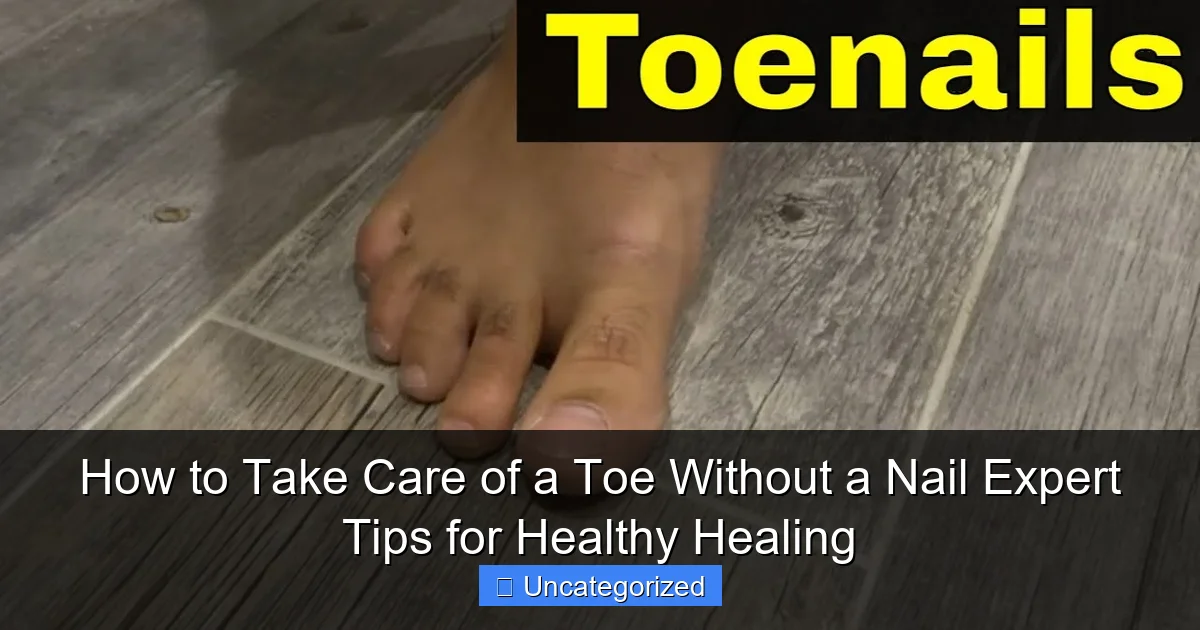
Visual guide about how to take care of a toe without a nail
Image source: i.ytimg.com
Step 2: Apply an Antiseptic and Bandage
Pat the toe dry and apply an over-the-counter antiseptic like povidone-iodine or hydrogen peroxide. Cover the area with a sterile gauze pad or non-stick bandage. Avoid cotton balls, as fibers can stick to the wound. Secure the bandage with medical tape or a loose sock. Change the dressing daily or whenever it gets wet or dirty. Pro tip: Use a donut-shaped pad (available at pharmacies) to reduce pressure on the toe when wearing shoes.
Step 3: Manage Pain and Swelling
To reduce discomfort, take ibuprofen or acetaminophen as directed. Elevate your foot above heart level for 15–20 minutes every 2 hours during the first 48 hours to minimize swelling. Ice the area (wrapped in a towel) for 10-minute intervals to numb pain. Avoid alcohol and caffeine, as they can delay healing.
Example: A Runner’s Recovery
Sarah, a marathon runner, lost her big toenail after her shoe rubbed against it during a race. She followed the steps above: soaked her foot in saltwater, applied antiseptic, and wore a gel toe cap to cushion the area. By day 3, her pain subsided, and she resumed light training with modified footwear.
Daily Care Routine for Long-Term Healing
Keep the Area Dry and Clean
Moisture is the enemy of healing. After showering or washing your feet, dry the toe thoroughly with a clean towel—use a hairdryer on the cool setting if needed. For added protection, apply a thin layer of petroleum jelly (Vaseline) to the nail bed and cover it with a breathable bandage. This creates a moisture barrier while allowing air circulation.
Wear the Right Footwear
Your shoes should have a wide toe box (e.g., Hoka or Altra running shoes) to prevent pressure. Avoid narrow, high-heeled, or tight shoes. If necessary, use toe spacers or protective sleeves to shield the area. For indoor use, opt for open-toed sandals or barefoot slippers.
Moisturize (But Not Too Much)
While dryness can cause cracking, over-moisturizing leads to fungal growth. Use a urea-based cream (10–20%) on the surrounding skin (not the nail bed) to prevent calluses. Avoid soaking your foot in water for more than 10 minutes, as prolonged exposure weakens the skin.
Monitor for Signs of Infection
Check the toe daily for:
- Redness spreading beyond the nail bed
- Pus or foul odor
- Warmth or throbbing pain
- Swelling that worsens after day 5
If you notice these symptoms, consult a podiatrist immediately. Early intervention prevents complications like cellulitis or abscesses.
Example: A Diabetic Patient’s Precautions
James, who has type 2 diabetes, lost his toenail after a minor cut. His doctor emphasized daily inspections, strict dryness, and diabetic-friendly shoes. He used a magnifying mirror to check for hidden redness and wore antimicrobial socks to reduce infection risk.
Nutrition and Supplements: Fueling Nail Regrowth
Essential Nutrients for Nail Health
A missing toenail takes 6–12 months to regrow, but nutrition can speed up the process. Focus on:
- Protein: Nails are made of keratin, a protein. Eat lean meats, eggs, legumes, and Greek yogurt.
- Iron: Deficiency causes brittle nails. Add spinach, lentils, and red meat to your diet.
- Zinc: Supports cell growth. Found in pumpkin seeds, oysters, and chickpeas.
- Vitamin B7 (Biotin): Strengthens keratin. Try biotin supplements (10,000 mcg/day) or foods like almonds and sweet potatoes.
- Omega-3 Fatty Acids: Reduce inflammation. Include salmon, chia seeds, or flaxseed oil.
Supplement Smartly
While a balanced diet is ideal, supplements can bridge gaps. Consider:
- Biotin: 5,000–10,000 mcg daily
- Collagen peptides: 10–15 grams daily (mix into smoothies)
- Multivitamin: Look for formulas with vitamin C (collagen synthesis) and vitamin E (antioxidant).
Note: Consult a doctor before starting supplements, especially if you have kidney issues or take blood thinners.
Hydration Matters
Dehydration makes nails brittle. Aim for 2–3 liters of water daily. Herbal teas and water-rich foods (cucumber, watermelon) also help.
Example: A Vegetarian’s Nutrient Plan
Maria, a vegetarian, lost her toenail in a hiking accident. She boosted her protein with tofu and quinoa, took a vegan biotin supplement, and added chia seeds to her oatmeal. Her nail regrew 20% faster than her doctor’s estimate.
Preventing Infections and Complications
Antifungal and Antibacterial Strategies
The nail bed is a breeding ground for bacteria and fungi. To prevent infections:
- Use tea tree oil: Dilute 3 drops in 1 tablespoon of carrier oil (e.g., coconut oil) and apply twice daily.
- Wear moisture-wicking socks: Choose merino wool or synthetic blends (e.g., Darn Tough).
- Disinfect footwear: Spray shoes with antifungal powder or UV sanitizers.
- Avoid public showers: Wear flip-flops to reduce fungal exposure.
When to See a Doctor
Seek medical help if:
- The toe is severely swollen or discolored after 5 days
- You have diabetes or poor circulation (higher infection risk)
- The nail bed bleeds excessively or shows signs of necrosis (blackened tissue)
- You suspect an underlying condition (e.g., psoriasis, melanoma)
A podiatrist may prescribe antibiotics, antifungals, or even surgical intervention (e.g., nail bed debridement).
Example: A Cyclist’s Fungal Challenge
Tom, a cyclist, developed a fungal infection in his nail bed after losing his toenail. He treated it with oral terbinafine (prescribed by his doctor) and used a UV shoe sanitizer nightly. The infection cleared in 6 weeks.
Rebuilding Strength: Exercises and Regrowth Tips
Toe Mobility Exercises
Stiffness is common after nail loss. Try these exercises (3 sets of 10 reps daily):
- Toe curls: Scrunch a towel with your toes.
- Marble pickup: Pick up marbles with your toes and place them in a cup.
- Alphabet tracing: “Write” the alphabet with your big toe.
These improve circulation and prevent joint stiffness.
Accelerating Regrowth
While nails grow ~1–3 mm/month, these tips help:
- Massage the nail bed: Stimulates blood flow. Use your thumb in circular motions for 1–2 minutes daily.
- Apply coconut oil: Contains lauric acid, which nourishes the nail matrix.
- Avoid trauma: Wear protective toe caps during sports.
When Regrowth Is Unlikely
If the nail matrix (growth center) is damaged, regrowth may not occur. In such cases:
- Artificial nails: Podiatrists can apply acrylic or gel overlays for protection.
- Nail bed grafts: Surgical options for severe damage.
Example: A Dancer’s Recovery Routine
Lena, a ballet dancer, lost her toenail during a performance. She combined toe exercises with nightly coconut oil massages and wore a silicone toe sleeve during rehearsals. Her nail regrew in 8 months with minimal scarring.
Data Table: Common Causes of Toenail Loss and Healing Timelines
| Cause | Healing Time | Key Care Tips | Regrowth Likelihood |
|---|---|---|---|
| Trauma (e.g., stubbing) | 4–8 weeks | Rest, ice, elevation | High (if matrix intact) |
| Ingrown toenail | 6–12 weeks | Antibiotics, surgical removal | Medium |
| Fungal infection | 3–6 months | Antifungals, dryness | Low (if chronic) |
| Diabetic neuropathy | 6–12 months | Strict wound care | Variable |
| Psoriasis | 12+ months | Topical steroids | Low |
Healing times vary based on age, health, and adherence to care routines. Always consult a professional for personalized advice.
Conclusion: Patience, Prevention, and Progress
Taking care of a toe without a nail isn’t just about waiting for regrowth—it’s a proactive journey. From immediate first aid to long-term nutrition and prevention, every step matters. Remember: cleanliness keeps infections at bay, proper footwear reduces pressure, and targeted nutrition fuels recovery. Whether you’re an athlete, a senior, or someone with chronic health issues, these strategies adapt to your needs. Healing takes time, but with consistency, you’ll not only protect your toe but also build resilience against future injuries.
The key takeaway? Don’t neglect the little things. A daily inspection, a well-chosen shoe, or a biotin supplement might seem minor, but they’re the difference between smooth healing and complications. If in doubt, always seek professional guidance—your feet carry you through life, and they deserve the best care. Here’s to healthy toes and pain-free steps ahead!
Frequently Asked Questions
How do I clean a toe without a nail properly?
To clean a toe without a nail, gently wash the area daily with mild soap and lukewarm water, then pat it dry. Avoid soaking the toe for long periods to prevent skin maceration and infection.
What’s the best way to protect a toe without a nail during healing?
Cover the toe with a sterile, non-stick bandage or gauze to shield it from friction and bacteria. For added protection, wear open-toed or loose-fitting shoes to reduce pressure while healing.
How can I reduce pain and swelling in a toe without a nail?
Elevate your foot and apply an ice pack wrapped in a cloth for 15-minute intervals to minimize swelling. Over-the-counter pain relievers like ibuprofen can also help manage discomfort.
Are there specific products to use for a toe without a nail?
Use antiseptic creams (like Neosporin) and moisture-wicking bandages designed for sensitive skin. Silicone toe caps or protective sleeves can also provide cushioning while promoting healing.
How long does it take for a toe without a nail to heal?
Healing time varies but typically takes 4–6 weeks for the skin to fully regenerate, depending on the injury’s severity. Monitor for signs of infection (pus, redness) and consult a doctor if healing stalls.
Can I walk normally with a toe without a nail?
You can walk, but avoid putting direct pressure on the toe by using crutches or stiff-soled shoes. Opt for soft, supportive footwear to prevent irritation while maintaining mobility.