
Featured image for how to take care of a toe without nail
Image source: i.ytimg.com
Protect the exposed nail bed immediately by keeping the toe clean, dry, and covered with a sterile, non-stick dressing to prevent infection and promote healing. Elevate the foot and avoid pressure on the affected toe during recovery, using open-toed footwear or toe protectors to minimize irritation. Consistent care and monitoring for signs of infection—like redness, swelling, or pus—are essential for a safe, healthy regrowth process.
Key Takeaways
- Keep it clean: Wash daily with mild soap to prevent infection.
- Protect the area: Cover with a sterile bandage or gauze.
- Avoid pressure: Wear open-toed shoes to reduce friction and trauma.
- Moisturize gently: Apply petroleum jelly to prevent skin cracking.
- Monitor healing: Watch for signs of infection like redness or swelling.
- Skip tight footwear: Opt for breathable, roomy shoes during recovery.
📑 Table of Contents
- Understanding the Condition: What It Means to Have a Toe Without a Nail
- Immediate Care After Nail Loss: What to Do in the First 72 Hours
- Daily Care Routine for a Toe Without a Nail
- Long-Term Recovery and Nail Regrowth
- Preventing Complications and Infections
- When to See a Doctor: Red Flags and Professional Care
- Conclusion: Empowering Your Recovery Journey
Understanding the Condition: What It Means to Have a Toe Without a Nail
Imagine waking up one morning to discover that your toenail is gone—either partially or completely. Whether due to trauma, medical conditions, or surgical removal, a toe without a nail can be both physically and emotionally unsettling. The toenail, often overlooked in daily life, plays a crucial role in protecting the sensitive nail bed, providing structural support, and aiding in balance and pressure distribution. When it’s missing, the exposed soft tissue becomes vulnerable to injury, infection, and chronic discomfort. Yet, many people are unaware of how to properly care for a toenail-free toe, leading to complications that could have been avoided with the right knowledge and routine.
Having a toe without a nail isn’t just about aesthetics—it’s a medical concern that requires proactive attention. The absence of a nail can result from stubbing your toe, dropping something heavy on it, fungal infections (onycholysis), or even medical procedures like partial or total nail avulsion for ingrown toenails. In some cases, chronic conditions like psoriasis, diabetes, or poor circulation contribute to nail loss. Regardless of the cause, the key to a healthy recovery lies in understanding the anatomy of the toe, recognizing potential risks, and implementing a consistent care regimen. This guide will walk you through expert tips and evidence-based practices to ensure your toe heals properly, regrows if possible, and remains healthy long-term.
Immediate Care After Nail Loss: What to Do in the First 72 Hours
Assess the Cause and Severity
The first step after losing a toenail is to determine the cause. Was it a sudden injury (e.g., stubbing, crush injury), or did the nail gradually lift due to fungal infection or trauma? If the loss was sudden and painful, inspect the toe for signs of bleeding, swelling, or embedded debris. For instance, if you dropped a dumbbell on your foot at the gym, the nail may have detached due to hematoma (blood pooling under the nail). In such cases, immediate medical attention may be needed to relieve pressure and prevent infection.
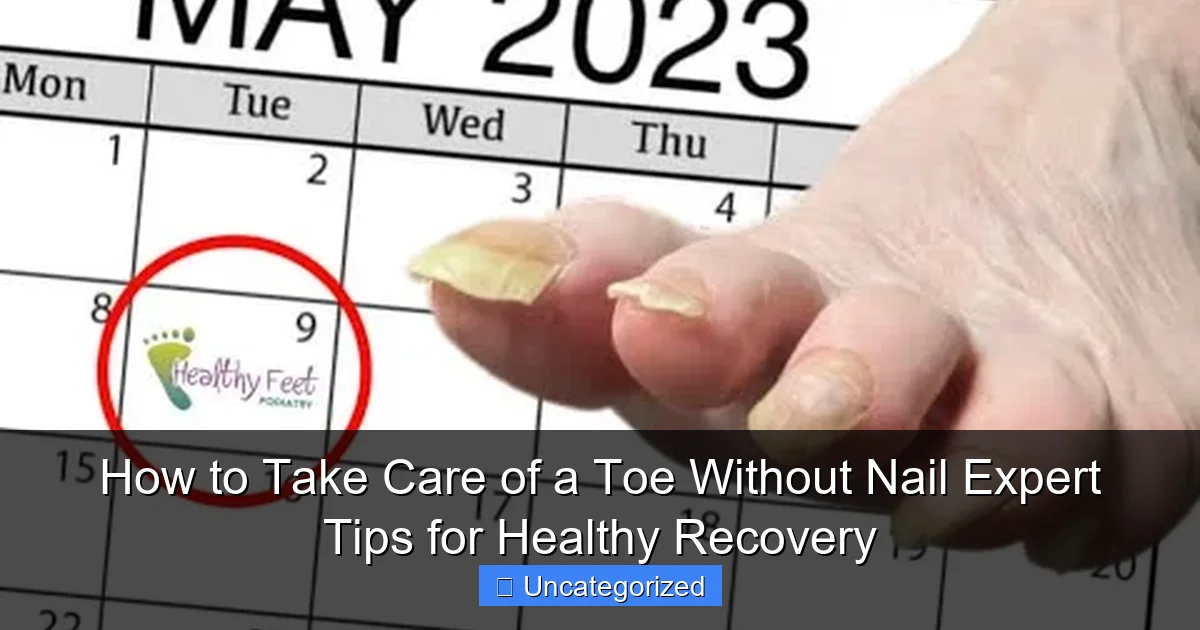
Visual guide about how to take care of a toe without nail
Image source: i.ytimg.com
If the nail loss is gradual—perhaps due to a fungal infection or chronic irritation—the urgency is slightly lower, but care is still essential. Look for symptoms like yellowing, thickening, or separation of the nail from the bed. A podiatrist can diagnose the root cause and recommend treatment, such as antifungal medications or lifestyle changes.
Clean and Dress the Area
Once you’ve assessed the situation, clean the area thoroughly. Use lukewarm water and mild soap to gently wash the toe, avoiding harsh scrubbing. Pat dry with a clean towel, ensuring no moisture remains—a damp environment encourages bacterial growth. Apply an over-the-counter antiseptic like povidone-iodine (Betadine) or hydrogen peroxide (in diluted form) to disinfect the exposed nail bed.
Next, cover the area with a sterile, non-stick dressing (e.g., Telfa pad) and secure it with medical tape or a bandage. Avoid cotton balls, as fibers can stick to the wound. Change the dressing daily or more often if it becomes soiled or wet. For example, if you’re showering, use a waterproof bandage to keep the area dry.
Manage Pain and Swelling
Pain and swelling are common after nail loss. Use over-the-counter pain relievers like ibuprofen (Advil) or acetaminophen (Tylenol) as directed. Apply a cold compress wrapped in a cloth for 15–20 minutes every few hours to reduce swelling. Avoid placing ice directly on the skin, as this can cause frostbite or further tissue damage.
Elevate your foot when sitting or lying down to improve circulation and reduce inflammation. For instance, prop your foot on a pillow while watching TV or sleeping. This simple step can significantly speed up recovery.
Daily Care Routine for a Toe Without a Nail
Keep It Clean and Dry
Hygiene is paramount. Wash your feet daily with mild soap and lukewarm water, focusing on the affected toe. Dry thoroughly, including between the toes, to prevent fungal infections. Use a soft towel and consider a hairdryer on the cool setting to ensure no moisture remains. Moisture trapped under socks or shoes is a breeding ground for bacteria and fungi.
For added protection, apply a thin layer of antifungal powder (e.g., miconazole or tolnaftate) to the toe and inside your socks. This is especially important if you live in a humid climate or sweat heavily during physical activity.
Protect the Nail Bed
The nail bed is delicate and prone to injury. To protect it:
- Wear open-toed shoes or sandals when at home to allow airflow and reduce pressure.
- Use toe caps or silicone sleeves (available at pharmacies) to cushion the exposed area. These are particularly helpful if you need to wear closed shoes for work or exercise.
- Avoid walking barefoot, even indoors. A dropped object or stubbing can cause further trauma.
For example, if you work in a warehouse, consider investing in safety-toed shoes with extra padding to shield your toe from accidental impacts.
Moisturize (But Not Too Much)
The skin around the nail bed can become dry and cracked, increasing infection risk. Apply a fragrance-free moisturizer (e.g., CeraVe, Eucerin) once daily, but avoid the open wound itself. Over-moisturizing can soften the tissue, making it more susceptible to injury. Think of it like caring for a scab—keep it dry enough to heal but moist enough to prevent cracking.
Monitor for Signs of Infection
Watch for redness, swelling, pus, foul odor, or increased pain—all signs of infection. If these occur, seek medical attention immediately. Early intervention with antibiotics can prevent complications like cellulitis or osteomyelitis (bone infection).
Long-Term Recovery and Nail Regrowth
Understanding the Regrowth Process
Toenails grow slowly—about 1–2 mm per month. If the nail matrix (the tissue beneath the cuticle) is undamaged, regrowth typically begins within 2–4 weeks. However, the process can take 6–12 months for a full nail to return. During this time, the nail bed remains exposed, requiring ongoing care.
Factors affecting regrowth include:
- Age: Younger people regrow nails faster.
- Nutrition: Deficiencies in protein, biotin, or zinc can slow growth.
- Health conditions: Diabetes, thyroid disorders, or poor circulation impair healing.
Support Healthy Regrowth
To promote nail regrowth:
- Eat a balanced diet rich in protein (lean meats, eggs), biotin (nuts, sweet potatoes), and iron (leafy greens, red meat).
- Take a multivitamin with biotin (1000–3000 mcg daily) if your diet is lacking. Studies show biotin supplements can improve nail thickness and reduce brittleness.
- Stay hydrated—dehydrated skin and nails heal slower.
- Manage underlying health issues like diabetes with your doctor’s help.
For instance, a 2020 study in the Journal of Cosmetic Dermatology found that participants who took biotin supplements for 6 months experienced a 25% increase in nail thickness.
When Regrowth Isn’t Possible
In some cases, the nail matrix is damaged, preventing regrowth. If no new nail appears after 4–6 months, consult a podiatrist. They may recommend:
- Surgical options (e.g., matrixectomy) to remove the damaged matrix and close the area.
- Custom orthotics to redistribute pressure and protect the toe.
- Prosthetic nails (cosmetic covers) for aesthetic purposes.
Preventing Complications and Infections
Recognize High-Risk Scenarios
Certain factors increase infection risk:
- Diabetes: High blood sugar impairs immune response and circulation.
- Poor footwear: Tight shoes or synthetic materials trap moisture.
- Fungal infections: Pre-existing nail fungus can worsen after nail loss.
For example, a diabetic patient with neuropathy may not feel a small cut on their toe, allowing bacteria to enter unchecked.
Antibiotic and Antifungal Strategies
Preventative measures include:
- Using topical antibiotics (e.g., neomycin-polymyxin B) on the nail bed if prescribed by a doctor.
- Applying antifungal creams (e.g., clotrimazole) if you have a history of nail fungus.
- Wearing moisture-wicking socks (e.g., merino wool or synthetic blends) to keep feet dry.
Footwear Adjustments
Choose shoes with:
- Wide toe boxes to avoid pressure on the injured toe.
- Breathable materials (e.g., mesh, leather) to reduce sweating.
- Soft insoles for cushioning.
For instance, brands like Altra and Brooks offer wide-toe athletic shoes ideal for recovery.
When to See a Doctor: Red Flags and Professional Care
Urgent Warning Signs
Seek immediate medical attention if you experience:
- Severe pain or throbbing not relieved by over-the-counter medication.
- Pus or foul-smelling discharge indicating infection.
- Red streaks spreading from the toe (sign of lymphangitis).
- Fever or chills (systemic infection).
- Numbness or tingling (possible nerve damage).
Specialist Interventions
Podiatrists and dermatologists can provide advanced care, such as:
- Debridement: Removing dead tissue to promote healing.
- Oral antibiotics for severe infections.
- Blood tests to check for underlying conditions (e.g., diabetes).
- Imaging (X-rays) to rule out bone damage.
For example, a patient with a persistent wound might undergo a biopsy to rule out rare conditions like onychomatricoma (a benign nail bed tumor).
Data Table: Timeline of Recovery Milestones
| Time Since Nail Loss | Expected Progress | Care Focus |
|---|---|---|
| 0–72 hours | Initial swelling and pain; possible bleeding | Clean, dress, elevate, and monitor for infection |
| 1–4 weeks | Wound scabs over; new nail begins forming | Protect nail bed; maintain hygiene; avoid pressure |
| 1–3 months | Nail grows 1–2 mm/month; possible ridges or discoloration | Support regrowth with nutrition; monitor for fungus |
| 6–12 months | Full regrowth (if matrix is intact) | Continue hygiene; address any persistent issues |
Conclusion: Empowering Your Recovery Journey
Taking care of a toe without a nail is a marathon, not a sprint. From the immediate aftermath of injury to the long-term goal of healthy regrowth, every step you take—from cleaning and dressing to choosing the right footwear—plays a vital role in your recovery. Remember, the absence of a toenail doesn’t mean the end of foot health; it’s an opportunity to adopt habits that benefit your entire body. By staying vigilant for signs of infection, nourishing your body with the right nutrients, and seeking professional help when needed, you can turn a challenging situation into a story of resilience and healing.
Whether your nail loss was sudden or gradual, the principles remain the same: protect, clean, and monitor. Use the expert tips in this guide as your roadmap, and don’t hesitate to consult a healthcare provider if uncertainty arises. Your feet carry you through life—give them the care they deserve. With patience and consistency, your toe will not only recover but thrive, ready to support you for years to come.
Frequently Asked Questions
How do I protect a toe without a nail during daily activities?
Wear soft, breathable socks and well-fitted shoes with a wide toe box to prevent friction. Consider using a toe cap or gauze padding to shield the sensitive area while walking or exercising.
What’s the best way to clean a toe without nail to prevent infection?
Gently wash the area daily with mild soap and lukewarm water, then pat dry thoroughly. Apply an antiseptic ointment and cover with a sterile bandage to reduce the risk of bacteria entering exposed tissue.
How long does it take for a new nail to grow back after losing one?
Nails typically grow back in 6–12 months, depending on the toe and individual health factors. Keep the toe without nail clean and moisturized to support healthy regrowth and minimize discomfort.
Can I use nail polish or artificial nails on a recovering toe?
No—avoid nail products until the nail fully regrows, as they can trap moisture and irritate the exposed nail bed. Focus instead on keeping the toe without nail dry and protected.
Why is my toe without a nail throbbing or painful?
Pain often results from exposed nerve endings or minor swelling. Elevate your foot, apply a cold compress, and use over-the-counter pain relief if needed. See a doctor if redness or pus develops.
Should I apply moisturizer to a toe without a nail?
Yes, but avoid the nail bed itself—use a light moisturizer on surrounding skin to prevent cracking. Opt for petroleum jelly or urea-based creams to keep the area hydrated without irritation.