
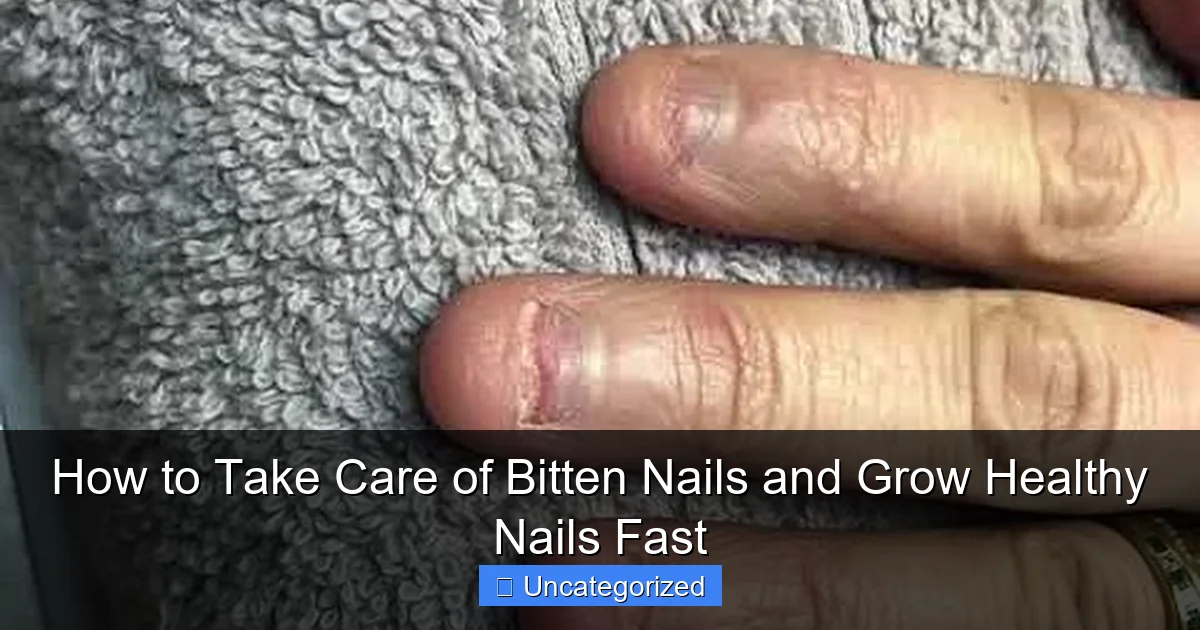
Featured image for how to take care of bitten nails
Image source: i.ytimg.com
Stop nail biting immediately by identifying triggers and using bitter-tasting nail polish to break the habit. Keep nails trimmed short and moisturize cuticles daily with nourishing oils or creams to promote healing and prevent further damage. Consistent care, hydration, and protective habits are essential to repair bitten nails and encourage strong, healthy regrowth.
Key Takeaways
- Stop biting immediately: Use bitter-tasting polish to deter nail-biting habits.
- Keep nails trimmed: Short nails reduce temptation and prevent further damage.
- Moisturize cuticles daily: Apply cuticle oil to promote healing and strength.
- Wear gloves often: Protect nails from dirt and bacteria during daily tasks.
- Use a nail hardener: Strengthen weak nails with a protective, nourishing formula.
- Address stress triggers: Replace nail-biting with healthier stress-relief habits.
📑 Table of Contents
- Understanding Nail Biting: The Habit That’s Hard to Break
- Why Nail Biting Is Harmful: The Science Behind the Damage
- Step-by-Step Guide to Healing Bitten Nails
- Nutrition and Supplements for Faster Nail Growth
- Preventing Relapse: Long-Term Habits for Healthy Nails
- When to See a Doctor: Recognizing Red Flags
- Conclusion: Your Journey to Healthy, Beautiful Nails
Understanding Nail Biting: The Habit That’s Hard to Break
Nail biting, also known as onychophagia, is a common habit affecting millions worldwide—especially children, teens, and young adults. While it may seem harmless at first, chronic nail biting can lead to a host of problems: jagged cuticles, painful hangnails, bacterial infections, and even long-term damage to the nail matrix. According to the American Academy of Dermatology, up to 30% of people engage in nail biting at some point in their lives, often as a response to stress, anxiety, boredom, or even perfectionism. The habit can become deeply ingrained, making it feel nearly impossible to stop. But the good news is that with the right strategies, you can not only stop biting your nails but also restore them to health and promote strong, beautiful growth.
Beyond the physical toll, nail biting can also impact your self-esteem and social interactions. Peeling or bitten nails are often perceived as unkempt or unprofessional, and individuals may feel embarrassed when shaking hands or showing their hands in public. The psychological cycle of stress → biting → shame → more stress only reinforces the behavior. However, understanding the root causes and taking a holistic approach to care—covering hygiene, nutrition, behavioral changes, and protective measures—can break this cycle. In this guide, we’ll walk you through a comprehensive plan to take care of bitten nails, repair the damage, and grow healthy, resilient nails fast. Whether you’ve been biting your nails for years or just started during a stressful period, this step-by-step approach will help you regain control and confidence.
Why Nail Biting Is Harmful: The Science Behind the Damage
Physical Consequences of Chronic Nail Biting
When you bite your nails, you’re not just removing dead tissue—you’re causing trauma to living structures. The fingertips contain a high concentration of nerve endings and blood vessels, and repeated biting can lead to:
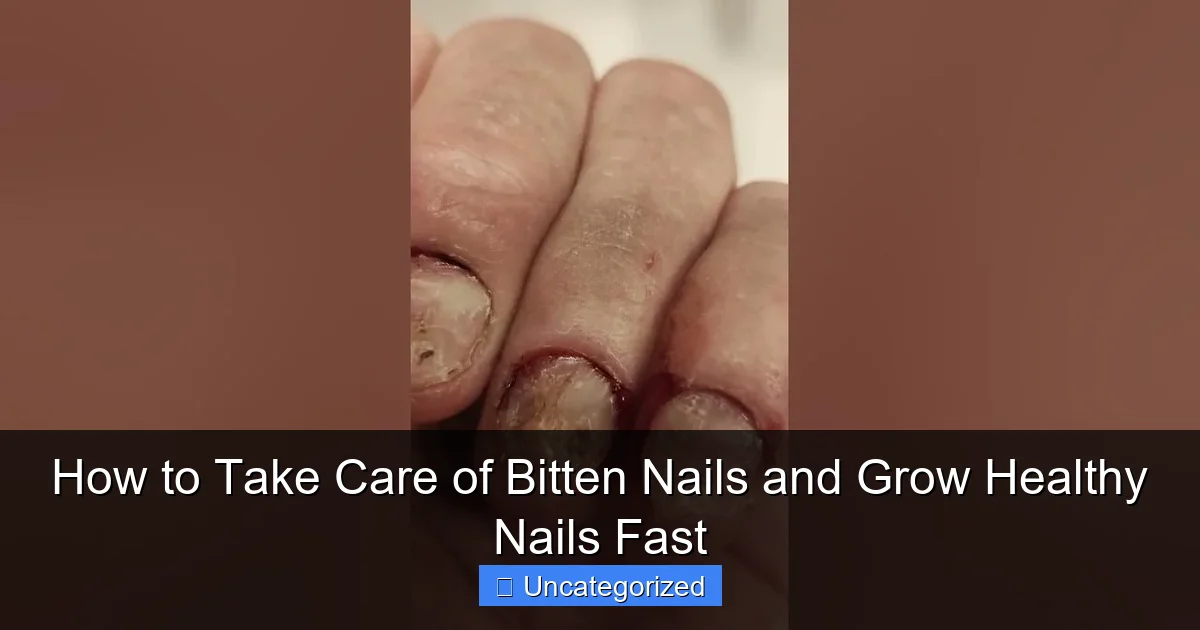
Visual guide about how to take care of bitten nails
Image source: i.ytimg.com
- Inflammation and infection: The warm, moist environment under the nail is a breeding ground for bacteria and fungi. Biting introduces saliva, which contains bacteria like Staphylococcus and Streptococcus, increasing the risk of paronychia (an infection of the nail fold).
- Nail matrix damage: The nail matrix, located beneath the cuticle, is responsible for producing new nail cells. Trauma from biting can disrupt this process, leading to ridges, pits, or misshapen nails.
- Delayed healing: Constant biting prevents the nail and surrounding skin from healing properly, creating a cycle of irritation and reinjury.
- Dental issues: Over time, nail biting can wear down teeth, cause jaw pain, or even lead to TMJ disorders due to repetitive clenching.
One study published in the Journal of the American Academy of Dermatology found that individuals who bite their nails are significantly more likely to develop chronic paronychia compared to non-biters. The study also noted that the habit can lead to permanent nail deformities if left unchecked for years.
Psychological and Emotional Impact
Nail biting isn’t just a physical issue—it’s often a symptom of deeper psychological patterns. Many people bite their nails as a coping mechanism for:
- Anxiety and stress
- Perfectionism (biting to “fix” imperfections)
- Boredom or distraction
- Obsessive-compulsive tendencies
This creates a feedback loop: stress leads to biting, which causes pain or embarrassment, which increases stress. Over time, the habit becomes automatic—performed without conscious thought. Recognizing this emotional component is crucial because simply applying a bitter nail polish won’t work if the underlying anxiety isn’t addressed.
Long-Term Nail Health Concerns
Beyond immediate infections, chronic nail biting can lead to:
- Onycholysis: The separation of the nail from the nail bed, often due to trauma or moisture exposure from saliva.
- Beau’s lines: Horizontal depressions across the nail, indicating periods of severe stress or illness—often exacerbated by biting.
- Reduced nail growth rate: Damaged nail matrices may produce nails more slowly, making recovery take longer.
Understanding these consequences underscores the importance of treating nail biting not just as a cosmetic issue, but as a health concern requiring a multi-pronged approach.
Step-by-Step Guide to Healing Bitten Nails
Step 1: Stop the Biting—Behavioral Strategies That Work
The first step in healing bitten nails is stopping the habit. Here are evidence-based strategies:
- Habit reversal training (HRT): This psychological technique involves identifying triggers (e.g., stress, phone use) and replacing biting with a competing behavior like squeezing a stress ball or chewing sugar-free gum.
- Mindfulness and awareness: Keep a journal to track when and why you bite. Use phone reminders or wear a rubber band on your wrist—snap it gently when you catch yourself biting.
- Use a bitter nail polish: Products like Mavala Stop or Onychoclast have a strong, bitter taste that discourages biting. Apply it daily, especially at high-risk times (e.g., during meetings or while watching TV).
- Set small, achievable goals: Start with “no biting for 30 minutes” and gradually increase the duration. Reward yourself with non-food treats (e.g., a new hand cream).
Example: Sarah, a 28-year-old teacher, noticed she bit her nails most during parent-teacher conferences. She started using a lavender-scented hand lotion and kept a fidget spinner on her desk. Within two weeks, she reduced biting by 70%.
Step 2: Repair the Damage—Nail and Cuticle Care Routine
Once the biting stops, focus on healing the existing damage:
- Soak and soften: Soak nails in warm water with a few drops of tea tree oil (antimicrobial) for 10 minutes, 2–3 times a week.
- Trim carefully: Use sharp, clean nail clippers to trim jagged edges straight across—never in a curve—to prevent ingrown nails. File with a glass nail file to smooth rough edges.
- Moisturize religiously: Apply cuticle oil (jojoba, argan, or almond oil) and a thick hand cream (with ceramides or shea butter) at least twice daily. Massage the cuticles to stimulate blood flow.
- Protect with gloves: Wear cotton gloves at night after applying cream, or use nitrile gloves when washing dishes to reduce water exposure.
Pro tip: Avoid using metal cuticle pushers or scissors—they can cause microtears. Instead, gently push back cuticles with a wooden orange stick after soaking.
Step 3: Strengthen and Protect—Nail Treatments and Coatings
To prevent further damage and encourage growth:
- Use a nail hardener: Choose a formaldehyde-free strengthener like OPI Nail Envy or CND RescueRXx. Apply every other day for the first month, then reduce to twice weekly.
- Apply a protective base coat: A clear base coat (e.g., Essie Grow Strong) creates a barrier against water and trauma. Reapply every 2–3 days.
- Try a nail wrap: For severely damaged nails, consider silk or fiberglass wraps applied by a professional. These provide structural support while the nail grows out.
Caution: Avoid nail polish removers with acetone, which dries out nails and cuticles. Opt for acetone-free versions with added moisturizers.
Nutrition and Supplements for Faster Nail Growth
The Role of Diet in Nail Health
Nails are made of keratin, a protein, so nutrition plays a critical role in their growth and strength. A deficiency in key nutrients can lead to brittle, slow-growing nails. Focus on:
- Protein: Eat lean meats, eggs, beans, and Greek yogurt. Aim for 0.8–1.2 grams of protein per kilogram of body weight daily.
- Omega-3 fatty acids: Found in salmon, chia seeds, and walnuts, they reduce inflammation and improve nail flexibility.
- Iron: Low iron (anemia) causes koilonychia (spoon-shaped nails). Include spinach, lentils, and red meat. Pair with vitamin C (e.g., orange juice) for better absorption.
- Zinc: Supports cell growth. Found in oysters, pumpkin seeds, and chickpeas. A deficiency can cause white spots on nails.
- Biotin (B7): A popular nail supplement, but research shows mixed results. A 2020 meta-analysis in Journal of Cosmetic Dermatology found biotin improved nail thickness in people with deficiencies, but not in others.
Top Supplements for Nail Growth
While a balanced diet is ideal, supplements can help fill gaps. Here are the most effective options:
- Biotin (5,000–10,000 mcg daily): Best for those with diagnosed deficiencies. Look for brands with third-party testing (e.g., NOW Foods, Nature Made).
- Collagen peptides (10g daily): A 2017 study in Journal of Cosmetic Dermatology showed 24 weeks of collagen supplementation increased nail growth by 12% and reduced breakage by 42%.
- Vitamin B12 (2.4 mcg daily): Deficiency can cause hyperpigmentation or brittle nails. Especially important for vegans.
- Multivitamin with minerals: Choose one with iron, zinc, and selenium to support overall nail health.
Important: Consult a doctor before starting supplements, especially if you have thyroid issues or kidney disease. Overdosing on zinc or selenium can be harmful.
Hydration: The Overlooked Factor
Dehydration makes nails dry and prone to splitting. Aim for:
- At least 8 cups (64 oz) of water daily.
- Limit diuretics like caffeine and alcohol, which dehydrate skin and nails.
- Use a humidifier in dry environments to prevent moisture loss.
Preventing Relapse: Long-Term Habits for Healthy Nails
Create a Maintenance Routine
Once your nails start growing, maintain them with:
- Weekly care: Soak, trim, and oil nails every Sunday. This consistency prevents backsliding.
- Daily protection: Apply hand cream after every hand wash. Keep a travel-sized tube in your bag.
- Monthly check-ins: Assess nail growth and cuticle health. Note any changes in texture or color.
Address Emotional Triggers
Long-term success requires managing stress and anxiety:
- Practice mindfulness: Try 5-minute breathing exercises or guided meditations when you feel the urge to bite.
- Seek therapy: Cognitive behavioral therapy (CBT) can help reframe negative thought patterns that trigger biting.
- Join a support group: Online communities like Nail Biting Recovery on Reddit offer encouragement and accountability.
Use Visual Motivation
Track progress with:
- Progress photos: Take a close-up of your nails every week. Seeing growth can boost motivation.
- Reward milestones: Treat yourself to a manicure at 1 month, a new nail polish at 3 months, etc.
- Positive affirmations: Repeat phrases like “My hands are healing” or “I choose strength over stress.”
When to See a Doctor: Recognizing Red Flags
Signs of Infection or Disease
See a dermatologist if you experience:
- Redness, swelling, or pus around the nail (signs of paronychia).
- Persistent pain or throbbing.
- Yellow, green, or black discoloration (possible fungal infection).
- Sudden changes in nail shape or texture (e.g., pitting, ridges, or separation).
Chronic nail biting can sometimes mask underlying conditions like psoriasis or lichen planus, which require medical treatment.
Professional Treatments
For severe cases, a dermatologist may recommend:
- Antibiotics or antifungals: For infections.
- Prescription nail hardeners: Like those with hydroxypropyl chitosan.
- Behavioral therapy referrals: For OCD-related biting.
- Nail reconstruction: Using medical-grade adhesives to support damaged nails.
Note: Never attempt to remove a severely infected or detached nail at home—seek medical help.
Comparing Home vs. Professional Care
| Condition | Home Care | Professional Care |
|---|---|---|
| Mild hangnail | Trim with clean clippers, apply antiseptic | Not needed |
| Paronychia (early stage) | Warm soaks, tea tree oil, keep dry | Oral antibiotics if pus is present |
| Fungal infection | Over-the-counter antifungal creams (e.g., clotrimazole) | Prescription oral antifungals (e.g., terbinafine) |
| Severe matrix damage | Protective wraps, biotin supplements | Nail reconstruction, laser therapy |
Conclusion: Your Journey to Healthy, Beautiful Nails
Taking care of bitten nails is a journey that requires patience, consistency, and compassion. It’s not just about stopping a habit—it’s about healing your body, mind, and spirit. By understanding the physical and emotional roots of nail biting, you can implement targeted strategies that address both the symptoms and the causes. From daily cuticle oil rituals to mindful stress management, each small step builds toward stronger, longer nails and a healthier relationship with your hands.
Remember, progress isn’t linear. There may be days when you slip up—and that’s okay. What matters is getting back on track with kindness, not self-criticism. Celebrate every millimeter of growth, every day without biting, and every time you choose self-care over stress relief. With the right tools and mindset, you can transform bitten, damaged nails into a source of pride. In 3–6 months, you could be flaunting strong, polished nails that reflect your resilience and commitment to self-improvement. So start today: moisturize, protect, nourish, and believe in your hands’ ability to heal. Your nails—and your confidence—will thank you.
Frequently Asked Questions
How can I stop biting my nails and start growing healthy ones?
To stop nail biting, identify triggers like stress or boredom and replace the habit with alternatives like fidget toys or applying a bitter-tasting nail polish. Consistently moisturizing your nails and cuticles with a nourishing oil or cream also helps repair damage and encourages healthy growth. Pair this with keeping nails trimmed short to reduce temptation.
What are the best ways to repair bitten nails and promote fast growth?
Repair bitten nails by using a protein-rich nail strengthener and biotin supplements to support keratin production. Avoid harsh chemicals and opt for a gentle nail regimen, including weekly deep-conditioning treatments with jojoba oil or shea butter to hydrate and protect the nail bed.
How long does it take for bitten nails to grow out completely?
Nails typically grow 3–4 millimeters per month, so severely bitten nails may take 6–12 months to fully regrow. Consistency is key: protect nails with gloves during chores, maintain a balanced diet, and avoid picking at cuticles to speed up recovery.
Can I use nail polish or fake nails to cover bitten nails while they heal?
Yes, wearing breathable nail polish or press-on nails can act as a physical barrier, reducing the urge to bite. Choose formaldehyde-free polishes and avoid glue-on extensions, which can further damage weak nails. Remove them gently to prevent peeling.
Are there natural remedies to heal bitten nails and prevent infection?
Natural remedies like soaking nails in a mix of tea tree oil and coconut oil can reduce inflammation and fight bacteria. Aloe vera gel or vitamin E oil also soothes irritated skin around the nails and promotes healing.
How do I take care of bitten nails if I have a chronic nail-biting habit?
For chronic biting, combine behavioral strategies (e.g., habit-reversal training) with physical barriers like bandages or gloves. Track progress with a journal or app, and reward milestones to stay motivated. Address underlying stress through mindfulness or therapy for long-term success.