
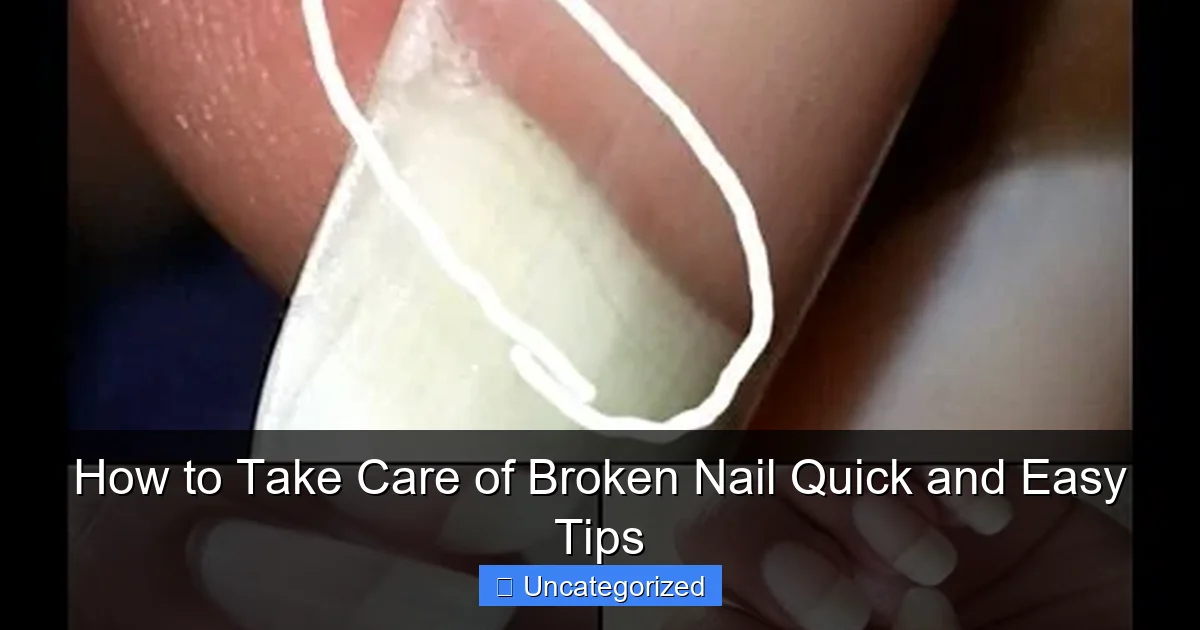
Featured image for how to take care of broken nail
Image source: i.ytimg.com
Act quickly to clean and protect the broken nail by gently filing the edges, applying an antiseptic, and covering it with a bandage to prevent infection. Use a nail strengthener or tea tree oil to promote healing and avoid further damage—keeping the area dry and trimmed short ensures faster recovery.
Key Takeaways
- Assess the damage: Check if the break is clean or jagged to choose proper repair.
- Clip with care: Use sharp nail clippers to trim broken edges without further splitting.
- Reinforce with glue: Apply nail glue and a tea bag patch for quick, sturdy repair.
- Moisturize nails: Keep nails and cuticles hydrated to prevent future breakage.
- Wear gloves: Protect nails during chores to avoid water and chemical damage.
- File gently: Shape nails weekly with a soft file to maintain strength.
📑 Table of Contents
How to Take Care of Broken Nails: Quick and Easy Tips
Few things can be as frustrating as a broken nail. Whether it’s a sudden snag while opening a jar or a slow split that worsens over time, a damaged nail can be both painful and unsightly. Not only does it affect the appearance of your hands, but it can also lead to further complications if not treated properly. From exposing the sensitive nail bed to increasing the risk of infection, a broken nail requires immediate attention and care.
But don’t worry—handling a broken nail doesn’t have to be complicated. With the right tools, techniques, and a little patience, you can manage the damage effectively and promote faster healing. This comprehensive guide will walk you through everything you need to know, from immediate first aid to long-term prevention. Whether you’re dealing with a minor crack or a full-on break, these quick and easy tips will help you restore your nails to their former glory—safely and efficiently.
Understanding the Types of Broken Nails
Before diving into treatment, it’s essential to identify the type of break you’re dealing with. Not all broken nails are the same, and the severity of the damage will determine your approach. Understanding the different types helps you choose the best course of action and avoid making the situation worse.
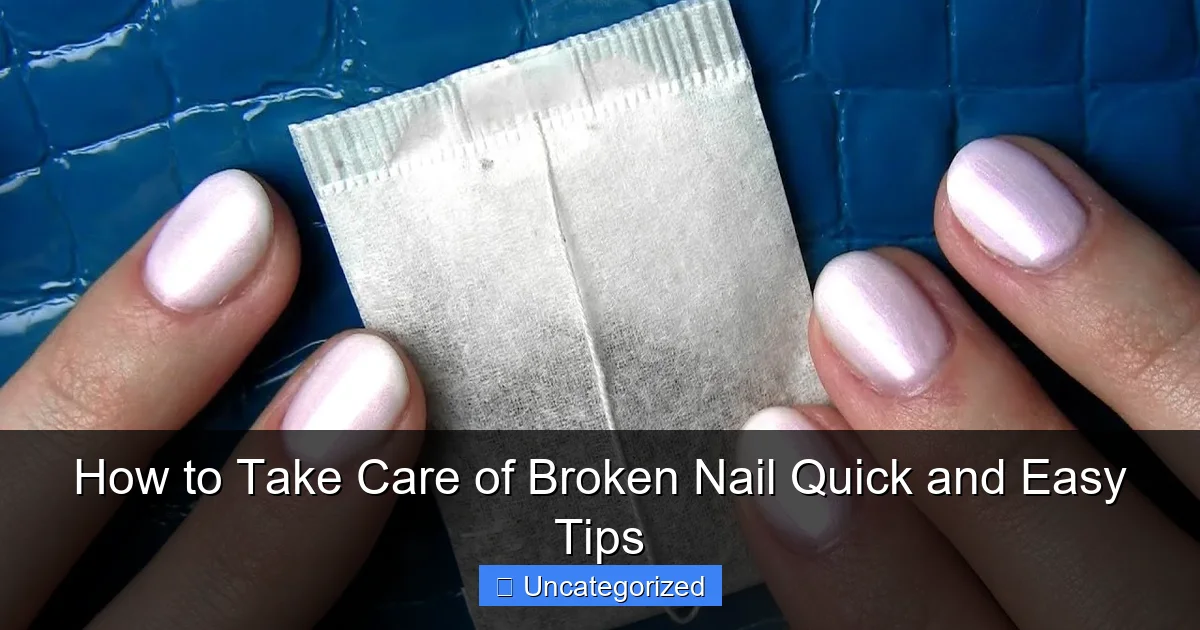
Visual guide about how to take care of broken nail
Image source: i.ytimg.com
Minor Cracks and Splits
Minor cracks and splits are the most common types of nail damage. These usually occur at the tip of the nail and may only affect the top layers of the nail plate. You might notice a small split that catches on fabric or a slight crack that doesn’t cause pain. While not serious, these can worsen if ignored.
- Cause: Dry nails, exposure to water, or minor trauma (e.g., catching on a zipper).
- Signs: A visible line or split, often near the free edge.
- Risk: Can deepen into the nail bed if not protected.
Example: Sarah, a teacher, noticed a small split in her thumbnail after repeatedly opening student folders. She ignored it for a week, and by the second week, the split had extended halfway up the nail.
Partial Breaks and Tears
These occur when a portion of the nail detaches from the nail bed but remains partially attached. They’re more painful than minor cracks and can bleed if the nail bed is exposed. Partial breaks often happen due to impact or pressure on a weakened nail.
- Cause: Trauma (e.g., slamming a door, dropping something heavy).
- Signs: A piece of nail hanging off, pain, possible bleeding.
- Risk: Infection if the nail bed is exposed; further tearing if not stabilized.
Tip: If the break is painful or bleeding, treat it as a minor medical emergency—clean it and cover it immediately.
Complete Breaks and Detachment
A complete break means the entire nail has broken off or detached from the nail bed. This is the most severe form and can be very painful. It often exposes the sensitive skin underneath, increasing the risk of infection.
- Cause: Severe trauma, fungal infections, or underlying health conditions (e.g., thyroid issues).
- Signs: Missing nail, redness, swelling, pain, or pus.
- Risk: High chance of infection; may require medical attention.
Note: If more than 25% of the nail bed is exposed, consult a dermatologist or healthcare provider to rule out complications.
Immediate First Aid for a Broken Nail
When a nail breaks, your first response is crucial. Acting quickly can minimize pain, prevent infection, and reduce the risk of further damage. Here’s a step-by-step guide to effective first aid for broken nails.
Step 1: Clean the Area
Start by washing your hands with mild soap and warm water. This removes dirt, bacteria, and debris from the broken area. If the nail is bleeding, rinse gently under running water to clean the wound.
- Use a gentle, fragrance-free soap to avoid irritation.
- Pat dry with a clean towel—do not rub.
Tip: If the break is near a cuticle or hangnail, use a cotton swab to clean hard-to-reach areas.
Step 2: Trim and File the Broken Edge
Use clean, sterilized nail clippers to trim any jagged or loose edges. Avoid pulling or tearing the nail, as this can worsen the break. Use a glass or crystal nail file to smooth the edge and prevent snagging.
- Clip straight across to avoid further splitting.
- File in one direction (not back-and-forth) to reduce friction.
Important: Sterilize tools with rubbing alcohol before and after use to prevent infection.
Step 3: Apply an Antiseptic
Apply a thin layer of antiseptic ointment (e.g., Neosporin or hydrogen peroxide) to the exposed nail bed or surrounding skin. This helps kill bacteria and creates a protective barrier.
- Use a cotton swab for precise application.
- For minor cracks, a dab of tea tree oil (diluted with carrier oil) can also work as a natural antiseptic.
Example: Mark, a mechanic, used a drop of hydrogen peroxide on his broken index nail after a tool slipped. He avoided infection by cleaning and disinfecting within 10 minutes.
Step 4: Bandage or Protect the Nail
Cover the nail with a sterile bandage or adhesive bandage to protect it from dirt and further trauma. For partial breaks, use a small adhesive bandage. For complete breaks, consider a breathable bandage that allows airflow.
- Change the bandage daily or when it gets wet.
- Use a waterproof bandage if you’re washing dishes or swimming.
Pro Tip: Apply a small piece of non-stick gauze under the bandage to prevent sticking to the nail bed.
Step 5: Monitor for Infection
Keep an eye on the area for signs of infection: increased redness, swelling, pus, or throbbing pain. If you notice any of these, seek medical help immediately.
- Infected nails may require antibiotics or prescription ointments.
- Do not attempt to reattach a completely detached nail—this is a myth and can cause more harm.
At-Home Treatments and Repair Methods
Once the immediate first aid is complete, it’s time to focus on repair and recovery. At-home treatments can help strengthen the nail, reduce pain, and promote healing. Here are some effective methods you can use.
Using Nail Glue or Clear Nail Polish
For minor cracks or splits, nail glue or clear nail polish can act as a temporary fix. These products create a seal over the break, preventing further splitting and protecting the nail bed.
- Apply a thin layer of nail glue to the split and press gently for 30 seconds.
- Alternatively, use 2-3 coats of clear nail polish, letting each layer dry before applying the next.
- Reapply every 2-3 days as the nail grows out.
Tip: Use a formaldehyde-free nail polish to avoid further drying the nail.
Nail Wraps and Silk Wraps
Nail wraps (also called silk or fiber wraps) are thin sheets applied over the nail to reinforce it. They’re ideal for partial breaks and can last up to two weeks.
- Clean and dry the nail before applying.
- Cut the wrap to fit the nail, apply with nail glue, and file the edges smooth.
- Seal with a top coat for added durability.
Benefits: Provides structural support, prevents snagging, and accelerates healing.
Moisturizing and Nail Strengthening Serums
Keeping your nails hydrated is key to recovery. Use cuticle oil, hand cream, or specialized nail serums to nourish the nail and surrounding skin.
- Apply cuticle oil (e.g., jojoba or almond oil) 2-3 times daily.
- Look for serums with ingredients like biotin, keratin, or hyaluronic acid.
- Massage gently to improve blood circulation.
Example: Lisa, a nurse, applied a biotin-rich nail serum twice a day after a break. Her nail healed 30% faster than previous breaks.
DIY Nail Repair with Tea Bags
An old-school but effective trick: use a tea bag to patch a broken nail. Black tea contains tannins that help strengthen the nail.
- Cut a small piece of a used tea bag (cooled).
- Place it over the break and secure with nail glue or clear polish.
- File smooth once dry.
Note: This method works best for minor cracks and temporary repairs.
Preventing Future Nail Breaks
While treating a broken nail is important, prevention is the best strategy. By adopting healthy nail habits, you can significantly reduce the risk of future breaks and maintain strong, resilient nails.
Keep Nails Hydrated
Dry nails are more prone to splitting and breaking. Moisturize your nails and cuticles daily.
- Apply hand cream after every hand wash.
- Use cuticle oil at night before bed.
- Avoid harsh soaps and alcohol-based sanitizers when possible.
Tip: Wear cotton gloves at night after applying a thick layer of hand cream for deep hydration.
Wear Gloves During Chores
Water, detergents, and chemicals weaken nails. Always wear gloves when doing dishes, cleaning, or gardening.
- Choose latex or rubber gloves for wet tasks.
- Use heavy-duty gloves for gardening or handling sharp objects.
Pro Tip: Keep a pair of gloves by the sink and in your cleaning supplies for easy access.
Maintain Proper Nail Length
Long nails are more prone to snagging and breaking. Keep nails at a moderate length—just past the fingertip is ideal.
- Trim every 1-2 weeks with sharp clippers.
- File edges to prevent sharp corners.
Note: Avoid square tips—rounded or oval shapes are less likely to catch on things.
Eat a Nail-Healthy Diet
Your nails are made of protein and other nutrients. A balanced diet supports strong nail growth.
- Eat foods rich in biotin (eggs, nuts, sweet potatoes), protein (chicken, fish, tofu), and omega-3s (salmon, flaxseeds).
- Stay hydrated—drink at least 8 glasses of water daily.
Example: After adding more eggs and spinach to her diet, Maria noticed her nails stopped breaking within 6 weeks.
Avoid Nail Biting and Picking
Habitual nail biting or picking weakens the nail bed and increases the risk of infection. Break the habit with these tips:
- Apply bitter-tasting nail polish.
- Keep nails trimmed and manicured.
- Use stress-relief techniques (e.g., fidget toys).
When to See a Doctor
While most broken nails heal on their own, some cases require professional medical attention. Knowing when to seek help can prevent complications and ensure proper treatment.
Signs of Infection
If the area around the nail becomes red, swollen, warm, or oozes pus, it may be infected. Other signs include throbbing pain, fever, or a foul odor.
- Do not delay—infections can spread to the finger or bloodstream.
- Your doctor may prescribe oral or topical antibiotics.
Severe Trauma or Bleeding
If the nail broke due to a heavy impact (e.g., car door, hammer) and there’s significant bleeding or pain, see a doctor immediately.
- Deep cuts near the nail bed may require stitches.
- X-rays may be needed if you suspect a bone injury.
Underlying Health Conditions
Frequent nail breaks may be a sign of an underlying issue, such as:
- Thyroid disorders (hypothyroidism or hyperthyroidism)
- Iron deficiency anemia
- Psoriasis or lichen planus
- Fungal infections
A dermatologist can run tests and recommend treatment to address the root cause.
Nail Growth Problems
If the nail doesn’t grow back after 2-3 months, or grows abnormally (e.g., thickened, discolored), consult a specialist. This could indicate a chronic nail disorder.
Data Table: Nail Healing Timeline and Care
| Break Type | Healing Time | Key Care Steps | When to See a Doctor |
|---|---|---|---|
| Minor Crack/Split | 1-2 weeks | Clean, file, apply nail glue or polish, moisturize | If split worsens or becomes painful |
| Partial Break | 2-4 weeks | Clean, trim, bandage, use nail wrap, antiseptic | If bleeding persists or signs of infection |
| Complete Detachment | 6-12 weeks | Clean, bandage, protect, avoid trauma, monitor | Always—especially if >25% of nail bed exposed |
| Infected Nail | Varies | Antibiotics, warm soaks, avoid moisture | Immediate medical attention required |
Note: Healing time varies based on nail length, health, and care. Fingernails grow ~3 mm per month on average.
Conclusion
Dealing with a broken nail can be a nuisance, but with the right approach, you can manage it effectively and promote fast, healthy healing. From understanding the type of break to applying immediate first aid, using at-home repair methods, and preventing future damage, each step plays a vital role in nail recovery.
Remember, cleanliness, protection, and hydration are the pillars of nail care. Don’t overlook the importance of wearing gloves during chores, moisturizing daily, and maintaining a nutrient-rich diet. And if you notice signs of infection, severe pain, or no regrowth after a few months, don’t hesitate to consult a healthcare professional.
Your nails are more than just a cosmetic feature—they’re a reflection of your overall health. By treating them with care and attention, you not only avoid painful breaks but also enjoy stronger, more beautiful nails in the long run. So the next time you face a broken nail, don’t panic. Grab your tools, follow these quick and easy tips, and get back to showing off your hands with confidence.
Frequently Asked Questions
How to take care of a broken nail to prevent further damage?
To take care of a broken nail, gently file the edges with a soft nail file to smooth any rough spots and avoid snagging. Apply a nail strengthener or clear polish to protect the nail and prevent further splitting.
Can I use glue to fix a broken nail at home?
Yes, you can use a nail adhesive or clear nail glue to temporarily bond a cracked or broken nail. Cover the area with a silk wrap or tea bag for added strength before applying glue.
What are the best quick and easy tips for healing a broken nail fast?
Keep the nail trimmed short, moisturize with cuticle oil daily, and wear gloves during chores to protect it. Using a ridge-filling base coat can also help reinforce the nail while it heals.
How to take care of a broken nail that’s partially detached?
Clip away loose pieces carefully with sanitized tools to avoid infection, then apply an antiseptic and a bandage. Avoid picking at it to let the new nail grow out safely.
Should I cover a broken nail with polish or leave it bare?
It’s best to use a breathable, strengthening base coat or light polish to shield the nail while allowing it to heal. Avoid heavy layers or dark polishes, which can hide signs of infection.
How long does it take for a broken nail to grow out completely?
Nails grow about 3mm per month, so a full recovery may take 6–9 months depending on the break’s severity. Consistent care with oils and protection speeds up the healing process.