
Featured image for how to take care of broken toe nail
Image source: i.ytimg.com
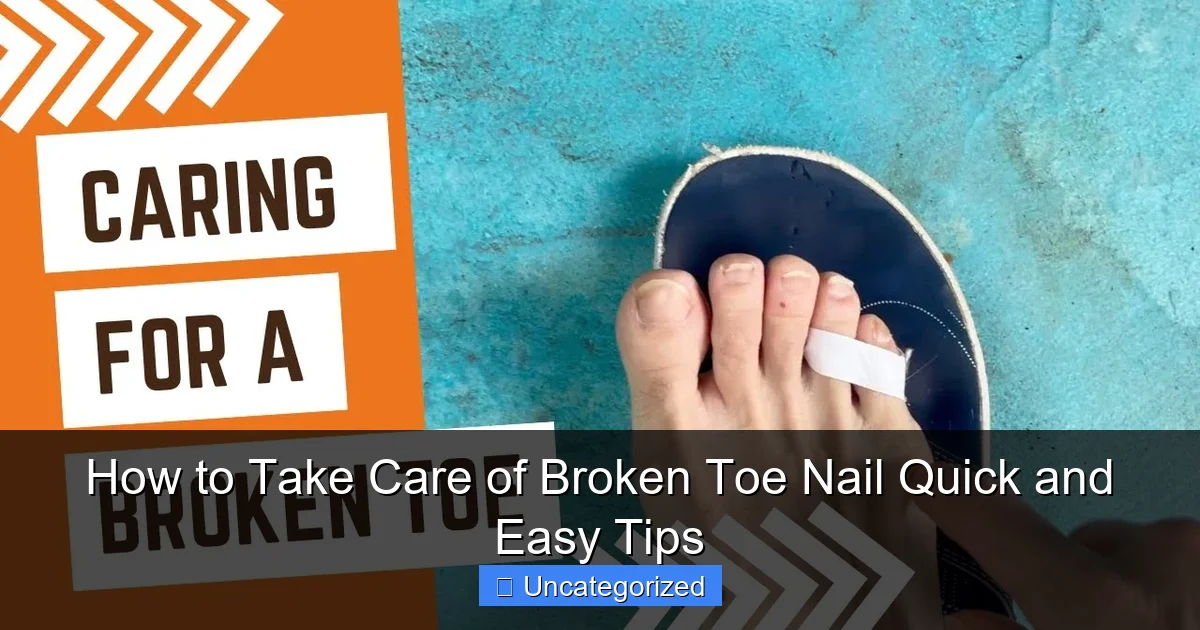
Immediate care is crucial to prevent infection and speed up healing when dealing with a broken toenail. Clean the area gently with soap and water, apply an antiseptic, and protect it with a sterile bandage to minimize further trauma. Keep the foot elevated and avoid tight footwear to reduce pressure and discomfort during recovery.
Key Takeaways
- Clean immediately: Wash with mild soap to prevent infection.
- Trim carefully: Use sterilized clippers to avoid further damage.
- Apply antiseptic: Reduce infection risk with topical ointment.
- Protect the nail: Cover with a bandage or toe cap.
- Wear roomy shoes: Avoid pressure to speed healing.
- Monitor for infection: Watch for swelling, pus, or fever.
📑 Table of Contents
Understanding Broken Toe Nails: Causes and Immediate Actions
Dealing with a broken toe nail can be more than just a minor annoyance—it can be genuinely painful and disruptive to your daily life. Whether you stubbed your toe on the coffee table, dropped something heavy on your foot, or simply experienced trauma from tight shoes, a broken nail is a common yet often overlooked injury. The toenail, particularly on the big toe, plays a crucial role in protecting the sensitive nail bed and supporting the structure of the foot. When it breaks, the pain can range from a dull ache to a sharp, throbbing sensation, and in some cases, it may lead to more serious complications like infection or ingrown nails if not properly addressed.
The good news is that with the right care, most broken toe nails heal quickly and without complications. The key lies in understanding the cause of the injury, taking immediate steps to manage pain and prevent infection, and knowing when to seek medical attention. For instance, a minor split or tear in the nail may require only basic first aid, while a severely detached or bleeding nail might need professional intervention. This guide will walk you through everything you need to know about how to take care of broken toe nail, from initial treatment to long-term prevention strategies. Whether you’re an athlete, a parent, or someone who simply wants to be prepared for the unexpected, these quick and easy tips will help you manage the injury with confidence.
Common Causes of Broken Toe Nails
Understanding what leads to a broken toe nail is the first step in both treatment and prevention. Trauma is the most common cause—think stubbing your toe against a door frame, dropping a heavy object like a dumbbell or book on your foot, or even repetitive pressure from ill-fitting shoes. For example, runners often experience cracked or split nails due to constant friction inside their running shoes, especially during long-distance training. Similarly, people who wear high heels or narrow-toed dress shoes may unknowingly subject their toes to pressure that weakens the nail over time.
Another common cause is underlying medical conditions. Fungal infections (onychomycosis) can make nails brittle and prone to cracking, while conditions like psoriasis or thyroid disorders can affect nail growth and integrity. Additionally, poor foot hygiene, such as not drying feet thoroughly after showers or wearing damp socks, can soften the nail and increase the risk of breakage. Age also plays a role—older adults often have thinner, more fragile nails due to reduced blood flow and slower nail growth. Recognizing these risk factors allows you to tailor your care approach, whether it’s switching to better-fitting footwear or treating a fungal infection early.
Initial Steps: What to Do Immediately After the Injury
When you first notice a broken toe nail, acting quickly can reduce pain and prevent further damage. Start by rinsing the foot with lukewarm water and mild soap to clean the area and remove any debris. This step is crucial to lower the risk of infection, especially if the nail is partially detached or bleeding. Avoid using hot water, as it can increase swelling and discomfort.
Next, apply gentle pressure with a clean cloth if there’s bleeding. Most minor nail injuries stop bleeding within a few minutes, but if it persists beyond 10–15 minutes, you may need medical attention. Once the bleeding is under control, trim any jagged edges of the nail using sterilized nail clippers. Be careful not to cut too close to the skin—leave a small border to protect the nail bed. If the nail is hanging loosely, you may need to remove it entirely to prevent snagging and further trauma. However, only attempt this if you’re confident and have clean tools; otherwise, consult a healthcare provider.
Finally, elevate your foot to reduce swelling. Prop your foot up on a pillow or cushion while sitting or lying down, especially during the first 24–48 hours. Pair this with a cold compress (a bag of ice wrapped in a towel) applied for 15–20 minutes every hour to numb pain and minimize inflammation. These immediate actions set the stage for a smoother recovery.
Effective Pain Management and Swelling Reduction
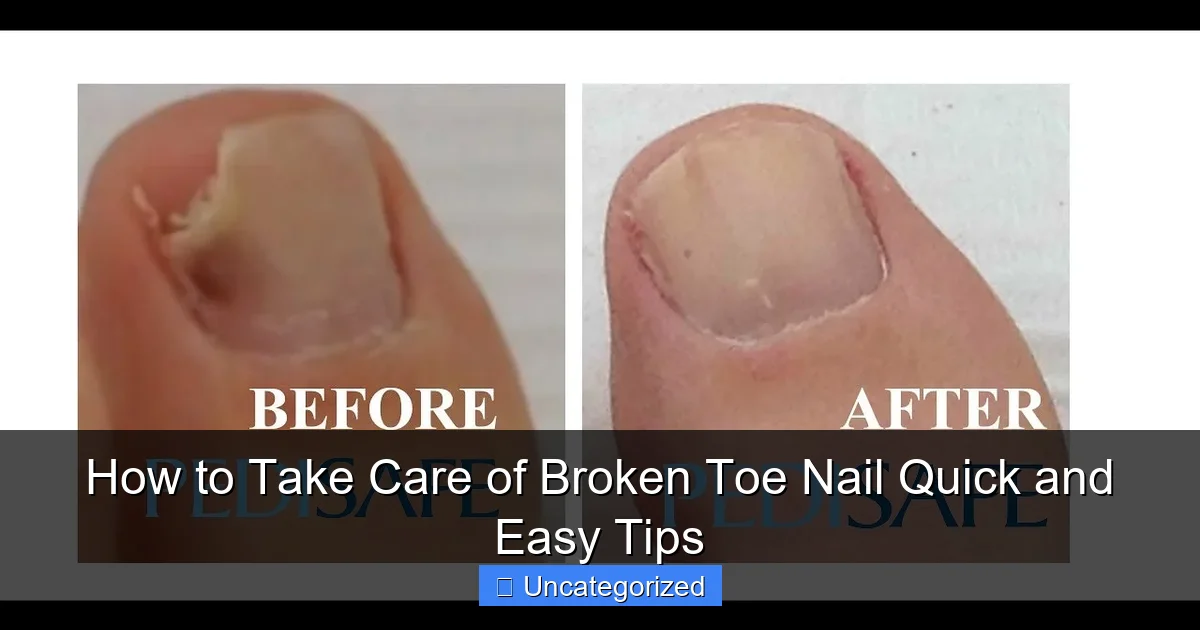
Managing pain and swelling is a top priority when dealing with a broken toe nail. The discomfort can interfere with walking, sleeping, and even simple tasks like standing in the kitchen. Fortunately, several proven strategies can help you stay comfortable during the healing process. The goal is to reduce inflammation, numb the area, and prevent secondary complications like bruising or infection.
Visual guide about how to take care of broken toe nail
Image source: i.ytimg.com
Home Remedies for Pain and Swelling
For mild to moderate pain, over-the-counter (OTC) medications like ibuprofen (Advil) or acetaminophen (Tylenol) can be effective. Ibuprofen has anti-inflammatory properties, making it ideal for reducing both pain and swelling, while acetaminophen is better suited for pain relief without affecting inflammation. Always follow the dosage instructions on the label and avoid mixing medications without consulting a doctor.
Another powerful tool is the R.I.C.E. method (Rest, Ice, Compression, Elevation):
- Rest: Avoid putting weight on the injured toe. Use crutches or a walking boot if necessary.
- Ice: Apply a cold pack for 15–20 minutes every 2–3 hours during the first 48 hours. Never place ice directly on the skin—wrap it in a thin towel.
- Compression: Wrap the foot with a soft elastic bandage to limit swelling. Ensure it’s not too tight, as this can restrict blood flow.
- Elevation: Keep your foot above heart level as much as possible to encourage fluid drainage.
For natural pain relief, consider soaking your foot in an Epsom salt bath. Mix 1–2 cups of Epsom salt in warm (not hot) water and soak for 15–20 minutes, 2–3 times daily. The magnesium in Epsom salt may help reduce inflammation, and the warm water can relax tense muscles. Add a few drops of tea tree oil for its antiseptic properties, but avoid this if you have sensitive skin.
When to Use Topical Treatments
Topical treatments can provide localized relief and protect the injured area. For example:
- Topical analgesics like lidocaine gel or menthol-based creams (e.g., Bengay) can numb the area temporarily. Apply sparingly to the skin around the nail, not directly on open wounds.
- Antibiotic ointments (e.g., Neosporin) help prevent infection if the skin is broken. Use a small amount after cleaning the area.
- Hydrocortisone cream may reduce itching or irritation if the surrounding skin becomes inflamed, but only use it short-term and under medical guidance.
One practical example: Sarah, a 34-year-old teacher, broke her big toenail after tripping on a classroom rug. She used ibuprofen, ice packs, and an Epsom salt soak twice daily. By day three, her pain had subsided significantly, and she was able to walk with minimal discomfort by wearing open-toed sandals at home.
Preventing Infection and Promoting Healing
One of the biggest risks with a broken toe nail is infection. The nail bed—the sensitive tissue beneath the nail—is vulnerable to bacteria and fungi, especially if the nail is partially detached or the skin is broken. Preventing infection not only speeds up healing but also avoids complications like cellulitis or abscess formation.
Cleaning and Disinfecting the Area
Proper hygiene is non-negotiable. Follow these steps daily:
- Wash the foot with mild soap and warm water, gently scrubbing around the broken nail with a soft-bristled brush.
- Rinse thoroughly and pat dry with a clean towel. Never rub the area, as this can irritate the nail bed.
- Apply an antiseptic like hydrogen peroxide (3% solution) or povidone-iodine (Betadine). These kill bacteria but should not be used long-term, as they can damage healing tissue.
- Cover with a sterile bandage to protect the area. Change the bandage at least once daily or whenever it gets wet or dirty.
For added protection, use a breathable, non-stick dressing (e.g., Telfa pad) under the bandage. This prevents the bandage from sticking to the nail and reduces pain during changes.
Choosing the Right Footwear During Recovery
Your shoes can make or break (pun intended) the healing process. Avoid tight, narrow, or high-heeled shoes that press on the injured toe. Instead, opt for:
- Open-toed sandals (e.g., Birkenstocks) for indoor use.
- Wide-toe-box shoes with soft, flexible soles (e.g., New Balance, Brooks) for outdoor wear.
- Protective toe caps or gel toe sleeves if you must wear closed shoes. These cushion the toe and reduce pressure.
For example, Mark, a construction worker, used a gel toe sleeve and wore steel-toed boots with extra padding. This allowed him to continue working safely while his nail healed. He also soaked his foot in Epsom salt nightly, which he credits for preventing infection.
Natural and Medical Support for Healing
To accelerate healing, consider:
- Vitamin E oil: Apply directly to the nail bed to promote tissue repair and reduce scarring.
- Tea tree oil: Diluted with a carrier oil (e.g., coconut oil), it has antifungal and antibacterial properties.
- Prescription antifungals: If a fungal infection is suspected, a doctor may prescribe oral or topical antifungals like terbinafine.
When to See a Doctor: Recognizing Serious Complications
While most broken toe nails heal at home, some situations require professional medical attention. Ignoring warning signs can lead to severe complications, including bone infections (osteomyelitis) or permanent nail damage.
Warning Signs That Demand Medical Attention
Seek immediate care if you experience any of the following:
- Severe pain or swelling that worsens after 48 hours.
- Pus or foul-smelling discharge from the nail bed, indicating infection.
- Red streaks spreading from the toe toward the foot or leg (a sign of lymphangitis).
- Numbness or tingling, which may suggest nerve damage.
- Fever or chills, as these signal a systemic infection.
- A completely detached nail with exposed nail bed—this may require stitches or a skin graft.
Common Medical Treatments
Depending on the severity, a doctor may:
- Drain fluid or pus from under the nail (a procedure called nail trephination).
- Prescribe oral antibiotics (e.g., cephalexin) for infections.
- Remove the entire nail if it’s severely damaged or causing ongoing pain.
- Order an X-ray to check for fractures in the toe bone (phalanges).
For instance, Emily, a 28-year-old dancer, ignored her broken nail for a week, hoping it would heal. By the time she saw a doctor, she had developed cellulitis and needed IV antibiotics. Her recovery took six weeks instead of the typical 2–3 weeks. This underscores the importance of timely medical care.
Special Considerations for High-Risk Individuals
Some people are more vulnerable to complications:
- Diabetics: Poor circulation and neuropathy increase infection risk. Even minor injuries require prompt attention.
- Elderly individuals: Slower healing and thinner skin make infections more likely.
- Immunocompromised patients: Conditions like HIV or chemotherapy weaken the immune system.
If you fall into any of these categories, consult a healthcare provider within 24–48 hours of the injury.
Long-Term Care and Prevention Strategies
Once your broken toe nail has healed, it’s time to focus on preventing future injuries. A proactive approach can save you from recurring pain and downtime.
Nutrition for Strong, Healthy Nails
Your diet plays a significant role in nail health. Key nutrients include:
- Biotin (Vitamin B7): Found in eggs, nuts, and whole grains. Biotin supplements (10–20 mg daily) may strengthen nails.
- Protein: Nails are made of keratin, a protein. Include lean meats, beans, and tofu in your diet.
- Zinc: Found in shellfish, pumpkin seeds, and spinach. Zinc deficiency can cause brittle nails.
- Omega-3 fatty acids: Found in salmon, flaxseeds, and walnuts. These reduce inflammation and improve nail flexibility.
Footwear and Activity Adjustments
Prevention starts with your shoes:
- Measure your feet annually—shoe size can change over time.
- Choose shoes with a wide toe box and good arch support.
- Replace worn-out shoes every 6–12 months (or sooner if you’re a runner).
- Wear protective footwear during high-risk activities (e.g., construction work, sports).
Regular Foot Care Routine
Incorporate these habits into your weekly routine:
- Trim nails straight across to prevent ingrown nails. Use sharp, clean clippers.
- Moisturize daily with a foot cream containing urea or lactic acid.
- Inspect feet regularly for cuts, blisters, or discoloration.
- See a podiatrist annually if you have a history of nail problems.
Summary of Care Tips and Healing Timeline
To wrap up, here’s a quick reference table summarizing the key steps and expected healing timeline for a broken toe nail:
| Stage | Action | Timeline | Notes |
|---|---|---|---|
| Immediate (0–24 hours) | Clean, ice, elevate, trim jagged edges | First day | Stop bleeding and reduce swelling |
| Early Recovery (1–7 days) | Antibiotic ointment, Epsom salt soaks, R.I.C.E. | Days 1–7 | Monitor for infection |
| Mid-Recovery (1–2 weeks) | Reduce bandage use, wear open shoes, gentle movement | Days 7–14 | Gradually resume normal activities |
| Long-Term (2–6 weeks) | Nutrition, footwear adjustments, nail regrowth | 2–6 weeks | Full nail regrowth: 6–12 months |
| Prevention (Ongoing) | Proper footwear, foot hygiene, diet | Lifelong | Prevent future injuries |
Remember, every injury is unique. While most broken toe nails heal within 2–6 weeks, full regrowth takes 6–12 months. By following these quick and easy tips—from immediate care to long-term prevention—you can ensure a smooth recovery and keep your feet healthy for years to come. Whether it’s choosing the right shoes, soaking your foot in Epsom salt, or knowing when to call a doctor, proactive care is your best defense. Don’t let a broken nail slow you down—take charge of your foot health today.
Frequently Asked Questions
How do I take care of a broken toe nail at home?
To take care of a broken toe nail at home, start by soaking your foot in warm water with Epsom salt for 15-20 minutes to reduce swelling. Gently dry the area, apply an antiseptic, and cover it with a clean bandage to prevent infection.
What should I do if my broken toe nail is bleeding?
If your broken toe nail is bleeding, apply gentle pressure with a clean cloth to stop the bleeding. Once it stops, clean the area with mild soap, apply an antibiotic ointment, and protect it with a sterile bandage.
How can I prevent infection in a broken toe nail?
To prevent infection in a broken toe nail, keep the area clean and dry, and change the bandage daily. Avoid walking barefoot and wear open-toed shoes to reduce pressure and irritation on the nail.
Is it normal for a broken toe nail to turn black or discolored?
Yes, it’s common for a broken toe nail to turn black or discolored due to blood pooling under the nail (hematoma). This usually resolves on its own, but see a doctor if the pain worsens or the discoloration spreads.
When should I see a doctor for a broken toe nail?
See a doctor for a broken toe nail if you experience severe pain, signs of infection (like pus or redness), or if the nail is partially detached. Professional care ensures proper treatment and prevents complications.
How long does it take for a broken toe nail to heal?
A broken toe nail typically takes 6-8 weeks to heal, depending on the severity. Toenails grow slowly, so patience and proper care are key to a full recovery.