
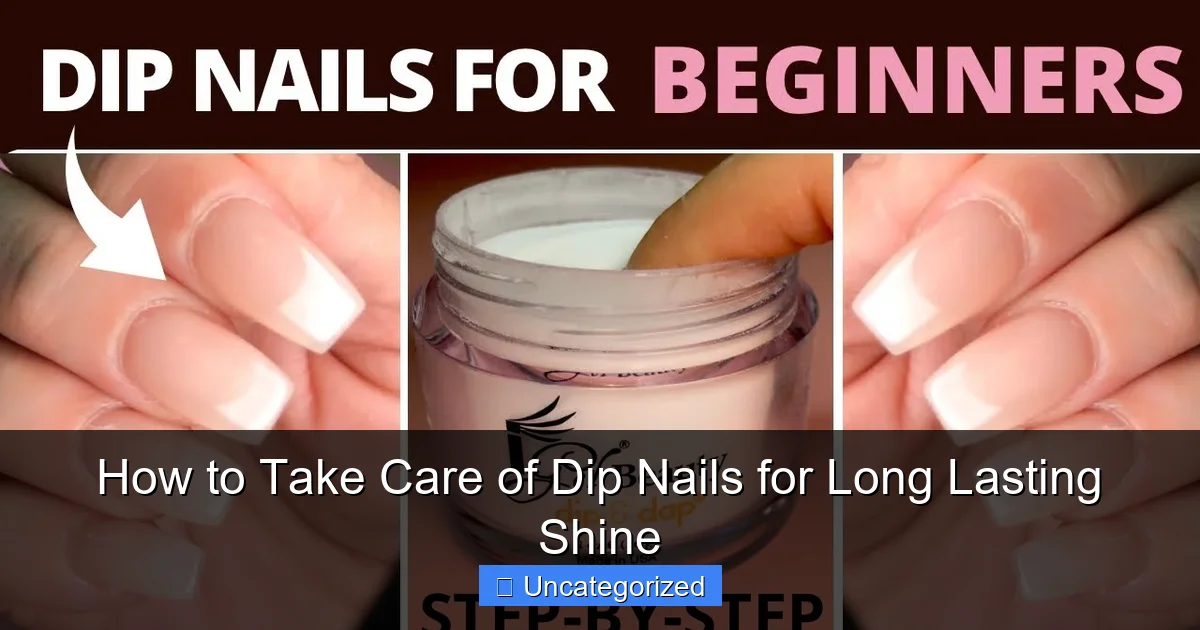
Featured image for how to take care of dip nails
Image source: i.ytimg.com
Proper aftercare is essential to maximize the lifespan and shine of your dip nails. Avoid prolonged water exposure and always wear gloves during chores to prevent lifting and maintain that salon-quality luster for up to 3–4 weeks. Regular cuticle oil and gentle handling will keep your dip manicure looking flawless longer.
Key Takeaways
- Moisturize cuticles daily: Use cuticle oil to prevent dryness and maintain nail health.
- Wear gloves when cleaning: Protect nails from harsh chemicals and water exposure.
- Avoid using nails as tools: Prevent chipping by not prying or scratching objects.
- Reapply top coat weekly: Enhance shine and extend the life of your dip nails.
- Limit water exposure: Minimize soaking nails to avoid lifting and damage.
- Visit a pro for fills: Ensure proper maintenance and longevity with expert touch-ups.
📑 Table of Contents
- How to Take Care of Dip Nails for Long Lasting Shine
- Understanding the Dip Nail Process and Structure
- Daily Maintenance for Optimal Longevity
- Preventing Common Issues: Lifting, Chipping, and Cracks
- Professional Care: When and How to Visit the Salon
- Advanced Tips for DIY Enthusiasts and Long-Term Wear
- Conclusion: Shine Bright with Smart Dip Nail Care
How to Take Care of Dip Nails for Long Lasting Shine
There’s something undeniably satisfying about a fresh set of dip powder nails. The flawless finish, the vibrant color options, and the long-lasting wear make them a favorite among nail enthusiasts and professionals alike. Unlike traditional nail polishes that chip within days, dip nails can last up to three to four weeks with proper care. But here’s the catch: their longevity isn’t magic—it’s science and maintenance working hand in hand. Whether you’re a seasoned dip nail veteran or just considering your first set, understanding how to care for your dip nails is the key to preserving their shine, strength, and beauty.
Dip powder nails have surged in popularity due to their durability, non-toxic application, and minimal odor. The process involves bonding a colored powder to the nail using a resin-based activator, creating a hard, protective shell. While this method is more resilient than regular polish, it still requires attention to detail to prevent lifting, chipping, or premature wear. The good news? With the right habits and a few simple routines, you can extend the life of your dip nails, keep them looking salon-fresh, and avoid the dreaded “nail crisis” halfway through the month. In this guide, we’ll dive deep into the best practices for maintaining your dip nails, from daily care to professional upkeep, ensuring they stay glossy, strong, and stunning.
Understanding the Dip Nail Process and Structure
How Dip Nails Are Applied
The foundation of long-lasting dip nails begins with the application process. Unlike gel or acrylic nails, dip powder nails use a layered bonding system that combines a base coat, activator, and colored powder. The process typically follows these steps:
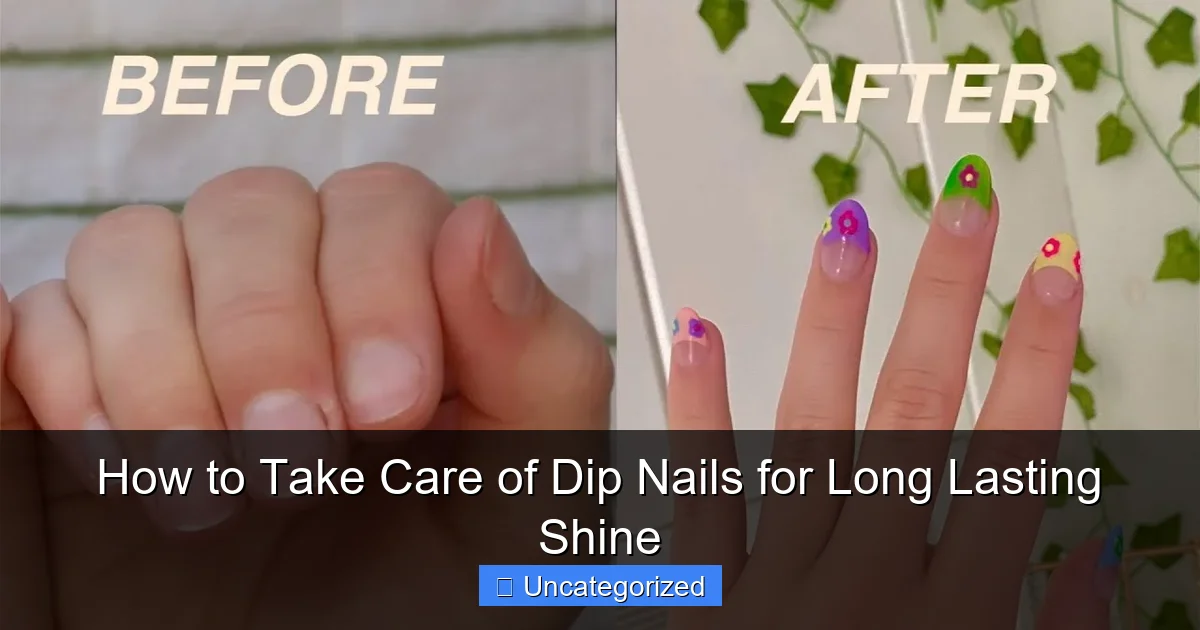
Visual guide about how to take care of dip nails
Image source: i.ytimg.com
- Step 1: Nail prep—cuticles are pushed back, the nail plate is gently buffed, and a dehydrator or primer is applied to ensure adhesion.
- Step 2: Base coat is brushed on, and the nail is dipped into colored powder, creating the first layer.
- Step 3: An activator is applied to harden the powder and bond it to the nail.
- Step 4: Additional layers of powder and activator are applied for full coverage and thickness.
- Step 5: The nail is shaped, buffed, and sealed with a top coat for shine and protection.
This layered structure is what gives dip nails their strength and longevity. However, the success of this process depends heavily on proper nail prep and technique. A poorly prepped nail—even with high-quality products—can lead to lifting and premature wear.
Why Dip Nails Last Longer Than Regular Polish
Traditional nail polish relies on solvents and pigments that evaporate as the polish dries, leaving a thin, flexible film. While convenient, this film is prone to chipping, smudging, and peeling. In contrast, dip powder nails form a rigid, polymer-based layer that chemically bonds to the nail. This bond is more resistant to water, oils, and physical stress. Additionally, the absence of UV light (unlike gel nails) makes dip powder safer for those concerned about UV exposure.
Another advantage is the non-porous nature of cured dip powder. Once the activator hardens the powder, it creates a seal that prevents moisture from penetrating the nail plate—reducing the risk of fungal infections and nail weakening. However, this seal also means that improper removal (like peeling or picking) can damage the natural nail underneath.
Daily Maintenance for Optimal Longevity
Moisturize, But Avoid the Cuticle Area
One of the most common misconceptions about dip nail care is that moisturizing the nails and cuticles is harmful. The truth? Moisturizing the skin around the nails is essential, but you must be strategic. The dip powder layer is non-porous, so applying oil or lotion directly to the nail surface can break down the seal over time, leading to lifting.
Pro Tip: Use a cuticle oil or hand cream only on the skin around the nail—never on the nail plate itself. Apply 1–2 times daily, especially after washing your hands. Look for oils with natural ingredients like jojoba, argan, or vitamin E. For example, CND Solar Oil or Essie Apricot Cuticle Oil are excellent choices that absorb quickly without leaving a greasy residue.
Wear Gloves During Household Chores
Water, detergents, and cleaning chemicals are the arch-enemies of dip nails. Prolonged exposure to water can soften the natural nail, weakening the bond between the nail and the dip layer. Harsh chemicals in dish soap or bathroom cleaners can degrade the top coat, causing dullness and micro-cracks.
Solution: Always wear rubber or latex gloves when doing dishes, cleaning, or gardening. For added protection, choose gloves with a cotton lining to prevent sweating and moisture buildup. If you forget and notice your nails have been submerged for too long (e.g., after a long shower), pat them dry with a soft towel and apply a quick-drying top coat to reseal the surface.
Use a Top Coat Weekly for Shine and Protection
Even the most durable dip nails can lose their shine over time due to friction, UV exposure, and daily wear. To combat this, apply a fresh layer of top coat every 5–7 days. This not only restores the high-gloss finish but also adds a protective barrier against scratches and chips.
Recommended Products:
- OPI Drip Dry Top Coat – Dries quickly and adds intense shine.
- Kiara Sky Dip Top Coat – Specifically formulated for dip powder nails.
- Essie Gel Setter Top Coat – Offers a gel-like finish without UV light.
Apply the top coat in thin, even layers, making sure to cap the free edge (the tip of the nail) to prevent water from seeping underneath.
Preventing Common Issues: Lifting, Chipping, and Cracks
Why Lifting Happens and How to Stop It
Nail lifting—when the dip layer separates from the natural nail—is one of the most frustrating issues with dip powder. It usually occurs within the first 7–10 days and can lead to bacteria buildup and further damage. The primary causes include:
- Improper nail prep: Oily or unclean nail plates prevent adhesion.
- Excessive moisture: Frequent hand washing or swimming without protection.
- Trauma: Using nails as tools (e.g., opening cans, scratching).
Prevention Tips:
- Always use a nail dehydrator or primer before application.
- Avoid submerging nails in water for more than 15–20 minutes at a time.
- Never pick or peel at the edges—this weakens the bond and can tear the natural nail.
If you notice slight lifting, don’t panic. Gently file the loose area with a 180-grit buffer and apply a drop of nail glue or dip base coat to reseal it. Then, apply a fresh top coat.
Dealing with Chips and Cracks
Chips and cracks are less common with dip nails than with regular polish, but they can still occur due to impact or poor application. A chip usually starts at the free edge or sidewall (side of the nail).
Quick Fix: Use a dip powder repair kit or a clear dip powder and activator. Lightly buff the chipped area, apply a base coat, dip into clear powder, and seal with activator and top coat. For minor surface scratches, a fine buffer (240+ grit) and a fresh top coat can often restore the shine.
Prevention: Avoid activities that put stress on the nails, like typing with fingertips or carrying heavy objects. Consider shorter nail lengths for high-activity lifestyles—shorter nails are less prone to breakage.
Protecting Against UV and Heat Damage
While dip powder doesn’t require UV curing, prolonged sun exposure can still cause discoloration and weakening of the top coat. UV rays break down the polymers in the finish, leading to yellowing and loss of shine.
Tip: Apply a UV-protective top coat if you spend a lot of time outdoors. Brands like Seche Vite and Zoya Armor Top Coat contain UV inhibitors. Also, avoid using hot tools (like curling irons or blow dryers) directly on the nails—heat can soften the dip layer and cause warping.
Professional Care: When and How to Visit the Salon
Signs It’s Time for a Fill or Removal
Dip nails typically last 3–4 weeks, but their lifespan depends on your nail growth rate and lifestyle. Here are clear signs it’s time for professional care:
- Visible growth at the cuticle: When the natural nail grows out more than 2–3 mm, the gap can trap bacteria and weaken the bond.
- Chipping or lifting that spreads: If a small chip grows larger, it’s best to address it before it causes damage.
- Discoloration or dullness: A professional buff and polish can restore shine.
- Desire for a new color or design: A fill involves removing the old dip layer and reapplying fresh powder.
Never remove dip nails at home by peeling or soaking in acetone for too long. Improper removal can damage the nail bed and lead to thinning or brittleness.
What to Expect During a Fill or Removal
Fills: A technician will file down the existing dip layer, prep the new growth, and reapply fresh powder. This process takes about 30–45 minutes and extends the life of your nails by another 2–3 weeks.
Removal: The safest method is buffing—a technician uses a file to gently remove the dip layer. If needed, they may apply a soak-off solution (like a dip-specific remover) for 10–15 minutes, followed by light scraping. Avoid acetone soaks longer than 20 minutes, as they can dehydrate the natural nail.
Aftercare: After removal, your nails will be thinner. Apply a strengthening treatment (e.g., OPI Nail Envy or Nails Inc. NailKale Superfood) for 1–2 weeks to restore strength and hydration.
Advanced Tips for DIY Enthusiasts and Long-Term Wear
DIY Dip Nail Care Kit: Must-Have Tools
If you maintain your dip nails at home or do them yourself, having the right tools makes all the difference. Here’s a curated list of essentials:
| Tool | Purpose | Recommended Product |
|---|---|---|
| Glass Nail File | Gentle shaping without fraying | Emjoi Micro Nail File |
| 180/240 Grit Buffer | Smoothing and prep | MelodySusie Buffer Block |
| Cuticle Pusher | Prep and maintenance | Revlon Pushy Cuticle Pusher |
| Dip Powder Base & Activator | Repairs and fills | Kiara Sky Dip System |
| Top Coat with UV Protection | Shine and longevity | Seche Vite Dry Fast Top Coat |
| Cuticle Oil Pen | On-the-go hydration | OPI ProSpa Cuticle Oil Pen |
Extending Wear with Smart Habits
Beyond products, your daily habits play a huge role in how long your dip nails last. Try these advanced strategies:
- Keep nails dry after application: Avoid water for at least 2 hours post-application to let the seal fully harden.
- Use a nail strengthener between sets: Apply a treatment like Hard as Hoof or Barielle Nail Strengthener during your natural nail break.
- Rotate activities: If you’re doing a lot of typing, switch to a wrist rest to reduce fingertip pressure.
- Store products properly: Keep base and activator bottles tightly closed and away from heat to prevent thickening.
Seasonal Adjustments for Dip Nails
Different seasons bring different challenges:
- Winter: Cold, dry air can dehydrate nails. Use a heavier cuticle cream and wear gloves outdoors.
- Summer: Increased water exposure (swimming, showers) demands more frequent top coat applications. Rinse nails after swimming to remove chlorine.
- Spring/Fall: Humidity changes can affect adhesion. Ensure your salon uses a high-quality dehydrator.
Conclusion: Shine Bright with Smart Dip Nail Care
Taking care of dip nails isn’t about complex routines or expensive products—it’s about consistency, awareness, and a little bit of love. From the moment your nails are applied, your daily habits shape their lifespan. By moisturizing the right areas, protecting them from water and chemicals, and addressing issues early, you can enjoy 3–4 weeks of flawless, chip-free nails that turn heads and boost confidence.
Remember, dip nails are durable but not indestructible. They thrive when treated with care and respect. Whether you’re a DIY enthusiast or a salon regular, the principles remain the same: prep, protect, and preserve. Use the tips and tools outlined in this guide to keep your dip nails strong, shiny, and stunning. And when in doubt, don’t hesitate to visit a professional—your nails (and your sanity) will thank you.
With the right care, your dip nails won’t just last—they’ll outshine. So go ahead, flaunt your flawless finish, and let your nails tell a story of strength, style, and smart maintenance. After all, beautiful nails start with great habits.
Frequently Asked Questions
How do I make my dip nails last longer?
To extend the wear of your dip nails, avoid prolonged water exposure and always wear gloves during chores. Applying a high-quality top coat every few days can also help maintain their shine and durability.
Can I remove dip nails at home without damaging my natural nails?
Yes, you can remove dip nails at home by soaking them in acetone for 10–15 minutes and gently pushing off the softened layers with a cuticle stick. Avoid peeling or forcing them off to prevent weakening your natural nails.
How to take care of dip nails to prevent lifting?
Prevent lifting by keeping your nails dry and oil-free, especially after washing hands or showering. Use cuticle oil daily to maintain adhesion, and avoid picking at the edges to keep the seal intact.
Why do my dip nails lose shine after a few days?
Dip nails lose shine due to exposure to harsh chemicals, water, or daily wear. Buff the surface lightly and apply a fresh top coat to restore the glossy finish.
How often should I moisturize my cuticles with dip nails?
Moisturize your cuticles and surrounding skin with cuticle oil at least once daily to keep them hydrated and prevent dryness. This also helps maintain the health of your natural nails under the dip powder layers.
Can I use regular nail polish with dip nails?
Yes, you can apply regular nail polish over dip nails, but always use a non-acetone remover to avoid damaging the base. Avoid thick layers to prevent chipping and maintain the longevity of your dip manicure.