
Featured image for how to take care of hands and nails
Image source: 1.bp.blogspot.com
Moisturize daily and wear gloves during chores to protect your hands from dryness and damage—this is the cornerstone of healthy skin and strong nails. Trim, file, and gently push back cuticles regularly to maintain neat nails and stimulate growth, while using a nourishing cuticle oil to prevent cracking and hangnails.
Key Takeaways
- Moisturize daily: Apply hand cream after washing to lock in hydration.
- Wear gloves: Protect hands from harsh chemicals and cold weather.
- Trim nails regularly: Keep them short and clean to prevent breakage.
- Use cuticle oil: Nourish cuticles to promote strong, healthy nail growth.
- Avoid harsh soaps: Choose gentle, pH-balanced cleansers to prevent dryness.
- Exfoliate weekly: Remove dead skin with a scrub for smoother hands.
📑 Table of Contents
- The Foundation of Beauty: Caring for Your Hands and Nails
- Understanding Hand and Nail Anatomy and Common Problems
- Daily Hand and Nail Care Routine: Building Healthy Habits
- Nutrition and Hydration: Fueling Healthy Hands from Within
- Professional Treatments and Advanced Care
- Lifestyle Adjustments and Long-Term Maintenance
- Conclusion: Your Hands Deserve the Best
The Foundation of Beauty: Caring for Your Hands and Nails
Our hands are among the most visible and hardworking parts of our bodies. From typing on a keyboard and opening doors to expressing ourselves through gestures, they are constantly in motion. Yet, despite their importance, hands are often neglected in our daily skincare routines. The same applies to our nails, which not only serve a functional purpose but also contribute significantly to our overall appearance. Whether you’re a busy professional, a parent juggling multiple tasks, or simply someone who wants to maintain a polished look, taking care of your hands and nails is essential for both health and beauty.
Healthy hands and nails are more than just a cosmetic concern. They reflect your overall well-being, with signs of dryness, cracking, or nail abnormalities often indicating underlying health issues such as nutrient deficiencies, hormonal imbalances, or even autoimmune conditions. According to the American Academy of Dermatology, over 50% of adults experience some form of hand dermatitis, and brittle nails affect nearly 20% of the population. The good news? With a consistent and thoughtful care routine, you can prevent most common hand and nail problems and maintain soft, smooth, and strong skin and nails year-round. This comprehensive guide will walk you through everything you need to know about how to take care of hands and nails, from daily habits to professional treatments and everything in between.
Understanding Hand and Nail Anatomy and Common Problems
The Science Behind Healthy Skin and Nails
To effectively care for your hands and nails, it’s essential to understand their structure. The skin on your hands is thinner and more delicate than on other parts of the body, with fewer sebaceous (oil) glands, making it more prone to dryness and sensitivity. The nail itself is composed of keratin, a tough protein that forms the nail plate, which rests on the nail bed. The cuticle—the thin layer of skin at the base of the nail—acts as a protective barrier against bacteria and fungi. The lunula, the crescent-shaped area at the base of the nail, is the visible part of the nail matrix where new nail cells are produced.
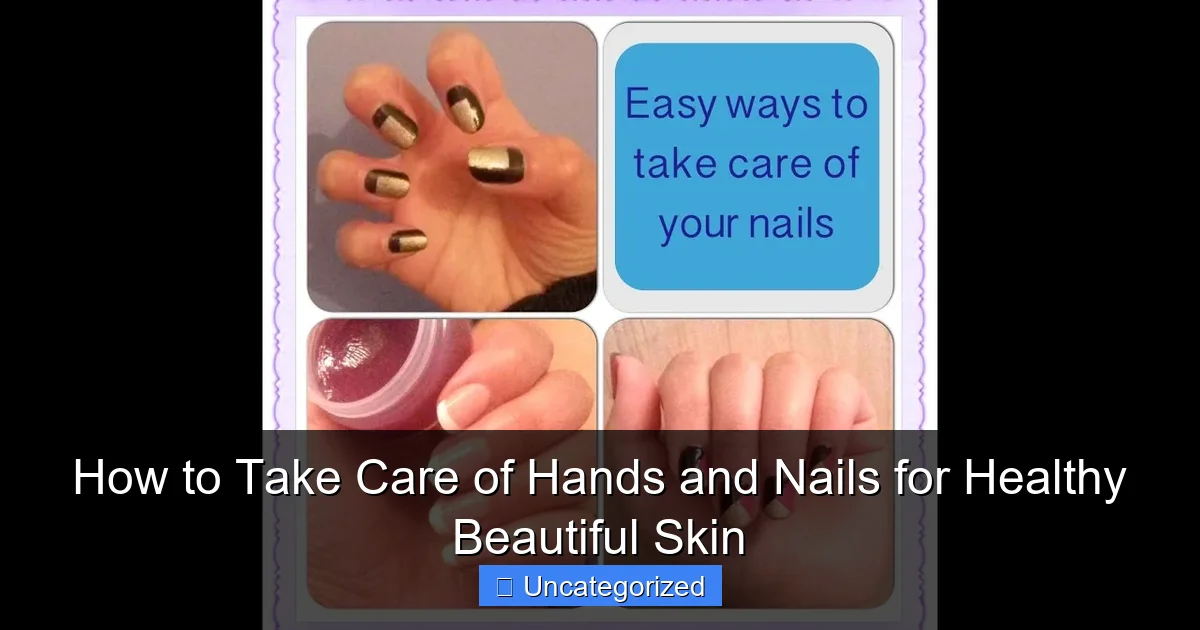
Visual guide about how to take care of hands and nails
Image source: i.ytimg.com
Each day, your fingernails grow about 3 millimeters, while toenails grow about 1 millimeter. This growth is influenced by factors such as age, nutrition, health status, and even the seasons (nails tend to grow faster in summer). Understanding this biology helps explain why certain habits—like frequent handwashing or exposure to harsh chemicals—can have a disproportionate impact on hand and nail health.
Common Hand and Nail Issues and Their Causes
- Dry, Cracked Skin: Caused by low humidity, frequent water exposure, harsh soaps, and aging. The skin loses its natural oils, leading to flaking, itching, and fissures.
- Brittle Nails: Often due to repeated wetting and drying, vitamin deficiencies (especially biotin and iron), and aging. Nails may split, peel, or break easily.
- Hangnails: Small tears in the cuticle, usually from dryness, picking, or nail biting. These can become infected if not treated properly.
- Nail Discoloration: Yellowing can indicate fungal infections, smoking, or use of dark nail polish without a base coat. White spots (leukonychia) are usually harmless and result from minor trauma.
- Paronychia: An infection of the nail fold, often caused by bacteria or fungi entering through cuts or hangnails. Symptoms include redness, swelling, and pain.
- Eczema and Contact Dermatitis: Chronic conditions triggered by allergens (like fragrances or latex) or irritants (like detergents), leading to itchy, red, and inflamed skin.
For example, a nurse who washes her hands 30+ times a day may develop severe dryness and contact dermatitis if not using protective gloves and moisturizers. Similarly, a chef exposed to constant heat, steam, and cleaning agents may experience brittle nails and cuticle damage. Recognizing these patterns is the first step in prevention.
Daily Hand and Nail Care Routine: Building Healthy Habits
Step 1: Gentle Cleansing and Protection
Start by rethinking your handwashing habits. While hygiene is crucial, over-washing with hot water and harsh soaps strips the skin of its natural oils. Use lukewarm water and a gentle, fragrance-free cleanser (like CeraVe Hydrating Cleanser or Eucerin Skin Calming Wash). Avoid antibacterial soaps unless necessary—they often contain triclosan, which can be drying.
Wear gloves during chores involving water or chemicals:
– Use cotton-lined rubber gloves for dishwashing
– Wear nitrile gloves when using bleach or cleaning products
– Use gardening gloves to protect against soil, thorns, and fertilizers
Step 2: Moisturizing: The Most Important Step
Moisturize your hands at least 3-5 times daily—especially after washing. Look for creams containing:
– Occlusives (petrolatum, lanolin) to seal in moisture
– Humectants (glycerin, hyaluronic acid) to attract water
– Emollients (ceramides, squalane) to smooth skin
Pro tip: Apply a thick layer of hand cream (like O’Keeffe’s Working Hands or La Roche-Posay Cicaplast) at night and wear cotton gloves to enhance absorption. This “occlusive therapy” can dramatically improve dry, cracked skin in just a few days.
Step 3: Nail and Cuticle Care
- Trim nails weekly with clean clippers, cutting straight across to prevent ingrown nails. Round the corners slightly to reduce snagging.
- File gently with a glass or crystal file in one direction to prevent splitting. Avoid metal files, which can cause micro-tears.
- Push back cuticles after a shower when they’re soft. Use a cuticle pusher (like the Tweezerman Cuticle Pusher), but never cut them—this increases infection risk.
- Apply cuticle oil (containing jojoba or almond oil) daily. Massage it in to improve circulation and prevent hangnails.
Step 4: Sun Protection for Hands
Your hands are constantly exposed to UV rays, which can cause:
– Age spots (solar lentigines)
– Wrinkles and loss of elasticity
– Increased skin cancer risk
Apply a broad-spectrum SPF 30+ (like EltaMD UV Clear or Supergoop! Unseen Sunscreen) to the backs of your hands every morning. Reapply after washing. For outdoor activities, wear UV-protective gloves or use a sunscreen spray for convenience.
Nutrition and Hydration: Fueling Healthy Hands from Within
Key Nutrients for Skin and Nail Health
What you eat directly impacts your hands and nails. Deficiencies in certain nutrients manifest as visible signs:
– Biotin (Vitamin B7): Essential for keratin production. Deficiency causes brittle nails. Found in eggs, nuts, and whole grains. Consider a biotin supplement (2.5 mg/day) if prone to splitting.
Hydration: The Overlooked Hero
Dehydration causes dry, flaky skin and weak nails. Aim for 2-3 liters of water daily, adjusting for activity level and climate. Signs of dehydration include:
– Dark urine
– Dry mouth
– Tiredness
– Dull, lifeless skin
Example: A 2022 study in the Journal of Clinical and Aesthetic Dermatology found that participants who increased water intake by 1.5 liters/day saw significant improvements in skin hydration within 4 weeks.
Supplements: When Diet Isn’t Enough
Consider these evidence-based supplements for hand and nail care:
– Multivitamin with B-complex: Covers baseline needs
– Omega-3 capsules (1,000 mg EPA/DHA): For dry skin
– Hyaluronic acid (120 mg): Improves skin moisture
– Zinc (15-30 mg): Supports wound healing and nail growth
Caution: Always consult a healthcare provider before starting supplements, especially if pregnant or on medications.
Professional Treatments and Advanced Care
At-Home Spa Treatments
Enhance your routine with these DIY treatments:
– Exfoliating Scrub: Mix 1 tbsp sugar, 1 tbsp olive oil, and 1 tsp lemon juice. Massage for 2 minutes, then rinse. Do weekly to remove dead skin.
Professional Services
| Treatment | Benefits | Frequency | Cost (Avg.) |
|---|---|---|---|
| Manicure | Exfoliation, cuticle care, nail shaping, polish | Every 2-3 weeks | $20-$40 |
| Paraffin Wax | Deep hydration, improved circulation | Monthly | $30-$50 |
| Chemical Peel | Reduces age spots, improves texture | Every 4-6 weeks | $75-$150 |
| LED Therapy | Reduces inflammation, boosts collagen | Series of 6-8 sessions | $50-$100/session |
| Microneedling | Stimulates collagen, treats scars | 3-6 sessions | $200-$500/session |
Note: Always choose licensed professionals and ensure tools are sterilized. Avoid salons that don’t follow proper sanitation protocols to prevent infections.
Medical Interventions for Severe Cases
For chronic conditions, dermatologists may recommend:
– Prescription creams: Topical steroids for eczema, antifungals for nail infections
– Oral medications: Antibiotics for severe paronychia, antifungals for onychomycosis
– Phototherapy: For psoriasis or severe eczema
– Nail avulsion: Surgical removal of damaged nails to treat infections
Example: A patient with chronic hand eczema might use a combination of tacrolimus (non-steroid cream) and weekly bleach baths to control flare-ups.
Lifestyle Adjustments and Long-Term Maintenance
Protecting Hands in Challenging Environments
- Winter Care: Use humidifiers indoors to combat dry air. Wear lined gloves in cold weather. Apply hand cream before going outside.
- Summer Care: Reapply sunscreen hourly when swimming or sweating. Wear wide-brimmed hats to shade hands.
- Workplace Safety: Use barrier creams (like Gloves in a Bottle) for jobs with frequent handwashing. Advocate for safer cleaning products in the workplace.
Breaking Bad Habits
Common habits that damage hands and nails:
– Nail biting: Spreads bacteria, causes infections. Try bitter-tasting polish (like Mavala Stop) or fidget toys as alternatives.
Seasonal Maintenance Tips
Adjust your routine with the seasons:
– Spring: Focus on exfoliation to remove winter dryness. Start UV protection.
– Summer: Prioritize sun protection and hydration. Use lighter, fast-absorbing lotions.
– Fall: Begin heavy moisturizing. Address any sun damage with serums (like vitamin C).
– Winter: Use occlusive creams and gloves. Consider humidifiers.
Conclusion: Your Hands Deserve the Best
Taking care of your hands and nails isn’t just about vanity—it’s a vital part of self-care that impacts your comfort, confidence, and even your health. From understanding the science behind skin and nail structure to building a daily routine, optimizing your nutrition, exploring professional treatments, and making smart lifestyle choices, every step you take contributes to stronger, healthier, and more beautiful hands.
Remember, consistency is key. Small, daily habits—like applying hand cream after washing, wearing gloves during chores, and staying hydrated—add up over time. Don’t wait for problems to arise; preventive care is always more effective than damage control. Whether you’re treating dry winter skin, strengthening brittle nails, or simply maintaining a polished appearance, the tips in this guide provide a comprehensive roadmap for success.
Your hands tell a story—of your work, your passions, and your care for yourself. By investing time and attention in their health, you’re not just improving their appearance; you’re honoring the essential role they play in your life. Start today by choosing one new habit to adopt: maybe it’s keeping hand cream on your desk, wearing gloves while doing dishes, or scheduling a professional manicure. With patience and persistence, you’ll soon see the difference, and your hands will thank you. After all, when your hands look and feel their best, you feel ready to take on the world—one gesture at a time.
Frequently Asked Questions
How often should I moisturize my hands to keep them soft?
For optimal hand care, apply a rich moisturizer at least 3–4 times daily, especially after washing. Look for ingredients like shea butter or glycerin to lock in hydration and prevent dryness.
What’s the best way to strengthen brittle nails naturally?
Keep nails hydrated with cuticle oil and avoid harsh chemicals; a diet rich in biotin (eggs, nuts) supports nail strength. Regularly applying a nail hardener can also improve resilience over time.
How can I protect my hands during household chores?
Always wear gloves when cleaning or gardening to shield skin from detergents and dirt. Follow up with a nourishing hand cream to maintain moisture—key for how to take care of hands and nails long-term.
Are there quick fixes for dry, cracked hands?
Use a thick overnight hand mask or petroleum jelly with cotton gloves for deep repair. Exfoliate weekly to remove dead skin cells and enhance product absorption.
How do I prevent nail polish from staining my nails?
Always apply a base coat before polish to create a barrier against pigments. Opt for acetone-free removers to minimize drying and damage.
What daily habits help maintain healthy hands and nails?
Wash with lukewarm water, pat dry, and moisturize immediately. Trim nails straight across and push back cuticles gently—simple steps central to effective how to take care of hands and nails routines.