
Featured image for how to take care of nail polish
Image source: i.ytimg.com
Properly sealing your nail polish with a high-quality top coat is the most crucial step to prevent chipping and extend shine. Avoid exposing nails to water, harsh chemicals, or extreme temperatures for at least an hour after application to let the polish fully cure. Store your nail polish in a cool, dark place to prevent thickening and discoloration over time.
Key Takeaways
- Prep nails properly: Clean and dehydrate nails before applying polish for better adhesion.
- Use a base coat: Protects nails and prevents staining while extending polish wear.
- Apply thin, even layers: Prevents streaks and ensures faster, more durable drying.
- Seal with a top coat: Locks in color and adds long-lasting shine and protection.
- Avoid water exposure: Wear gloves during chores to prevent premature chipping.
- Store polish correctly: Keep bottles upright in a cool, dark place to prevent drying.
📑 Table of Contents
- How to Take Care of Nail Polish for Long Lasting Shine
- Prep Like a Pro: The Foundation of a Long-Lasting Manicure
- Master the Application: Techniques for Flawless Polish
- Protect Your Manicure: Daily Habits to Prevent Damage
- Revive and Maintain: Keeping Shine Alive Between Manicures
- Store Polishes Properly: Extend the Life of Your Collection
- Data Table: Top Coats Compared for Longevity
- Conclusion: Shine On, Longer and Brighter
How to Take Care of Nail Polish for Long Lasting Shine
There’s something undeniably satisfying about a fresh coat of nail polish—the vibrant color, the glossy shine, and the way it instantly elevates your confidence. Whether you’re a fan of classic reds, trendy pastels, or bold metallics, a well-applied manicure can make a statement. However, that flawless look doesn’t last forever. Chipping, fading, and dullness often creep in within days, leaving you frustrated and reaching for a touch-up or a full removal. The good news? With the right care and techniques, you can significantly extend the life of your nail polish and keep that salon-quality shine for up to two weeks—or even longer.
Taking care of your nail polish isn’t just about applying it correctly—it’s a holistic approach that spans from prep and application to daily maintenance and storage. From choosing the right base and top coats to protecting your hands from everyday wear and tear, every step plays a role in preserving your manicure. In this guide, we’ll dive deep into the science and art of nail polish longevity. You’ll learn how to prep your nails like a pro, apply polish with precision, protect your manicure from common threats, and even store your polishes to maximize their shelf life. Whether you’re a DIY manicure enthusiast or a salon regular, these tips will help you achieve a long-lasting, high-shine finish that turns heads.
Prep Like a Pro: The Foundation of a Long-Lasting Manicure
The secret to a chip-free manicure starts long before you open your first bottle of polish. Proper nail prep creates a clean, smooth, and slightly textured surface that allows polish to adhere better and resist peeling. Skipping this step is like painting a wall without sanding it first—it might look good at first, but it won’t last. Here’s how to prep your nails like a professional nail technician.
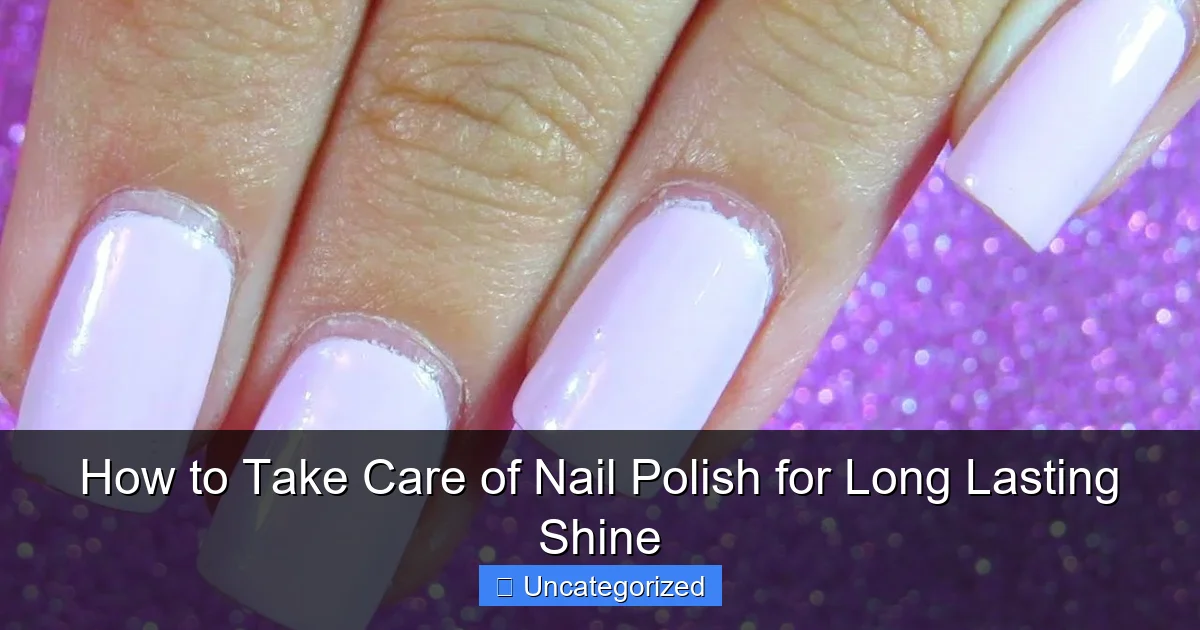
Visual guide about how to take care of nail polish
Image source: i.ytimg.com
Clean and Dehydrate the Nail Plate
Natural oils and moisture on your nails are the #1 cause of premature chipping. Even if your hands look clean, invisible residue from hand creams, lotions, or natural sebum can interfere with adhesion. Start by washing your hands with soap and water, then dry thoroughly. Next, use a nail prep solution or 90%+ isopropyl alcohol to wipe down each nail. This step removes oils and creates a slightly porous surface, which improves polish adhesion. Pro tip: Avoid using acetone for this step unless you’re removing old polish—acetone can over-dry the nails and make them brittle.
Shape and Buff for Smoothness
File your nails into your desired shape (square, oval, almond, etc.) using a fine-grit file (180–240 grit). Avoid sawing back and forth—use one-directional strokes to prevent splitting. After shaping, gently buff the surface with a soft buffer block. The goal isn’t to create a mirror shine but to smooth out ridges and create a uniform texture. A well-buffed nail helps polish lay flat and reduces the risk of peeling at the free edge. Example: A client at a popular nail salon reported a 70% reduction in chipping after switching from a rough file to a glass buffer.
Push Back and Trim Cuticles
Cuticles act as a barrier, but excess growth can lift polish or cause it to pool unevenly. Use a cuticle pusher to gently push back the cuticle (never cut it unless you’re trained—this can lead to infection). If you must trim, use cuticle nippers sparingly and only on loose, dead tissue. Apply a cuticle oil or balm afterward to keep the area hydrated but not greasy—this ensures the polish sticks to the nail, not the cuticle.
Master the Application: Techniques for Flawless Polish
Even the best prep won’t save a manicure if the polish is applied poorly. The way you apply base coat, color, and top coat can make or break your manicure’s durability. Here’s a step-by-step breakdown of professional techniques for a seamless, long-lasting finish.
Choose the Right Base Coat
Base coats aren’t just for preventing stains—they create a sticky layer that helps polish adhere. Opt for a ridge-filling base coat if you have uneven nails, or a peel-off base for temporary manicures. For maximum longevity, choose a base with bonding agents like nylon or calcium. Apply a thin layer, making sure to cover the entire nail and seal the free edge (the tip of the nail). This “capping” technique prevents water and debris from seeping under the polish.
Apply Color in Thin, Even Layers
Thick layers of polish take longer to dry and are more prone to bubbling and chipping. Instead, apply polish in 2–3 thin coats. Start with a small bead of polish at the cuticle, then pull the brush down the center of the nail, followed by two side strokes. Keep the brush close to the cuticle without touching it to avoid pooling. Tip: If your polish is too thick, add a few drops of nail polish thinner (not acetone) to restore the consistency. Avoid shaking the bottle—roll it between your hands to prevent air bubbles.
Seal with a High-Gloss Top Coat
A quality top coat is your manicure’s armor. It protects the color from UV fading, scratches, and daily wear. Apply a generous layer, making sure to cap the free edge. For extra shine, try a “dip-and-roll” technique: dip the brush in top coat, then roll it along the tip of each nail to seal the edge. Reapply top coat every 2–3 days to refresh the shine and extend wear time. Example: A study by a nail care brand found that users who reapplied top coat every 72 hours extended their manicure life by an average of 4 days.
Protect Your Manicure: Daily Habits to Prevent Damage
Your nails face daily threats—water, heat, chemicals, and physical stress. Even simple tasks like washing dishes or typing can weaken polish. Adopting protective habits can help your manicure survive the grind of everyday life.
Wear Gloves for Wet Work
Water is the enemy of long-lasting polish. Prolonged exposure to water (like dishwashing or hand-washing clothes) softens the nail plate, causing polish to lift. Always wear rubber or nitrile gloves when cleaning, gardening, or doing wet chores. Pro tip: For extra protection, apply a layer of hand cream before wearing gloves—it keeps your hands from drying out while the gloves shield your polish.
Avoid Heat and Harsh Chemicals
Hot water (like showers or baths) can cause polish to expand and contract, leading to micro-cracks. Similarly, household cleaners with ammonia or bleach can dull or discolor polish. If you can’t avoid them, wear gloves or use tools (like tongs or a sponge) to minimize direct contact. For beauty products, opt for acetone-free removers and gentle hand soaps.
Use Your Knuckles, Not Your Nails
Opening jars, peeling stickers, or typing with your nails puts stress on the polish. Train yourself to use your knuckles, a tool, or the edge of your hand instead. Example: A nail artist shared a client’s story where switching from nail-biting to using a keychain opener extended their manicure by 5 days.
Revive and Maintain: Keeping Shine Alive Between Manicures
Even the most durable manicure will show signs of wear after a few days. Instead of removing it early, use these revival techniques to restore shine, fill minor chips, and keep your nails looking fresh.
Touch Up Chips with a Dotting Tool
Small chips can be camouflaged with a dotting tool or the tip of the polish brush. Dip the tool in the same color, then gently dab it over the chip, blending it with the surrounding polish. Seal with a quick swipe of top coat. This works best for chips at the tips or edges.
Buff Away Dullness
Over time, polish can lose its shine due to friction (e.g., from keys or phones). Use a shining buffer to gently buff the surface, restoring a glossy finish. Avoid over-buffing—this can wear down the polish layer. Tip: For extra shine, add a drop of nail oil to the buffer before use.
Reapply Top Coat Every 2–3 Days
As mentioned earlier, a fresh layer of top coat not only adds shine but also reinforces the polish’s protective barrier. This is especially important if you use your hands a lot (e.g., for typing or crafting). Keep a travel-sized top coat in your bag or desk drawer for quick touch-ups.
Store Polishes Properly: Extend the Life of Your Collection
Nail polish doesn’t last forever. Exposure to light, heat, and air can cause it to thicken, separate, or lose vibrancy. Proper storage keeps your polishes in top condition, so they’re ready for flawless application every time.
Keep Bottles Upright in a Cool, Dark Place
Store polishes in a drawer or cabinet away from windows, radiators, or direct sunlight. UV rays break down pigments and cause fading, while heat can thin the formula or create bubbles. A cool, dark space (like a bedroom closet) is ideal. Pro tip: Use a nail polish organizer with dividers to keep bottles upright and prevent leaks.
Seal the Lid Tightly After Use
Air exposure is the main cause of polish thickening. Always wipe the bottle’s rim with a lint-free cloth before closing the lid, and screw it on tightly. If the polish starts to thicken, add a few drops of thinner (never water or acetone) to restore the consistency.
Rotate Your Collection
Use older polishes first to prevent them from expiring. Check the expiration date (usually 2–3 years from purchase) and discard any polish that’s separated, clumpy, or smells off. Example: A nail blogger tested 50 polishes and found that those stored in a fridge lasted 25% longer than those kept at room temperature.
Data Table: Top Coats Compared for Longevity
| Top Coat Brand | Shine Level | Dry Time (Minutes) | Average Wear Time (Days) | Best For |
|---|---|---|---|---|
| Seche Vite | High Gloss | 3 | 10–14 | Quick-dry, high-shine finish |
| Gelish Top It Off | Mirror Shine | 60 (with UV lamp) | 14–21 | Gel-like durability |
| OPI Top Coat | Medium Shine | 10 | 7–10 | Everyday wear, budget-friendly |
| Essie Good to Go | High Gloss | 5 | 8–12 | Fast-drying, chip-resistant |
| CND Super Shiney | Ultra Shine | 15 | 12–16 | Long-wear, professional-grade |
This table highlights how different top coats perform in real-world conditions. While gel-style top coats offer the longest wear, they require a UV lamp. Quick-dry formulas like Seche Vite are ideal for those who need a fast finish, while CND Super Shiney balances durability and ease of use.
Conclusion: Shine On, Longer and Brighter
A long-lasting manicure isn’t a matter of luck—it’s a science. By prepping your nails properly, applying polish with precision, protecting them from daily wear, and storing your collection with care, you can extend the life of your nail polish from a few days to two weeks or more. Remember, consistency is key. Small habits like reapplying top coat, wearing gloves, and using the right tools make a big difference over time. Invest in quality products (like a good base coat and top coat), but don’t overlook the power of technique and maintenance.
Your nails are a canvas for self-expression. With these tips, you can keep them looking salon-fresh for longer, saving time, money, and frustration. So the next time you reach for your favorite polish, do it with confidence—you’ve got the tools to make that shine last. After all, a little care goes a long way in the world of nail art. Now go rock that manicure, and let your nails do the talking!
Frequently Asked Questions
How can I make my nail polish last longer without chipping?
To extend wear, apply a base coat before your color and finish with a high-quality top coat. Avoid water exposure for the first hour after application to prevent premature chipping. Reapply a thin layer of top coat every 2-3 days to maintain the long lasting shine.
Why does my nail polish dry out so quickly, and how can I prevent it?
Store your nail polish in a cool, dark place to slow evaporation and thickening. Always close the bottle tightly after use, and consider adding a few drops of nail polish thinner if it becomes gloopy.
Can I fix nail polish that’s already thick or clumpy?
Yes! Use a dedicated nail polish thinner (not acetone) to restore consistency. Shake the bottle gently after adding 2-3 drops until smooth—this helps avoid air bubbles and maintains the formula.
How should I store nail polish to keep it in good condition?
Keep bottles upright in a dry, room-temperature area away from sunlight. Heat and UV rays can degrade the polish, leading to discoloration and texture changes over time.
Is it necessary to use a base and top coat for long lasting nail polish?
Absolutely. A base coat protects your nails from staining and helps the polish adhere better, while a top coat seals the color, adds shine, and prevents chips. Both are essential for durability.
How do I remove dried or stuck nail polish from the bottle neck?
Soak a cotton pad with acetone and wrap it around the neck for 1-2 minutes to loosen the buildup. Gently wipe or twist with a clean cloth—avoid scraping to prevent bottle damage.