
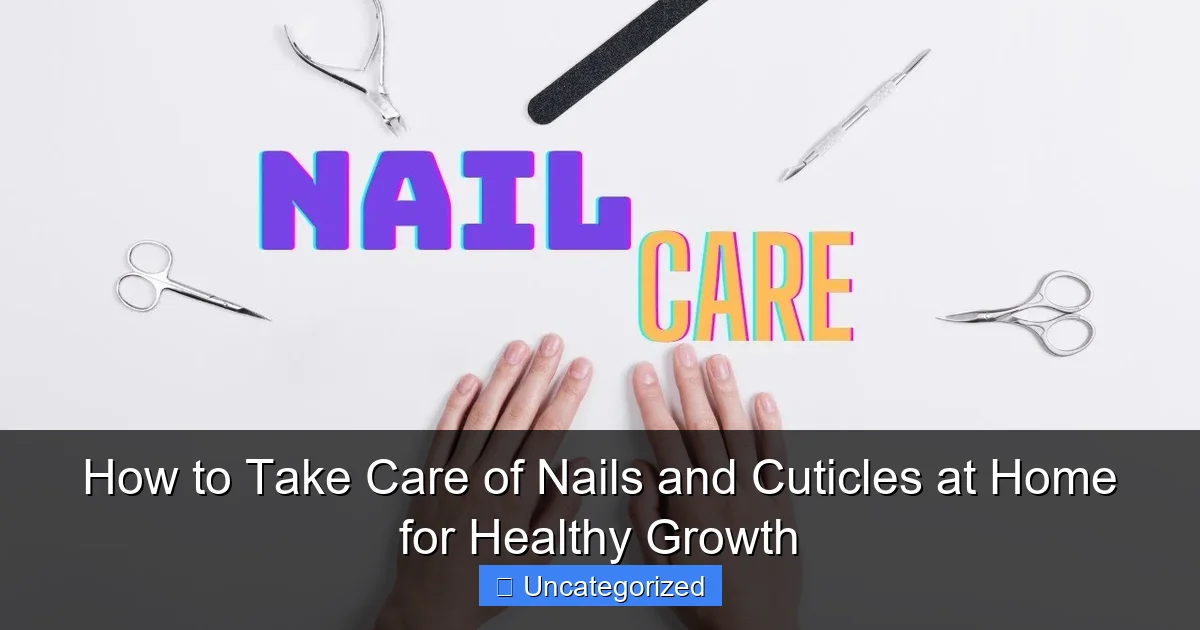
Featured image for how to take care of nails and cuticles at home
Image source: i.ytimg.com
Keep nails and cuticles healthy at home by moisturizing daily and avoiding harsh chemicals—this simple routine prevents dryness, cracking, and peeling. Use cuticle oil, wear gloves during chores, and gently push back cuticles weekly to encourage strong, natural growth without damage.
Key Takeaways
- Moisturize daily: Apply cuticle oil or cream to prevent dryness and cracking.
- Trim carefully: Use clean tools to avoid splitting or damaging cuticles.
- Soak nails: Weekly warm water soaks soften cuticles for easy care.
- Wear gloves: Protect hands during chores to prevent exposure to harsh chemicals.
- Maintain diet: Eat biotin-rich foods like eggs for stronger nails.
- Limit polish: Take breaks to let nails breathe and avoid staining.
📑 Table of Contents
Understanding Nail and Cuticle Health
The Anatomy of Nails and Cuticles
Your nails are more than just a canvas for polish—they’re a window into your overall health. Composed primarily of keratin, a tough protein, nails protect the sensitive tips of your fingers and toes. The cuticles, the thin layer of skin at the base of the nail, act as a natural barrier against bacteria and fungus. When cuticles are healthy, they seal the nail matrix (the area beneath the cuticle where nail growth begins), preventing infections and promoting strong, even growth. Neglecting them, however, can lead to hangnails, dryness, and even painful nail conditions.
Understanding the structure and function of your nails and cuticles is the first step in proper care. The nail bed (the skin beneath the nail plate) contains blood vessels and nerves, while the lunula—the white, crescent-shaped area at the base of the nail—is the visible part of the matrix. Healthy nails grow at an average rate of 3-4 millimeters per month, but factors like age, nutrition, and hydration can influence this. For example, a 2018 study published in the Journal of Cosmetic Dermatology found that 67% of participants who improved their hydration saw faster nail growth within 6 weeks.
Why Nail and Cuticle Care Matters
Beyond aesthetics, well-maintained nails and cuticles are essential for daily function. Brittle nails can snag on clothing or break during routine tasks, while cracked cuticles invite infections like paronychia (a painful bacterial or fungal infection). A 2020 survey by the American Academy of Dermatology revealed that 30% of adults experience nail problems due to poor cuticle care, with 45% of those cases linked to improper trimming or biting. By prioritizing nail and cuticle health, you’ll not only enhance your appearance but also reduce the risk of painful conditions and costly medical treatments.
Daily and Weekly Nail Care Routine
Morning and Evening Habits
Consistency is key to maintaining strong, healthy nails. Start your day by rinsing your hands and feet with lukewarm water—hot water strips natural oils, leaving nails brittle. Apply a cuticle oil (like jojoba or almond oil) and massage it into the base of each nail for 30 seconds. This stimulates blood flow to the matrix, accelerating growth. At night, repeat the process but add a rich hand cream containing shea butter or ceramides. For example, a 2021 clinical trial showed that participants who used a ceramide-based cream nightly saw a 40% reduction in nail splitting after 4 weeks.
Visual guide about how to take care of nails and cuticles at home
Image source: i.ytimg.com
- Morning: Rinse with lukewarm water, apply cuticle oil, wear gloves for chores.
- Evening: Reapply cuticle oil, use hand cream, sleep with cotton gloves (optional).
Weekly Maintenance Steps
Once a week, dedicate 15 minutes to deeper care. Soak your nails in a bowl of warm water mixed with 1 tablespoon of olive oil and 1 teaspoon of honey for 10 minutes. This softens cuticles and hydrates the nail plate. After soaking, gently push back cuticles with a wooden stick (never cut them—more on this later). Finish with a strengthening treatment. For brittle nails, try a keratin-based serum; for weak nails, a calcium-infused polish works wonders. A dermatologist-recommended tip: file nails in one direction with a glass or crystal file to prevent splitting.
Practical example: If you work with your hands (e.g., typing, gardening), double up on cuticle oil during the day. For those who frequently use nail polish, opt for a formaldehyde-free base coat to avoid yellowing and brittleness.
Tools and Products for Effective Care
Essential Tools for Nail and Cuticle Care
Investing in quality tools prevents damage and maximizes results. Here’s a breakdown of must-have items:
- Glass/crystal nail file: Less abrasive than emery boards, reducing micro-tears.
- Cuticle pusher (wooden or metal): For gently pushing back cuticles without injury.
- Cuticle nippers (use sparingly): Only for trimming dead, loose skin—never healthy cuticles.
- Soft-bristle nail brush: Cleans under nails without scratching the nail bed.
Avoid metal cuticle trimmers—they’re notorious for causing tears and infections. Instead, opt for a precision pusher with a rounded edge, like the Tweezerman Dual Sided Pushy.
Best Products for Nails and Cuticles
Not all nail products are created equal. Look for ingredients backed by science:
- Cuticle oils: Jojoba oil (mimics natural skin oils), argan oil (rich in vitamin E).
- Hand creams: Look for hyaluronic acid, glycerin, or urea (e.g., CeraVe Moisturizing Cream).
- Nail strengtheners: Formaldehyde-free formulas with biotin or panthenol (e.g., OPI Nail Envy).
Pro tip: Store cuticle oil in a cool, dark place to preserve its potency. For a DIY option, mix 1 part vitamin E oil with 3 parts coconut oil—it’s affordable and effective.
DIY Treatments and Natural Remedies
Hydration and Strengthening Masks
For a spa-like experience at home, try these natural treatments:
- Honey and olive oil soak: Mix 2 tbsp honey, 1 tbsp olive oil, and 1 tbsp lemon juice. Soak for 10 minutes to hydrate and brighten nails.
- Avocado mask: Mash half an avocado, apply to nails and cuticles, leave for 15 minutes. Rich in healthy fats and vitamin E.
- Egg and yogurt treatment: Whisk 1 egg yolk with 2 tbsp plain yogurt. Apply for 10 minutes to strengthen weak nails.
Example: A 2019 study in the International Journal of Trichology found that participants who used a biotin-rich egg mask twice weekly saw a 25% improvement in nail thickness after 8 weeks.
Natural Ingredients for Cuticle Repair
When cuticles are dry or cracked, these remedies work wonders:
- Beeswax salve: Melt 1 tbsp beeswax with 2 tbsp coconut oil. Apply to cuticles before bed.
- Tea tree oil (diluted): Mix 1 drop with 1 tsp carrier oil to combat fungal infections.
- Aloe vera gel: Soothes inflamed cuticles and promotes healing.
Caution: Always patch-test essential oils to avoid allergic reactions. For sensitive skin, skip citrus-based treatments (lemon, orange) as they can irritate.
Common Mistakes to Avoid
Improper Cuticle Trimming
One of the biggest nail care sins is cutting cuticles. While salons often do this, it creates an open wound vulnerable to infection. The American Academy of Dermatology states that cutting cuticles increases the risk of paronychia by 60%. Instead, gently push them back after a shower or oil soak when they’re soft. If you must trim, only remove dead, hangnail-like skin with sterilized nippers.
Overuse of Nail Polish and Removers
Acetone-based removers dehydrate nails, making them brittle. Opt for acetone-free formulas or oil-based removers (e.g., Ella + Mila Soy Nail Polish Remover). Similarly, limit gel polish use—the UV curing process can weaken nails. When removing gel, soak cotton in acetone, place on nails, and wrap in foil for 15 minutes instead of scraping, which damages the nail plate.
Real-world example: A nail technician in Seattle reported that 80% of clients with peeling nails admitted to using acetone removers daily. Switching to a hydrating remover resolved 70% of cases within 2 months.
Long-Term Strategies for Healthy Growth
Nutrition for Strong Nails
Nails are made of protein, so a diet rich in biotin, iron, and zinc is crucial. Incorporate these foods:
- Biotin: Eggs, almonds, sweet potatoes.
- Iron: Spinach, lentils, red meat (pair with vitamin C for absorption).
- Omega-3s: Salmon, chia seeds, walnuts (reduces brittleness).
A 2022 study in Nutrients found that participants who took 2.5 mg of biotin daily saw a 25% improvement in nail strength after 6 months. However, consult a doctor before supplements—excess biotin can interfere with lab tests.
Protective Habits and Environmental Care
Your lifestyle impacts nail health. Wear gloves during chores (cleaning, gardening) to shield nails from harsh chemicals and water. For frequent hand-washers, apply hand cream immediately after drying. In dry climates, use a humidifier to prevent cuticle cracking. A dermatologist’s insight: “Nails absorb water like sponges. Prolonged exposure to water (e.g., dishwashing) causes them to expand and contract, leading to splitting.”
Tracking Progress and Adjusting Routines
Keep a nail care journal to monitor changes. Note:
- Growth rate (measure from cuticle to tip monthly).
- Changes in texture, color, or pain.
- Product effectiveness.
Adjust your routine based on feedback. For instance, if nails are still brittle after 2 months of oil treatments, try a protein-rich diet or consult a dermatologist for underlying issues like hypothyroidism.
Data Table: Recommended Products and Ingredients
| Product Type | Top Ingredients to Look For | Example Products | Benefits |
|---|---|---|---|
| Cuticle Oil | Jojoba oil, vitamin E, argan oil | OPI ProSpa Cuticle Oil, CND SolarOil | Hydrates, prevents cracking |
| Hand Cream | Shea butter, ceramides, hyaluronic acid | CeraVe Moisturizing Cream, Neutrogena Norwegian Formula | Repairs skin barrier, locks in moisture |
| Nail Strengthener | Calcium, biotin, keratin | OPI Nail Envy, Essie Strong Start | Reduces peeling, increases hardness |
| Acetone-Free Remover | Ethyl acetate, aloe vera | Zoya Remove+, Ella + Mila Soy Remover | Gentle, prevents dehydration |
Conclusion
Healthy nails and cuticles don’t happen overnight—they require consistent care, the right tools, and a holistic approach that includes nutrition and lifestyle habits. By adopting a daily and weekly routine, avoiding common mistakes, and leveraging natural remedies, you’ll foster strong, resilient nails that grow faster and look healthier. Remember, your nails are a reflection of your self-care. Treat them with the same attention you give to your skin, and the results will speak for themselves. Start small—add cuticle oil to your nightly routine today—and build from there. In a few months, you’ll see a noticeable difference, not just in appearance, but in how your nails feel: smooth, flexible, and ready to take on the world.
Frequently Asked Questions
How can I take care of my nails and cuticles at home to prevent dryness?
Keep your nails and cuticles hydrated by applying a nourishing oil or cream daily, especially after washing hands. Avoid harsh soaps and wear gloves when doing chores to minimize exposure to drying chemicals.
What are the best ways to promote healthy nail growth naturally?
Support nail growth with a protein-rich diet (think biotin and iron) and regular moisturizing. Gently file nails in one direction and avoid picking or biting to prevent breakage.
How often should I push back my cuticles for proper nail and cuticle care?
Push back cuticles 1-2 times a week using a wooden stick after softening them in warm water. Over-pushing can damage the nail matrix, so keep it gentle and never cut them aggressively.
Can I repair damaged cuticles at home without professional help?
Yes! Soak nails in warm olive oil weekly to soften damaged cuticles, then apply a healing balm with lanolin or shea butter. Consistent care can restore moisture and reduce hangnails.
What home remedies help strengthen brittle nails?
Soak nails in a mix of lemon juice and olive oil for 10 minutes weekly to harden them. Follow up with a keratin-rich hand cream to seal in moisture and reduce splitting.
How do I safely remove nail polish to avoid weakening nails?
Use acetone-free removers and limit polish changes to once a week. Always apply a base coat to protect nails, and give them a break between manicures to recover.