
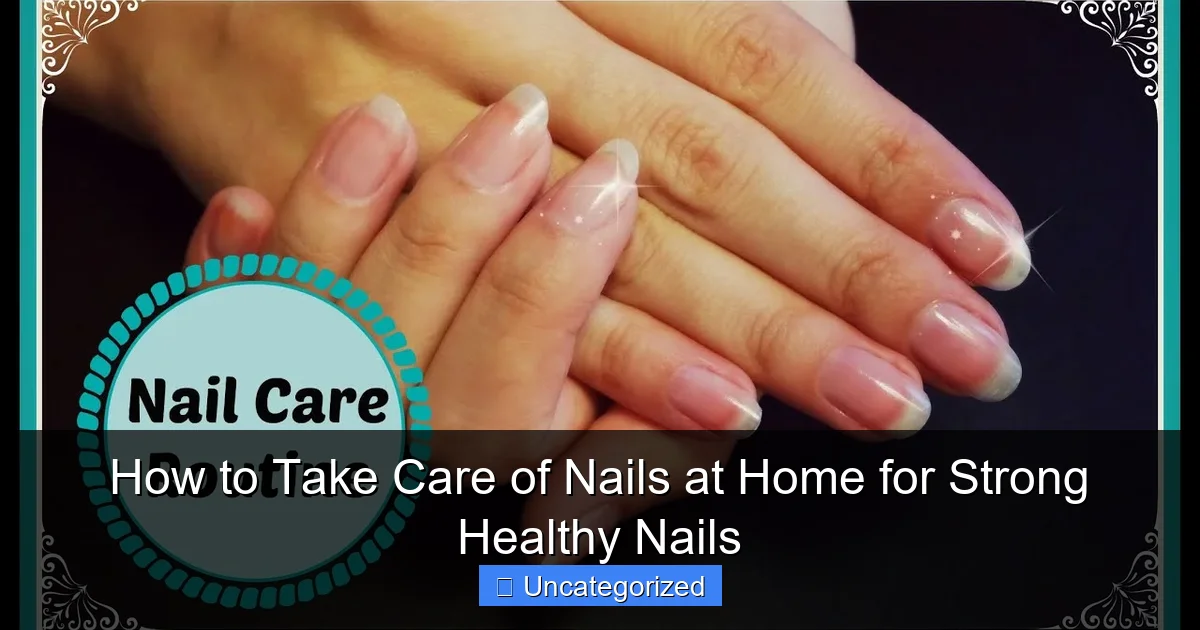
Featured image for how to take care of nails at home
Image source: i.ytimg.com
Keep your nails strong and healthy at home by maintaining a consistent routine of gentle cleaning, moisturizing, and protection. Trim and file nails regularly, avoid harsh chemicals, and always use a nourishing base coat and hand cream to prevent breakage and dryness. A little daily care goes a long way in preventing damage and promoting resilient, natural nail growth.
Key Takeaways
- Moisturize daily: Apply cuticle oil and hand cream to prevent dryness and cracking.
- Trim properly: Cut nails straight across and file gently to avoid splits and breaks.
- Wear gloves: Protect nails from harsh chemicals and water during household chores.
- Limit polish: Give nails a break from polish to prevent yellowing and brittleness.
- Eat well: Boost nail strength with protein, biotin, and vitamin-rich foods.
- Hydrate often: Drink plenty of water to maintain nail flexibility and health.
📑 Table of Contents
Understanding Nail Health: The Foundation of Strong Nails
Nails are more than just a canvas for polish or a tool for scratching an itch—they are a reflection of your overall health and a testament to your self-care habits. Strong, healthy nails can boost your confidence, while brittle, peeling, or discolored ones might signal underlying issues. Taking care of your nails at home doesn’t require expensive spa treatments or a cabinet full of specialized products. Instead, it’s about adopting consistent, science-backed routines that promote growth, strength, and resilience. Whether you’re dealing with splitting nails, slow growth, or just want to maintain your current nail health, this guide will walk you through everything you need to know to achieve strong healthy nails from the comfort of your own home.
Before diving into the specifics, it’s important to understand that nails are made of keratin, the same protein found in your hair and skin. They grow from the nail matrix, located beneath the cuticle, and their health is influenced by factors like diet, hydration, lifestyle, and even your environment. Poor nutrition, frequent exposure to water or harsh chemicals, and improper nail care techniques can all contribute to weak or damaged nails. The good news? With a few simple tweaks to your daily routine, you can transform your nails from fragile to fabulous. In this comprehensive guide, we’ll explore the best practices for nail care at home, including hygiene, nutrition, grooming, and protection, so you can enjoy nails that are not only beautiful but also truly healthy.
1. Daily Nail Hygiene and Cleaning
Why Hygiene Matters
Just like your skin and hair, your nails require regular cleaning to stay healthy. Dirt, bacteria, and fungal spores can accumulate under and around the nails, leading to infections, discoloration, or even nail fungus. Poor hygiene can also weaken the nail structure, making them more prone to breakage. Establishing a daily cleaning routine is the first step toward maintaining strong, healthy nails.
Visual guide about how to take care of nails at home
Image source: i.ytimg.com
Start by washing your hands thoroughly with mild soap and warm water, especially after handling dirty or greasy substances. Pay special attention to the area under the nails—use a soft nail brush (preferably with natural bristles) to gently scrub away debris. Avoid using metal tools or sharp objects, as these can damage the nail bed or push bacteria deeper. For extra cleanliness, soak your nails in a solution of warm water and a few drops of tea tree oil, which has natural antifungal and antibacterial properties. This simple 5-minute soak can help prevent infections and keep your nails fresh.
Proper Drying Techniques
Moisture is both a friend and a foe to nails. While hydration is essential for nail flexibility, excessive moisture—especially trapped water—can cause nails to soften, split, or become prone to fungal growth. After washing or soaking, dry your nails completely with a clean, lint-free towel. Gently pat, don’t rub, to avoid damaging the nail surface.
For added protection, apply a lightweight hand cream or cuticle oil after drying. This helps seal in moisture without leaving a greasy residue. Avoid wearing wet gloves or socks for extended periods, as trapped moisture creates an ideal environment for bacteria and fungi. If you work in wet environments (e.g., dishwashing, gardening), wear waterproof gloves and change them as soon as they get damp.
Quick Daily Habits
- Use a soft nail brush to clean under nails every night.
- Wash hands after handling chemicals, paint, or cleaning products.
- Dry nails thoroughly, including the sides and cuticles.
- Apply hand cream or cuticle oil after every wash.
- Change gloves immediately if they become wet or sweaty.
2. Nutrition for Nail Growth and Strength
The Role of Diet in Nail Health
You’ve probably heard the phrase “you are what you eat,” and it applies to your nails, too. Nails are made of keratin, a protein that requires a steady supply of nutrients to grow strong and resilient. A diet lacking in essential vitamins, minerals, and healthy fats can lead to brittle, slow-growing, or peeling nails. To promote strong healthy nails, focus on a balanced diet rich in the following nutrients:
- Protein: Keratin is a protein, so adequate protein intake is non-negotiable. Include lean meats, eggs, fish, legumes, tofu, and Greek yogurt in your meals.
- Biotin (Vitamin B7): Often called the “nail vitamin,” biotin supports keratin production. Foods like eggs, almonds, sweet potatoes, and spinach are excellent sources.
- Iron: Iron deficiency can cause spoon-shaped nails (koilonychia) and brittleness. Red meat, lentils, spinach, and fortified cereals are iron-rich choices.
- Omega-3 Fatty Acids: These healthy fats improve nail flexibility and reduce inflammation. Eat fatty fish (salmon, mackerel), chia seeds, flaxseeds, or walnuts regularly.
- Vitamin C: Essential for collagen production, which strengthens the nail matrix. Citrus fruits, bell peppers, and broccoli are great sources.
- Zinc: Supports cell growth and repair. Found in oysters, pumpkin seeds, and chickpeas.
Hydration and Nail Flexibility
Dehydration affects your entire body, including your nails. When you’re low on water, nails become dry, brittle, and prone to splitting. Aim to drink at least 8-10 glasses of water daily, and increase intake if you’re active or live in a dry climate. You can also boost hydration through water-rich foods like cucumbers, watermelon, and celery.
For an extra hydration boost, try a DIY “nail water” soak: mix 1 cup of warm water with 1 tablespoon of olive oil and a squeeze of lemon juice. Soak your nails for 10-15 minutes, then gently push back cuticles. This not only hydrates but also delivers nutrients directly to the nail bed.
Supplements: Do You Need Them?
While a balanced diet should provide most nutrients, some people benefit from supplements—especially if they have deficiencies or restrictive diets (e.g., vegan, gluten-free). Biotin supplements (2.5–5 mg daily) are popular for nail health, but always consult a doctor before starting any supplement. Overuse of biotin can interfere with lab tests, so moderation is key. Other helpful supplements include collagen peptides, which support keratin structure, and vitamin B12, which prevents discoloration.
3. Proper Nail Grooming and Trimming
Choosing the Right Tools
Using the wrong tools can damage your nails more than help them. Invest in a high-quality nail kit with the following essentials:
- Sharp, stainless steel clippers: Dull clippers can crush or split nails. Choose a size appropriate for your nail thickness.
- Glass or crystal nail file: These are gentler than emery boards, which can cause micro-tears. Always file in one direction (from side to center) to prevent splitting.
- Cuticle pusher: Use a wooden or metal pusher to gently push back cuticles after soaking. Never cut cuticles—this increases infection risk.
- Nail buffer: A four-way buffer can smooth ridges and add shine without harsh chemicals.
Step-by-Step Trimming Routine
- Soak nails in warm water for 5–10 minutes to soften them (optional but recommended for thick or brittle nails).
- Dry nails thoroughly.
- Trim nails straight across to prevent ingrown nails. For round or oval shapes, file the edges after trimming.
- Use the cuticle pusher to gently push back cuticles. Apply cuticle oil afterward to nourish.
- Buff nails lightly to smooth ridges and add shine. Avoid over-buffing, as it thins the nail.
- Apply a strengthening base coat or moisturizer to lock in hydration.
Frequency and Timing
Trim your nails every 7–10 days, depending on growth rate. Frequent trimming prevents snags and breakage. Avoid cutting nails too short—leave at least 1–2 mm of white tip for protection. The best time to trim is after a shower or bath, when nails are softer and easier to shape.
Common Grooming Mistakes to Avoid
- Using metal files on brittle nails (they’re too harsh).
- Cutting cuticles (this damages the nail matrix).
- Over-buffing (can thin nails over time).
- Ignoring tool hygiene (clean tools with alcohol after each use).
4. Moisturizing and Strengthening Treatments
The Importance of Cuticle Care
Cuticles are the skin around your nails that protect the nail matrix from bacteria and trauma. Dry, cracked cuticles can lead to infections and slow nail growth. To keep them healthy:
- Apply cuticle oil (jojoba, almond, or vitamin E oil) 2–3 times daily.
- Massage the oil into the cuticle and nail base to improve blood circulation.
- Use a cuticle remover gel (sparingly) to dissolve dead skin, then push back gently.
DIY Strengthening Soaks
For an affordable, at-home spa treatment, try these natural soaks:
- Olive Oil Soak: Mix 2 tablespoons olive oil with 1 teaspoon honey. Soak nails for 15 minutes. The oil moisturizes, while honey acts as a natural humectant.
- Green Tea Soak: Brew 2 green tea bags in 1 cup hot water, cool, then soak nails for 10 minutes. Green tea’s antioxidants reduce inflammation and strengthen nails.
- Lemon Juice Soak: Mix 1 part lemon juice with 3 parts warm water. Soak for 5 minutes to brighten nails and reduce yellowing (avoid if you have cuts or sensitive skin).
Overnight Treatments
For intense hydration, try an overnight treatment:
- Apply a thick layer of hand cream or petroleum jelly to nails and cuticles.
- Wear cotton gloves to lock in moisture.
- Leave on overnight. In the morning, wash off and apply a strengthening base coat.
Commercial Strengthening Products
Look for nail treatments with these ingredients:
- Calcium and magnesium: Reinforce nail structure.
- Horsetail extract: Rich in silica, which improves nail hardness.
- Argan oil: Deeply moisturizes without greasiness.
5. Protecting Nails from Damage and Stress
Wear Gloves for Chores
Water, detergents, and cleaning chemicals are the enemies of strong nails. Always wear rubber or nitrile gloves when:
- Washing dishes.
- Cleaning with bleach or ammonia.
- Gardening or handling soil.
- Using paint or solvents.
Avoid Harsh Nail Products
Acetone-based nail polish removers dry out nails. Opt for acetone-free removers or natural alternatives like soy-based removers. When using polish, always apply a base coat to prevent staining and a top coat to seal in moisture.
Break Bad Habits
- Stop biting nails: This introduces bacteria and damages the nail matrix. Try a bitter-tasting nail polish or stress-relief techniques like fidget toys.
- Don’t use nails as tools: Avoid opening cans, peeling labels, or scratching surfaces with your nails.
- Limit gel and acrylic nails: These can weaken nails over time. If you use them, take breaks and follow with a strengthening treatment.
Environmental Protection
Extreme temperatures and UV exposure can dry out nails. In winter, wear gloves outdoors. In summer, apply sunscreen to hands (and nails) to prevent discoloration.
6. Monitoring and Addressing Nail Problems
Common Nail Issues and Solutions
| Issue | Possible Cause | At-Home Solution |
|---|---|---|
| Brittle nails | Dehydration, frequent water exposure | Moisturize daily, wear gloves, use strengthening treatments |
| Peeling nails | Overexposure to water, harsh products | Limit water contact, avoid acetone, apply nail hardeners |
| Yellowing | Polish stains, smoking, fungal infection | Use base coat, quit smoking, try lemon soak (if no infection) |
| White spots | Minor trauma, zinc deficiency | Protect nails, eat zinc-rich foods |
| Horizontal ridges (Beau’s lines) | Illness, injury, poor circulation | Improve diet, monitor for underlying health issues |
When to See a Doctor
While most nail issues can be managed at home, consult a dermatologist if you notice:
- Persistent pain, swelling, or pus (signs of infection).
- Dark streaks or discoloration (possible melanoma).
- Nails that detach from the bed (onycholysis).
- Sudden changes in nail shape or texture.
Tracking Progress
Take monthly photos of your nails to monitor improvements. Note changes in strength, growth rate, and appearance. Consistency is key—most treatments take 6–12 weeks to show results.
Taking care of your nails at home is a simple yet powerful act of self-care. By combining daily hygiene, proper nutrition, gentle grooming, and protective habits, you can achieve strong healthy nails that reflect your overall wellness. Remember, nail health isn’t just about aesthetics—it’s about creating a routine that supports your body from the inside out. Start with one or two changes, like drinking more water or using cuticle oil daily, and gradually build a comprehensive routine. With patience and consistency, you’ll enjoy nails that are not only beautiful but also resilient and vibrant. So grab your nail kit, pour a glass of water, and take the first step toward healthier, happier nails—right from your home.
Frequently Asked Questions
How can I strengthen my nails at home naturally?
To strengthen nails at home, keep them hydrated with cuticle oil or moisturizer, and avoid harsh chemicals. Eating a balanced diet rich in biotin (like eggs and nuts) and staying hydrated also promotes stronger, healthier nails.
What’s the best way to take care of nails at home daily?
Daily nail care includes gentle cleaning with a soft brush, applying hand cream, and using a nail strengthener. Always wear gloves when doing chores to protect nails from water and detergents.
How do I stop my nails from peeling or breaking?
Limit exposure to water and acetone-based removers, and apply a keratin-rich nail treatment. Keeping nails trimmed short and using a ridge-filling base coat can also prevent peeling and breakage.
Can I grow my nails faster with home remedies?
While genetics play a role, you can support faster growth by massaging cuticles with jojoba oil and taking collagen supplements. Avoid excessive gel or acrylic use, which can weaken natural nails.
How often should I trim and file my nails?
Trim nails every 1–2 weeks with sharp clippers, and file them 2–3 times weekly to maintain shape and prevent snags. Always file in one direction to avoid splitting.
Why are my nails yellow, and how can I fix it?
Yellow nails often result from polish staining or fungal infections. Soak nails in diluted lemon juice or hydrogen peroxide, and let them breathe between polish applications to restore natural color.