
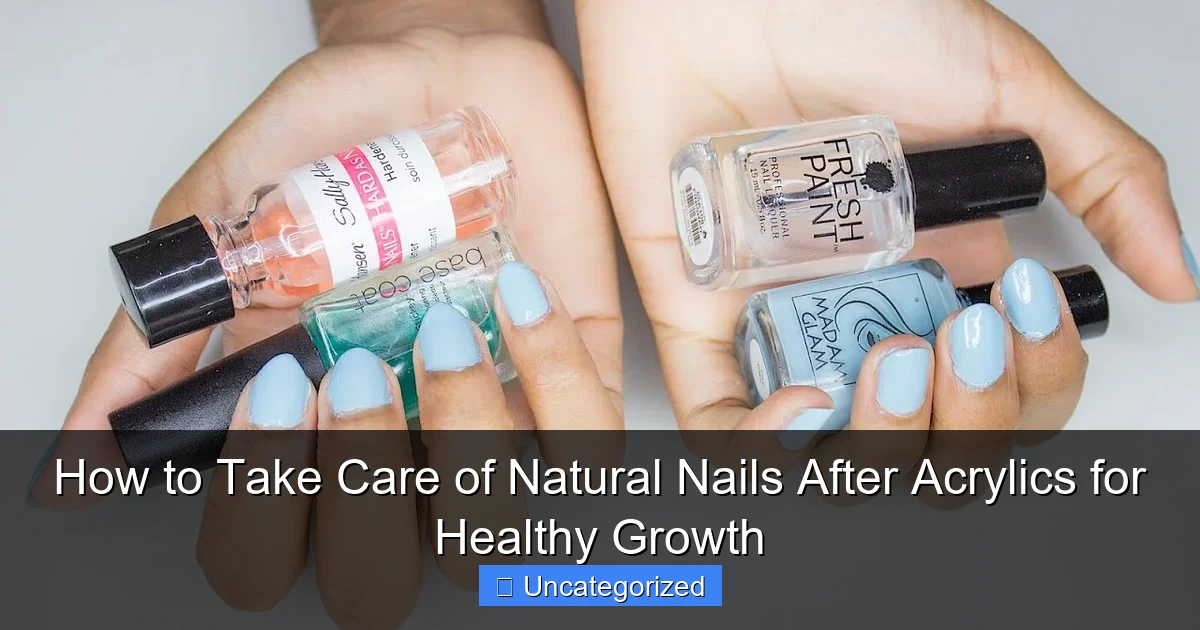
Featured image for how to take care of natural nails after acrylics
Image source: i.ytimg.com
Give your natural nails time to breathe and recover by avoiding all enhancements immediately after removing acrylics—this prevents further damage and allows moisture and nutrients to reach the nail bed. Hydrate daily with cuticle oil and a nourishing hand cream, and use a strengthening treatment to support healthy regrowth while being gentle during daily activities.
Key Takeaways
- Moisturize daily: Apply cuticle oil and hand cream to prevent dryness and brittleness.
- Trim and file gently: Keep nails short and use a soft file to avoid splitting.
- Hydrate from within: Drink water and eat protein-rich foods for stronger nail growth.
- Avoid harsh chemicals: Wear gloves when cleaning to protect nails from damage.
- Let nails breathe: Skip polish occasionally to allow natural recovery and prevent discoloration.
- Use a strengthening treatment: Apply a nail hardener to fortify weak, post-acrylic nails.
📑 Table of Contents
- Understanding the Aftermath of Acrylics on Natural Nails
- Assessing the Condition of Your Nails Post-Acrylics
- Hydration and Moisturization: The Foundation of Nail Recovery
- Nutrition and Supplements for Nail Strength and Growth
- Gentle Nail Care Routines to Prevent Further Damage
- Long-Term Maintenance for Lasting Nail Health
- Data: Key Ingredients and Their Benefits for Nail Recovery
- Conclusion: Embrace the Journey to Healthier Nails
Understanding the Aftermath of Acrylics on Natural Nails
Acrylic nails have long been a go-to solution for those seeking long, durable, and aesthetically pleasing manicures. However, while they may look flawless, the removal process and prolonged wear can leave your natural nails in a fragile state. After acrylics, many people experience thinning, peeling, brittleness, and even painful sensitivity. This is because the application and removal processes often involve aggressive techniques such as filing, soaking in acetone, and lifting—actions that strip away the nail’s protective layers and compromise its integrity. Understanding the damage caused by acrylics is the first step in learning how to take care of natural nails after acrylics for healthy growth.
It’s crucial to recognize that your nails are not just cosmetic—they are living tissue connected to your nail bed, matrix, and cuticles. When acrylics are applied, the natural nail is often filed down to create a smooth base, which removes the top protective keratin layers. Additionally, the adhesive used to bond the acrylic can dehydrate the nail plate, leading to dryness and weakness. Once removed, your nails may appear thin, ridged, or even slightly discolored. The good news? With the right care, your nails can recover and thrive. This guide will walk you through a comprehensive recovery plan, focusing on hydration, protection, nutrition, and long-term maintenance to restore strength and promote healthy nail growth.
Assessing the Condition of Your Nails Post-Acrylics
Identifying Common Signs of Damage
Before diving into a recovery routine, it’s essential to assess the current state of your natural nails. After acrylics, look for the following signs of damage:
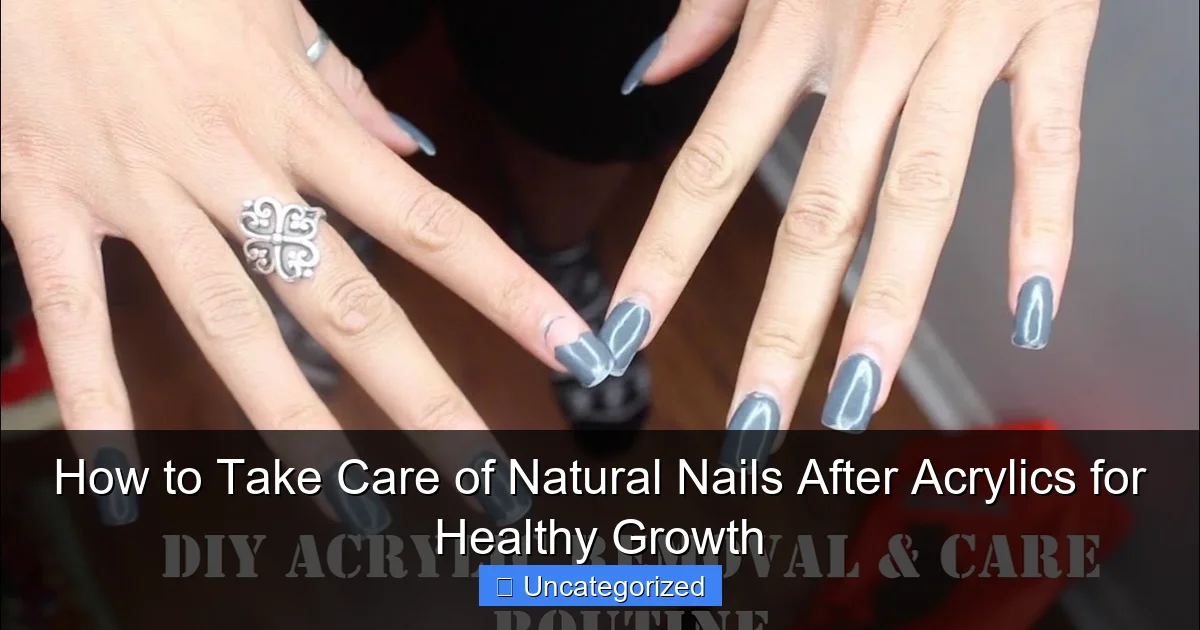
Visual guide about how to take care of natural nails after acrylics
Image source: i.ytimg.com
- Peeling or layering: The nail splits horizontally into thin layers, often starting at the free edge.
- Brittleness: Nails snap or break easily with minimal pressure.
- Ridging: Vertical lines or grooves running from the cuticle to the tip, indicating trauma to the nail matrix.
- Thinness: The nail feels papery or flexible when pressed.
- Discoloration: Yellow, white, or brown spots, often due to fungal exposure during acrylic wear or improper removal.
- Sensitivity or pain: The nail or surrounding skin feels tender, especially when touched or exposed to water.
For example, if your nails are peeling in layers, this is a sign of severe dehydration and loss of intercellular bonding. Ridges, on the other hand, may indicate past trauma to the matrix (the area under the cuticle where new nail cells are formed). Identifying these issues helps you tailor your recovery plan effectively.
When to Seek Professional Help
While many post-acrylic issues can be managed at home, some conditions require dermatological attention. If you notice:
- Persistent pain or redness around the nail bed
- Signs of infection (pus, swelling, warmth)
- Deep grooves or pitting that worsen over time
- White spots that don’t grow out after several months
<
…it’s time to consult a dermatologist. These could be signs of fungal infections, psoriasis, or even an allergic reaction to acrylic materials. Early intervention can prevent long-term damage and ensure your recovery is on the right track.
Setting Realistic Expectations for Recovery
Healthy nail growth averages 3 millimeters per month for fingernails and slightly slower for toenails. This means it could take 6 to 9 months for your nails to fully recover from the damage caused by acrylics. Patience is key. Avoid the temptation to reapply artificial nails during this period—your natural nails need time to breathe, hydrate, and rebuild. Think of this phase as a “nail vacation,” where the focus is on healing rather than aesthetics.
Hydration and Moisturization: The Foundation of Nail Recovery
Why Hydration Matters
One of the most significant effects of acrylics is the loss of natural moisture. The acetone used to remove acrylics strips away essential oils and lipids, leaving nails dry and brittle. Hydration is not just about the nail plate—it also includes the cuticles, nail bed, and surrounding skin. When these areas are well-moisturized, they support stronger, more resilient nails. Think of your nails like a plant: without water, they wither. With consistent hydration, they thrive.
For example, a study published in the Journal of Cosmetic Dermatology found that participants who applied a nail and cuticle oil twice daily saw a 30% reduction in nail splitting within 6 weeks. This underscores the importance of daily moisture therapy.
Best Products for Nail and Cuticle Hydration
Not all moisturizers are created equal. Look for products containing the following ingredients:
- Jojoba oil: Mimics the skin’s natural sebum, easily absorbed, and deeply nourishing.
- Shea butter: Rich in fatty acids and vitamins A and E, it repairs dry, cracked skin.
- Argan oil: High in antioxidants and vitamin E, promotes elasticity.
- Hyaluronic acid: A humectant that draws moisture into the nail and surrounding tissue.
- Lanolin: A natural emollient that forms a protective barrier.
Apply cuticle oil twice daily—once in the morning and once before bed. Massage it into the base of the nail, cuticles, and surrounding skin for at least 30 seconds. This stimulates blood flow, which supports nail growth. For an extra boost, use a thick hand cream at night and wear cotton gloves while sleeping to lock in moisture.
DIY Hydration Treatments
If you prefer natural solutions, try these at-home remedies:
- Olive oil soak: Warm 1/4 cup of olive oil, soak your nails for 15 minutes, then gently push back cuticles with a wooden stick.
- Honey and lemon soak: Mix 1 tbsp honey (moisturizing), 1 tbsp lemon juice (brightening), and 1/2 cup warm water. Soak for 10–15 minutes. Note: Avoid if you have open cuts or sensitive skin.
- Aloe vera gel: Apply pure aloe vera gel to nails and cuticles. Its anti-inflammatory properties soothe irritation and promote healing.
Consistency is crucial. Even if you don’t see immediate results, daily hydration will strengthen your nails over time.
Nutrition and Supplements for Nail Strength and Growth
Key Nutrients for Nail Health
Nails are made of keratin, a protein, so nutrition plays a pivotal role in their recovery. A deficiency in essential vitamins and minerals can lead to slow growth, brittleness, and discoloration. Focus on incorporating these nutrients into your diet:
- Biotin (Vitamin B7): Known as the “nail vitamin,” biotin supports keratin infrastructure. Found in eggs, nuts, and sweet potatoes. Recommended daily intake: 30–100 mcg.
- Iron: Prevents koilonychia (spoon-shaped nails). Found in red meat, spinach, and lentils.
- Zinc: Repairs nail tissue and fights inflammation. Found in oysters, pumpkin seeds, and chickpeas.
- Vitamin C: Boosts collagen production, strengthening the nail matrix. Found in citrus fruits, bell peppers, and broccoli.
- Omega-3 fatty acids: Reduce inflammation and improve nail flexibility. Found in salmon, chia seeds, and walnuts.
- Vitamin A: Supports cell turnover. Found in carrots, sweet potatoes, and kale.
Effective Supplements for Nail Recovery
While a balanced diet is ideal, supplements can bridge nutritional gaps. Consider the following:
- Biotin supplements: 2.5–5 mg daily. Note: Excess biotin can interfere with lab tests, so consult your doctor.
- Collagen peptides: 10–15 grams daily. Studies show collagen improves nail strength and growth rate.
- Multivitamin with zinc and iron: Choose a high-quality formula tailored for hair, skin, and nails.
- Omega-3 fish oil: 1,000–2,000 mg daily of EPA and DHA.
For example, a 2020 study in the Journal of the American Academy of Dermatology found that participants who took 2.5 mg of biotin daily for 6 months experienced a 25% increase in nail thickness and reduced splitting.
Hydration from Within
Don’t forget water! Dehydration affects your entire body, including your nails. Aim for 8–10 glasses of water daily. Add lemon or cucumber for flavor and extra vitamin C. Limit caffeine and alcohol, as they can dehydrate your system.
Gentle Nail Care Routines to Prevent Further Damage
Proper Nail Trimming and Filing
After acrylics, your nails are fragile. Avoid aggressive filing or clipping. Instead:
- Use a glass or crystal nail file: These are gentler than emery boards and prevent micro-tears. File in one direction—never saw back and forth.
- Trim with sharp clippers: Dull clippers can crush the nail, leading to splits. Cut straight across, then slightly round the corners to prevent snagging.
- Keep nails short initially: Shorter nails are less prone to breakage during recovery. Gradually grow them out as strength improves.
For example, if your nails are peeling, file the free edge gently to remove split layers—don’t pull or tear them, as this can damage the nail bed.
Choosing the Right Nail Products
Opt for acetone-free nail polish removers with moisturizing ingredients like glycerin or vitamin E. When applying nail polish:
- Use a hydrating base coat to protect the nail plate.
- Choose 3-free or 5-free polishes (free of formaldehyde, toluene, and DBP).
- Finish with a nourishing top coat that seals in moisture.
Avoid nail hardeners with formaldehyde—they may make nails rigid but increase brittleness over time. Instead, look for strengtheners with keratin, calcium, or silk fibers.
Protecting Nails from Daily Stressors
Your nails are exposed to harsh elements daily. Protect them by:
- Wearing gloves: Use rubber or latex gloves when washing dishes, cleaning, or gardening.
- Avoiding prolonged water exposure: Soaking nails in water softens them, making them prone to tearing. Limit hand washing to 20 seconds and dry hands thoroughly.
- Using hand sanitizer sparingly: Alcohol-based sanitizers dry out skin and nails. Apply moisturizer afterward.
- Minimizing use of nail tools: Don’t use metal pushers or clippers on cuticles. Instead, gently push back cuticles after a warm shower when they’re soft.
Long-Term Maintenance for Lasting Nail Health
Creating a Sustainable Nail Care Schedule
Recovery doesn’t end after 6 months—it’s a lifelong commitment. Establish a routine:
- Daily: Apply cuticle oil, moisturize hands, and stay hydrated.
- Weekly: Soak nails in a nourishing treatment (e.g., olive oil or honey soak), gently exfoliate cuticles, and file nails.
- Monthly: Check for signs of improvement (e.g., reduced peeling, smoother texture). Adjust your routine as needed.
Track your progress with monthly photos to stay motivated. For instance, take a photo every 30 days to compare nail thickness and shine.
When to Reintroduce Nail Enhancements
Once your nails are strong, smooth, and free of peeling, you can consider light enhancements like:
- Gel polish: Less damaging than acrylics and easier to remove.
- Dip powder: Requires less filing and is less drying.
However, avoid heavy acrylics or extensions for at least 12 months post-recovery. If you do use enhancements, ensure a professional applies and removes them gently. Never peel or force them off.
Lifestyle Habits That Support Nail Growth
Beyond products and routines, lifestyle choices matter:
- Manage stress: High stress levels can trigger nail biting or picking. Practice mindfulness, yoga, or deep breathing.
- Quit smoking: Smoking reduces blood flow to the extremities, slowing nail growth.
- Exercise regularly: Improved circulation delivers more nutrients to the nail matrix.
Data: Key Ingredients and Their Benefits for Nail Recovery
| Ingredient | Primary Benefit | Recommended Use | Scientific Support |
|---|---|---|---|
| Biotin (Vitamin B7) | Strengthens keratin structure | 2.5–5 mg daily supplement | Study: 25% increase in nail thickness after 6 months (JAA Dermatol, 2020) |
| Jojoba Oil | Deep hydration, mimics natural sebum | Apply 2x/day to nails and cuticles | Reduces nail splitting by 30% (J Cosmetic Dermatol, 2018) |
| Collagen Peptides | Boosts nail matrix health | 10–15 g daily | Improves growth rate and strength (Nutrients, 2019) |
| Omega-3 Fatty Acids | Reduces inflammation, improves flexibility | 1,000–2,000 mg EPA/DHA daily | Linked to reduced brittleness (Clin Cosmet Investig Dermatol, 2021) |
| Shea Butter | Repairs dry, cracked skin | Nightly hand cream application | Enhances moisture retention (Int J Cosmet Sci, 2017) |
Conclusion: Embrace the Journey to Healthier Nails
Recovering your natural nails after acrylics is not an overnight process, but with dedication, patience, and the right strategies, you can restore strength, shine, and resilience. Remember, the goal isn’t just to fix damaged nails—it’s to cultivate a long-term relationship with your nails based on care, respect, and understanding. By focusing on hydration, nutrition, gentle care, and sustainable habits, you’re not just healing your nails; you’re investing in their future health.
Think of this recovery phase as a reset. Use it to reevaluate your nail care routine, prioritize self-care, and listen to your body’s needs. Whether it’s choosing a nourishing cuticle oil, adjusting your diet, or simply wearing gloves during chores, every small action adds up. In 6–12 months, you’ll look back at your progress with pride—not just in how your nails look, but in how they feel: strong, flexible, and truly your own. So take a deep breath, start today, and let your nails grow back healthier than ever.
Frequently Asked Questions
How can I restore strength to my natural nails after acrylics?
After removing acrylics, focus on hydration and protein-rich treatments. Apply a nail strengthener with keratin or biotin and keep nails moisturized with cuticle oil daily to repair damage and prevent splitting.
What’s the best way to moisturize nails after acrylics?
Use a combination of cuticle oil (like jojoba or vitamin E oil) and a thick hand cream to lock in moisture. Massage oil into nails and cuticles at least twice daily to improve circulation and promote healthy nail growth after acrylics.
How long should I wait before getting acrylics again?
Give your natural nails 4–6 weeks to recover fully. This break allows them to rehydrate, grow out, and regain strength—skipping the recovery period can lead to brittleness and peeling.
Can I speed up nail growth after acrylics?
While nail growth is largely genetic, a balanced diet rich in biotin (eggs, nuts) and consistent hydration can help. Avoid harsh chemicals and use a ridge-filling base coat to protect natural nails after acrylics.
Why do my nails peel after acrylic removal?
Peeling is common due to dehydration and over-filing during acrylic removal. Limit water exposure, wear gloves for chores, and apply a nourishing nail treatment to restore flexibility and reduce flaking.
Should I file my nails a certain way post-acrylics?
File nails in one direction with a fine-grit glass file to prevent splitting. Avoid sawing back-and-forth, which can worsen damage, and keep nails short while they recover from acrylic wear.