
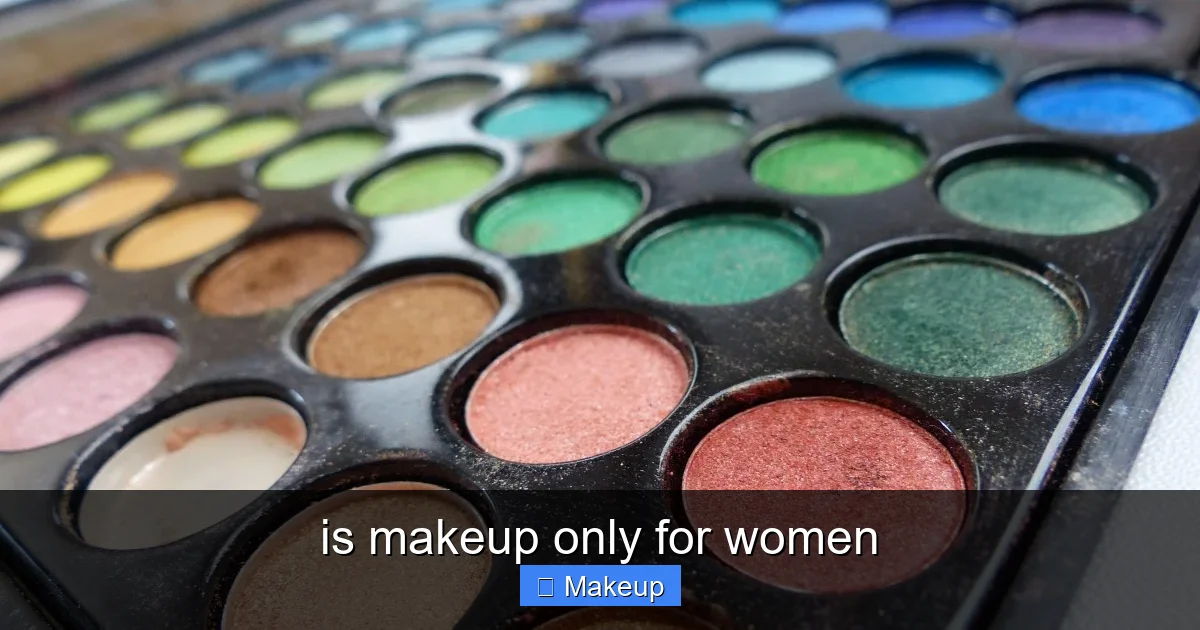
Featured image for this comprehensive guide about is makeup only for women
Image source: c.pxhere.com
Is Makeup Only For Women? Unpacking Gender Norms in Beauty
For decades, the beauty aisle has been predominantly seen as a female domain. Glossy advertisements, product packaging, and societal conversations have largely reinforced the idea that makeup is an accessory exclusively for women. But as we navigate an increasingly fluid and expressive world, this deeply ingrained perception is rapidly being challenged. Is the notion that is makeup only for women an outdated stereotype, or does it hold any modern truth?
This isn’t just a question about cosmetics; it’s about breaking down gender norms, embracing personal expression, and understanding the rich, often surprising, history of beauty. Join us as we explore the evolution of makeup, debunk myths, and celebrate the growing movement towards beauty for all genders.
📋 Table of Contents
A Journey Through Time: The Ancient Roots of Male Makeup
To truly answer the question, “is makeup only for women?”, we need to take a trip back in time. What we discover might surprise you: historically, makeup was far from exclusive to one gender. In fact, for centuries, men embraced cosmetics with as much enthusiasm, if not more, than women.
From Pharaohs to Aristocrats: A Unisex Past
- Ancient Egypt: Both men and women famously used kohl eyeliner to protect their eyes from the sun and ward off evil spirits. Green malachite eye paint was also common, signaling status and devotion to the gods. Pharaohs and commoners alike adorned themselves.
- Ancient Rome & Greece: Roman men often used rouge on their cheeks, lightened their skin, and even painted their nails to signify social standing. In Greece, olive oil and perfumed oils were used for skincare, and some men would lighten their hair.
- 17th & 18th Century Europe: The peak of male makeup in the Western world arrived with the European aristocracy. French and English noblemen powdered their faces, wore beauty patches (mouches), rouged their lips and cheeks, and sported elaborate wigs. King Louis XIV of France was a prime example, often seen with painted lips and powdered skin. This wasn’t about femininity; it was about power, wealth, and status.
However, by the mid-19th century, a significant shift occurred. The rise of Victorian ideals, which emphasized masculinity as austere, natural, and free from “frivolous” adornment, led to men abandoning makeup. This era effectively cemented the idea that makeup was solely for women, setting the stage for the gendered perception we still contend with today.
| Category/Aspect | Historically/Traditionally Perceived (Often Female-Centric) | Modern/Inclusive Reality (Expanding Beyond Women) | Key Insight |
|---|---|---|---|
| **Historical Usage** | Mainly associated with women in Western societies (especially post-Victorian era). | Used by men and women in ancient civilizations (e.g., Egyptians, Romans); men in 18th century Europe wore powder and rouge. | Makeup’s history is gender-fluid; the female-only perception is a relatively recent societal construct. |
| **Primary Consumer Group (Present)** | Overwhelmingly women (e.g., 90%+ of the beauty market in many regions). | While women remain primary, the men’s grooming/makeup market is a rapidly growing segment (e.g., projected 20-30% annual growth in some regions for men’s specific products). | The market is diversifying, with increasing demand for male-specific and gender-neutral cosmetic products. |
| **Motivations for Wearing** | Beauty enhancement, concealing imperfections, adhering to feminine beauty standards. | Self-expression, artistic creativity, confidence boost, professional presentation, skin correction, and personal identity (for all genders). | Motivations transcend gender, focusing on personal agency, well-being, and individual expression rather than just gender-specific roles. |
| **Societal Perception** | For women, a sign of femininity; for men, often viewed as unconventional, effeminate, or met with stigma. | Increasing acceptance of men wearing makeup, greater fluidity in gender expression; focus on individual choice and personal style. | Social norms are shifting, challenging rigid gender roles and promoting broader acceptance of diverse expressions in grooming and beauty. |
| **Product Marketing** | Predominantly targeted at women, emphasizing traditional feminine beauty ideals. | Rise of “gender-neutral” or “all-gender” beauty brands; male celebrities and influencers openly promoting makeup and skincare. | The industry is adapting to reflect a more inclusive consumer base, moving away from strictly gendered marketing. |
Shifting Sands: Why Did Makeup Become “Feminine”?
The transition from a unisex beauty culture to one where the query “is makeup only for women?” even exists is fascinating. Several factors contributed to makeup’s gradual association primarily with women.
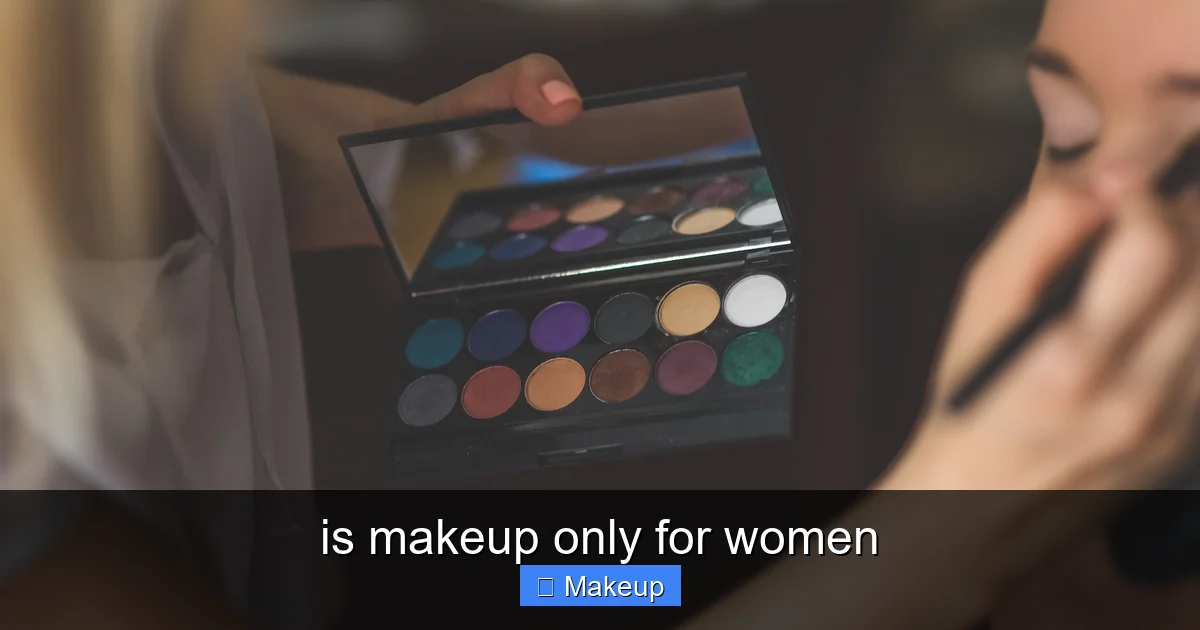
Learn more about is makeup only for women – is makeup only for women
Image source: get.pxhere.com
The Victorian Era and Beyond: The Great Divide
- The “Great Male Renunciation”: As mentioned, the Victorian era brought about a stark division of gender roles. Men were expected to be serious, rational, and industrious, while women were associated with beauty, emotion, and domesticity. Makeup, once a symbol of power for men, became associated with vanity and theatricality, deemed inappropriate for “serious” gentlemen.
- Industrialization and Class: The rise of the middle class also played a role. Makeup began to be associated with either the lower classes (prostitutes or performers) or the decadent upper classes, neither of which were ideal for the emerging male identity of the respectable, working man.
- Targeted Marketing: Throughout the 20th century, as the cosmetics industry boomed, marketing campaigns overwhelmingly targeted women. Products were designed, advertised, and sold with women in mind, further solidifying the gendered perception of makeup. This created a self-fulfilling prophecy, where the absence of male representation in beauty media reinforced the idea that makeup for men was simply not a thing.
This historical trajectory shows that the idea that is makeup only for women is a relatively modern construct, born out of specific societal and cultural shifts, rather than an inherent truth.
The Modern Resurgence: Men Breaking Beauty Barriers Today
Fast forward to the 21st century, and the beauty landscape is once again shifting dramatically. The question, “is makeup only for women?”, feels increasingly irrelevant in a world that champions individuality and self-expression. We are witnessing a powerful resurgence of men wearing makeup, challenging outdated norms and redefining beauty.
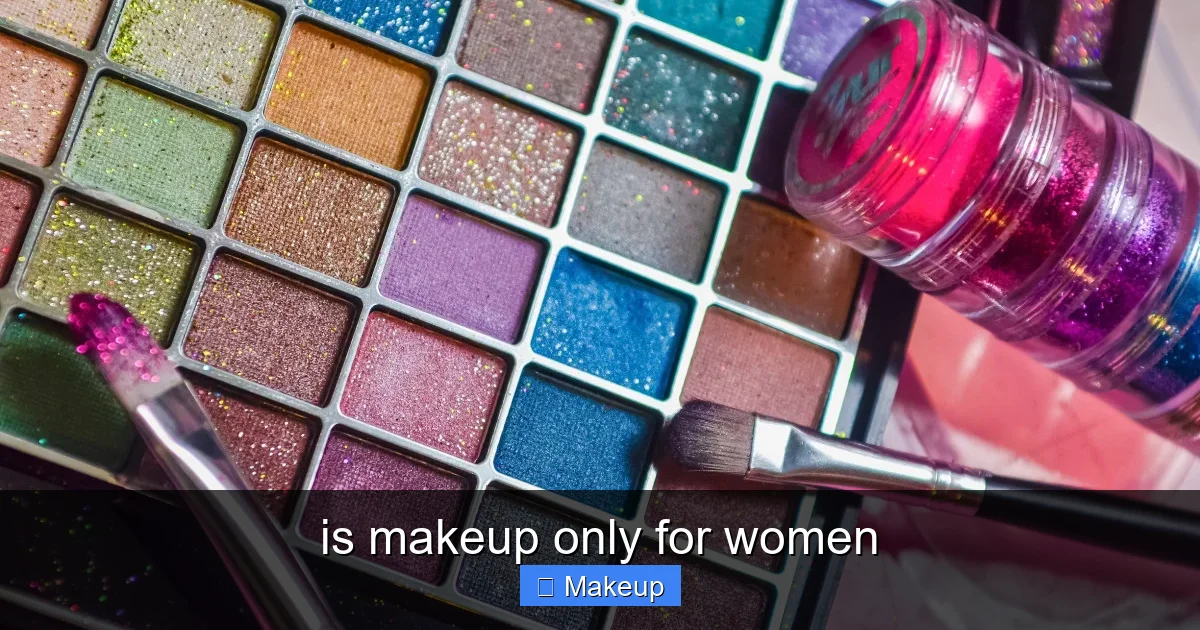
Learn more about is makeup only for women – is makeup only for women
Image source: c.pxhere.com
Influencers, Celebrities, and Everyday Men: A New Era
- Social Media & Influencers: Platforms like Instagram and TikTok have been instrumental. Male beauty influencers like James Charles, Bretman Rock, and Patrick Starrr have amassed millions of followers, showcasing elaborate makeup looks and demystifying the art for a broader audience.
- Celebrity Endorsement: High-profile celebrities such as Harry Styles, Lil Nas X, and Ezra Miller openly embrace makeup, from subtle enhancements to bold artistic statements, normalizing cosmetics for everyone on a global stage.
- Mainstream Acceptance: Beyond the celebrity sphere, more and more everyday men are using makeup, whether it’s a touch of concealer for dark circles, a tinted moisturizer to even out skin tone, or a brow gel for definition. The focus has moved from “hiding” to “enhancing.”
The Evolution of Male Grooming
The growth of the men’s grooming market has also paved the way. What started with skincare and hair products has expanded into “cosmeceuticals” – products that blur the lines between grooming and makeup. Market research indicates the global men’s grooming market is projected to reach over $81.24 billion by 2024, demonstrating a clear demand for products that help men look and feel their best. This includes everything from subtle bronzers to anti-aging foundations, proving that male grooming is evolving to include more than just shaving cream.
Beyond Gender: The Personal Power of Makeup
At its core, makeup is a tool. And like any tool, its purpose is defined by the user. The idea that is makeup only for women strips away its universal potential for creativity, confidence, and self-care.
Self-Expression and Confidence: Not Gender-Specific
For many, makeup isn’t about conforming to gender roles; it’s about personal agency. It can be:
- A form of artistic expression: Just like painting on a canvas, makeup allows for creative exploration and transformation.
- A confidence booster: Whether it’s covering a breakout or enhancing features, makeup can make individuals feel more put-together and self-assured.
- A ritual of self-care: The act of applying makeup can be a meditative and enjoyable routine, contributing to overall well-being.
These benefits are universally applicable. Why should men be denied a tool that can uplift their spirits, boost their self-esteem, or simply allow them to express their unique aesthetic?
Challenging Societal Norms
Every time a man chooses to wear makeup, he participates in breaking beauty stereotypes. This collective shift helps to normalize the idea that beauty is truly inclusive and that appearances should not be dictated by outdated societal expectations. It promotes a world where individuals are free to define their own beauty standards, leading to greater acceptance and fluidity for beauty for all genders.
Tips for Men Exploring Makeup: Actionable Insights
If you’re a man considering exploring makeup, remember there’s no right or wrong way to do it. The goal is to find what makes you feel comfortable and confident. Here are some actionable tips to get started with makeup for men:
Starting Simple: A Beginner’s Guide
- Concealer is Your Friend: Start with a good concealer. It’s excellent for covering dark under-eye circles, blemishes, or redness. Choose one that matches your skin tone perfectly.
- Tinted Moisturizer or BB Cream: If you want to even out your skin tone without a heavy feel, a tinted moisturizer or BB cream is ideal. They offer light coverage and often contain skincare benefits like SPF.
- Brow Gel for Definition: Well-groomed eyebrows can frame your face beautifully. A clear or lightly tinted brow gel can tame unruly hairs and add definition without looking “made up.”
- Lip Balm (Maybe Tinted): Hydrated lips are key. A good quality lip balm is essential. If you want a subtle hint of color, a tinted lip balm can add a healthy flush.
- Experiment with Bronzer: For a healthy, sun-kissed glow without sun damage, a subtle bronzer can be applied where the sun naturally hits your face (forehead, cheekbones, nose).
Where to Find Resources:
- Online Tutorials: YouTube is a treasure trove of tutorials specifically for men wearing makeup. Search for “men’s natural makeup,” “beginner makeup for guys,” or “male grooming routines.”
- Beauty Counter Consultations: Many department store beauty counters offer free consultations. Don’t be shy – explain what you’re looking for (e.g., natural enhancement, blemish coverage), and they can help you find suitable products and shades.
- Start Small, Practice Often: Begin with one or two products and integrate them into your routine. Practice makes perfect, and you’ll quickly learn what works best for your skin and desired look.
Conclusion: Beauty Has No Gender
The question, “is makeup only for women?”, is becoming increasingly obsolete. History shows us that makeup has always been a powerful tool for expression, status, and self-care, used by all genders across various cultures and eras. The modern resurgence of men wearing makeup is not just a trend; it’s a reflection of a society that increasingly values individual expression over rigid gender norms.
As we move forward, the beauty industry and society at large are embracing a more inclusive vision – one where cosmetics are recognized for their universal ability to inspire confidence, creativity, and joy, regardless of who is applying them. So, the next time someone asks if makeup is only for women, you can confidently say: absolutely not. Beauty is for everyone, always has been, and always will be.
“`
🎥 Related Video: Easy no makeup makeup look|| everyday makeup
📺 Pretty She is
Frequently Asked Questions
Is makeup exclusively for women?
No, makeup is not exclusively for women. While traditionally marketed towards women in many Western cultures, its use spans all genders and has a rich history across different societies and time periods. It’s a form of self-expression and personal grooming available to everyone.
Do men wear makeup?
Yes, men absolutely wear makeup. From celebrities and public figures to everyday individuals, men use makeup for various reasons, including concealing imperfections, enhancing features, or for theatrical and professional purposes. The perception that makeup is solely feminine is a relatively recent societal construct.
Has makeup always been seen as only for women?
Historically, makeup was not always seen as only for women. In ancient Egypt, Rome, and many other cultures, both men and women used cosmetics for beauty, religious rituals, and social status. The association of makeup primarily with women became prominent in Western societies during certain periods, particularly after the Victorian era.
Why do some people believe makeup is only for women?
The belief that makeup is only for women largely stems from modern Western societal norms and marketing trends that emerged in the last century. Cultural conditioning and advertising campaigns have historically targeted women, creating a strong association that often overlooks makeup’s gender-neutral past and present usage.
What types of makeup do men typically use?
Men use a wide range of makeup products, often opting for subtle enhancements. Common items include tinted moisturizers, concealers for blemishes or dark circles, brow gels to tidy eyebrows, and clear lip balm or subtle lip tints. However, some men also explore more expressive makeup looks, just like women.
Can anyone wear makeup, regardless of gender identity?
Absolutely, anyone can wear makeup regardless of their gender identity. Makeup is a tool for self-expression, creativity, and enhancing one’s appearance according to personal preference. Its purpose is to make the wearer feel confident and comfortable, and gender should not be a barrier to its use.