
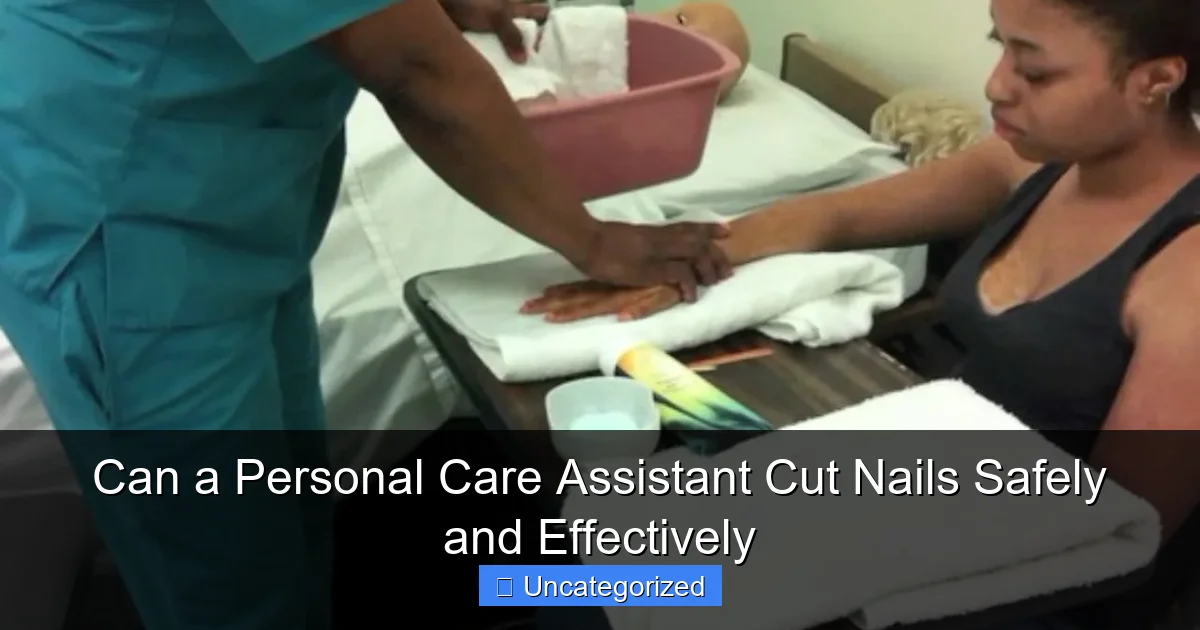
Featured image for can a personal care assistant cut nails
Image source: i.ytimg.com
Yes, a personal care assistant can cut nails safely and effectively when trained in proper techniques and hygiene practices, reducing the risk of injury or infection. With the right tools and awareness of conditions like diabetes or poor circulation, they provide a valuable service that promotes both comfort and foot health.
Key Takeaways
- Yes, PCAs can cut nails: With proper training and tools, they ensure safe, effective care.
- Hygiene is critical: Always sterilize tools before and after each use to prevent infections.
- Check for contraindications: Avoid cutting if there’s swelling, infection, or circulation issues.
- Use correct techniques: Cut straight across and file edges to reduce injury risks.
- Communicate clearly: Confirm client comfort and preferences before and during the process.
- Know your limits: Refer to a podiatrist for ingrown or severely thickened nails.
📑 Table of Contents
- Can a Personal Care Assistant Cut Nails Safely and Effectively?
- Understanding the Role of a Personal Care Assistant in Nail Care
- When Is It Safe for a PCA to Cut Nails?
- Tools, Techniques, and Best Practices for Safe Nail Cutting
- Legal, Ethical, and Agency Considerations
- Alternatives and When to Seek Professional Help
- Data Table: Nail Care Risk Assessment by Condition
- Conclusion
Can a Personal Care Assistant Cut Nails Safely and Effectively?
When it comes to personal grooming and hygiene, few tasks are as routine—yet as sensitive—as nail care. For many individuals, especially seniors, people with disabilities, or those recovering from illness, maintaining proper nail hygiene can be challenging. This is where a personal care assistant (PCA) often steps in, offering support with daily activities such as bathing, dressing, and grooming. But can a PCA safely and effectively cut nails? This question arises frequently among families, caregivers, and healthcare providers, especially when mobility, dexterity, or medical conditions make self-care difficult.
The answer is not a simple yes or no—it depends on several factors, including the PCA’s training, the individual’s health status, and the tools and techniques used. While many personal care assistants are trained and equipped to perform basic nail care, there are important considerations to ensure safety, prevent injury, and maintain dignity. In this comprehensive guide, we’ll explore the role of personal care assistants in nail care, the risks and benefits, best practices, legal and ethical considerations, and how to ensure that nail cutting is done both safely and effectively. Whether you’re a caregiver, a family member, or a PCA yourself, this article will equip you with the knowledge to make informed decisions about nail care for vulnerable individuals.
Understanding the Role of a Personal Care Assistant in Nail Care
What Is a Personal Care Assistant?
A personal care assistant (PCA), also known as a personal care aide or home health aide, is a trained professional who provides non-medical, in-home assistance to individuals who need help with daily living activities. Their responsibilities typically include:
Visual guide about can a personal care assistant cut nails
Image source: i.ytimg.com
- Assisting with bathing, dressing, and grooming
- Helping with mobility and transfers
- Preparing meals and feeding
- Light housekeeping
- Monitoring vital signs (in some cases)
- Providing companionship and emotional support
While PCAs are not licensed nurses or medical professionals, they often receive specialized training in hygiene, infection control, and safe handling techniques. This includes basic grooming tasks such as nail care, which falls under the umbrella of personal hygiene assistance.
Is Nail Cutting Within a PCA’s Scope of Practice?
Yes, nail trimming is generally considered within the scope of a PCA’s duties, provided it is a non-invasive, routine hygiene task. Most state regulations and home care agency guidelines allow PCAs to assist with nail care, especially for clients who are unable to do it themselves due to physical or cognitive limitations.
However, there are exceptions. For example:
- If the client has diabetes, peripheral neuropathy, or poor circulation, nail care may require medical oversight.
- If the client has fungal infections, ingrown nails, or open sores, the task may be outside the PCA’s scope and should be handled by a nurse or podiatrist.
- In some states, PCAs are prohibited from using certain tools (e.g., electric nail files) or performing advanced procedures.
It’s essential to consult the PCA’s training manual, agency policies, and the client’s care plan to determine what is permitted. When in doubt, err on the side of caution and consult a healthcare provider.
Training and Certification for Nail Care
Many PCA training programs include a module on personal grooming, which covers:
- Proper hand and foot hygiene
- Safe nail trimming techniques
- Infection prevention (handwashing, tool sterilization)
- Recognizing signs of nail problems (fungus, ingrown nails, discoloration)
For example, the National Association for Home Care & Hospice (NAHC) recommends that aides receive hands-on training in nail care, including how to use clippers, files, and buffers safely. Some agencies also provide refresher courses every 6–12 months to ensure compliance with best practices.
When Is It Safe for a PCA to Cut Nails?
Assessing the Client’s Health Status
Before a PCA begins nail care, they must conduct a quick health assessment to determine if the task is safe. Key considerations include:
- Diabetes: Diabetic clients are at higher risk for foot ulcers and infections. Even minor cuts can lead to serious complications. PCAs should never attempt to trim nails if the client has diabetes and poor circulation, unless explicitly trained and authorized.
- Cognitive Impairment: Clients with dementia or Alzheimer’s may not understand the process or may resist care. A PCA must use gentle communication, distraction techniques, and patience to ensure safety.
- Mobility Issues: Clients with arthritis or limited dexterity may have thickened or misshapen nails. These require extra care and the right tools (e.g., heavy-duty clippers).
- Skin Conditions: Eczema, psoriasis, or fungal infections may make the skin around the nails fragile. Aggressive trimming can cause bleeding or worsen the condition.
As a general rule: If the client has any condition that increases the risk of infection or injury, nail care should be referred to a nurse or podiatrist.
Recognizing Red Flags
PCAs should be trained to identify warning signs that indicate nail care is not safe. These include:
- Swelling, redness, or warmth around the nail
- Thickened, yellow, or brittle nails (possible fungal infection)
- Pain when pressing on the nail bed
- Ingrown nails (especially in the big toe)
- Open sores or bleeding
- Signs of infection (pus, foul odor)
If any of these are present, the PCA should stop immediately, document the observation, and notify the client’s nurse, family, or care coordinator. In many cases, the client will need a podiatrist appointment for professional treatment.
Special Considerations for Seniors
Seniors are the largest group of PCA clients, and their nails often require special attention. With age, nails tend to:
- Become thicker and harder to cut
- Grow more slowly
- Become more brittle
- Develop ridges or discoloration
PCAs should use senior-friendly tools such as:
- Large-handled clippers for better grip
- Magnifying lamps for visibility
- Electric nail files (with caution)
- Non-slip mats to prevent falls during foot care
Additionally, seniors may have vision problems, so the PCA should ensure good lighting and use clear verbal cues during the process.
Tools, Techniques, and Best Practices for Safe Nail Cutting
Essential Tools for PCA Nail Care
Using the right tools is critical for safe and effective nail care. A well-equipped PCA should carry a sterilized nail care kit that includes:
- Nail clippers: Choose sharp, stainless steel clippers. For thick nails, use heavy-duty or podiatrist-style clippers.
- Nail file: A fine-grit emery board or glass file to smooth edges.
- Cuticle pusher: A rubber or wooden tool to gently push back cuticles (do not cut cuticles).
- Tweezers: For removing debris or hangnails (only if trained).
- Antiseptic wipes: To clean the area before and after.
- Disposable gloves: For infection control.
- Magnifying lamp: For better visibility, especially with seniors.
Tip: Never share nail tools between clients. Always sterilize tools after each use using an autoclave or alcohol wipe.
Step-by-Step Nail Cutting Procedure
Follow this safe and systematic approach to nail care:
- Wash hands and put on gloves.
- Explain the process to the client and obtain consent.
- Wash the client’s hands or feet with mild soap and warm water. Soak for 5–10 minutes to soften nails.
- Dry thoroughly, especially between toes and fingers.
- Inspect nails for abnormalities (as discussed earlier).
- Use clippers to cut straight across—never in a curved shape—to prevent ingrown nails.
- File edges to smooth them. File in one direction only to prevent splitting.
- Gently push back cuticles with a pusher. Do not cut cuticles, as this can lead to infection.
- Wipe the area with an antiseptic.
- Dispose of gloves and sterilize tools.
- Document the procedure in the client’s care log.
Pro Tip: For clients with thick toenails, consider using a nail nipper (a scissor-like tool) for better leverage.
Hygiene and Infection Control
Infection control is paramount. PCAs must follow strict protocols to prevent the spread of bacteria, fungi, and viruses:
- Wash hands before and after care.
- Use disposable gloves for each client.
- Clean tools with 70% isopropyl alcohol or a hospital-grade disinfectant.
- Store tools in a clean, dry container.
- Never use shared towels or rags.
- Report any skin tears or bleeding immediately.
According to the Centers for Disease Control and Prevention (CDC), proper hand hygiene can reduce healthcare-associated infections by up to 50%. This is especially important in home care settings, where infection control may be less rigorous than in hospitals.
Legal, Ethical, and Agency Considerations
Scope of Practice and Liability
PCAs operate under a defined scope of practice that varies by state and agency. Performing tasks outside this scope—such as treating ingrown nails or using medical-grade tools—can lead to:
- Legal liability for the PCA
- Disciplinary action from the agency
- Malpractice claims (in rare cases)
For example, in California, PCAs are prohibited from performing any task that requires medical judgment, including nail care for diabetic clients. In contrast, some states allow PCAs to assist with nail care under nurse supervision.
To avoid liability, PCAs should:
- Always follow the client’s care plan
- Obtain written consent for nail care
- Document all procedures and observations
- Report concerns to supervisors immediately
Consent and Dignity
Even routine tasks like nail care require informed consent. The PCA should:
- Explain what will happen
- Ask for permission
- Respect the client’s preferences (e.g., length, shape)
- Stop if the client expresses discomfort
Maintaining dignity is crucial. Some clients may feel embarrassed or vulnerable during nail care. The PCA should:
- Provide privacy (close doors, use towels)
- Use gentle, respectful language
- Focus on comfort, not speed
Example: A PCA caring for a 78-year-old woman with arthritis should say, “I’ll help you trim your nails today. I’ll go slowly and let you know what I’m doing. Is that okay?”
Agency Policies and Training
Home care agencies often have detailed protocols for nail care. These may include:
- Requiring a nurse to assess high-risk clients
- Providing specialized training for diabetic nail care
- Using only agency-approved tools
- Requiring documentation after each nail care session
PCAs should review their agency’s policies regularly and attend all training sessions. When in doubt, ask a supervisor before proceeding.
Alternatives and When to Seek Professional Help
When to Refer to a Podiatrist or Nurse
Not all nail care can—or should—be done by a PCA. In the following situations, professional intervention is required:
- Diabetes with foot complications
- Chronic fungal infections (onychomycosis)
- Recurrent ingrown nails
- Severe nail deformities (e.g., pincer nails)
- Numbness or lack of sensation in feet (neuropathy)
- Recent foot surgery or trauma
Podiatrists are specially trained to handle these conditions and can provide treatments such as:
- Laser therapy for fungal nails
- Minor surgery for ingrown nails
- Custom orthotics to prevent pressure sores
Tip: Schedule a podiatrist visit every 6–12 months for high-risk clients, even if their nails appear healthy.
Using Electric Nail Files and Other Devices
Electric nail files can be helpful for thick or brittle nails, but they require caution and training. PCAs should:
- Use only low-speed settings
- Hold the file at a 45-degree angle
- Move in one direction only
- Stop if the client feels pain or heat
Never use electric files on clients with diabetes or poor circulation without nurse supervision.
Community and Telehealth Resources
For clients who cannot access regular nail care, consider:
- Mobile podiatry services: Some clinics send podiatrists to homes.
- Telehealth consultations: Nurses or podiatrists can guide PCAs via video call.
- Senior centers: Offer free or low-cost foot care clinics.
These resources can help ensure that vulnerable individuals receive consistent, safe nail care.
Data Table: Nail Care Risk Assessment by Condition
| Client Condition | PCA Nail Care Safe? | Recommended Action | Frequency |
|---|---|---|---|
| Healthy adult, no medical issues | Yes | Routine trimming by PCA | Every 4–6 weeks |
| Diabetes, no foot complications | Yes, with caution | Use blunt-tip clippers; refer to podiatrist annually | Every 4 weeks |
| Diabetes with neuropathy | No | Podiatrist only; no PCA trimming | Every 2–3 months |
| Arthritis, thickened nails | Yes, with special tools | Use heavy-duty clippers; soak nails first | Every 3–4 weeks |
| Fungal infection (confirmed) | No | Podiatrist treatment first; PCA can assist after clearance | As needed |
| Cognitive impairment (dementia) | Yes, with supervision | Use distraction, gentle handling; document behavior | Every 4–6 weeks |
Conclusion
So, can a personal care assistant cut nails safely and effectively? The answer is a resounding yes—when done correctly, within scope, and with the right precautions. Nail care is a vital part of personal hygiene, and PCAs play a crucial role in helping vulnerable individuals maintain their health, dignity, and comfort. However, it’s not a one-size-fits-all task. Success depends on the PCA’s training, the client’s health status, the tools used, and adherence to infection control and ethical standards.
Key takeaways include:
- Always assess the client’s health before starting nail care.
- Use the right tools and follow a systematic, hygienic procedure.
- Know when to refer to a nurse or podiatrist—especially for high-risk conditions.
- Prioritize consent, communication, and dignity.
- Stay updated on agency policies and best practices.
When performed with care and expertise, nail trimming by a personal care assistant is not just a routine task—it’s an act of compassion that supports overall well-being. For families and caregivers, understanding the nuances of this responsibility ensures that loved ones receive safe, effective, and respectful care. And for PCAs, mastering this skill enhances their value as trusted members of the care team.
In the end, safe nail care is about more than cleanliness—it’s about preventing complications, promoting independence, and preserving human dignity. With the right knowledge and approach, personal care assistants can make a meaningful difference, one nail at a time.
Frequently Asked Questions
Can a personal care assistant cut nails safely?
Yes, a trained personal care assistant can cut nails safely by following proper hygiene practices and using sterilized tools. They typically assess the client’s nail health and avoid cutting too close to prevent injury or infection.
What qualifications should a personal care assistant have to cut nails?
A qualified personal care assistant should have basic grooming training, knowledge of foot/nail care, and infection control protocols. Certification in personal care assistant services often includes these skills.
Is it hygienic for a personal care assistant to trim nails?
Yes, if they use clean, sanitized tools and wear gloves. Reputable caregivers follow strict hygiene routines to reduce risks of bacterial or fungal infections during nail care.
Can a personal care assistant cut thick or ingrown nails?
Most assistants avoid cutting thick or ingrown nails, as this requires specialized training. They may refer clients to a podiatrist or nurse for these high-risk cases.
How often should a personal care assistant trim a client’s nails?
Frequency depends on the client’s needs, but typically every 2–4 weeks for toenails and weekly for fingernails. A personal care assistant will tailor this to the individual’s nail growth and health.
What tools does a personal care assistant use for nail care?
They use sterilized clippers, nail files, cuticle pushers, and antiseptic wipes. Some may also use electric nail grinders for smoother results on thick nails.