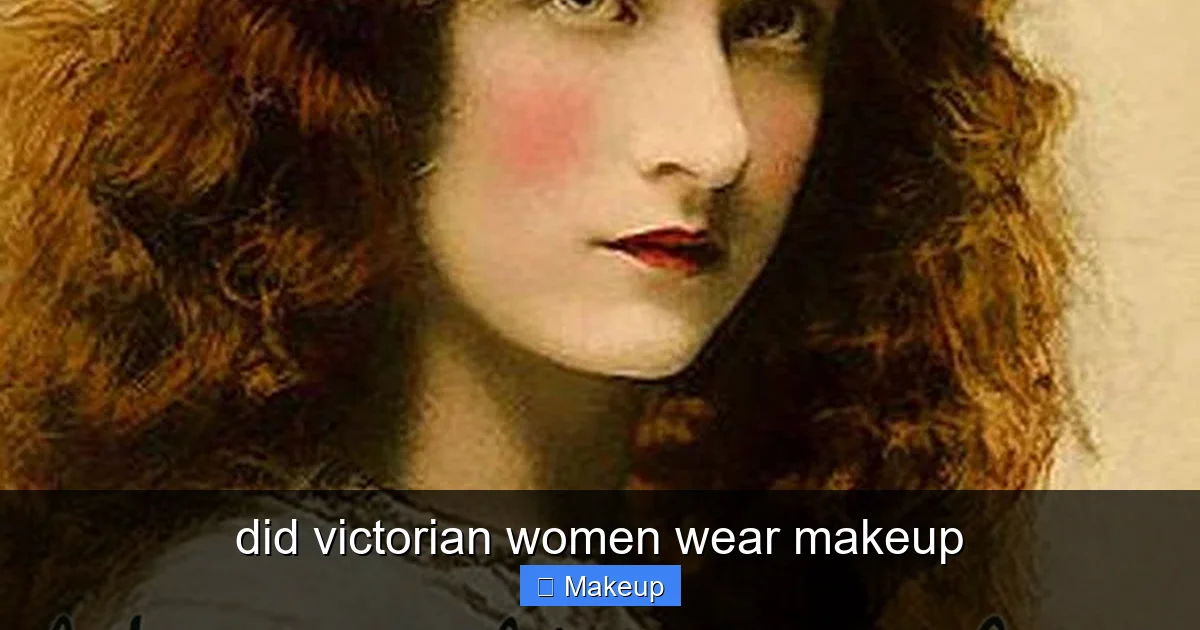
Featured image for this comprehensive guide about did victorian women wear makeup
Image source: vintagemakeupguide.com
The Victorian era, synonymous with strict moral codes, elaborate fashion, and a distinct air of prudishness, often conjures images of women with porcelain complexions, demure expressions, and a seemingly untouched natural beauty. But beneath the surface of this prim and proper facade, a fascinating secret simmered: did Victorian women wear makeup? The answer, like much of the Victorian age itself, is far more complex and nuanced than a simple yes or no. While overt use of cosmetics was largely frowned upon, a subtle, often clandestine world of beauty enhancements thrived, shaping what was considered the ideal feminine aesthetic.
Join us as we peel back the layers of history to explore the intricate relationship between Victorian women and makeup, uncovering the societal pressures, the daring secrets, and the dangerous concoctions that defined beauty standards during one of history’s most captivating periods. Get ready to challenge your assumptions about Victorian era beauty standards and discover the surprising truths about how women adorned themselves in an age of strict social rules.
📋 Table of Contents
- The Paradox of Purity: Did Victorian Women Wear Makeup?
- Queen Victoria’s Influence and the Cult of Natural Beauty
- The Covert Cosmetic Kit: Mastering the “No-Makeup” Look
- Perilous Potions: The Dark Side of Victorian Beauty Products
- Beyond the Veil: Who Dared to Defy the Norm?
- Echoes of an Era: Victorian Beauty’s Enduring Legacy
- Conclusion
The Paradox of Purity: Did Victorian Women Wear Makeup?
To understand the use of cosmetics in Victorian times, one must first grasp the prevailing social attitudes. Queen Victoria herself was known to disapprove of makeup, associating it with actresses, “painted women” (i.e., prostitutes), and those of questionable moral character. For respectable women, particularly those of the middle and upper classes, the ideal was a “natural” look – a rosy glow achieved through health, fresh air, and good breeding, not artificial enhancements. This created a profound paradox: while society dictated a preference for natural beauty, the desire for an idealized appearance remained potent. So, while you might not have seen Victorian women wear makeup overtly, they certainly found ways to enhance their features.
The pursuit of natural beauty was intertwined with notions of purity, innocence, and domesticity. A woman’s appearance was a reflection of her inner virtue and her family’s social standing. To appear as if one needed artificial help was to admit a deficiency, either in health or morality. This strong social stigma meant that if a woman did use cosmetics, it was done with extreme discretion, aiming for an effect so subtle that it appeared she was wearing no makeup at all.
| Aspect | Societal Perception & Public Use | Covert Methods & Products | Desired Aesthetic Outcome |
|---|---|---|---|
| Overall Use | Openly wearing makeup was largely taboo for “respectable” women, associated with actresses, prostitutes, and the working class. | Extremely subtle, often homemade, and applied in private to enhance natural features. | A “naturally” beautiful, pure, and modest appearance, devoid of any visible artifice. |
| Skin Tone | Pale skin was highly fashionable, signifying leisure and a delicate constitution. Sun tans were avoided. | Rice powder, zinc oxide, or sometimes dangerous lead-based “enamels” for extreme pallor. Cucumber or elderflower water for cleansing. | Flawless, porcelain-white complexion, free from blemishes or sun damage. |
| Cheeks | Rosy cheeks were desirable if they appeared natural, implying good health rather than applied color. | Pinching cheeks to bring blood to the surface. Subtle dabs of beetroot juice, cochineal, or tinted lip balm. | A delicate, healthy flush that seemed to emanate from within. |
| Lips | Full, naturally red lips were preferred. Lipstick was considered vulgar. | Biting lips, applying clear or lightly tinted balms (e.g., made with beeswax and rosewater), or dabbing with beetroot juice. | Soft, naturally rosy lips that appeared full and healthy. |
| Eyes | Bright, wide, sparkling eyes were valued. Dark eye makeup (mascara, kohl, eyeliner) was strongly condemned. | Highly dangerous belladonna (deadly nightshade extract) was sometimes used to dilate pupils, making eyes appear larger and brighter. | Large, luminous eyes, often with a slightly glassy, alluring look (achieved at great personal risk). |
The Moral Implications of a “Painted Face”
- Association with Immorality: Brightly rouged cheeks and heavily painted lips were hallmarks of women on the fringes of society.
- Deception: Makeup was seen as a form of deceit, obscuring a woman’s true appearance and potentially her character.
- Unnaturalness: The ideal woman was a product of nature and God’s design, not human artifice.
Queen Victoria’s Influence and the Cult of Natural Beauty
Queen Victoria’s personal preferences played a significant role in setting the tone for fashion and beauty standards throughout her long reign (1837-1901). Her conservative views, particularly regarding feminine appearance, permeated society. The Queen’s preference for a natural, unadorned look became the benchmark for respectability. This isn’t to say that all Victorian cosmetics were banished; rather, their purpose shifted dramatically.
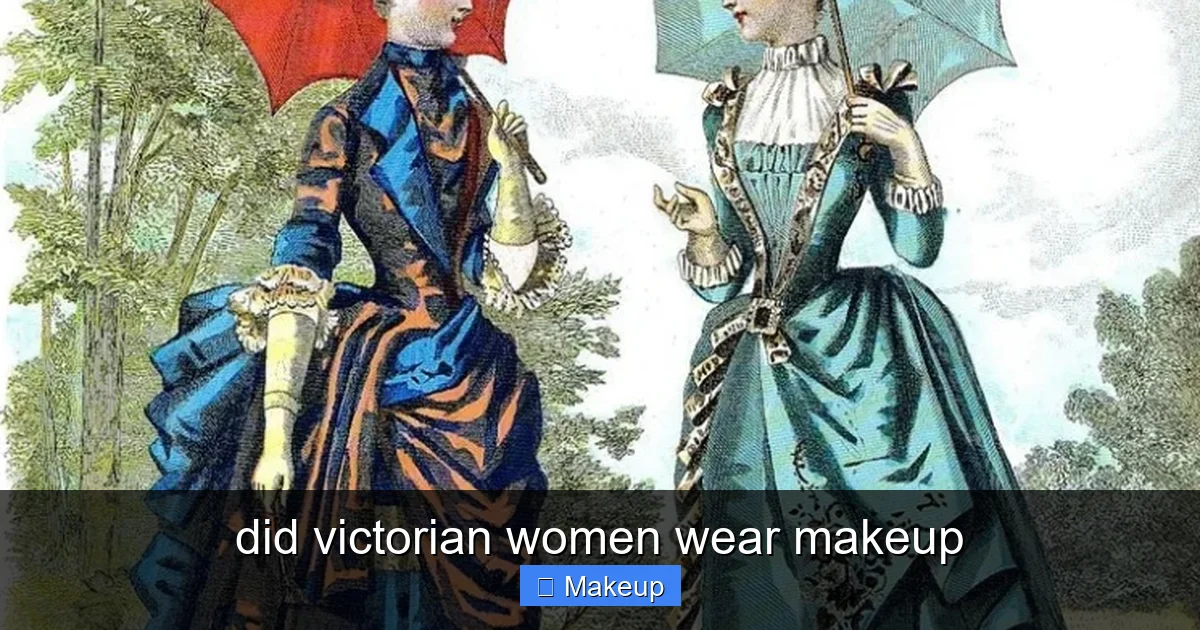
Learn more about did victorian women wear makeup – did victorian women wear makeup
Image source: 4.bp.blogspot.com
The emphasis was on creating an illusion of inherent beauty. Pale skin, a sign of refinement and avoidance of manual labor, was highly coveted. Rosy cheeks and bright eyes were also desirable, suggesting good health and vitality. The challenge for Victorian women was how to achieve these effects without appearing as though they had applied any artificial aid. This spurred innovation in subtle beauty practices that flew under the radar of societal disapproval.
The Covert Cosmetic Kit: Mastering the “No-Makeup” Look
Despite the strictures, women found ingenious and often covert ways to enhance their appearance. The goal was always subtlety – to appear naturally flushed, bright-eyed, and clear-skinned. This “no-makeup” makeup look required skill and a specific set of tools and techniques. So, how did Victorian women wear makeup without *looking* like they were wearing makeup?
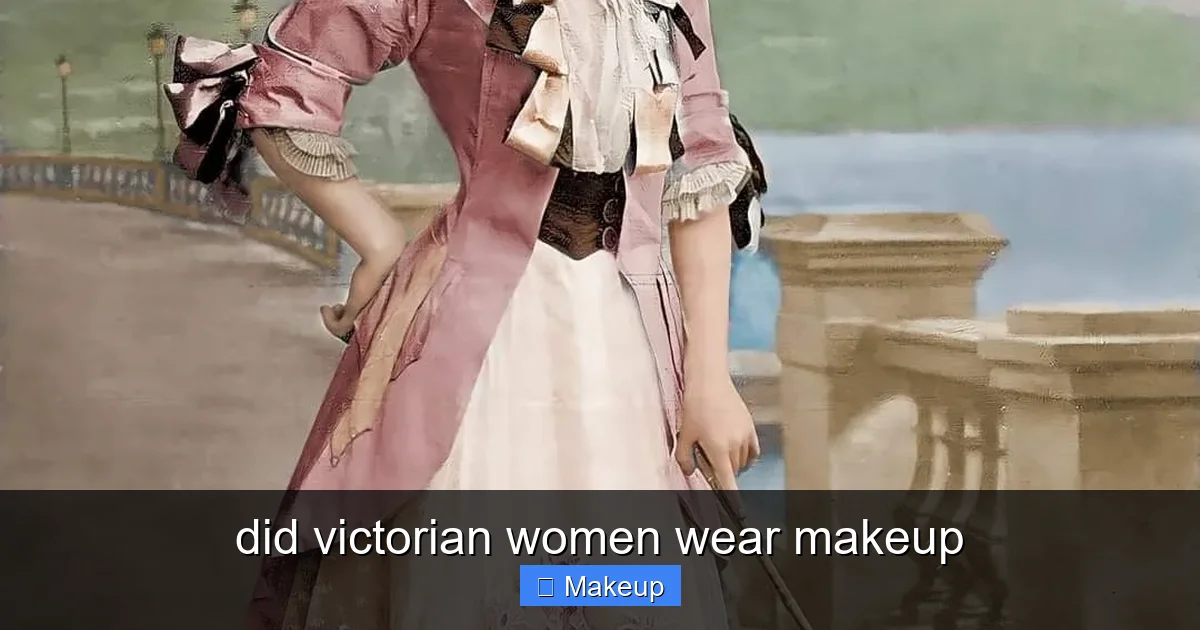
Learn more about did victorian women wear makeup – did victorian women wear makeup
Image source: i.pinimg.com
Acceptable Enhancements and Secret Tricks:
- Pallor and Complexion: White lead or zinc oxide powders were used to achieve a desirable pale complexion. Rice powder was a safer, popular alternative. Lemon juice was sometimes applied to the skin for bleaching, and a variety of skin creams aimed to lighten and soften.
- Rosy Cheeks: Instead of overt blush, women would pinch their cheeks vigorously to bring natural color to the surface. Some used tinted creams or subtle rouges made from beet juice or cochineal, applied sparingly and blended meticulously.
- Red Lips: Biting one’s lips to increase blood flow was a common trick for a naturally rosy pout. Some discreetly dabbed a bit of tinted paper or even a drop of beet juice for a subtle stain.
- Bright Eyes: To make eyes appear larger and brighter, women sometimes used belladonna (deadly nightshade) eye drops. While effective in dilating pupils, it was incredibly dangerous and could cause blindness with prolonged use. Kôhl was used, but mainly by those who weren’t strictly adhering to the “natural” look.
- Hair and Skincare: A significant portion of Victorian beauty products focused on hair care (elaborate styles, oils, and dyes) and extensive skincare routines, including elaborate tonics, lotions, and creams to maintain a clear, smooth complexion.
Perilous Potions: The Dark Side of Victorian Beauty Products
The quest for beauty in the Victorian era often came at a severe cost to health. Lacking modern regulations and scientific understanding, many Victorian beauty products contained highly toxic ingredients. The desire for a porcelain complexion, for instance, led to the widespread use of lead and arsenic in skin preparations. This highlights a grim reality for women striving to meet Victorian beauty ideals.
Commonly Used (and Dangerous) Ingredients:
| Product Category | Common (Dangerous) Ingredients | Desired Effect |
|---|---|---|
| Complexion Whitening | Lead, Arsenic, Bismuth | Pale, clear skin |
| Eye Drops | Belladonna (Deadly Nightshade) | Dilated pupils, bright eyes |
| Hair Dyes | Lead, Silver Nitrate | Darkened or colored hair |
| Rouge/Blush | Vermilion (Mercury Sulfide), Cochineal | Rosy cheeks (Cochineal was safer) |
The consequences of using these products ranged from skin irritation, hair loss, and neurological damage to blindness and even death. Many women unknowingly poisoned themselves in their pursuit of the era’s demanding aesthetic. This stark reality underscores the pressure on Victorian women’s appearance and the lengths they would go to conform.
Beyond the Veil: Who Dared to Defy the Norm?
While mainstream society frowned upon overt makeup, not everyone adhered to the strict “natural” code. Certain groups of women, whether by necessity, rebellion, or profession, embraced more noticeable cosmetic use. These women offered a glimpse into a different kind of feminine expression and hinted at the future of makeup’s acceptance.
Groups Who Wore More Visible Makeup:
- Actresses: On stage, makeup was essential for characters to be seen and understood by the audience. Actresses often wore heavier stage makeup, and this carried over into their off-stage lives to some extent, marking them as bohemian and distinct from “respectable” society.
- Courtesans and Prostitutes: These women used makeup explicitly to enhance their attractiveness and advertise their services. Their association with visible cosmetics further cemented the moral stigma for other women.
- The Avant-Garde and Bohemians: Towards the end of the Victorian era, as artistic movements gained traction, some women in artistic circles began to experiment more openly with makeup as a form of self-expression, foreshadowing the changing attitudes of the Edwardian and Roaring Twenties eras.
- Working-Class Women: While less documented, some working-class women might have used cheaper, more accessible forms of makeup less concerned with social stigma, as their lives were already outside the rigid expectations of the middle and upper classes.
As the 19th century drew to a close, subtle shifts in social attitudes began to emerge. The growing accessibility of mass-produced cosmetics, often advertised discreetly, made it harder to maintain the illusion that “no one” wore makeup. The seeds of a beauty revolution were being sown, slowly challenging the long-held beliefs about makeup in the Victorian era.
Echoes of an Era: Victorian Beauty’s Enduring Legacy
The Victorian era, for all its contradictions, left an indelible mark on beauty standards and the history of cosmetics. While the direct answer to “did Victorian women wear makeup” is often a qualified ‘yes, but subtly’, the era’s influence extends far beyond mere application techniques. It established the tension between natural and enhanced beauty that continues to resonate today.
The Victorian ideal of fresh-faced innocence, though achieved through often dangerous means, paved the way for the “no-makeup makeup” trend that periodically resurfaces. It solidified the notion that true beauty should appear effortless and inherent. Moreover, the era spurred the development of countless “invisible” beauty aids and the burgeoning cosmetics industry, which would flourish dramatically in the subsequent decades. From the meticulous skincare routines to the emphasis on a healthy glow, many aspects of Victorian beauty ideals continue to inspire and inform our contemporary understanding of grace and elegance.
Conclusion
So, the next time you picture a woman from the Victorian era, remember that her seemingly untouched beauty likely masked a carefully orchestrated effort. While overt makeup was largely taboo, Victorian women did wear makeup – albeit in a secretive, subtle, and sometimes perilous manner. They navigated a complex social landscape, striving for an ideal of natural purity while simultaneously employing covert tactics to achieve it. The story of Victorian women and makeup is a testament to the enduring power of beauty standards, the resilience of women, and the ever-present human desire to enhance one’s appearance, even in the face of strict societal norms.
Understanding this historical context enriches our appreciation for how beauty evolves and how women have always found ways to express themselves, even within the confines of their time. The Victorian era, it turns out, was far from colorless when it came to cosmetics; it was simply a masterclass in the art of illusion.
🎥 Related Video: HISTORICALLY ACCURATE Makeup Tutorial | Victorian Woman vs Victorian Prostitute
📺 Zabrena
Historically accurate makeup tutorial featuring Victorian era makeup, both for the societal woman and the Victorian prostitute.
Frequently Asked Questions
Did Victorian women wear makeup at all?
Yes, Victorian women did wear makeup, but it was often a subtle and discreet affair. While open or heavy application was generally frowned upon and associated with actresses or women of “loose morals,” many women used various products to enhance their natural beauty.
What kind of makeup did Victorian women use?
Victorian women primarily aimed for a natural, healthy glow. They often used powders to achieve a pale complexion, subtle rouges for a touch of color on their cheeks and lips, and sometimes darkened their eyelashes with soot or castor oil. The goal was to look effortlessly beautiful, as if no makeup had been applied.
Was wearing makeup openly socially acceptable for Victorian women?
Generally, no. Overtly visible makeup was largely considered vulgar and was associated with “painted women” or prostitutes, rather than respectable ladies. Society valued a look of natural beauty and good health, leading most Victorian women to apply cosmetics in secret or choose products that gave a very understated appearance.
Why did Victorian women often apply makeup in secret?
The strong social pressure of the era dictated that a woman’s beauty should appear entirely natural and unadorned. If it was obvious that a woman was wearing makeup, she risked being judged as vain, artificial, or even immoral. This fear of social condemnation led many women to apply their cosmetics discreetly and deny their use if questioned.
What was the ideal beauty standard for Victorian women’s faces?
The ideal Victorian beauty standard emphasized a delicate, pale complexion, rosy cheeks, and bright eyes, suggesting purity and good health. A woman was expected to look naturally radiant, as if her beauty came from within, rather than from artificial enhancement with cosmetics.
Did all classes of Victorian women wear makeup?
The use of makeup varied across social classes and individual beliefs, though discretion was key for most. While subtle cosmetic use was present even among the respectable middle and upper classes, working-class women might have had different beauty ideals or less access to specific products. Actresses and women in certain public professions, however, often used more noticeable makeup.