

Featured image for this comprehensive guide about did women wear makeup in the 1700s
Image source: veryinformed.com
Did Women Wear Makeup in the 1700s? Unveiling Georgian Era Beauty Secrets
Ever wondered about the beauty routines of yesteryear? Specifically, did women wear makeup in the 1700s? The answer is a resounding yes, but perhaps not in the way you might imagine. The 18th century, often known as the Georgian era, was a fascinating period of elaborate fashion, social stratification, and indeed, a very distinct approach to cosmetics. Far from the subtle enhancements many seek today, makeup in the 1700s was often a bold statement, a sign of wealth, status, and adherence to very specific 18th-century beauty standards.
Step back in time with us as we peel back the layers of powder, paint, and patches to reveal the true face of Georgian beauty. From the coveted porcelain complexion to the dramatic use of rouge and the surprising dangers lurking in cosmetic jars, the world of historical makeup in the 1700s is rich with intrigue, innovation, and a touch of scandal. Get ready to discover the secrets behind the painted faces of an era obsessed with artifice and allure.
📋 Table of Contents
- The Grand Entrance: Was Makeup Common in the 1700s?
- The Palette of the Past: What Cosmetics Were Used?
- More Than Meets the Eye: Why Women Wore Makeup
- The Darker Side of Beauty: Dangers and Controversies
- The Evolution of Georgian Era Beauty Standards
- Beyond the Face: Comprehensive 1700s Beauty Regimens
- Conclusion: The Enduring Legacy of Georgian Beauty
The Grand Entrance: Was Makeup Common in the 1700s?
When asking did women wear makeup in the 1700s, it’s crucial to understand the context of social class and prevailing ideals. For the aristocracy and aspiring gentry, makeup wasn’t just common; it was an expectation. It signified leisure, wealth, and freedom from sun exposure, a clear marker of distinction from the working classes whose complexions were tanned from outdoor labor.
A Tale of Two Classes: Aristocracy vs. Common Folk
- Upper Classes: Among the elite, both men and women embraced cosmetics. A pale, almost stark white complexion was the height of fashion, signaling delicacy and a life spent indoors, away from the elements. This was often paired with vibrant splashes of color.
- Lower Classes: For the vast majority of the population, heavy makeup was impractical, unaffordable, and often frowned upon. Their beauty ideals leaned more towards natural, robust health, though simple homemade remedies for skin care might have been used.
The Ideal of Beauty: Porcelain Skin and Rosy Cheeks
The quintessential 18th-century beauty standards revolved around a few key elements:
| Era (Approximate) | Common Makeup Items | Dominant Aesthetic & Purpose | Social Perception & Key Users |
|---|---|---|---|
| Early 18th Century (c. 1700-1740) | White lead (ceruse), cochineal rouge, flour/rice powder, rare use of kohl. | Extreme pallor and a ‘painted’ look. Signified wealth (no sun exposure), aristocracy, and leisure. | Highly fashionable among the aristocracy and wealthy elite. Associated with luxury and artificiality. |
| Mid 18th Century (c. 1740-1770) | Heavy white foundation, vibrant rouge, beauty patches (mouches), powdered wigs. | Elaborate Rococo style. Enhanced facial features for courtly display, flirtation, and status signaling. | Peak of artificiality, especially in French court. Widely adopted by upper-class women across Europe. |
| Late 18th Century (c. 1770-1790) | Lighter white powders (e.g., rice powder), softer rouge, natural lip tints, focus on skincare. | Shift towards a more “natural” (yet still enhanced) appearance. Influenced by Enlightenment ideals. | Less ostentatious. Gained favor among gentry and aspiring middle classes. Seen as more refined. |
| Turn of 19th Century (c. 1790s onwards) | Minimal face powder, light lip salves, eyebrow pencils/powders. Lead-based makeup largely disfavored. | Emphasis on youthful glow and health. Reflecting neo-classical simplicity and revolutionary ideals. | Heavy makeup seen as vulgar or associated with the Ancien Régime. Favored by the burgeoning middle class. |
- Pale Complexion: A skin tone so pale it was almost luminous was highly prized. This was often achieved with white paints and powders.
- Rosy Cheeks: A stark contrast to the white face, bright red cheeks were fashionable, giving a “healthy” flush, often exaggerated to theatrical levels.
- Defined Lips: Lips were usually painted to match the cheeks, adding to the artificial, doll-like appearance.
- Elaborate Hair: This era is synonymous with towering, often powdered wigs, adorned with feathers, ribbons, and even miniature ships.
The Palette of the Past: What Cosmetics Were Used?
The array of Georgian era cosmetics might seem simple compared to today’s vast product lines, but they were used with great artistry—and often, great risk. If you wondered did women wear makeup in the 1700s, you’re about to see just what went into their daily routines.
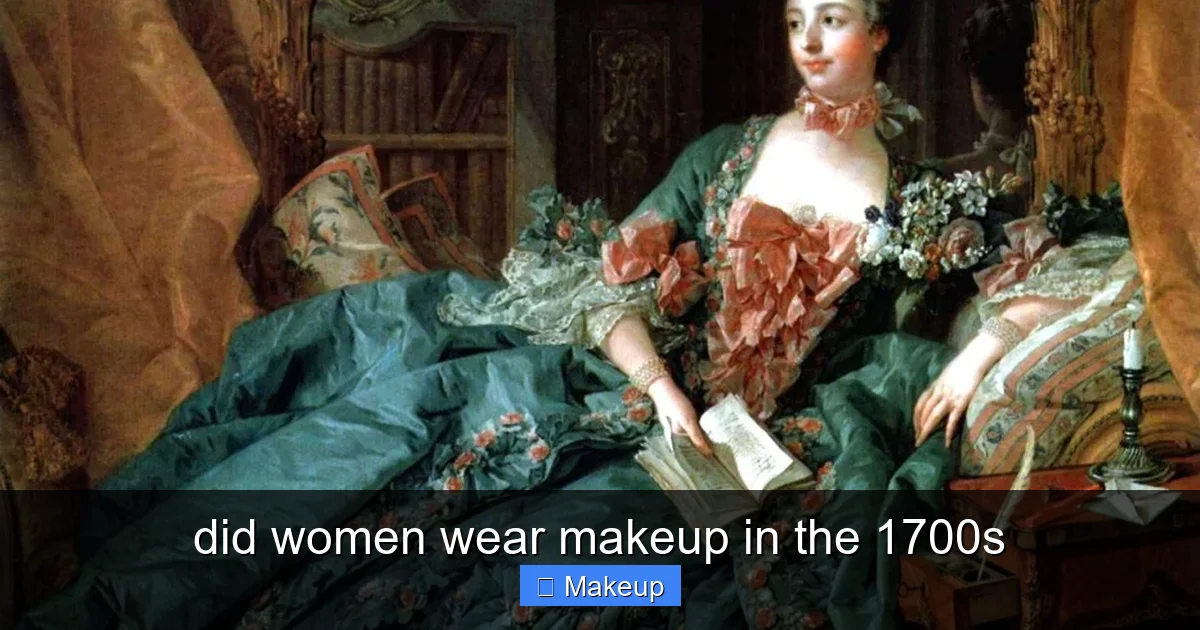
Learn more about did women wear makeup in the 1700s – did women wear makeup in the 1700s
Image source: images.saymedia-content.com
The Foundation of Flawless (and Flawed) Skin
The pursuit of the pale complexion led to some rather dangerous choices:
- White Lead (Ceruse): This highly toxic substance was the go-to for whitening the face, neck, and décolletage. It provided excellent coverage but caused skin damage, paralysis, and even death over time.
- Powder: Rice powder, starch, or even finely ground plaster were used to set the white foundation and whiten powdered wigs. This was applied generously to absorb oil and create a matte finish.
Rosy Cheeks and Pouty Lips
Color was paramount, and rouge was the star:
- Carmine Rouge: Derived from cochineal insects, carmine provided a vibrant red pigment for cheeks and lips. It came in various forms: liquid, paste, or powder. The application was often quite heavy, creating a stark contrast with the pale skin.
- Lip Salves: While often homemade from beeswax, oils, and natural pigments like madder root, lip paints aimed for a bright, bold red to complement the rouged cheeks.
The Art of the Beauty Patch (Mouches)
Perhaps one of the most distinctive features of 1700s makeup was the beauty patch. These small pieces of silk, velvet, or leather, cut into shapes like stars, moons, hearts, or even coaches, were applied to the face. They served multiple purposes:
- Conceal Blemishes: A practical use, though often they drew more attention to the spot.
- Political Statements: The placement could signify political allegiance (e.g., Whig or Tory).
- Flirtation: Specific placements could convey messages or accentuate certain features.
Eye Makeup and Brows
Compared to the face, eye makeup was surprisingly minimal:
- Brows: Brows were often plucked thin or shaved off entirely and then redrawn with mouse fur, soot, or kohl, creating an arched, almost surprised look.
- Eyeshadow: Generally not used. The focus was on enhancing the complexion and cheeks.
More Than Meets the Eye: Why Women Wore Makeup
Understanding did women wear makeup in the 1700s requires looking beyond mere aesthetics. Makeup served deeply ingrained social, practical, and aspirational purposes, reflecting the complex societal structures of the age.
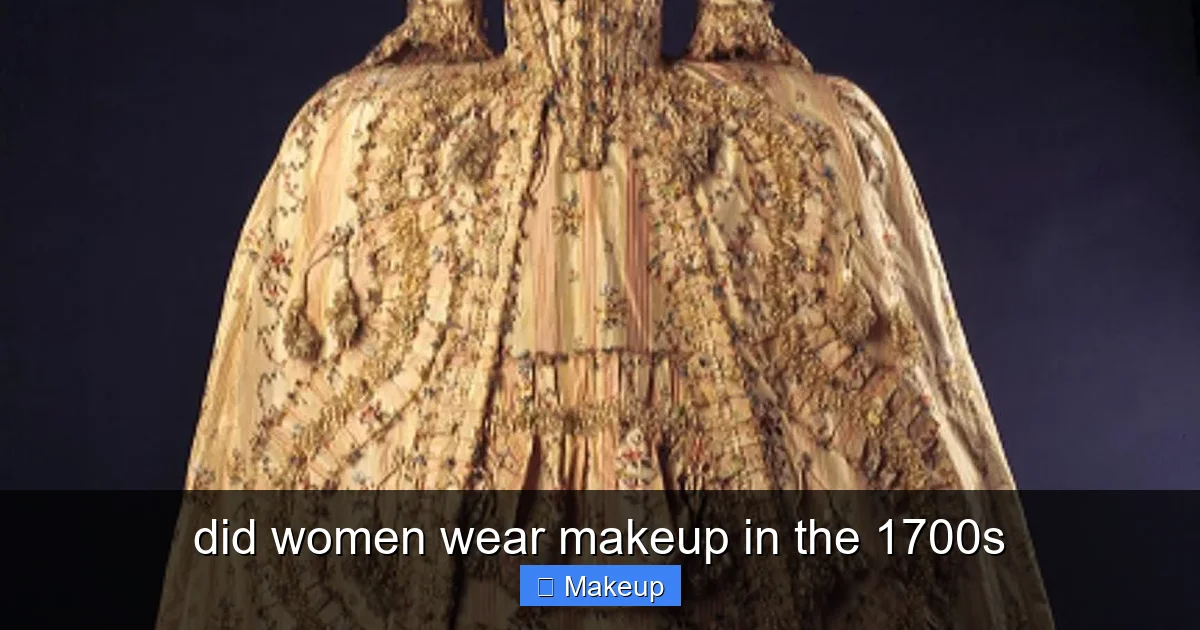
Learn more about did women wear makeup in the 1700s – did women wear makeup in the 1700s
Image source: images.saymedia-content.com
Social Status and Aspiration
Wearing elaborate cosmetics and expensive wigs was a clear indicator of social standing. It showed one had the means to afford costly imported ingredients and the leisure time to apply them. It also distinguished the aristocracy from the working classes, whose skin was often tanned by labor.
- Distinction: A pale, painted face proclaimed one did not toil outdoors.
- Fashion Adherence: To be seen as fashionable and “in the know,” one had to adopt the prevalent beauty trends.
- Imitation: Those aspiring to climb the social ladder would often imitate the styles of the elite.
Concealing and Enhancing
Beyond status, makeup served practical purposes:
- Concealing Blemishes: Smallpox scars were common, and heavy foundation helped to disguise them.
- Illness and Age: A pale, youthful glow could be simulated, helping to mask signs of illness or advancing age.
Theatricality and Fashion Trends
The 18th century was an era of high theatricality in dress and appearance. The artificiality of makeup mirrored the elaborate costumes and exaggerated hairstyles, contributing to a sense of performance in social settings. Think of the “Macaronis” – young men who took fashion to extreme, almost absurd levels, mirroring the excesses seen in women’s styles.
The Darker Side of Beauty: Dangers and Controversies
The pursuit of beauty in the 1700s came with significant risks. The question of did women wear makeup in the 1700s also brings up the alarming reality of just how dangerous their beauty routines could be.
Lead, Arsenic, and Mercury: A Toxic Mix
Many popular 1700s makeup ingredients were highly toxic. Women (and men) were unknowingly poisoning themselves in the name of beauty:
- Lead-Based Makeup: White lead (ceruse) caused severe skin damage, facial muscle paralysis, hair loss, tooth decay, and could even lead to organ damage and death. The “peeling” effect after prolonged use was simply the skin dying.
- Mercury and Arsenic: These highly toxic compounds were sometimes found in skin whiteners and blemish removers, leading to tremors, neurological damage, and severe health issues.
- Animal Fats: Many cosmetic preparations were made with rancid animal fats, which could cause skin irritation and infections.
It’s estimated that prolonged use of lead-based cosmetics could reduce a person’s lifespan by several years, making beauty a truly life-threatening endeavor.
Moral Debates and Religious Objections
Despite its widespread use, makeup was not without its critics. Moralists and religious figures often condemned its use, viewing it as:
- Deceptive: Masking one’s true appearance was seen as dishonest.
- Vain: An excessive focus on outward appearance was considered a sin.
- Associated with Prostitution: Certain styles of heavy makeup were often linked to women of “ill repute,” further fueling objections.
The Evolution of Georgian Era Beauty Standards
While the early and mid-18th century celebrated extreme artifice, the latter decades saw a shift. The inquiry into did women wear makeup in the 1700s must also acknowledge the dynamic nature of beauty ideals.
From Extreme Artifice to More “Natural” Looks
As the century progressed, particularly towards the end with the influence of the Enlightenment and figures like Marie Antoinette (who, despite her elaborate hair, sometimes favored a softer, pastoral look), there was a gradual move towards a more “natural” aesthetic. This didn’t mean no makeup, but rather a less obvious application, aiming to enhance rather than completely transform.
- Late 1700s: Powdered wigs began to wane, and less extreme makeup became fashionable, foreshadowing the Regency era’s emphasis on natural beauty (though still often achieved with cosmetics).
- Shift in Ideals: Health and vitality began to gain ground against sheer paleness.
Influence of Marie Antoinette and Enlightenment Ideas
The French court, and particularly Marie Antoinette, played a significant role in shaping European fashion. While she was known for her towering hairstyles, there were periods where she embraced a more rural, pastoral aesthetic, which encouraged a less painted, more “natural” visage. The philosophical shift of the Enlightenment, emphasizing reason and authenticity, also subtly began to influence beauty ideals, moving away from overt deception.
Beyond the Face: Comprehensive 1700s Beauty Regimens
The beauty routine of a Georgian lady extended well beyond her face. The question, did women wear makeup in the 1700s, truly encompasses a holistic approach to personal presentation.
Perfumes and Scents: Masking Odors
Bathing was less frequent than today, and strong perfumes were essential to mask body odors. Scents often consisted of heavy floral or musk notes, applied generously to skin, clothing, and even the hair.
- Pomanders: Small, decorative containers filled with fragrant substances, carried or worn to ward off unpleasant smells and believed to protect against disease.
- Floral Waters: Used for light cleansing and refreshing the skin.
Hair Care and Wigs: Elaborate Styles
The iconic powdered wigs were a monumental part of 18th-century fashion. Both men and women wore them, and their maintenance was a significant undertaking.
- Pomade: Animal fats, often scented, were used to sculpt and hold hair (or wigs) in elaborate styles.
- Powder: Wheat or rice starch, often scented and tinted, was dusted generously over hair and wigs to achieve the fashionable white, grey, or even blue tint. This also helped absorb oil, though it was largely a style statement.
- Wig Stands and Boxes: Wigs were incredibly expensive and required careful storage and maintenance, often by specialized wig dressers.
The overall impression was one of grandeur and artifice, a stark contrast to modern concepts of beauty but perfectly aligned with the theatrical elegance of the Georgian era. The elaborate hair, heavily powdered faces, and patches all contributed to a carefully constructed persona.
Conclusion: The Enduring Legacy of Georgian Beauty
So, did women wear makeup in the 1700s? Absolutely, and in a manner that was both astonishingly intricate and, at times, alarmingly dangerous. The 18th century was an era where cosmetics were not just about enhancing natural beauty but about creating an entirely new, idealized facade – a mask of social standing, fashion adherence, and carefully constructed allure.
From the lethal charm of white lead to the playful flirtation of beauty patches, 1700s makeup offers a captivating glimpse into a bygone world. It reminds us how much beauty standards evolve and how deeply intertwined they are with social status, cultural values, and technological (or lack thereof) advancements. While we can now achieve flawless complexions without risking our lives, the legacy of Georgian era beauty continues to fascinate, a testament to humanity’s enduring quest for aesthetic perfection, no matter the cost.
🎥 Related Video: the myth of lead makeup #beauty #history #historyfacts #makeup
📺 annalore
Frequently Asked Questions
Did women wear makeup in the 1700s?
Yes, women absolutely wore makeup in the 1700s, though styles and attitudes varied throughout the century and across social classes. It was a significant part of fashion and beauty routines, particularly among the upper echelons of society.
What kind of makeup did women wear in the 1700s?
The most prominent makeup products included white lead-based face paint (ceruse) for a pale complexion, and various rouges for coloring cheeks and lips. Patches made of silk or velvet were also popular for decorating the face and covering blemishes, along with kohl or soot for defining eyes.
Why was a pale complexion so desirable for women in the 1700s?
A pale complexion was highly valued in the 1700s as it signified wealth, leisure, and nobility, indicating that a woman did not have to work outdoors. This ideal led many women to use heavy white makeup, like ceruse, to achieve the desired alabaster look.
Was makeup considered fashionable or controversial for women in the 1700s?
Throughout the 1700s, makeup could be both fashionable and controversial. While it was widely embraced by the aristocracy and gentry as a sign of refinement and beauty, it also faced criticism from moralists and religious figures who viewed it as deceitful or superficial.
Were there any health risks associated with women wearing makeup in the 1700s?
Yes, there were significant health risks, primarily due to the toxic ingredients used in popular cosmetics. White lead, a common component of face paint, caused skin damage, hair loss, and even mercury poisoning, leading to severe health problems and premature aging over time.
Did women of all social classes wear makeup in the 1700s?
While makeup was most prevalent and elaborate among the upper classes, women from various social strata engaged in some form of beautification in the 1700s. However, the quality, quantity, and specific types of cosmetics varied greatly depending on a woman’s economic means and social standing, with simpler preparations being more common among the less wealthy.