
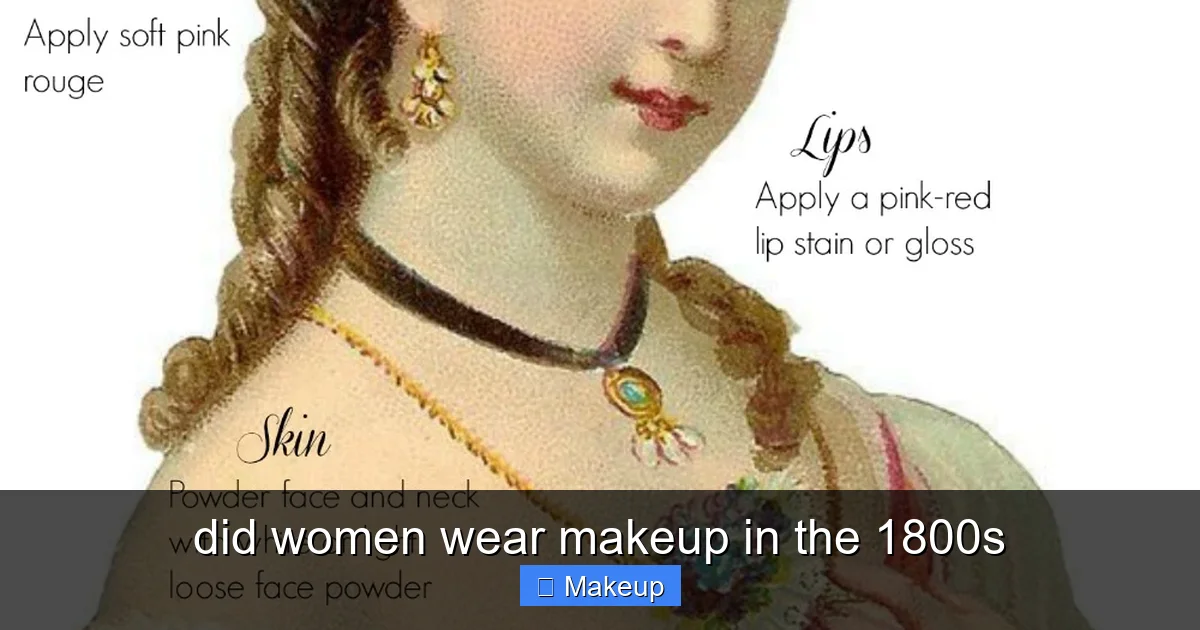
Featured image for this comprehensive guide about did women wear makeup in the 1800s
Image source: vintagedancer.com
Step back in time to the 1800s, an era often romanticized for its delicate sensibilities, elaborate fashions, and a seemingly untouched approach to natural beauty. When we think of “makeup” today, images of vibrant lipsticks, contour palettes, and bold eyeshadows immediately spring to mind. But did women wear makeup in the 1800s? The answer, like much of history, is far more nuanced than a simple yes or no.
Forget everything you think you know about modern beauty routines. The 19th century held a very different set of ideals, where overt cosmetic enhancement was often frowned upon, associated with actresses, prostitutes, or women of “questionable” moral standing. Yet, the desire for beauty is timeless. So, how did women achieve their desired look, and what secrets lay hidden beneath their bonnets and parasols? Let’s delve into the fascinating, and sometimes shocking, world of 19th-century beauty standards and the clandestine art of historical makeup.
📋 Table of Contents
- The Victorian Ideal: A Canvas of Natural Beauty
- Covert Cosmetics: The Art of Undetectable Enhancement
- Risky Business: Dangerous Ingredients in 19th-Century Cosmetics
- Beyond the Elite: Makeup Across Social Classes
- Skincare as the Foundation: True 1800s Beauty Secrets
- The Dawn of a New Era: Towards Modern Beauty Standards
- Conclusion: The Subtle Art of 19th-Century Beauty
The Victorian Ideal: A Canvas of Natural Beauty
The dominant aesthetic throughout much of the 1800s, especially during Queen Victoria’s reign (1837-1901), championed a look of innocence, purity, and modesty. The ideal woman was ethereal, with a delicate constitution, rosy cheeks achieved through natural means (or vigorous pinching!), and a luminous, pale complexion. This wasn’t just a trend; it was a deeply ingrained social expectation. Overt makeup was seen as a sign of vulgarity or an attempt to deceive, making the question “did women wear makeup in the 1800s” complex.
The goal was to appear naturally beautiful, as if one had just returned from a brisk walk or possessed an inherently delicate glow. A pale complexion signaled wealth and leisure, distinguishing ladies from those who toiled outdoors. Freckles were often considered undesirable, and women went to great lengths to protect their skin from the sun. Think parasols, bonnets, and long sleeves – all part of the quest for that coveted milky-white skin.
| Period (Approx.) | Societal Stance on Overt Makeup | Common Subtle Practices/Products | Typical User of Overt Makeup |
|---|---|---|---|
| Early 1800s (Regency/Georgian) | Generally frowned upon for respectable women; natural beauty prized. | Rice powder for paleness, rosewater for glow, subtle lip/cheek tint (often from natural methods like biting lips). | Actresses, courtesans, or women of lower social standing. |
| Mid-1800s (Early-Mid Victorian) | Strongly condemned; associated with immorality, deception, and the stage. | Home-made skin concoctions, arsenic wafers for clear skin, belladonna drops to dilate pupils (dangerous), ‘beauty waters’. | Actresses, prostitutes, or women perceived as ‘fast’ and disreputable. |
| Late 1800s (Late Victorian) | Continued condemnation, but discreet use of products began to increase. | Rouge and lip salves available but often used secretly or disguised as ‘health’ or ‘skincare’ products. Emphasis on flawless complexion. | Performers, the avant-garde, women challenging societal norms, but still clandestine for most. |
| Turn of the Century (1890s-1900) | Gradual shift, less harsh condemnation, increasing acceptance of ‘beauty aids’ rather than ‘makeup’. | Vaseline for shine, face powders (often disguised as “toilet powder”), cold cream, “skin foods” marketed to improve complexion. | Fashionable young women, society ladies who could afford private application, still performers. |
Queen Victoria’s Influence on Beauty Standards
Queen Victoria herself reportedly disdained makeup, further cementing the “natural” look as the epitome of respectability. Her preference for simplicity and modesty in dress and appearance profoundly influenced the era’s beauty norms. This meant that while women still desired to enhance their features, any efforts had to be incredibly subtle, almost undetectable. The challenge was to look flawless without looking “made up.”
Covert Cosmetics: The Art of Undetectable Enhancement
Despite the prevailing disdain for overt makeup, the desire to enhance one’s appearance never truly vanished. Women in the 1800s, like their counterparts in every era, sought to improve their looks, but they did so with discretion. This led to a fascinating array of “covert cosmetics” and techniques aimed at creating the illusion of natural beauty. So, yes, women did wear makeup in the 1800s, but it was a masterclass in subtlety.
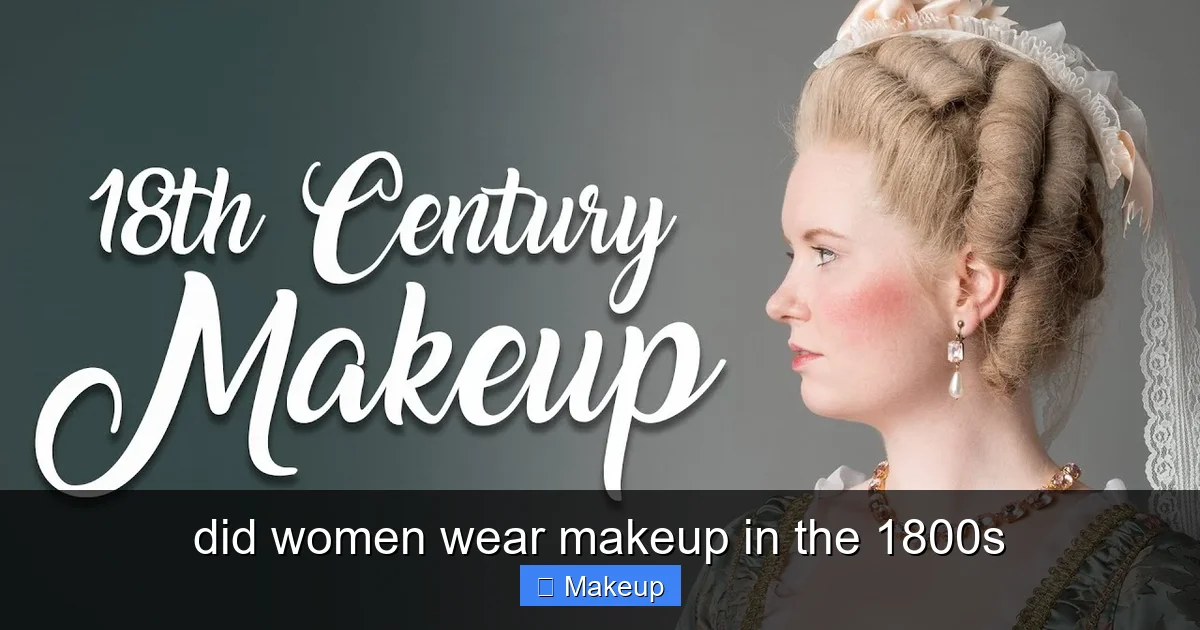
Learn more about did women wear makeup in the 1800s – did women wear makeup in the 1800s
Image source: i.ytimg.com
Subtle Skin Brighteners and Powders
To achieve the prized pale complexion, women used various substances. Rice powder, zinc oxide, and even powdered chalk were common. These were applied sparingly to mattify the skin, reduce shine, and lighten the complexion. Think of it as an early form of setting powder, designed to be barely visible, simply giving the skin a smooth, porcelain finish. Recipes for homemade “beautifying washes” and “face enamels” also circulated, promising a brighter, clearer appearance.
Lip and Cheek Stains
While bright red lipstick was a definite no-no, a hint of color on the lips and cheeks was acceptable if it looked natural. Women often resorted to:
- Pinching their cheeks vigorously before social engagements to encourage a natural flush.
- Biting their lips to bring blood to the surface for a temporary reddish tint.
- Using homemade stains from beetroot juice, cochineal, or crushed berries for a subtle, natural-looking hue. These would be dabbed onto the lips and blended into the cheeks for a gentle rosiness.
Eye Enhancements (With Extreme Caution)
Defining the eyes was also part of the covert routine, though less common than skin and cheek enhancements. Eyelash tinting with burnt cork or soot was practiced, but very subtly. The most controversial and dangerous eye enhancement involved Belladonna (deadly nightshade). A few drops would dilate the pupils, making the eyes appear larger, darker, and more alluring – a look deemed highly attractive. However, the use of Belladonna came with severe risks, including impaired vision and even blindness. It’s a stark reminder of the lengths some would go to for beauty, even when asking “did women wear makeup in the 1800s” often implies a safe, modern approach.
Risky Business: Dangerous Ingredients in 19th-Century Cosmetics
The pursuit of beauty in the 1800s was not without its perils. Lacking modern scientific understanding and regulations, many cosmetic ingredients were highly toxic. This is a crucial aspect of understanding historical makeup practices.
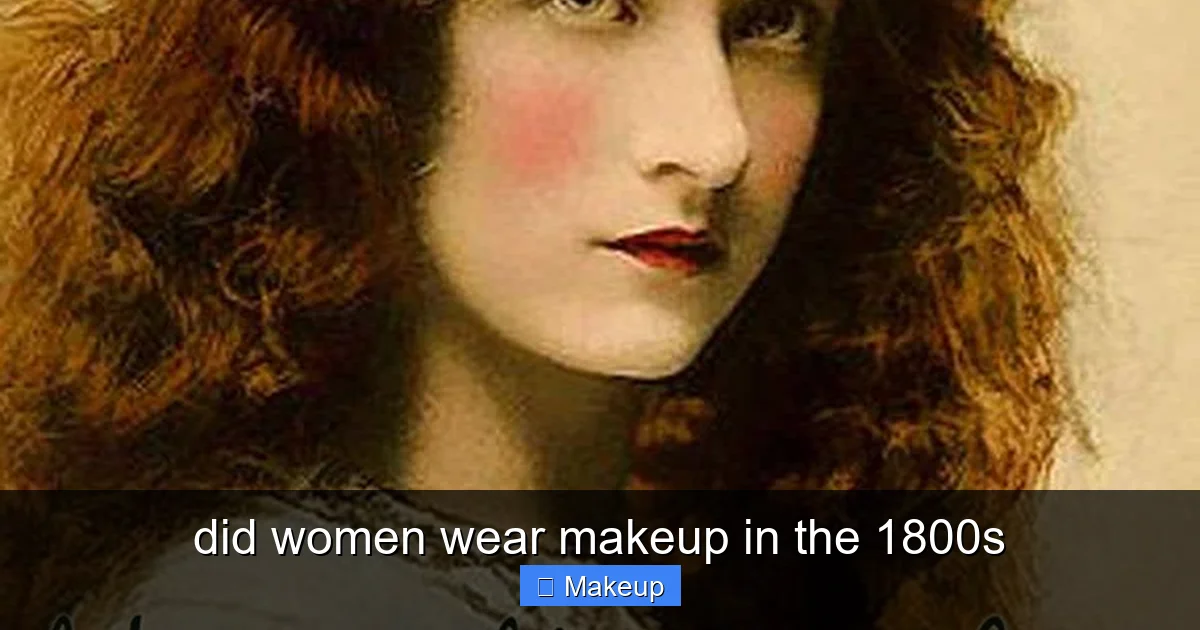
Learn more about did women wear makeup in the 1800s – did women wear makeup in the 1800s
Image source: vintagemakeupguide.com
Common Toxic Ingredients Included:
- Lead: Used extensively in skin-lightening creams and powders (like Venetian ceruse), lead caused severe poisoning, leading to skin discoloration, paralysis, organ damage, and even death.
- Arsenic: Taken internally as “arsenic wafers” or applied topically, arsenic was believed to improve complexion, remove blemishes, and even brighten eyes. The health consequences were devastating.
- Belladonna: As mentioned, used to dilate pupils. Highly poisonous.
- Mercury: Found in various skin treatments for blemishes and freckles, leading to neurological damage, kidney failure, and other severe health issues.
The irony is that many of these “beauty aids” ultimately disfigured or killed the very women who used them, highlighting the desperate measures taken in the absence of safe alternatives. The dangers associated with these products certainly make us re-evaluate the question, “did women wear makeup in the 1800s?”
Beyond the Elite: Makeup Across Social Classes
While the prevailing Victorian ideal discouraged overt makeup for respectable middle and upper-class women, this wasn’t a universal rule across all segments of society. The answer to “did women wear makeup in the 1800s” also depends heavily on social standing and profession.
Actresses and Performers
On stage, makeup was not only acceptable but essential. Actresses used bold, visible makeup to ensure their features could be seen from the audience, exaggerating eyes, lips, and cheeks. Stage makeup was a necessity for their profession and carried none of the social stigma associated with everyday wear.
“Painted Ladies” and the Demimonde
Women who operated outside strict societal norms, such as prostitutes or those living in the “demimonde” (a fashionable, yet morally ambiguous, segment of society), often used more overt makeup. Bright red rouge, heavy kohl, and noticeable powders were hallmarks of their appearance, deliberately flouting the conventions of respectable society. This overt use of makeup was precisely why “proper” women avoided it – they didn’t want to be associated with such women.
Working Class Women
For working-class women, access to even the basic, subtle cosmetics was limited due to cost and time constraints. Their beauty routines were often simpler, focusing on cleanliness and perhaps homemade remedies for skin issues. A healthy, rosy complexion was more likely to come from outdoor work than from manufactured products.
Skincare as the Foundation: True 1800s Beauty Secrets
If makeup was a clandestine affair, skincare was the openly embraced cornerstone of 19th-century beauty. The focus was on achieving a clear, luminous complexion from within, and women dedicated considerable time and effort to their skincare routines. This emphasis on natural skin health explains why the question “did women wear makeup in the 1800s” often gets a qualified answer – they focused on the canvas more than the paint.
Popular Skincare Practices Included:
- Cleansing: Regular washing with soap and water was fundamental. Homemade soaps, often scented with rosewater or lavender, were popular.
- Moisturizing: Cold creams, made from ingredients like beeswax, olive oil, and rosewater, were widely used to keep skin soft and supple. Animal fats were also common bases.
- Toners and Astringents: Rosewater, witch hazel, and vinegar-based concoctions were used to refresh the skin and tighten pores.
- Face Masks: Ingredients like oatmeal, honey, egg whites, and various herbs were mixed into pastes to cleanse, soothe, or brighten the skin.
- Protection: As mentioned, parasols, bonnets, and gloves were essential for protecting the skin from the sun, preventing tanning and freckles.
- Diet and Lifestyle: A “pure” diet, plenty of fresh air, and moderate exercise were often prescribed by beauty manuals for a healthy glow.
Many of these practices, particularly the focus on natural ingredients and protection from the elements, resonate with modern skincare philosophies, albeit with far safer product formulations today.
The Dawn of a New Era: Towards Modern Beauty Standards
As the 1800s drew to a close and the Edwardian era began, attitudes towards makeup slowly started to shift. The rise of industrialization, changing social norms, and the burgeoning advertising industry all played a role. By the early 20th century, companies like Helena Rubinstein and Elizabeth Arden began making cosmetics more accessible and socially acceptable, paving the way for the vibrant makeup culture we recognize today.
The “natural look” still held sway, but the definition of “natural” started to expand, allowing for slightly more visible enhancements. The groundwork was laid for a future where makeup became a tool of self-expression rather than a secretive vice. This evolution marks a significant departure from the delicate balance women maintained when considering “did women wear makeup in the 1800s” and its social implications.
Key Beauty Transformations from 19th to 20th Century:
| Feature | 19th Century (Victorian Ideal) | Early 20th Century (Shifting Trends) | Modern Day (21st Century) |
|---|---|---|---|
| Skin Tone | Extremely pale, often achieved with powders (some toxic). | Still favored pale, but less extreme; light foundation becoming available. | Diverse range, from pale to deep, with sun-kissed often desired. |
| Cheeks | Natural flush (pinching, beetroot juice), or very subtle rouge. | Subtle rouge more acceptable, in cream or powder form. | Wide array of blush, contour, and highlight techniques. |
| Lips | Barely tinted (biting, berry stains), strong color frowned upon. | Lightly tinted balms or subtle lipsticks, often in muted rose tones. | Every shade and finish imaginable, from nude to bold, matte to glossy. |
| Eyes | Minimal enhancement, perhaps subtle kohl or dangerous Belladonna. | Subtle kohl liner, mascara gaining popularity. | Complex eye makeup, eyeshadow, eyeliner, false lashes, brow products. |
| Social Perception | Overt makeup associated with immorality or acting. | Increasing acceptance, but still with a focus on “natural” enhancement. | Widely accepted and celebrated as a form of self-expression. |
Conclusion: The Subtle Art of 19th-Century Beauty
So, did women wear makeup in the 1800s? The definitive answer is yes, but with a significant caveat: it was a practice steeped in discretion, social codes, and often, danger. Far from the overt glamour of later eras, 19th-century beauty was a subtle art, where the goal was to appear naturally flawless, delicate, and modest. Women went to extraordinary lengths, from meticulous skincare routines to secret applications of potentially toxic substances, all in pursuit of an ideal that valued purity above all else.
This historical journey reminds us how much our beauty standards and practices have evolved. What was once scandalous and dangerous has transformed into a vibrant industry celebrated for self-expression and innovation. Understanding the context of “makeup” in the 1800s offers a fascinating glimpse into a past where beauty was a complex dance between societal expectations, personal desire, and the often perilous quest for perfection.
🎥 Related Video: HISTORICALLY ACCURATE Makeup Tutorial | Victorian Woman vs Victorian Prostitute
📺 Zabrena
Historically accurate makeup tutorial featuring Victorian era makeup, both for the societal woman and the Victorian prostitute.
Frequently Asked Questions
Did women wear makeup in the 1800s, or was it frowned upon?
Generally, openly wearing visible makeup was indeed frowned upon during much of the 1800s, especially in the Victorian era. The ideal was a “natural” look, suggesting health and purity, which discouraged obvious artifice. However, subtle enhancements were often used to achieve this seemingly natural glow.
What types of makeup did women use during the 1800s?
Women primarily used subtle products to enhance their features rather than overtly change them. Common items included rice powder for a pale complexion, rouge for a hint of color on the cheeks, and even kohl or soot for defining eyes, though used very sparingly. They also relied on homemade remedies and beauty waters.
Was wearing visible makeup considered scandalous in the 1800s?
Yes, in many circles, particularly amongst the respectable middle and upper classes, wearing overtly visible makeup was associated with actresses, prostitutes, or women of questionable morality. The ideal was a demure and natural appearance, which required any cosmetic use to be undetectable.
How did Victorian beauty standards influence makeup use in the 1800s?
Victorian beauty standards heavily emphasized a delicate, pale complexion, rosy cheeks (naturally, if possible), and bright eyes, often reflecting health and innocence. This led women to pursue a “no-makeup” makeup look, using subtle powders and natural tints to achieve the desired effect without appearing artificial.
Did all social classes of women wear makeup in the 1800s?
While the type and visibility of makeup varied, cosmetic use wasn’t exclusive to one class. Working-class women might use simple, inexpensive, often homemade solutions, while upper-class women sought subtle, high-quality (and sometimes dangerous) products to maintain their desired appearance. The stigma often depended more on visibility than on the act itself.
Were the makeup products used in the 1800s safe?
Unfortunately, many beauty products of the 1800s contained highly toxic ingredients, making them far from safe. Common components included lead, arsenic, mercury, and belladonna, which were used to achieve pale complexions or dilate pupils, often leading to severe health problems or even death over time.