
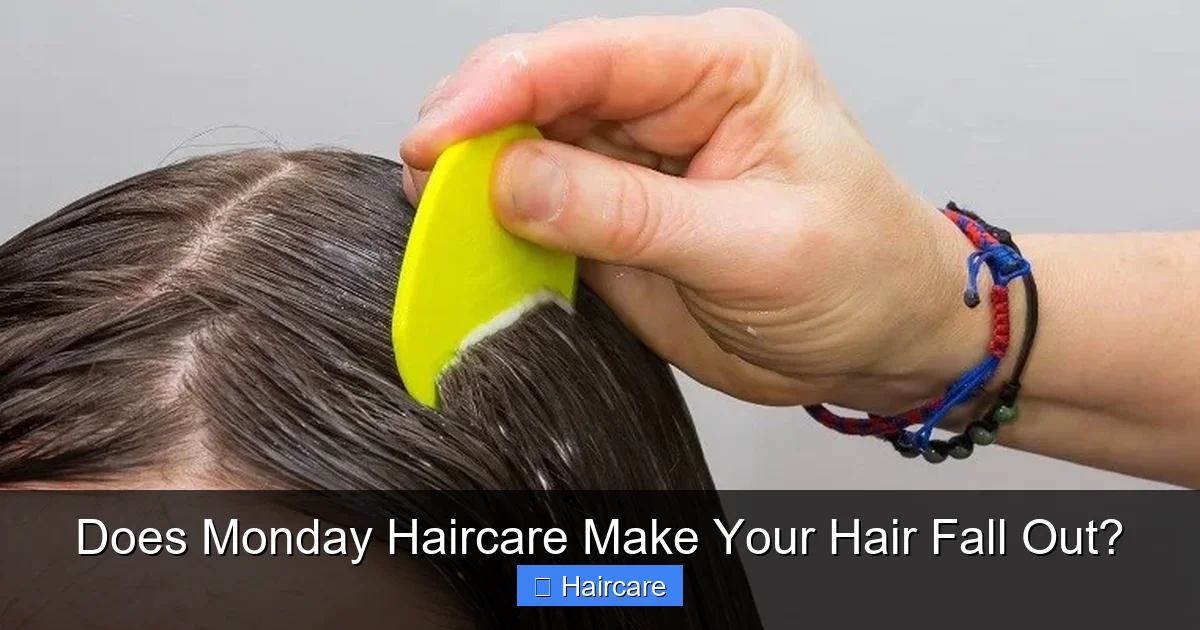
Featured image for this comprehensive guide about does monday haircare make your hair fall out
Image source: i0.wp.com
In the vast and ever-evolving world of haircare, new brands and products constantly emerge, promising luscious locks and healthy scalps. One brand that has garnered significant attention, especially on social media, is Monday Haircare. With its aesthetically pleasing packaging and affordable price point, it quickly became a staple in many bathrooms. However, alongside its popularity, a concerning question has started to circulate: Does Monday Haircare make your hair fall out? This is a serious concern for anyone passionate about their hair health, and it’s a question that deserves a comprehensive, fact-based answer.
The internet is a powerful amplifier for both praise and controversy. Reports and anecdotal experiences of users claiming increased hair fall out after using Monday Haircare products have sparked considerable debate. Is there any truth to these claims, or is it a classic case of correlation not equaling causation? Let’s dive deep into the ingredients, the science of hair loss, and what consumers need to know to make informed decisions about their haircare routine.
📋 Table of Contents
- Unpacking the Buzz: The Monday Haircare Controversy
- What’s in Monday Haircare? A Look at the Ingredients
- The Science Behind Hair Loss: More Than Just Your Shampoo
- Customer Experiences: Separating Fact from Anecdote
- Navigating Haircare Products: How to Choose Wisely
- When to Seek Professional Advice for Hair Loss
Unpacking the Buzz: The Monday Haircare Controversy
The conversation around Monday Haircare and hair loss really began to pick up steam on platforms like TikTok, Reddit, and various beauty forums. Users shared their experiences, often detailing an increase in shedding, breakage, or even thinning hair after incorporating the brand’s shampoos and conditioners into their routine. These anecdotal reports, while not scientific proof, were enough to create a widespread sense of alarm and prompt many to question the safety and efficacy of the products.
It’s important to acknowledge that experiencing hair shedding is a normal part of the hair growth cycle. The average person can lose 50-100 hairs a day. However, when this shedding significantly increases or is accompanied by other scalp issues, it’s natural to look at recent changes in your routine, with new haircare products often being the first suspect. The sheer volume of similar complaints regarding Monday Haircare pushed this topic from isolated incidents to a full-blown online discussion, demanding a closer look at what might be happening.
| Factor/Product Type | Key Ingredient/Characteristic | Potential Effect on Hair & Scalp | Relevance to Hair Fall Claims |
|---|---|---|---|
| **Monday Haircare (Common)** | Cocamidopropyl Betaine (CAPB) | Known allergen/irritant for sensitive individuals; can cause scalp itching, redness, flaking. | Scalp irritation can lead to excessive scratching and hair breakage, or exacerbate shedding for those prone to scalp conditions. Not a direct cause of follicle damage/genetic hair loss. |
| **Monday Haircare (Common)** | Hydrolyzed Rice Protein | Can cause protein overload in some hair types, leading to stiffness, dryness, and brittleness. | Stiff, brittle hair is more prone to breakage along the hair shaft, which can be mistaken for hair fall from the root. Not a direct cause of follicle damage/genetic hair loss. |
| **General Haircare (Harsh Surfactants)** | Sodium Lauryl Sulfate (SLS), Sodium Laureth Sulfate (SLES) | Strong cleansing agents that can strip natural oils, leading to scalp dryness and irritation in sensitive individuals. | Severe scalp irritation or inflammation can potentially accelerate hair shedding or worsen existing conditions, but not a primary cause of hair loss from the follicle itself. |
| **Typical Daily Hair Shedding** | Natural hair growth cycle (Anagen, Catagen, Telogen) | Hair follicles naturally enter a resting phase (telogen), after which old hairs are shed to make way for new growth. | Normal to lose 50-100 strands per day. Product use does not affect this natural process unless causing severe scalp trauma or allergic reaction. Increased awareness post-shampoo can make normal shedding seem excessive. |
| **User Reported Issues (Anecdotal)** | Online reviews, social media feedback | Reports of scalp irritation, dryness, increased shedding, and hair breakage from a subset of users. | While anecdotal evidence is significant for individual experiences, these instances are likely due to personal sensitivities to certain ingredients (e.g., CAPB, fragrance) rather than a universal hair-fall inducing property of the brand. |
What’s in Monday Haircare? A Look at the Ingredients
To understand if a product could potentially cause hair fall out, it’s crucial to scrutinize its ingredient list. Monday Haircare markets itself as being free from parabens and SLS (Sodium Lauryl Sulfate), often highlighted as harsh ingredients. However, their formulations do contain other surfactants and components that some individuals might find irritating.
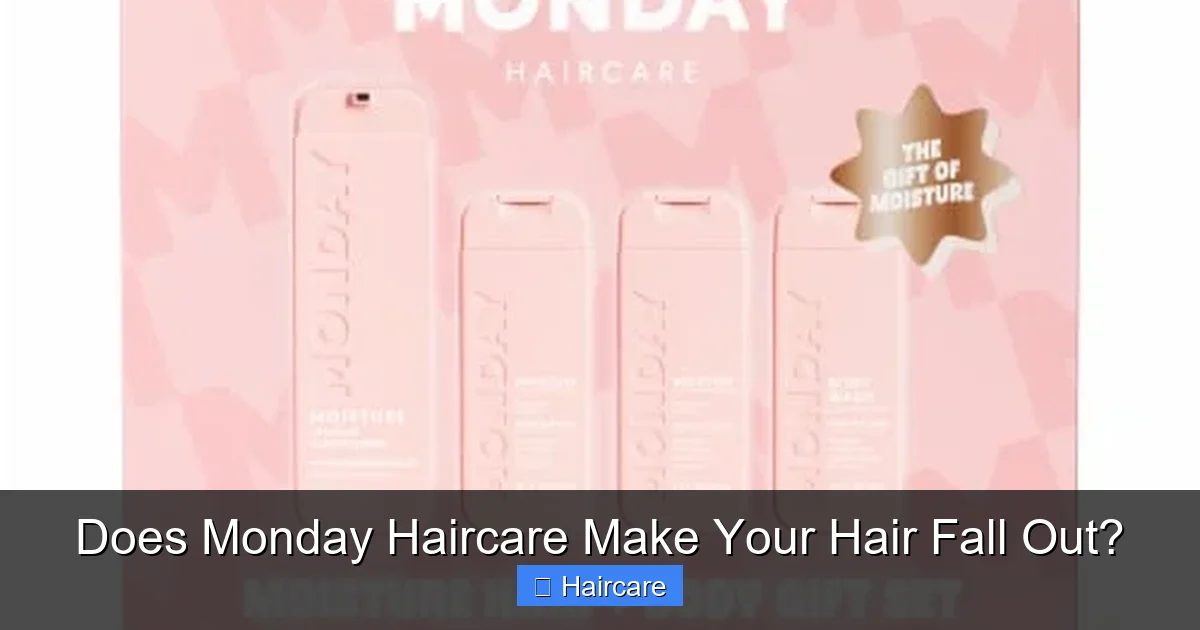
Learn more about does monday haircare make your hair fall out – Does Monday Haircare Make Your Hair Fall Out?
Image source: kroger.com
Common Ingredients and Potential Irritants:
- Cocamidopropyl Betaine: A common surfactant used for cleansing and lathering. While generally considered mild, it can be an allergen or irritant for some individuals, leading to scalp itching, redness, or sensitivity. An irritated scalp can exacerbate hair shedding.
- Fragrances: Many haircare products contain synthetic fragrances, which are a common source of allergic reactions and sensitivities, potentially leading to scalp inflammation.
- Other Surfactants: While SLS-free, products still contain other cleansing agents like Sodium C14-16 Olefin Sulfonate, which can be drying for some hair types or irritating for sensitive scalps.
- Nourishing Ingredients: It’s also worth noting that Monday Haircare products often include ingredients like shea butter, coconut oil, and vitamin E, which are generally beneficial for hair health. The issue usually arises from potential irritants, not necessarily these conditioning agents.
For individuals with a sensitive scalp or pre-existing conditions like eczema or psoriasis, certain ingredients can trigger adverse reactions. This irritation can weaken hair follicles, potentially leading to increased shedding or breakage over time. It’s not necessarily that the ingredients directly “make hair fall out” in a medical sense, but rather that scalp irritation can disrupt the hair growth cycle.
The Science Behind Hair Loss: More Than Just Your Shampoo
It’s vital to put the discussion about Monday Haircare and hair loss into perspective by understanding the myriad of factors that contribute to hair fall. True hair loss (alopecia) is a complex issue with numerous causes, many of which have nothing to do with your shampoo.
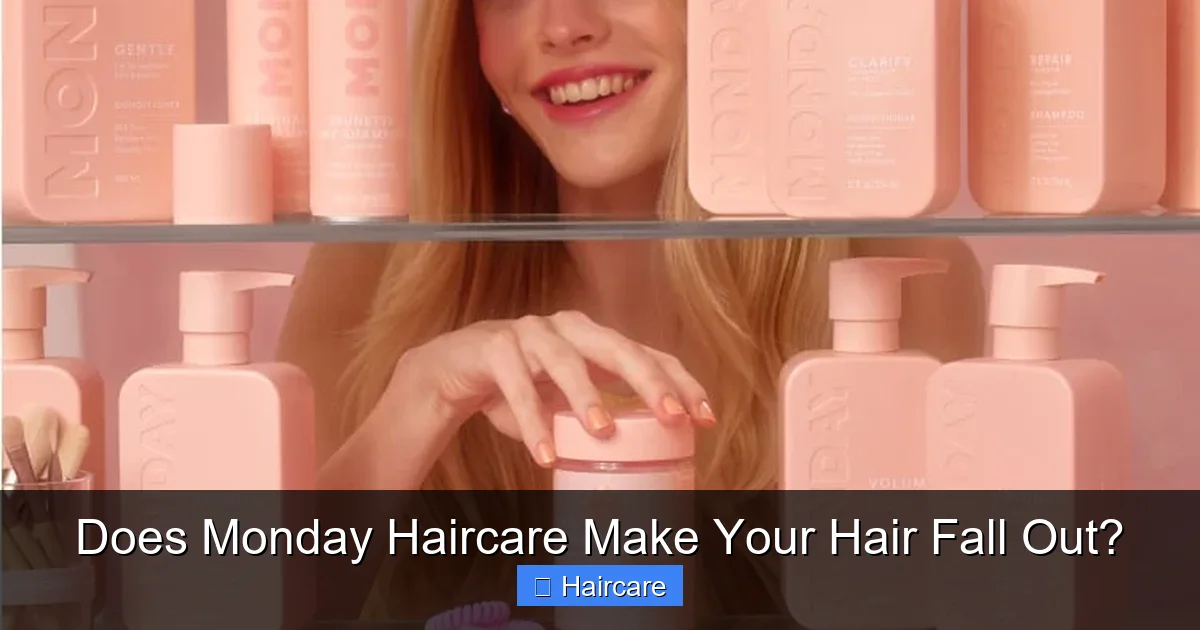
Learn more about does monday haircare make your hair fall out – Does Monday Haircare Make Your Hair Fall Out?
Image source: mondayhaircare.com
Common Causes of Hair Loss:
- Genetics (Androgenetic Alopecia): The most common cause of hair loss, often hereditary.
- Hormonal Changes: Pregnancy, childbirth, menopause, thyroid issues, or conditions like PCOS can all trigger significant hair shedding.
- Stress (Telogen Effluvium): Physical or emotional stress can push a large number of hair follicles into a resting phase, leading to widespread shedding a few months later.
- Nutritional Deficiencies: Lack of iron, protein, zinc, or certain vitamins (like Vitamin D) can impact hair growth.
- Medical Conditions & Medications: Autoimmune diseases, skin conditions, and certain drugs (e.g., for cancer, arthritis, depression, heart problems) can cause hair loss.
- Harsh Styling Practices: Tight hairstyles, excessive heat styling, and chemical treatments can damage hair follicles and cause breakage or traction alopecia.
- Scalp Infections: Fungal infections or other scalp issues can lead to localized hair loss.
When someone starts using a new product and simultaneously experiences increased hair fall out, it’s easy to blame the product. However, it’s crucial to consider if any of these other significant factors might also be at play. Identifying the true root cause of hair loss often requires a medical professional’s assessment.
Customer Experiences: Separating Fact from Anecdote
The internet is a double-edged sword when it comes to product reviews. While individual experiences offer valuable insights, they are anecdotal and do not constitute scientific evidence. The complaints about Monday Haircare causing hair fall out are certainly widespread enough to warrant attention, and consumers have a right to voice their concerns.
However, for every negative review, there are often positive ones from users who love the products and experience no issues. This discrepancy highlights the highly individual nature of haircare. What works wonderfully for one person might cause problems for another due to differences in:
- Hair type and texture
- Scalp sensitivity
- Pre-existing scalp conditions
- Allergies to specific ingredients
- Other lifestyle factors affecting hair health
It’s challenging to attribute hair loss solely to a shampoo without proper clinical trials and dermatological assessment. The most responsible approach for brands and consumers alike is to acknowledge the possibility of individual adverse reactions and to advise caution.
Navigating Haircare Products: How to Choose Wisely
Regardless of the brand, being an informed consumer is your best defense against potential adverse reactions. If you’re concerned about hair fall out or simply want to protect your hair health, here are some actionable tips:
- Patch Test New Products: Before applying a new shampoo or conditioner all over your scalp, test a small amount on an inconspicuous area (like behind your ear or on your inner forearm) for 24-48 hours. Look for redness, itching, or irritation.
- Read Ingredient Labels Carefully: Become familiar with ingredients that tend to irritate your skin or those commonly associated with sensitivities (e.g., certain fragrances, sulfates, cocamidopropyl betaine if you have a known sensitivity).
- Listen to Your Scalp: Your scalp is skin, and it will tell you if something isn’t right. Itching, redness, excessive dryness, or oiliness can be signs of irritation.
- Introduce One New Product at a Time: If you change your entire haircare routine simultaneously, it’s impossible to pinpoint which product might be causing an issue.
- Consider Your Hair Type: Products formulated for oily hair might be too drying for dry hair, and vice versa. Choose products suited to your specific needs.
- Rotate Products: Some people find success in rotating between a few different shampoos and conditioners to avoid potential build-up or overexposure to certain ingredients.
Factors Influencing Hair Loss (General Data)
While direct data linking Monday Haircare specifically to hair loss is unavailable from official sources, understanding the prevalence of general hair loss causes can provide context.
| Common Cause of Hair Loss | Approximate Prevalence/Impact | Notes |
|---|---|---|
| Genetic Hair Loss (Androgenetic Alopecia) | Affects 50 million men and 30 million women in the US | Most common cause, progressive thinning |
| Telogen Effluvium (Stress-related) | Up to 70% of scalp hairs shed within a few months | Often triggered by major stress, surgery, illness |
| Nutritional Deficiencies | Iron deficiency affects ~10 million people in the US, can lead to hair loss | Common in women, especially those with heavy periods |
| Hormonal Changes | Significant impact during pregnancy, postpartum, menopause | Temporary or long-term depending on the cause |
| Scalp Conditions (e.g., Dermatitis) | Can affect up to 20% of the population | Inflammation can disrupt hair growth cycle |
When to Seek Professional Advice for Hair Loss
If you are experiencing persistent or significant hair fall out, or if your scalp is continuously irritated, it’s crucial to consult a dermatologist or your doctor. They can help diagnose the underlying cause of your hair loss, rule out more serious medical conditions, and recommend appropriate treatments. Relying solely on anecdotal evidence from the internet, especially when your health is concerned, is never the best course of action.
A professional can perform tests, review your medical history, and provide personalized advice far beyond what a blog post or online forum can offer. Remember, early intervention can often lead to better outcomes for managing hair loss.
In conclusion, while concerns about Monday Haircare and hair fall out have generated considerable discussion online, there is no definitive scientific evidence directly linking the products to widespread hair loss. Individual sensitivities to certain ingredients, pre-existing conditions, or other unrelated factors contributing to hair shedding are often at play. Being diligent about checking ingredients, patch testing new products, and seeking professional advice for persistent issues are the best strategies to ensure your hair remains healthy and strong. Your haircare journey is unique, and understanding your hair and scalp’s specific needs is paramount to finding products that work for you.
Frequently Asked Questions
Is it true that Monday Haircare can make your hair fall out?
While there have been anecdotal reports circulating online, there is no scientific consensus or official recall linking Monday Haircare products directly to widespread hair loss. Many factors can contribute to hair shedding, and individual reactions to hair products can vary significantly.
Have other users reported hair loss after using Monday Haircare?
Yes, some users have shared experiences of increased hair shedding or breakage after using Monday Haircare products on various social media platforms. However, it’s important to note that these are individual accounts and do not represent a universal experience or confirmed causal link.
Are there specific ingredients in Monday Haircare products known to cause hair fall?
Monday Haircare products contain ingredients commonly found in many shampoos and conditioners, such as sulfates, silicones, and fragrances. While these are generally recognized as safe, some individuals might experience sensitivity or allergic reactions to certain components, which could potentially contribute to scalp irritation or perceived hair issues.
What should I do if I suspect Monday Haircare is making my hair fall out?
If you notice unusual hair shedding or breakage after using Monday Haircare, the first step is to discontinue use for a few weeks to observe if your hair health improves. It is always advisable to consult with a dermatologist or healthcare professional to rule out other potential causes of hair loss, such as diet, stress, or underlying medical conditions.
Has Monday Haircare addressed the public concerns about hair loss?
Monday Haircare has acknowledged the concerns raised by some consumers online and typically states that their products undergo rigorous testing and meet safety standards. They generally encourage customers to reach out directly to their customer service if they experience specific issues or reactions to their formulations.
Besides Monday Haircare, what are common reasons for hair falling out?
Hair loss can be attributed to numerous factors beyond hair products, including genetics, hormonal changes (like pregnancy or menopause), stress, nutritional deficiencies, certain medications, and underlying medical conditions such as thyroid issues. It’s crucial to consider a holistic view when investigating the cause of increased hair shedding.