
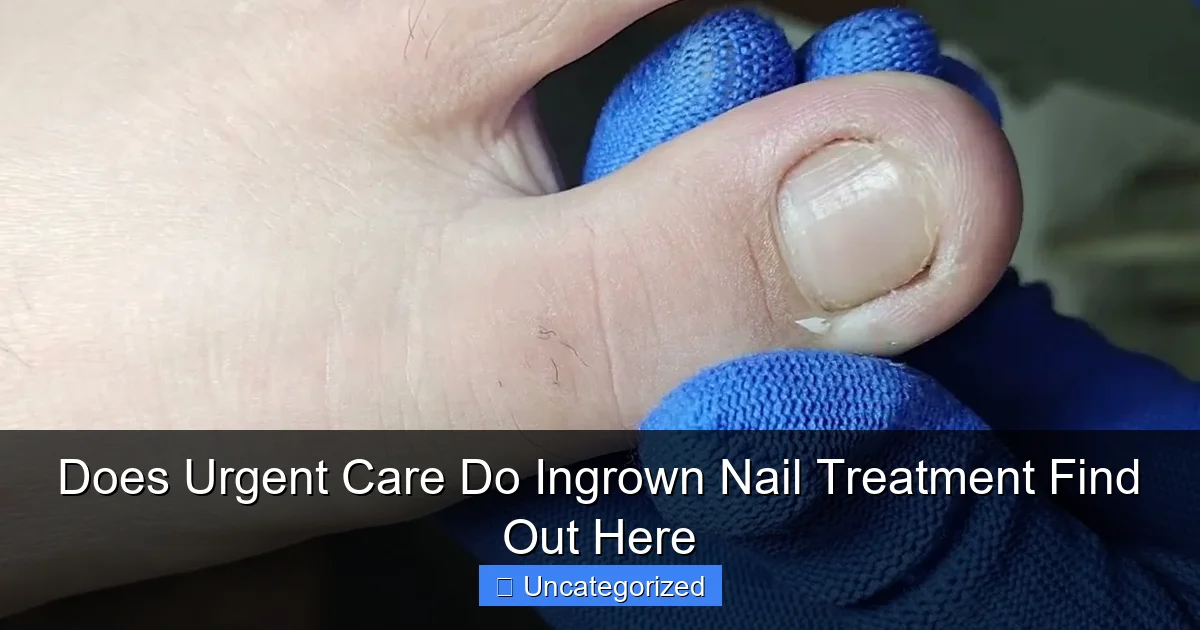
Featured image for does urgent care do ingrown nail
Image source: i.ytimg.com
Yes, urgent care centers can effectively treat ingrown nails, offering prompt relief for pain, swelling, and infection. Trained medical providers can perform minor procedures, such as partial nail removal or drainage, making urgent care a convenient and affordable alternative to emergency rooms for non-severe cases.
Key Takeaways
- Urgent care clinics treat ingrown nails effectively, including minor procedures and pain relief.
- Visit urgent care for quick relief if home remedies fail or infection signs appear.
- Expect professional care like nail trimming, antibiotics, or partial nail removal if needed.
- Costs are lower than ER for ingrown nail treatment, making it a budget-friendly option.
- No appointment needed—most urgent care centers accept walk-ins for same-day treatment.
- Follow aftercare instructions to prevent recurrence and ensure proper healing post-treatment.
📑 Table of Contents
- Does Urgent Care Do Ingrown Nail Treatment? Find Out Here
- Understanding Ingrown Toenails: Causes, Symptoms, and When to Seek Help
- Can Urgent Care Treat Ingrown Toenails? What Services Are Offered
- What to Expect During Your Urgent Care Visit
- Urgent Care vs. Other Treatment Options: Cost, Access, and Effectiveness
- Preventing Ingrown Toenails: Long-Term Strategies and Home Care
- Conclusion: Is Urgent Care Right for Your Ingrown Nail?
Does Urgent Care Do Ingrown Nail Treatment? Find Out Here
Ingrown toenails are a common, often painful foot condition that affects people of all ages. Whether it’s a dull ache after a long day or a sharp, throbbing pain when putting on shoes, the discomfort can quickly disrupt daily life. For many, the question arises: Where should I go for help? While primary care doctors and podiatrists are often the go-to specialists, urgent care centers have become increasingly popular for treating non-life-threatening but urgent medical issues. But does urgent care do ingrown nail treatment? The short answer is: Yes, in most cases, urgent care centers can diagnose and treat mild to moderate ingrown toenails. However, the extent of treatment depends on the severity, infection risk, and available resources at the facility.
This comprehensive guide will explore everything you need to know about seeking ingrown nail treatment at urgent care. From understanding when to go, what to expect during your visit, and how treatment differs from other medical providers, to practical tips for preventing recurrence, we’ll cover it all. Whether you’re a busy parent, an athlete, or someone dealing with chronic foot issues, knowing your options can save you time, money, and unnecessary pain. With the right information, you can make an informed decision about your care and get back on your feet faster.
Understanding Ingrown Toenails: Causes, Symptoms, and When to Seek Help
What Is an Ingrown Toenail?
An ingrown toenail (also known as onychocryptosis) occurs when the edge or corner of a toenail grows into the surrounding skin, causing pain, redness, swelling, and sometimes infection. The big toe is most commonly affected, though any toe can develop the condition. The ingrowth irritates the skin, leading to inflammation and, if left untreated, can result in abscess formation or cellulitis (a deeper skin infection).
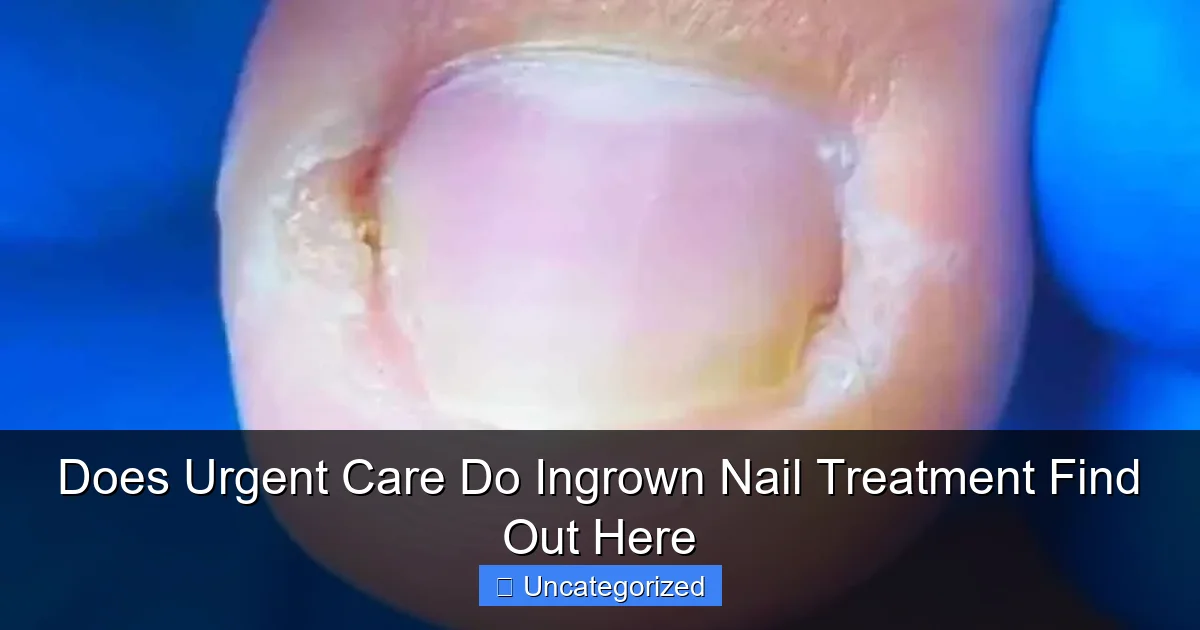
Visual guide about does urgent care do ingrown nail
Image source: i.ytimg.com
Common Causes and Risk Factors
Several factors contribute to the development of ingrown toenails. Understanding these can help prevent future occurrences:
- Improper nail trimming: Cutting nails too short or rounding the corners instead of cutting straight across increases the risk of ingrowth.
- Tight or ill-fitting footwear: Shoes that compress the toes (e.g., high heels, narrow toe boxes) put pressure on the toenails, encouraging them to grow into the skin.
- Trauma or injury: Stubbing your toe, dropping something on your foot, or repetitive stress from running or sports can alter nail growth.
- Genetics: Some people inherit a naturally curved or thick nail shape that predisposes them to ingrown nails.
- Obesity and diabetes: These conditions increase the risk due to poor circulation, reduced sensation, and higher infection rates.
Recognizing the Symptoms
Early detection is key to avoiding complications. Look out for these signs:
- Pain or tenderness along one or both sides of the toenail
- Redness and swelling around the nail
- Warmth or throbbing in the affected area
- Visible nail edge growing into the skin
- Pus or drainage (a sign of infection)
- Difficulty walking or wearing shoes
For example, a runner might notice increasing pain in their big toe after a 10-mile training session. Initially, they may dismiss it as soreness, but over time, the nail begins to dig into the skin, making even light pressure painful. At this point, medical attention is warranted.
When to Seek Medical Help
You should consider visiting urgent care if:
- The pain is persistent and interferes with daily activities
- There is visible swelling, redness, or pus
- You have diabetes or poor circulation (increased risk of complications)
- Home remedies (e.g., soaking, over-the-counter pain relievers) have not improved symptoms after 2–3 days
Delaying treatment can lead to worsening infection, abscess formation, or even hospitalization in severe cases. Urgent care is ideal for early to moderate cases, especially when you need fast relief without waiting days for a specialist appointment.
Can Urgent Care Treat Ingrown Toenails? What Services Are Offered
Diagnosis and Evaluation
When you arrive at an urgent care center, a healthcare provider (usually a physician, nurse practitioner, or physician assistant) will first perform a physical examination of your foot. They will assess:
- The degree of nail penetration
- Signs of infection (pus, redness, warmth)
- Presence of abscess or cellulitis
- Your medical history (especially diabetes, vascular disease, or immune conditions)
Unlike emergency rooms, urgent care clinics are equipped to handle minor surgical procedures, including minor nail surgeries. They often have basic tools like scalpels, forceps, and antiseptic solutions on hand. In some cases, they may use a local anesthetic (lidocaine) to numb the toe before treatment.
Common Treatments Performed at Urgent Care
Urgent care centers typically offer the following treatments for ingrown toenails:
1. Partial Nail Removal (Nail Wedge Excision)
This is the most common procedure for moderate ingrown nails. The provider will:
- Clean and numb the toe with a local anesthetic
- Remove the ingrown portion of the nail using sterile instruments
- Apply an antiseptic dressing to prevent infection
Example: A 25-year-old office worker with a mildly infected ingrown nail on their right big toe visits urgent care. After numbing the area, the provider carefully trims the corner of the nail that’s digging into the skin. The patient is sent home with instructions to keep the foot elevated and use antibiotic ointment.
2. Antibiotic Therapy
If there is evidence of infection (e.g., pus, spreading redness), the provider may prescribe oral antibiotics such as:
- Amoxicillin-clavulanate (Augmentin) – for broad-spectrum coverage
- Doxycycline – often used for patients with penicillin allergies
- Clindamycin – for more severe or resistant infections
Topical antibiotics (e.g., mupirocin ointment) may also be recommended for minor skin breakdown.
3. Soak and Bandage Care
For mild cases without infection, urgent care may recommend:
- Warm water soaks with Epsom salt (15–20 minutes, 2–3 times daily)
- Inserting a small piece of cotton or dental floss under the nail edge to lift it
- Wearing open-toed or loose-fitting shoes
This conservative approach is often effective if the ingrowth is caught early.
Limitations of Urgent Care Treatment
While urgent care can handle many ingrown nail cases, there are limitations:
- No permanent nail matrix destruction: Most urgent care centers do not perform chemical matrixectomy (a procedure to prevent regrowth of the nail edge using phenol or sodium hydroxide), which is typically done by podiatrists for recurrent cases.
- No advanced imaging: If a foreign body (e.g., splinter) is suspected under the nail, urgent care may refer you to a specialist for X-rays.
- Follow-up care: You may need to see a podiatrist later for long-term management, especially if you have chronic ingrown nails.
Despite these limitations, urgent care is often the fastest and most accessible option for acute relief.
What to Expect During Your Urgent Care Visit
Before Your Appointment
To make the most of your visit, prepare in advance:
- Wear open-toed shoes or sandals to reduce pressure on the affected toe.
- Bring your medical history, including any medications, allergies, or chronic conditions like diabetes.
- Take photos of your toe if symptoms have changed over time (helpful for tracking progress).
- Call ahead to confirm the clinic offers minor surgical procedures (not all do).
Many urgent care centers allow online check-in, which can reduce wait times. Some even offer same-day appointments for foot pain.
During the Visit: Step-by-Step Process
Here’s what typically happens during an ingrown nail visit:
- Check-in and Triage: A nurse will assess your pain level and vital signs.
- Provider Consultation: The doctor will examine your foot, ask about your symptoms, and discuss treatment options.
- Consent and Numbing: If a procedure is needed, you’ll sign a consent form. The provider will inject a local anesthetic (you’ll feel a quick pinch, then numbness).
- Procedure: The ingrown portion of the nail is removed. The process usually takes 10–20 minutes.
- Dressing and Instructions: The toe is cleaned and bandaged. You’ll receive aftercare instructions.
- Prescriptions (if needed): Antibiotics or pain relievers may be prescribed.
Aftercare and Recovery Tips
Proper aftercare is crucial to prevent infection and promote healing:
- Keep the foot clean and dry: Avoid soaking for the first 24 hours, then resume gentle soaks.
- Elevate the foot when sitting to reduce swelling.
- Change the bandage daily or if it becomes wet or dirty.
- Take prescribed medications as directed (don’t stop antibiotics early).
- Avoid tight shoes for 3–5 days; wear sandals or loose sneakers.
- Monitor for signs of infection: Increasing redness, pus, fever, or worsening pain.
Tip: Use a toe cap or protective sleeve to shield the healing toe while walking.
Follow-Up Care
Most patients see improvement within 2–3 days. However, schedule a follow-up with your primary care doctor or podiatrist if:
- Symptoms worsen after 48 hours
- You develop a fever or chills
- The nail regrows into the skin again (recurrence)
For recurrent cases, a podiatrist may recommend permanent solutions like partial nail avulsion with matrixectomy.
Urgent Care vs. Other Treatment Options: Cost, Access, and Effectiveness
Urgent Care vs. Emergency Room (ER)
While ERs can treat ingrown nails, they are not the best choice for this condition. Here’s why:
- Cost: ER visits average $1,000–$3,000, while urgent care costs $100–$300.
- Wait times: ERs prioritize life-threatening conditions, so you may wait hours.
- Overkill: Ingrown nails rarely require IV antibiotics or hospital admission.
Urgent care is faster, cheaper, and more appropriate for minor procedures.
Urgent Care vs. Podiatrist
Podiatrists (foot specialists) offer more comprehensive care, especially for complex or recurrent cases:
- Advanced procedures: Chemical matrixectomy, surgical nail removal, custom orthotics.
- Preventive care: Biomechanical assessments, gait analysis.
- Long-term management: Ideal for athletes, diabetics, or those with chronic foot issues.
However, podiatrist appointments often require referrals and can have longer wait times. Urgent care is better for immediate relief, while podiatrists are better for long-term solutions.
Urgent Care vs. Primary Care Doctor
Primary care physicians (PCPs) can diagnose and prescribe antibiotics but often lack tools for minor surgeries. They may refer you to urgent care or a podiatrist anyway. Urgent care is more equipped for hands-on treatment.
Cost Comparison Table
| Treatment Option | Average Cost | Wait Time | Best For |
|---|---|---|---|
| Urgent Care | $100–$300 | 30–90 minutes | Mild to moderate ingrown nails, fast treatment |
| Podiatrist | $150–$500 | 1–4 weeks | Recurrent cases, permanent solutions |
| Emergency Room | $1,000–$3,000 | 2–6 hours | Severe infection, abscess, high fever |
| Home Remedies | $0–$20 | Immediate | Very mild cases, no infection |
Note: Costs vary by location and insurance. Check with your provider for exact pricing.
Preventing Ingrown Toenails: Long-Term Strategies and Home Care
Proper Nail Trimming Techniques
The #1 way to prevent ingrown nails is to trim nails correctly:
- Cut straight across, not rounded
- Leave a small white edge (about 1–2 mm)
- Use clean, sharp nail clippers
- Don’t cut too short
Tip: Trim nails after a shower when they’re softer and easier to cut.
Footwear and Socks
Choose shoes with:
- Wide toe boxes
- Good arch support
- Flexible soles
Avoid high heels, tight sneakers, or shoes with pointed toes. Wear moisture-wicking socks to reduce friction and swelling.
Foot Hygiene and Inspection
Daily foot care reduces risk:
- Wash and dry feet thoroughly (especially between toes)
- Moisturize to prevent cracked skin
- Inspect nails weekly for early signs of ingrowth
Special Considerations for High-Risk Groups
For diabetics or those with poor circulation:
- See a podiatrist regularly (every 2–3 months)
- Never attempt home nail removal
- Use a mirror to check the bottom of your feet daily
Athletes should wear properly fitted athletic shoes and replace them every 300–500 miles.
When to Seek Preventive Care
If you’ve had ingrown nails before, consider:
- Scheduling a podiatry consult for custom orthotics
- Learning proper nail care from a professional
- Using toe separators or protective sleeves during sports
Conclusion: Is Urgent Care Right for Your Ingrown Nail?
So, does urgent care do ingrown nail treatment? Absolutely—and for many people, it’s the perfect choice. Urgent care centers offer fast, affordable, and effective treatment for mild to moderate ingrown toenails, including minor surgical procedures, antibiotic prescriptions, and expert aftercare guidance. With shorter wait times than ERs and more hands-on capabilities than primary care, urgent care bridges the gap between self-care and specialist intervention.
However, it’s important to recognize when urgent care is not the best option. If you have diabetes, a severe infection, or recurrent ingrown nails, a podiatrist may be necessary for long-term management. And while urgent care can provide immediate relief, prevention is always better than treatment. By adopting proper nail care habits, wearing the right footwear, and staying vigilant about foot health, you can reduce your risk of future episodes.
Whether you’re dealing with your first ingrown nail or managing a chronic issue, knowing your options empowers you to make the best decision for your health. Don’t let foot pain slow you down—visit urgent care for prompt relief, follow up with a specialist if needed, and take steps to keep your toes healthy for years to come. Your feet carry you through life; treat them with the care they deserve.
Frequently Asked Questions
Does urgent care do ingrown nail treatment?
Yes, most urgent care centers can treat ingrown nails, especially if the condition is painful, infected, or worsening. They offer services like nail removal, antibiotics, and minor procedures to relieve discomfort.
Can I get an ingrown toenail treated at urgent care instead of the ER?
Absolutely. Urgent care clinics are ideal for ingrown toenail treatment, as they provide timely care without the high costs of an ER visit. They handle minor procedures like partial nail removal efficiently.
What kind of ingrown nail treatment does urgent care offer?
Urgent care centers typically provide treatments like lifting the nail, partial nail removal, antibiotics for infection, and aftercare guidance. For severe cases, they may refer you to a specialist.
Is it better to see a podiatrist or urgent care for an ingrown nail?
For mild to moderate cases, urgent care is a convenient and cost-effective option. However, if you have recurring ingrown nails or complications (e.g., diabetes), a podiatrist may be more suitable for specialized care.
How much does urgent care charge for ingrown nail treatment?
Costs vary by location and severity, but urgent care treatment for ingrown nails typically ranges from $100 to $300 without insurance. Check with your local clinic for specific pricing and insurance coverage.
What should I expect during an ingrown nail visit to urgent care?
The provider will examine the nail, drain any infection, and may remove part of the nail. You’ll receive aftercare instructions, such as soaking the foot and keeping it clean to prevent recurrence.