

Featured image for this comprehensive guide about how much do i need to budget out for haircare
Image source: glam.com
Ever found yourself staring at a receipt from the salon or a pile of new hair products, wondering, “How did I spend *that* much?” You’re not alone! For many, haircare budget is an afterthought, an expense that seemingly creeps up on us. But what if you could take control? What if you knew exactly how much you need to budget out for haircare, ensuring your locks look fabulous without breaking the bank?
From luxurious treatments to everyday essentials, the cost of haircare can vary wildly. This comprehensive guide will help you decode your haircare expenses, identify areas for smart spending, and empower you to create a sustainable budget for haircare that keeps your hair happy and your wallet healthier. Let’s dive in!
📋 Table of Contents
- Understanding Your Current Haircare Spending Habits
- Key Factors That Influence Your Haircare Budget
- Deconstructing Haircare Costs: Products, Services & Tools
- Smart Strategies to Save on Your Haircare Budget
- Creating Your Personalized Haircare Budget Plan
- Maintaining and Adapting Your Haircare Budget
Understanding Your Current Haircare Spending Habits
Before you can build an effective haircare budget, you need to understand where your money is currently going. Many people underestimate their true haircare costs because purchases are sporadic or spread out over time. It’s time for a little detective work!
Actionable Tip: For the next month or two, track every single penny you spend on your hair. This includes:
| Haircare Item/Service | Average Cost (per purchase/service) | Typical Frequency | Estimated Monthly Cost |
|---|---|---|---|
| Basic Shampoo & Conditioner | $25.00 | Every 6-8 weeks | $14.28 |
| Haircuts/Trims (Professional) | $55.00 | Every 2-3 months | $22.00 |
| Styling Products (e.g., Mousse, Serum) | $18.00 | Every 1-2 months | $12.00 |
| Hair Coloring/Highlights (Salon) | $160.00 | Every 3-4 months | $45.71 |
| Deep Conditioners/Masks (At-Home) | $20.00 | Every 2 months | $10.00 |
| Total Estimated Monthly Haircare Budget | $103.99 | ||
- Shampoos, conditioners, masks, serums
- Styling products (mousse, gel, hairspray, heat protectant)
- Hair tools (brushes, combs, hairdryers, straighteners, curling irons)
- Salon visits (cuts, color, treatments, blowouts)
- Hair accessories (ties, clips, headbands)
Once you have this data, you’ll likely be surprised by the total. This honest assessment is the first crucial step in determining how much to spend on hair realistically.
Key Factors That Influence Your Haircare Budget
The truth is, there’s no one-size-fits-all answer to how much you need to budget out for haircare. Several personal factors play a significant role:

Learn more about how much do i need to budget out for haircare – How to Budget for Haircare Costs
Image source: beautycarechoices.com
Hair Type & Texture
Fine, thick, curly, straight, oily, dry – different hair types have different needs. Curly hair, for example, often requires more moisturizing products and specialized styling creams, which can increase product frequency and haircare costs. Those with oily hair might wash more frequently, potentially using more shampoo.
Styling Habits
Do you air dry, blow dry daily, or regularly use heat tools? Frequent heat styling necessitates heat protectants and often leads to more frequent trims to combat split ends. Elaborate updos or specific styles might also require a wider range of styling products and tools, impacting your haircare budget.
Hair Goals & Maintenance
Are you aiming for significant length, vibrant color, or chemical treatments like perms or relaxers? These goals often come with a higher price tag due to specialized products and regular salon appointments. Maintaining a complex color, like platinum blonde or vivid fashion colors, can significantly increase your haircare expenses compared to a natural shade.
Location & Salon Choice
Salon prices vary dramatically based on your geographical location and the salon’s prestige. A haircut in a major metropolitan area will almost certainly cost more than one in a smaller town. Similarly, a high-end salon will charge more than a local barbershop or a beauty school. Factor this into your budget for haircare.
Deconstructing Haircare Costs: Products, Services & Tools
Let’s break down the typical categories of haircare costs to get a clearer picture of how much to spend on hair in each area.
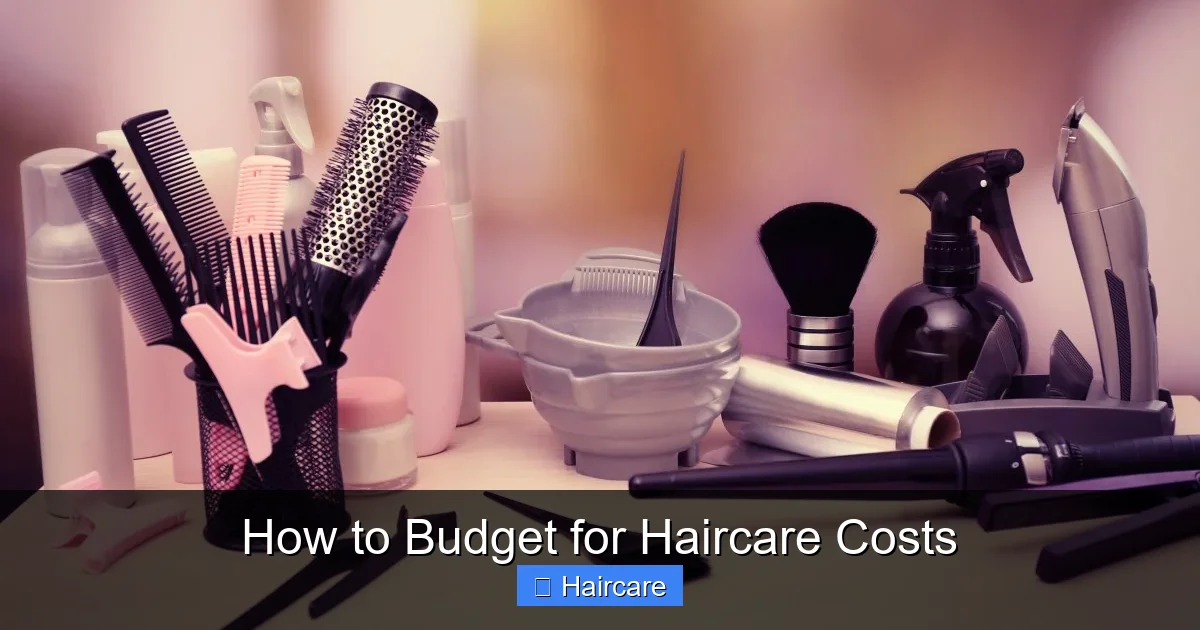
Learn more about how much do i need to budget out for haircare – How to Budget for Haircare Costs
Image source: hairfinder.com
Everyday Essentials (Shampoo, Conditioner, Styling Products)
- Drugstore Brands: Can range from $5-$15 per product. A full regimen (shampoo, conditioner, leave-in) might be $15-$45 per month, depending on usage.
- Mid-Range Brands: Often $15-$35 per product. A regimen could be $45-$105 per month.
- Salon/High-End Brands: Typically $30-$70+ per product. A full regimen might easily exceed $90-$210+ per month.
Remember, products last different lengths of time. A large shampoo bottle might last 2-3 months, while a small styling cream could be gone in 1 month.
Professional Services (Cuts, Color, Treatments)
This is often the largest single haircare expense for many. Prices are highly variable.
- Haircuts:
- Basic trim at a discount salon: $15-$40
- Standard haircut at a mid-range salon: $50-$100
- High-end stylist/specialist cut: $100-$300+
- Frequency: Every 6-12 weeks for most, 4-6 weeks for short styles.
- Hair Color: (highly dependent on complexity, length, and salon)
- Single process/root touch-up: $70-$150+
- Highlights/Balayage: $150-$400+
- Creative/Vivid colors: $200-$600+ (often requires multiple sessions)
- Frequency: Every 4-12 weeks depending on grow-out and desired look.
- Treatments (Deep Conditioning, Keratin, Olaplex):
- Add-on conditioning treatment: $20-$50
- Standalone deep treatment: $50-$100+
- Keratin/smoothing treatment: $200-$500+ (lasts 3-6 months)
Styling Tools & Accessories
These are typically one-off or infrequent purchases, but their initial cost of haircare can be substantial.
- Hairdryer: $30 (basic) to $400+ (high-end professional)
- Flat Iron/Curling Iron: $20 (basic) to $250+ (titanium/ceramic)
- Brushes/Combs: $5-$50+
- Accessories (ties, clips): Can be a few dollars to $50+ for designer items.
While not a recurring monthly haircare expense, these need to be factored into an occasional replacement budget.
Smart Strategies to Save on Your Haircare Budget
You don’t have to sacrifice healthy, beautiful hair to stick to a budget for haircare. Here are some smart ways to cut down your haircare costs:
- Stretch Salon Visits: Can you extend your haircut from 6 to 8 weeks? Can you switch to a balayage or ombré color that grows out more gracefully, reducing touch-ups?
- DIY Where Possible: Learn to do simple at-home conditioning masks using ingredients from your pantry (e.g., avocado, honey, olive oil). Style your hair at home instead of getting regular blowouts.
- Buy in Bulk or Look for Sales: When your favorite shampoo or conditioner goes on sale, stock up! Larger bottles often offer a better per-ounce value.
- Be Product Savvy: Not every product needs to be high-end. Maybe a drugstore shampoo works fine for you, but you splurge on a good quality leave-in conditioner or heat protectant. Prioritize your spending.
- Minimize Heat Styling: Reduce your use of heat tools to not only save on heat protectants but also to improve hair health, potentially reducing the need for expensive repair treatments.
- Consider Alternatives: Look into beauty schools for discounted services (always supervised!), or find a talented junior stylist at a good salon who might charge less.
- Proper Product Usage: Use only the recommended amount of product. More is not always better and just wastes product faster.
Creating Your Personalized Haircare Budget Plan
Now that you’re armed with information, it’s time to build your actual budget for haircare. This should be a realistic plan that aligns with your financial goals and hair aspirations.
Step 1: Determine Your Monthly Allotment. Based on your income and other expenses, decide on a realistic monthly or bi-monthly amount you can comfortably allocate to haircare expenses.
Step 2: List Your Non-Negotiables. What haircare costs are essential for you? A professional cut every 8 weeks? A specific shampoo for color-treated hair? Write them down.
Step 3: Calculate Your Annual Costs.
Let’s say:
- Haircut: $75 every 8 weeks (6.5 times/year) = ~$487.50
- Color: $120 every 10 weeks (5.2 times/year) = ~$624
- Shampoo & Conditioner: $25 (lasts 2 months) = $150/year
- Styling product: $20 (lasts 3 months) = $80/year
- TOTAL ANNUAL: ~$1341.50
- TOTAL MONTHLY: ~$111.79
This provides a clearer picture of your average haircare budget. Your numbers will, of course, be different!
Step 4: Adjust and Optimize. If your calculated monthly total is too high, revisit the “Smart Saving Strategies” section. Can you extend salon visits? Switch a product? This is where you fine-tune how much to spend on hair to fit your finances.
Maintaining and Adapting Your Haircare Budget
A haircare budget isn’t a rigid, one-time creation; it’s a living document. Your hair needs change, your income might fluctuate, and new products emerge. Regularly review your budget for haircare, perhaps quarterly or semi-annually.
Questions to Ask Yourself During Review:
- Are my current products still working effectively, or do I need to switch?
- Have my hair goals changed (e.g., growing out color, embracing natural texture)?
- Am I consistently overspending in one area?
- Can I reallocate funds from less important categories to more crucial ones?
By regularly checking in, you ensure your haircare expenses remain aligned with your overall financial health and hair aspirations. Be flexible, but stay accountable to your goals.
Taking control of your haircare budget is an empowering step towards financial wellness and consistently great hair. By understanding your needs, tracking your spending, and implementing smart strategies, you can confidently answer the question of how much you need to budget out for haircare. Remember, healthy hair doesn’t have to mean an empty wallet. Start budgeting for hair today and enjoy the peace of mind that comes with it!
Frequently Asked Questions
What’s a typical monthly haircare budget for an individual?
A typical monthly haircare budget can vary significantly, ranging from $20 for basic at-home care to over $100 for those with regular salon services and high-end products. Factors like hair type, styling preferences, and product choices heavily influence this average.
What key factors should I consider when determining my haircare budget?
When determining your haircare budget, consider your hair type, desired style, and the frequency of professional services you require. Also, factor in the cost of essential products like shampoo, conditioner, styling aids, and any necessary tools or treatments.
How often should I update or review my haircare budget?
It’s a good idea to review your haircare budget every three to six months, or whenever your hair needs change significantly. This allows you to adjust for new products, changing salon service frequencies, or seasonal styling requirements.
Can I maintain healthy hair on a tight haircare budget?
Absolutely, you can maintain healthy hair on a tight haircare budget by making smart choices. Look for multi-purpose products, buy larger sizes when possible, and consider spacing out professional salon visits. Prioritizing essential products over numerous styling aids can also help save money.
What types of expenses should I include in my overall haircare budget?
Your overall haircare budget should encompass all related costs, including shampoo, conditioner, and styling products. Don’t forget to budget for hair tools, accessories, and any professional salon services like cuts, coloring, or treatments.
Is it always more cost-effective to do my haircare at home versus visiting a salon?
While at-home haircare is generally cheaper upfront for daily maintenance, salon visits can be more cost-effective for complex services like professional coloring or precision cuts in the long run. Budgeting for occasional salon visits can prevent costly mistakes or damage from DIY attempts.