
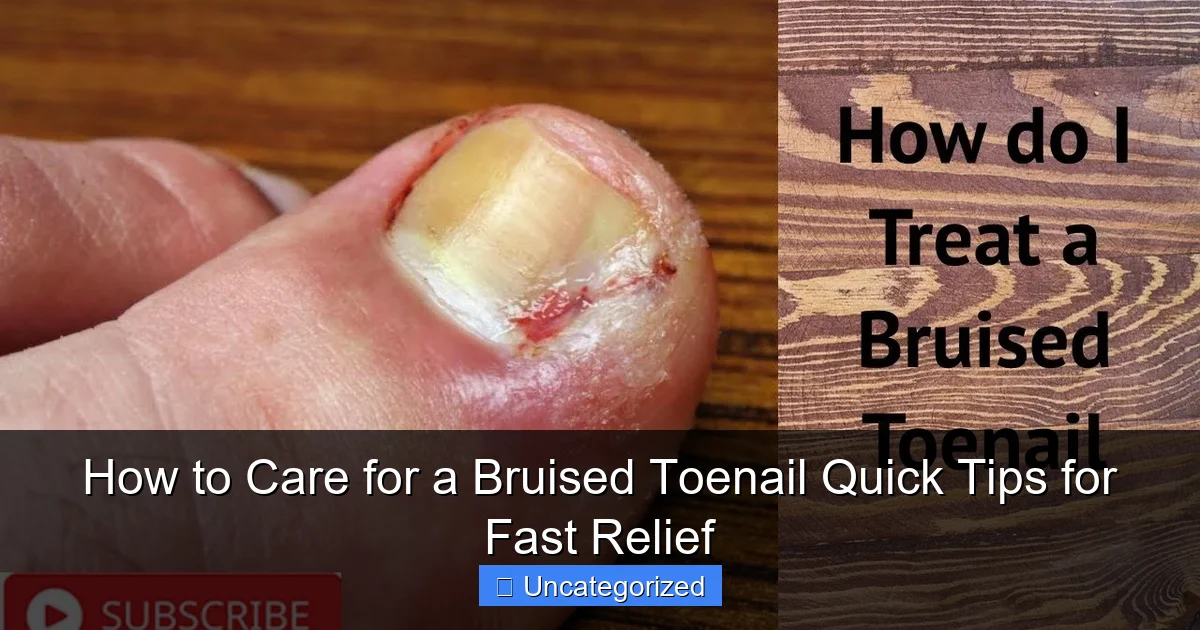
Featured image for how to care for a bruised toe nail
Image source: i.ytimg.com
Immediate rest and elevation are crucial to reduce swelling and pain from a bruised toenail, helping to prevent further blood accumulation under the nail. Apply a cold compress for 15–20 minutes several times a day to minimize inflammation and promote faster healing. Avoid tight footwear and monitor for signs of infection or persistent discoloration, which may require medical attention.
Key Takeaways
- Elevate your foot: Reduce swelling by keeping it raised above heart level.
- Apply ice packs: Use for 15-20 minutes to minimize pain and inflammation.
- Wear roomy shoes: Avoid pressure with wide, comfortable footwear during healing.
- Trim nails carefully: Prevent further injury by cutting straight across and not too short.
- Monitor for infection: Seek medical help if you notice pus or severe discoloration.
- Use OTC pain relief: Take ibuprofen or acetaminophen for discomfort as needed.
📑 Table of Contents
- How to Care for a Bruised Toenail: Quick Tips for Fast Relief
- Understanding the Causes and Symptoms of a Bruised Toenail
- Immediate First Aid: What to Do Right After Injury
- Long-Term Care and Healing Strategies
- When to See a Doctor: Recognizing Red Flags
- Prevention: How to Avoid Future Bruised Toenails
- Healing Timeline and What to Expect
How to Care for a Bruised Toenail: Quick Tips for Fast Relief
Few things are as unexpectedly painful as stubbing your toe or dropping something heavy on your foot. One moment you’re going about your day, and the next, you’re wincing with every step. A bruised toenail—medically known as a subungual hematoma—occurs when blood collects beneath the nail plate due to trauma. This condition can range from mildly uncomfortable to excruciating, especially if pressure builds under the nail. While it may seem like a minor issue, ignoring a bruised toenail can lead to complications such as infection, permanent nail loss, or chronic pain.
Whether you’re an athlete, a parent chasing kids, or someone who occasionally misjudges the distance to the coffee table, a bruised toenail can happen to anyone. The good news? With the right care, most cases resolve on their own within a few weeks to months. This guide will walk you through everything you need to know about how to care for a bruised toenail, from immediate first aid to long-term recovery. You’ll learn how to relieve pain, prevent infection, speed up healing, and know when it’s time to seek medical help. With practical tips, expert-backed strategies, and real-life examples, you’ll be equipped to handle this common foot ailment with confidence and comfort.
Understanding the Causes and Symptoms of a Bruised Toenail
A bruised toenail isn’t just about pain—it’s a signal from your body that something’s wrong beneath the surface. Understanding the root causes and recognizing the symptoms early can help you respond effectively and avoid unnecessary complications.
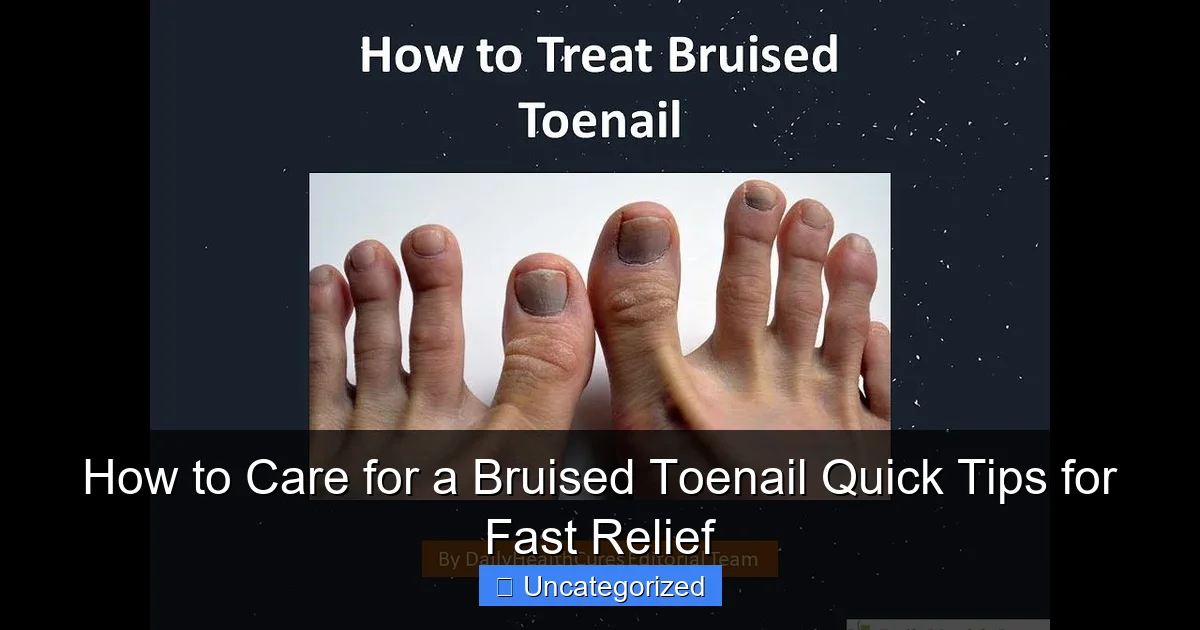
Visual guide about how to care for a bruised toe nail
Image source: i.ytimg.com
Common Causes of Subungual Hematoma
Trauma is the primary culprit behind bruised toenails. Here are the most frequent scenarios:
- Acute injury: Dropping a heavy object (like a tool or dumbbell) on your toe, or stubbing your foot against a hard surface (e.g., a door frame or furniture).
- Repetitive pressure: Common in runners, hikers, or people who wear ill-fitting shoes. Constant friction or downward force during long-distance walking or running can cause blood to pool under the nail.
- Footwear issues: Shoes that are too tight, narrow, or lack proper toe box space can compress the toes, especially during downhill movement.
- Sports-related trauma: Soccer, football, or basketball players may suffer from sudden kicks or impacts to the foot.
- Medical conditions: In rare cases, a bruised toenail may be a sign of an underlying issue such as a blood clotting disorder or a tumor (though this is uncommon).
Example: Sarah, a 35-year-old marathon runner, developed a blackened big toenail after completing a 20-mile training run. Her shoes were slightly too short, causing her toes to repeatedly hit the front of the shoe. This repetitive trauma led to a classic case of runner’s toe, a form of subungual hematoma.
Recognizing the Symptoms
Early detection helps you take action before the condition worsens. Key symptoms include:
- Discoloration: The nail may appear red, purple, or black as blood accumulates. In severe cases, the entire nail can turn dark.
- Pain or throbbing: Especially when pressure is applied (e.g., wearing socks or shoes).
- Swelling and tenderness: Around the toe, particularly at the base of the nail.
- Warmth: The affected toe may feel warmer than surrounding toes due to inflammation.
- Blister-like sensation: A feeling of fluid under the nail, even if no visible blister is present.
It’s important to note that not all discolored nails are bruised. Fungal infections can also cause darkening, but they typically progress slowly and are accompanied by thickening or crumbling of the nail. If the discoloration appeared suddenly after an injury, bruising is the likely cause.
Immediate First Aid: What to Do Right After Injury
Time is critical when managing a bruised toenail. The first 24 to 48 hours are crucial for minimizing pain, reducing swelling, and preventing further damage. Here’s a step-by-step guide to immediate care.
Step 1: Rest, Ice, Compression, Elevation (R.I.C.E.)
This classic first-aid protocol is highly effective for soft tissue injuries, including subungual hematoma.
- Rest: Stop any activity that puts pressure on the foot. Avoid walking barefoot or wearing tight shoes.
- Ice: Wrap an ice pack in a thin towel and apply it to the injured toe for 15–20 minutes every hour during the first 6–8 hours. Ice reduces swelling and numbs the area, easing pain. Never apply ice directly to the skin.
- Compression: Use a soft bandage to gently wrap the toe. Avoid wrapping too tightly—this can cut off circulation. The goal is to support, not constrict.
- Elevation: Keep your foot elevated above heart level as much as possible. This helps drain excess fluid and reduces throbbing.
Tip: If you don’t have an ice pack, a bag of frozen peas or a damp, cold cloth works in a pinch.
Step 2: Pain Relief and Over-the-Counter Medications
For mild to moderate pain, non-prescription medications can help:
- NSAIDs (Nonsteroidal Anti-Inflammatory Drugs): Ibuprofen (Advil, Motrin) or naproxen (Aleve) reduce both pain and inflammation. Take as directed on the label.
- Acetaminophen (Tylenol): A good alternative if you can’t take NSAIDs (e.g., due to stomach sensitivity). It relieves pain but has less anti-inflammatory effect.
Avoid aspirin in children under 18 due to the risk of Reye’s syndrome. Also, don’t take NSAIDs if you have a history of ulcers or kidney disease without consulting a doctor.
Step 3: Drainage (Only When Necessary and Safe)
Draining blood from under the nail—also called trephination—can relieve intense pressure and pain. However, this should only be done under specific conditions:
- The hematoma covers more than 25–50% of the nail.
- The pain is severe and not improving with R.I.C.E. and medication.
- There is no sign of infection (e.g., pus, spreading redness, fever).
Safe Drainage Method (at home):
- Wash your hands and the affected toe thoroughly with soap and water.
- Disinfect the area with rubbing alcohol or iodine.
- Use a sterilized needle (hold over a flame, then cool) to gently pierce the nail at the edge of the discoloration.
- Apply gentle pressure to allow blood to escape. Do not force it.
- Cover with a clean bandage and monitor for signs of infection.
Caution: If you’re unsure, have diabetes, or poor circulation, skip DIY drainage and see a healthcare provider. Improper drainage can lead to infection or damage to the nail bed.
Long-Term Care and Healing Strategies
While immediate care is vital, long-term healing requires consistent attention. Most bruised toenails heal within 6–9 months, depending on the severity and whether the nail falls off. Here’s how to support the process.
Wearing the Right Footwear
Footwear plays a major role in recovery. The goal is to reduce pressure on the injured toe.
- Choose shoes with a wide toe box: Brands like Altra, Hoka, or New Balance offer roomy designs that prevent toe compression.
- Avoid high heels or narrow shoes: These force toes forward and increase trauma risk.
- Use protective toe caps: Silicone toe sleeves or caps can cushion the toe and absorb shock.
- Consider orthotics: Custom or over-the-counter inserts can redistribute pressure across the foot.
Example: After his bruised toenail, Mark switched from his narrow running shoes to trail shoes with a spacious toe box. He also added gel toe protectors, which significantly reduced discomfort during his recovery phase.
Maintaining Nail Hygiene
Cleanliness prevents infection and supports healing:
- Wash your feet daily with mild soap and warm water.
- Dry thoroughly, especially between toes—moisture breeds bacteria and fungus.
- Trim the affected nail straight across to prevent snagging. Avoid cutting too close to the skin.
- Apply an antiseptic ointment (e.g., Neosporin) if the nail is partially detached or the skin is broken.
- Change socks daily, or more often if your feet sweat heavily.
Promoting Circulation and Healing
Good blood flow accelerates tissue repair:
- Gentle movement: Wiggle your toes periodically to stimulate circulation.
- Warm soaks (after 48 hours): Soak your foot in warm (not hot) water with Epsom salts for 15–20 minutes, 1–2 times daily. This reduces stiffness and promotes healing.
- Massage: Gently massage the area around the toe (not the nail itself) with a moisturizing lotion to improve blood flow.
Note: Avoid soaking if there’s an open wound or signs of infection.
When to See a Doctor: Recognizing Red Flags
While most bruised toenails heal at home, some cases require professional evaluation. Ignoring warning signs can lead to complications.
Signs You Need Medical Attention
- Severe or worsening pain: Pain that doesn’t improve after 48 hours or increases over time.
- Signs of infection: Redness spreading up the foot, pus, foul odor, fever, or warmth around the toe.
- No improvement after 2 weeks: If the bruise isn’t fading or the nail isn’t healing.
- Nail detachment: If the nail starts to peel or fall off, especially if it’s painful or exposes raw tissue.
- Underlying health conditions: If you have diabetes, peripheral artery disease (PAD), or a weakened immune system, even minor foot injuries can become serious.
- Recurring bruising: Repeated trauma to the same nail may indicate a structural issue (e.g., a bony spur or ill-fitting shoes).
What to Expect at the Doctor’s Office
A podiatrist or primary care provider may:
- Drain the hematoma safely using medical tools (e.g., a sterile drill or electrocautery).
- Prescribe antibiotics if infection is present.
- Take an X-ray to rule out a toe fracture.
- Evaluate for fungal infections or tumors if the discoloration persists.
- Recommend custom orthotics or footwear changes.
Real-life case: James, a diabetic, noticed his bruised toenail wasn’t healing after three weeks. His doctor discovered a small ulcer beneath the nail—a dangerous complication in people with poor circulation. Early intervention prevented a severe infection.
Prevention: How to Avoid Future Bruised Toenails
An ounce of prevention is worth a pound of cure—especially when it comes to foot health. Here’s how to reduce your risk.
Choose Proper Footwear
Your shoes are your first line of defense:
- Ensure there’s a thumb’s width between the longest toe and the end of the shoe.
- Replace worn-out shoes—especially running shoes, which lose cushioning after 300–500 miles.
- Use sport-specific shoes (e.g., trail shoes for hiking, cleats for soccer).
Trim Nails Correctly
- Cut nails straight across—don’t round the corners, as this increases the risk of ingrown toenails.
- Use sharp, clean clippers.
- File edges to prevent snagging.
Use Protective Gear
- Toe guards: Especially useful for workers in construction or industrial settings.
- Moisture-wicking socks: Prevent blisters and reduce friction.
- Orthopedic insoles: Provide extra cushioning and support.
Monitor High-Risk Activities
- Athletes: Gradually increase running mileage (no more than 10% per week).
- Hikers: Break in new boots before long trips.
- Home improvement: Wear steel-toe boots when working with heavy tools.
By adopting these habits, you can significantly reduce the chance of future trauma to your toenails.
Healing Timeline and What to Expect
Understanding the recovery process helps manage expectations and reduces anxiety. Below is a general timeline for bruised toenail healing, based on severity and individual factors.
| Time Since Injury | Expected Progress | Care Tips |
|---|---|---|
| 0–48 hours | Swelling, pain, discoloration peaks. Possible throbbing. | R.I.C.E., pain meds, consider drainage if severe. |
| 3–7 days | Pain begins to subside. Discoloration may darken initially. | Continue rest, gentle movement, warm soaks (after 48h). |
| 1–2 weeks | Swelling reduces. Nail may start to grow out with a dark line. | Keep area clean, wear protective footwear. |
| 4–12 weeks | New nail grows from base. Old bruised nail may lift or fall off. | Trim loose edges, avoid picking at the nail. |
| 6–9 months | Full nail regrowth. Discoloration fades completely. | Monitor for ridges or deformities; consult doctor if concerns. |
Note: Individual healing varies. Factors like age, circulation, nutrition, and underlying health conditions can affect recovery time.
Caring for a bruised toenail may not be glamorous, but it’s essential for comfort and long-term foot health. From the moment of injury, your actions can make a significant difference in pain relief, healing speed, and prevention of complications. By understanding the causes, applying immediate first aid, committing to long-term care, and knowing when to seek help, you’re taking control of your recovery.
Remember, a bruised toenail is more than a cosmetic issue—it’s a sign of trauma that deserves attention. Whether you’re an athlete, a weekend warrior, or just someone who stubbed their toe on the nightstand, the strategies outlined here empower you to heal safely and effectively. Prioritize proper footwear, maintain hygiene, and listen to your body. With patience and consistent care, your nail will grow back healthy, and your foot will be back to full strength in no time.
Don’t let a bruised toenail slow you down. Use these quick tips for fast relief and get back on your feet—literally.
Frequently Asked Questions
How do I care for a bruised toenail at home?
To care for a bruised toenail, rest the foot, apply ice wrapped in a cloth for 15-20 minutes to reduce swelling, and keep the area elevated. Avoid tight shoes and opt for open-toed footwear to minimize pressure on the nail.
What causes a bruised toenail, and how can I prevent it?
A bruised toenail (also called a subungual hematoma) often results from stubbing, dropping objects, or repetitive pressure from ill-fitting shoes. Prevent it by wearing properly sized footwear and protective shoes during high-impact activities.
How long does it take for a bruised toenail to heal?
Most bruised toenails heal within 2-3 weeks, though severe cases may take longer. The discoloration fades as the nail grows out, but avoid trauma during recovery to speed up healing.
When should I see a doctor for a bruised toenail?
See a doctor if you experience severe pain, pus, fever, or if the bruising covers more than half the nail—this could indicate infection or a need for drainage. Proper care for a bruised toenail is crucial to avoid complications.
Can I drain a bruised toenail myself?
While minor cases don’t require drainage, severe pain may warrant professional help. Attempting DIY drainage risks infection; consult a doctor to safely relieve pressure and ensure proper bruised toenail care.
Are there remedies to relieve pain from a bruised toenail?
Try over-the-counter pain relievers like ibuprofen, soak the foot in Epsom salt water, and apply a warm compress to improve circulation. These remedies ease discomfort while supporting natural healing.