
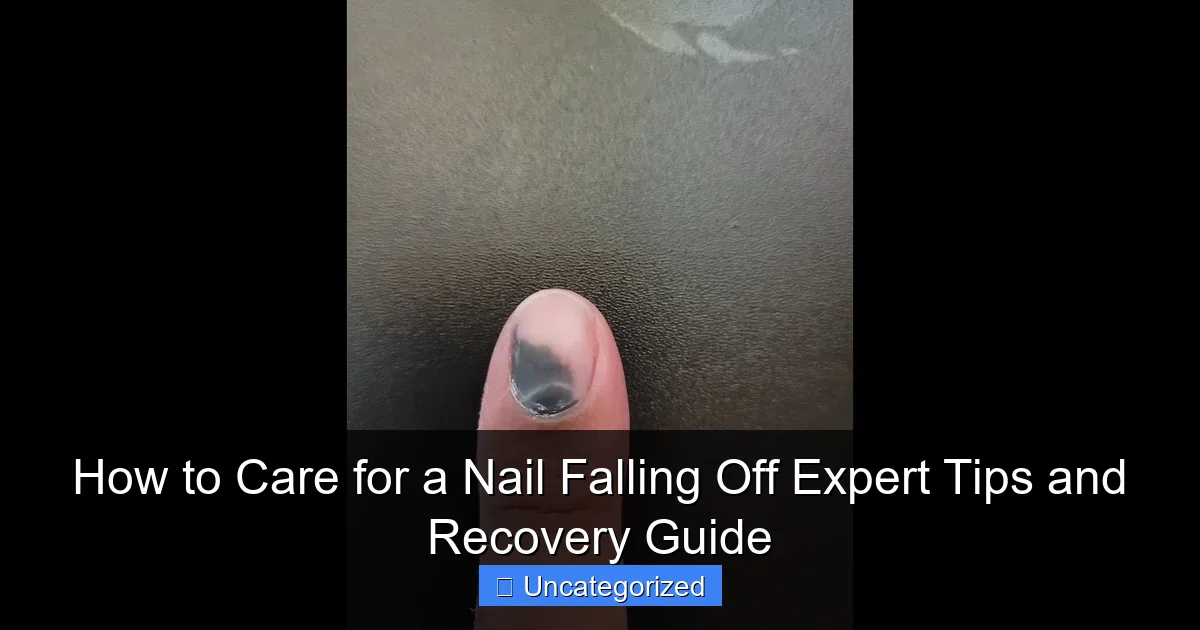
Featured image for how to care for a nail falling off
Image source: i.ytimg.com
Act quickly to clean and protect the exposed nail bed to prevent infection and support healing when a nail falls off. Keep the area dry, apply an antibiotic ointment, and cover it with a sterile bandage while avoiding pressure or trauma during recovery. With proper care, new nail growth typically begins within weeks, though full regrowth may take several months.
Key Takeaways
- Keep it clean: Wash gently with soap and water to prevent infection.
- Trim carefully: Cut loose nails with sterilized clippers to avoid further damage.
- Moisturize daily: Apply vitamin E oil to promote healthy regrowth.
- Protect the area: Use a bandage or gauze to shield from irritation.
- Avoid trauma: Wear open-toed shoes to reduce pressure during recovery.
- Monitor for signs: Seek medical help if redness, pus, or severe pain occurs.
📑 Table of Contents
- Understanding Why Nails Fall Off: Common Causes and Risk Factors
- Immediate Steps to Take When a Nail Starts to Detach
- Daily Care Routine for Optimal Healing
- Promoting Nail Regrowth: What to Expect and How to Speed It Up
- Preventing Future Nail Loss: Long-Term Strategies and Lifestyle Adjustments
- Data Table: Recovery Timeline and Growth Milestones
- Conclusion
Understanding Why Nails Fall Off: Common Causes and Risk Factors
Losing a fingernail or toenail can be a startling and sometimes painful experience. Whether it happens suddenly due to trauma or gradually from an underlying condition, a nail falling off is more common than many people realize. The nail plate—what we see as the hard, visible part of the nail—is attached to the nail bed beneath, and when this bond weakens or breaks, the nail can loosen and eventually detach. While it may seem alarming, in many cases, the nail will grow back naturally. However, proper care is essential to prevent infection, reduce discomfort, and support healthy regrowth.
Nails serve both functional and aesthetic purposes, protecting the sensitive tips of our fingers and toes while also contributing to our appearance. When a nail detaches, it leaves the nail bed exposed, making it vulnerable to injury and infection. Understanding the root cause of nail loss is the first step in managing the situation. Causes range from physical trauma—like stubbing a toe or slamming a finger in a door—to medical conditions such as fungal infections, psoriasis, or even nutritional deficiencies. In rare cases, nail loss can be a sign of a more serious systemic illness, such as thyroid disease or lupus. This guide will walk you through how to care for a nail falling off, offering expert advice, practical steps, and a recovery timeline to help you heal safely and effectively.
Physical Trauma and Accidental Injury
One of the most common reasons for a nail falling off is trauma. A direct blow to the nail—whether from a hammer, a dropped object, or repetitive pressure (like running in ill-fitting shoes)—can cause bleeding under the nail (subungual hematoma), leading to pressure buildup and eventual detachment. For example, a runner who wears shoes that are too tight may develop “black toenail” syndrome, where the toenail turns dark and eventually falls off due to constant friction and impact.
Fungal and Bacterial Infections
Onychomycosis, or nail fungus, is another major culprit. Fungal infections often start as a small discoloration but can spread, causing the nail to thicken, crumble, and separate from the nail bed (onycholysis). According to the American Academy of Dermatology, fungal infections affect approximately 10% of the global population, with toenails being more commonly affected than fingernails. Bacteria can also invade the nail bed after injury, leading to inflammation and potential nail loss.
Underlying Medical Conditions
Chronic diseases like psoriasis, lichen planus, or thyroid disorders can disrupt normal nail growth. Psoriasis, for instance, affects the nail matrix (the tissue beneath the cuticle) and may cause pitting, crumbling, or even complete nail loss. Similarly, iron deficiency anemia and vitamin B12 deficiency can weaken nail structure, making them more prone to detachment.
Lifestyle and Environmental Factors
Excessive moisture, prolonged exposure to chemicals (like detergents or nail polish removers), and frequent handwashing can weaken the nail’s adhesion to the bed. Nail biting and picking at the cuticles can also introduce bacteria and create micro-injuries that compromise the nail’s integrity. For instance, a person who works as a dishwasher or nurse may experience chronic wetness, increasing the risk of onycholysis.
When to Seek Medical Attention
While many cases of nail loss are manageable at home, certain signs warrant a visit to a healthcare provider or dermatologist. These include:
- Severe pain or swelling
- Signs of infection (pus, redness, fever)
- Nail loss without a clear cause
- Multiple nails affected
- History of diabetes, circulatory issues, or immune disorders
In such cases, a professional evaluation is crucial to rule out serious conditions and initiate appropriate treatment.
Immediate Steps to Take When a Nail Starts to Detach
When you notice a nail is beginning to loosen or has already started to fall off, your immediate actions can make a significant difference in the healing process. The goal during the initial phase is to prevent infection, manage pain, and protect the exposed nail bed. Here’s a step-by-step guide to what you should do right away.
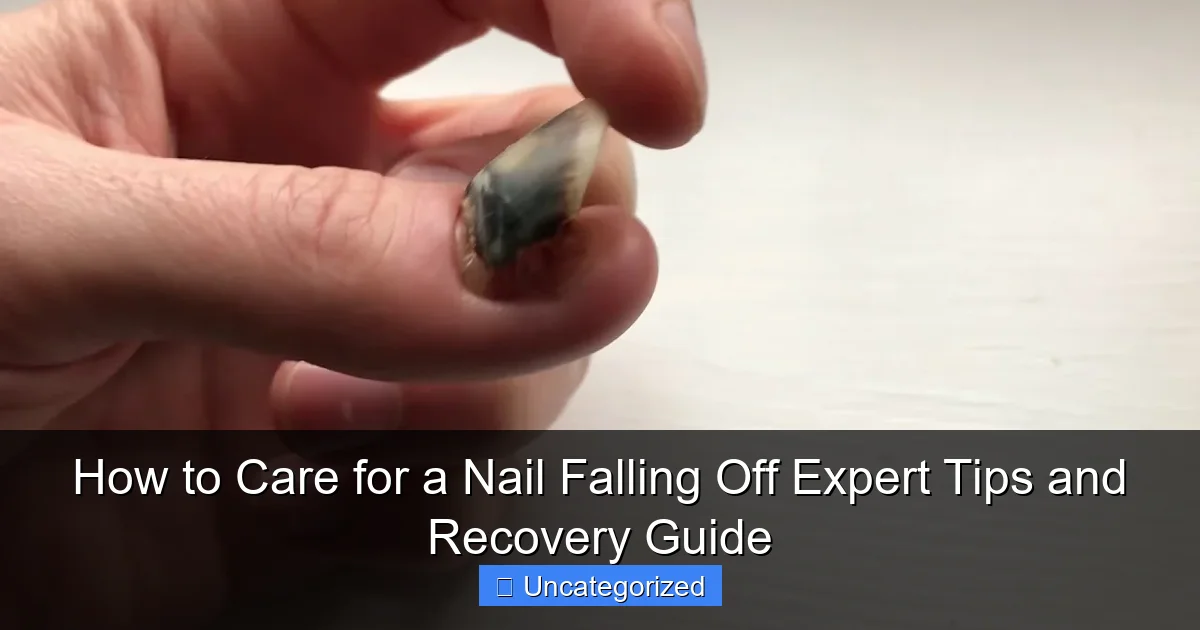
Visual guide about how to care for a nail falling off
Image source: i.ytimg.com
1. Clean the Area Gently
The first and most important step is to clean the affected area to reduce the risk of infection. Use mild soap and lukewarm water to wash the nail bed and surrounding skin. Avoid scrubbing, as this can further irritate the sensitive tissue. After washing, pat the area dry with a clean towel or disposable paper towel. If the nail is partially detached, avoid pulling it off—this can cause unnecessary pain and damage.
2. Control Bleeding (If Present)
If there’s bleeding under or around the nail, apply gentle pressure with a clean gauze or cloth for 5–10 minutes. Elevating the hand or foot above heart level can also help reduce blood flow to the area and slow bleeding. For a subungual hematoma (a blood blister under the nail), a healthcare provider may need to drain it using a sterile needle or cautery tool—do not attempt this at home, as improper drainage can lead to infection.
3. Apply an Antiseptic
After cleaning, apply an over-the-counter antiseptic solution such as hydrogen peroxide (diluted), iodine, or chlorhexidine. These help kill bacteria and prevent infection. Avoid using alcohol, as it can dry out and irritate the nail bed. A thin layer of antibiotic ointment (like Neosporin) can also be applied to create a protective barrier.
4. Protect the Nail Bed
Cover the exposed nail bed with a non-stick sterile dressing or gauze. Secure it with medical tape or a bandage. Change the dressing at least once a day or whenever it becomes wet or soiled. For toenails, wear open-toed or loose-fitting shoes to reduce pressure. For fingernails, consider wearing a finger cot or glove during activities that might cause friction.
5. Manage Pain and Inflammation
Over-the-counter pain relievers like ibuprofen (Advil) or acetaminophen (Tylenol) can help reduce pain and inflammation. Cold compresses applied for 10–15 minutes at a time can also numb the area and reduce swelling. Avoid applying ice directly to the skin—wrap it in a cloth first.
6. Avoid Further Trauma
During recovery, avoid activities that could worsen the injury. For example, if it’s a toenail, avoid running or wearing high heels. If it’s a fingernail, minimize typing, playing instruments, or other tasks that require heavy use of the hand. Keep the affected area clean and dry, and resist the urge to pick or trim loose nail fragments.
Pro Tip: Keep a small first-aid kit with antiseptic wipes, sterile gauze, bandages, and antibiotic ointment on hand—especially if you’re at higher risk due to sports, manual labor, or chronic nail issues.
Daily Care Routine for Optimal Healing
Consistent, daily care is the cornerstone of recovery when dealing with a nail falling off. The nail bed is sensitive and vulnerable during this time, so a structured routine helps promote healing, prevent complications, and support the growth of a new nail. Here’s a comprehensive daily care plan to follow throughout the recovery period.
Morning and Night: Cleaning and Dressing
Begin each day by gently washing the affected area with mild soap and water. Use a soft cloth or cotton pad to clean around the nail bed, taking care not to disturb any remaining nail fragments. After washing, dry thoroughly—moisture trapped under the dressing can breed bacteria. Apply a fresh layer of antibiotic ointment and cover with a new sterile dressing. At night, repeat the process. This twice-daily routine ensures the wound remains clean and protected.
Moisturize the Surrounding Skin
While the nail bed itself should stay dry, the surrounding skin (cuticle and nail folds) benefits from hydration. Use a fragrance-free hand or foot cream to prevent dryness and cracking. Dry skin is more prone to micro-tears, which can introduce infection. Avoid applying moisturizer directly on the exposed nail bed, as excess moisture can delay healing.
Monitor for Signs of Infection
Check the area daily for redness, swelling, warmth, pus, or increased pain. These are early signs of infection. If you notice any of these symptoms, increase the frequency of dressing changes and consider contacting a healthcare provider. In some cases, a prescription antibiotic ointment or oral antibiotics may be necessary.
Trim Loose Nail Fragments (Carefully)
If a portion of the nail is still attached but hanging loosely, you may trim it—but only if it’s not painful and doesn’t pull on the nail bed. Use clean, sterilized nail clippers or scissors. Sterilize tools by wiping with alcohol before and after use. Trim only the loose part, leaving any nail still firmly attached. Never cut into the skin or force a nail off.
Wear Protective Footwear or Gloves
For toenails, wear breathable, well-fitting shoes with a wide toe box. Avoid tight or pointed shoes that compress the toes. For fingernails, wear gloves when doing household chores, gardening, or using chemicals. Cotton gloves under rubber ones can help absorb sweat and reduce friction.
Support Healing with Nutrition
Healthy nail regrowth depends on proper nutrition. Focus on a diet rich in:
- Protein (eggs, lean meats, legumes) – nails are made of keratin, a protein
- Iron (spinach, red meat, lentils) – prevents brittle nails
- Vitamin B12 and Folate (dairy, fish, leafy greens) – supports cell regeneration
- Zinc (nuts, seeds, shellfish) – essential for tissue repair
- Omega-3 fatty acids (salmon, flaxseeds, walnuts) – reduces inflammation
Consider a daily multivitamin or nail-specific supplement (with biotin, collagen, or MSM) if your diet is lacking, but consult a doctor before starting any new supplement.
Limit Water Exposure
Prolonged soaking in water—like in baths, pools, or dishwater—can soften the nail bed and increase infection risk. When bathing, keep the affected area out of direct water or cover it with a waterproof bandage. After exposure, dry thoroughly with a clean towel.
Promoting Nail Regrowth: What to Expect and How to Speed It Up
Once the initial healing phase is over, the focus shifts to nail regrowth. Nails grow slowly—typically 3–6 mm per month for fingernails and 1–2 mm per month for toenails. The entire process of growing a new nail from the matrix to the tip can take 6–9 months for fingernails and up to 12–18 months for toenails. Patience is key, but there are ways to support and potentially speed up the process.
Understanding the Nail Growth Cycle
Nail growth begins in the matrix, the tissue under the cuticle. Cells in the matrix divide and harden to form the nail plate, which slowly pushes forward. When a nail falls off, the matrix remains intact in most cases (unless severely damaged), allowing a new nail to grow. However, if the matrix is injured—say, from a deep cut or burn—regrowth may be delayed, irregular, or not occur at all.
Keep the Nail Bed Clean and Dry
A clean, dry environment is essential for healthy nail growth. As the new nail begins to emerge (you’ll see a pinkish or translucent layer under the cuticle), continue to protect it with a bandage during activities that involve moisture or friction. Avoid picking at the new nail, even if it looks fragile.
Use Topical Treatments (With Caution)
Some over-the-counter products may support nail health:
- Antifungal creams (if fungus was the original cause)
- Urea-based creams (to soften and protect the new nail)
- Tea tree oil (natural antifungal and anti-inflammatory properties)
- Vitamin E oil (applied around the cuticle to moisturize)
Always patch-test new products and stop use if irritation occurs. Avoid using nail polish or artificial nails until the new nail is at least 50% grown to prevent trapping moisture or bacteria.
Massage the Area (Gentle Stimulation)
Lightly massaging the base of the nail (near the cuticle) can improve blood circulation to the matrix, potentially enhancing growth. Use a few drops of moisturizer or jojoba oil and massage in circular motions for 1–2 minutes, 2–3 times per day. Be gentle—no pressure.
Protect the New Nail from Trauma
As the new nail grows, it will be softer and more fragile than a fully mature nail. Avoid activities that could bend, break, or injure it. For toenails, wear protective footwear during sports. For fingernails, use tools instead of your fingers (e.g., a key to open packages, scissors to cut tape).
Track Progress and Be Patient
Take weekly photos to monitor regrowth. You should see steady progress, though growth may slow during colder months or periods of stress. If no growth is visible after 2–3 months, consult a dermatologist to rule out matrix damage or nutritional deficiencies.
When Regrowth Is Irregular
In some cases, the new nail may grow back thick, ridged, or discolored—especially if the injury was severe or the matrix was affected. This is common and usually improves over time. In rare cases, permanent changes occur, but most people regain a normal-looking nail within a year.
Preventing Future Nail Loss: Long-Term Strategies and Lifestyle Adjustments
Once you’ve navigated the recovery process, it’s important to take steps to prevent future nail loss. Whether you’ve experienced trauma, fungal infection, or chronic nail issues, adopting long-term habits can significantly reduce your risk. Prevention is not only about protecting your nails but also about supporting overall hand and foot health.
Wear Proper-Fitting Footwear
Ill-fitting shoes are a leading cause of toenail trauma. Ensure your shoes have a wide toe box and proper arch support. Replace running or athletic shoes every 300–500 miles. For work environments with hazards (construction, manufacturing), wear protective footwear with steel or composite toes.
Maintain Good Hygiene
Wash and dry your hands and feet daily, especially after sweating or swimming. Use antifungal sprays or powders in shoes if you’re prone to athlete’s foot. Avoid sharing nail clippers or files, as this can spread fungal infections.
Trim Nails Properly
Cut nails straight across (especially for toenails) to prevent ingrown nails. Use sharp, clean clippers and file edges gently with an emery board. Avoid cutting too close to the skin. For people with diabetes or poor circulation, consider having a podiatrist trim toenails to prevent injury.
Protect Nails During Work and Play
Wear gloves when doing yard work, cleaning, or using chemicals. For athletes, use protective gear (e.g., soccer cleats with proper toe protection, gloves for weightlifting). If you play a musical instrument, use proper technique to avoid excessive pressure on fingernails.
Address Underlying Health Conditions
If you have a chronic condition like diabetes, psoriasis, or thyroid disease, work with your doctor to keep it well-managed. Poor blood circulation (common in diabetes) and autoimmune disorders can increase nail vulnerability. Regular check-ups and blood tests (e.g., iron, B12, thyroid levels) can catch deficiencies early.
Limit Harsh Nail Products
Frequent use of nail polish, gel manicures, or harsh removers (especially acetone) can weaken nails. Take breaks between manicures and use acetone-free removers. Always apply a base coat to protect the nail plate.
Stay Hydrated and Eat a Balanced Diet
Hydration supports skin and nail health. Drink at least 8 cups of water daily. A diet rich in whole grains, fruits, vegetables, lean proteins, and healthy fats provides the nutrients needed for strong nails. Consider a biotin supplement (1,000–2,500 mcg daily) if you have brittle nails, but only after consulting a doctor.
Manage Stress
High stress levels can disrupt nail growth and lead to habits like nail biting. Practice stress-reduction techniques such as meditation, yoga, or deep breathing. Cognitive behavioral therapy (CBT) can help break the nail-biting cycle.
Regular Foot and Hand Exams
Perform monthly self-checks for changes in nail color, texture, or shape. Early detection of issues like fungal infections or ingrown nails allows for prompt treatment and prevents complications.
Data Table: Recovery Timeline and Growth Milestones
| Time Since Nail Loss | Expected Progress | Care Recommendations |
|---|---|---|
| Days 1–7 | Initial healing; possible pain, swelling, or bleeding | Clean daily, apply antiseptic, cover with bandage, avoid trauma |
| Weeks 2–4 | Reduced inflammation; nail bed begins to dry and harden | Continue dressing changes; monitor for infection; start gentle massage |
| 1–3 Months | New nail begins to emerge (pinkish layer under cuticle) | Protect new nail; avoid water exposure; use moisturizer around cuticle |
| 3–6 Months | Fingernail: 50–75% grown; Toenail: 25–50% grown | Reduce bandaging if nail is strong; avoid artificial nails |
| 6–12 Months | Fingernail: fully regrown; Toenail: 75–100% regrown | Resume normal activities; continue protective habits |
| 12+ Months | Toenail: fully regrown; possible minor irregularities | Monitor for long-term changes; consult dermatologist if concerns persist |
This timeline is a general guide. Individual healing varies based on age, health, and the severity of the injury. Always consult a healthcare provider if progress is slower than expected or if complications arise.
Conclusion
Dealing with a nail falling off can be unsettling, but with the right care, most people recover fully and regrow healthy, strong nails. The key is to act quickly, maintain cleanliness, protect the nail bed, and support the body’s natural healing processes. From the moment you notice a nail loosening, prioritize gentle cleaning, infection prevention, and pain management. Stick to a consistent daily routine, and don’t underestimate the power of nutrition and hydration in promoting regrowth.
While the recovery process can take months, patience and diligence pay off. Avoid the temptation to rush healing with harsh treatments or by removing remaining nail fragments prematurely. Instead, focus on creating an environment where your body can repair itself safely and effectively. Whether your nail loss was due to an accident, infection, or an underlying condition, the steps outlined in this guide provide a comprehensive roadmap for recovery.
Remember, prevention is just as important as treatment. By adopting healthy habits—wearing proper footwear, practicing good hygiene, managing stress, and eating a balanced diet—you can significantly reduce the risk of future nail loss. And if you ever notice unusual changes in your nails—discoloration, pitting, or multiple nails affected—don’t hesitate to seek professional advice. Your nails are more than just cosmetic; they’re a window into your overall health.
With the expert tips and recovery strategies shared here, you’re well-equipped to care for a nail falling off and ensure a smooth, successful healing journey. Take care, be patient, and trust your body’s remarkable ability to heal and renew.
Frequently Asked Questions
What should I do when a nail starts falling off?
If your nail is partially detached, gently clean the area with mild soap and water to prevent infection. Avoid pulling it off—let it fall naturally to protect the new nail growing underneath. Keep the area dry and covered with a sterile bandage.
How can I speed up recovery when caring for a nail falling off?
To promote faster healing, apply an antibiotic ointment and keep the affected finger or toe elevated to reduce swelling. Avoid trauma or pressure on the area, and wear breathable footwear if it’s a toenail. A balanced diet rich in protein and biotin supports nail regrowth.
Is it normal for the skin under a falling nail to be sensitive?
Yes, sensitivity or mild pain is common due to exposed nail bed tissue. Use over-the-counter pain relievers if needed, and avoid irritants like harsh chemicals. Cover the area with a soft bandage to minimize contact.
When should I see a doctor for a nail falling off?
Seek medical help if you notice signs of infection (pus, redness, swelling) or severe pain, especially if you have diabetes or poor circulation. A doctor can safely trim remaining nail fragments and prescribe treatment if necessary.
How do I protect the exposed nail bed during recovery?
Cover the area with a non-stick bandage or gauze, changing it daily or when wet. Use petroleum jelly to keep the nail bed moist and prevent bandages from sticking. Avoid picking at loose edges to prevent further injury.
Can I still exercise with a nail falling off?
Low-impact activities like walking are usually fine, but avoid sports that stress the affected nail (e.g., running for toenails). Wear protective footwear and keep the area clean to prevent complications during physical activity.