
Featured image for how to care for a nail that fell off
Image source: i.ytimg.com
Keep the exposed nail bed clean and dry to prevent infection—this is the most critical step when caring for a nail that fell off. Apply an antibiotic ointment and cover it with a breathable bandage to promote healing and protect the sensitive area while new nail growth begins. Avoid picking or pulling at the regrowing nail to ensure healthy, even regrowth over time.
Key Takeaways
- Keep the area clean: Wash gently with soap and water to prevent infection.
- Apply antibiotic ointment: Use to protect the exposed nail bed and promote healing.
- Cover with a bandage: Shield the area from dirt and trauma during regrowth.
- Avoid harsh chemicals: Wear gloves when cleaning or using irritants to speed recovery.
- Monitor for infection: Seek medical help if you see redness, swelling, or pus.
- Be patient: Nails regrow slowly—full recovery can take months.
📑 Table of Contents
Why Nail Loss Happens and What to Expect
Few things are more alarming than noticing a fingernail or toenail has suddenly detached—especially when it happens without an obvious injury. Whether it’s a fingernail that peeled off after a manicure or a toenail that slowly lifted after a sports injury, losing a nail can be unsettling. But here’s the good news: nail loss is rarely a medical emergency, and in most cases, the nail will grow back naturally over time. The key is knowing how to care for the exposed nail bed and support healthy regrowth.
Nails—both fingernails and toenails—are made of a tough protein called keratin. They protect the sensitive tips of our fingers and toes, help with fine motor tasks, and play a role in sensory feedback. When a nail detaches, whether partially or completely, it leaves the underlying skin vulnerable to infection, irritation, and further trauma. The process of regrowth can take anywhere from 3 to 6 months for fingernails and up to 12 to 18 months for toenails, depending on age, health, and the cause of the loss. Understanding how to care for a nail that fell off isn’t just about comfort—it’s about preventing complications and ensuring the new nail grows in strong, smooth, and free of deformities.
Immediate First Aid After Nail Loss
When a nail falls off—whether suddenly due to trauma or gradually due to infection or chronic pressure—your first response matters. Prompt, proper care reduces the risk of infection, minimizes pain, and sets the stage for healthy regrowth. The goal during this phase is to protect the exposed nail bed, keep the area clean, and reduce inflammation.
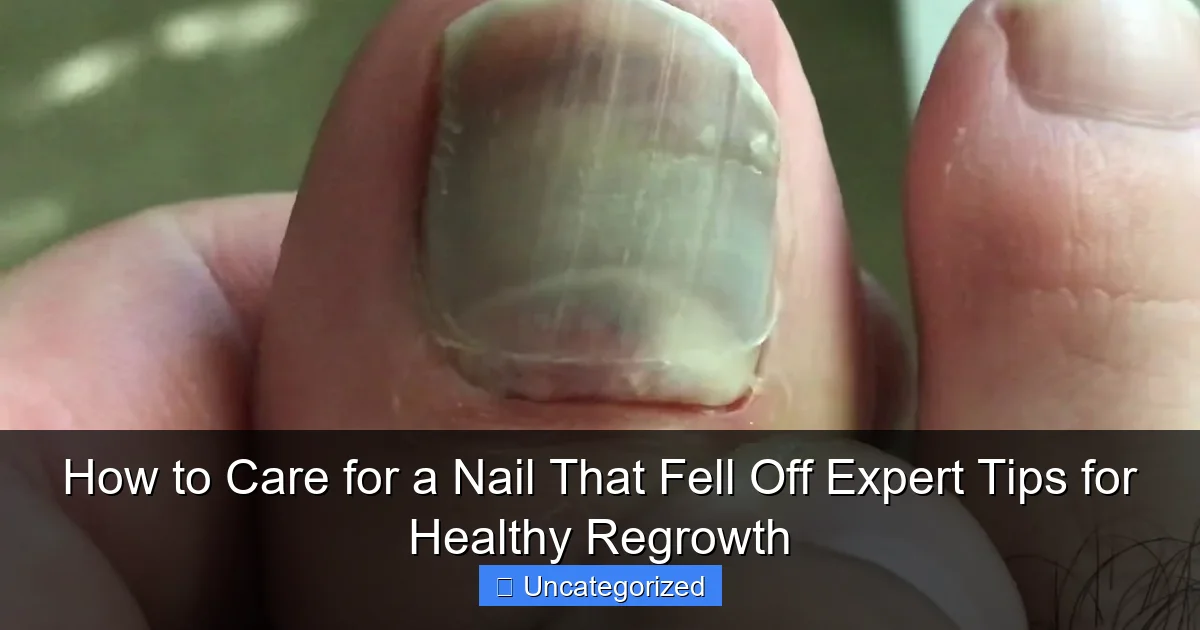
Visual guide about how to care for a nail that fell off
Image source: i.ytimg.com
Step 1: Clean the Area Gently
As soon as you notice the nail has detached, wash your hands or feet with mild soap and lukewarm water. Use a soft washcloth to gently clean around the affected area. Avoid scrubbing the nail bed, as it may be tender and sensitive. Pat dry with a clean towel. Never use alcohol or hydrogen peroxide, as these can damage new tissue and delay healing. Instead, opt for saline solution or mild antiseptic washes designed for wounds.
Example: If a toenail came off after a hiking trip, rinse your foot in a foot soak with warm water and a few drops of tea tree oil (a natural antiseptic). This helps disinfect without drying out the skin.
Step 2: Trim Loose Nail Fragments
If part of the nail is still attached but hanging loose, trim it carefully with sterilized nail clippers. Cut straight across to avoid jagged edges that could snag on clothing or bedding. Leaving a jagged edge increases the risk of further tearing or catching on surfaces, which could lead to more trauma.
- Use clean, sharp clippers or scissors.
- Disinfect tools with rubbing alcohol before and after use.
- Cut as close to the base as possible without causing pain.
Step 3: Apply a Protective Dressing
Cover the exposed nail bed with a non-stick sterile dressing, such as a hydrocolloid bandage or gauze pad. Secure it with medical tape or a loose bandage. This protects the area from bacteria, dirt, and friction. Change the dressing daily or whenever it becomes wet or soiled.
Tip: For toenails, consider wearing open-toed shoes or sandals to reduce pressure and allow air circulation. For fingernails, wear cotton gloves when doing household chores or handling chemicals.
Step 4: Manage Pain and Swelling
If the area is painful or swollen, apply a cold compress for 10–15 minutes at a time. Wrap an ice pack in a thin cloth to avoid direct contact with the skin. Over-the-counter pain relievers like ibuprofen or acetaminophen can help with discomfort and reduce inflammation.
Practical tip: Keep a small first-aid kit in your bathroom with sterile gauze, antiseptic wipes, and hydrocolloid bandages specifically for nail injuries.
Understanding the Causes of Nail Loss
Knowing why your nail fell off is essential for preventing recurrence and guiding treatment. Nail loss—medically known as onycholysis when the nail separates from the bed—can stem from a variety of causes, ranging from acute trauma to chronic conditions.
Trauma and Physical Injury
The most common cause of sudden nail loss is trauma. This includes:
- Stubbing a toe or slamming a finger in a door
- Repetitive microtrauma (e.g., tight shoes, running, or sports like basketball)
- Improper manicure/pedicure techniques (e.g., aggressive cuticle pushing, excessive filing)
Trauma disrupts the attachment between the nail plate and the nail bed, leading to lifting or complete detachment. In some cases, a hematoma (blood blister under the nail) forms before the nail falls off. If the injury is severe, a doctor may need to drain the hematoma to relieve pressure and prevent permanent damage.
Fungal Infections (Onychomycosis)
Fungal infections are a leading cause of nail loss, especially in toenails. Fungi thrive in warm, moist environments—think sweaty shoes or damp showers. Signs of a fungal infection include:
- Yellow, brown, or white discoloration
- Thickened, brittle, or crumbly nails
- Separation of the nail from the bed (onycholysis)
- Foul odor
Without treatment, the nail may eventually fall off. Antifungal medications (topical or oral) are typically required to clear the infection and allow new, healthy nail growth.
Medical Conditions and Systemic Issues
Several underlying health conditions can lead to nail loss, including:
- Psoriasis: Can cause pitting, crumbling, and separation of the nail from the bed.
- Lichen planus: An inflammatory condition that may lead to permanent nail loss if untreated.
- Thyroid disorders: Both hypothyroidism and hyperthyroidism can affect nail growth and strength.
- Iron deficiency anemia: Often causes spoon-shaped nails (koilonychia) and brittleness.
- Circulation problems: Poor blood flow to the extremities (e.g., in diabetes or Raynaud’s) slows nail regeneration.
If nail loss is recurrent or affects multiple nails, consult a dermatologist or primary care provider to rule out systemic causes.
Allergic Reactions and Irritants
Some people develop allergic reactions to nail products—such as acrylics, gels, or adhesives—leading to inflammation and eventual nail detachment. This is known as contact dermatitis. Symptoms include redness, itching, swelling, and peeling skin around the nail. Switching to hypoallergenic products or avoiding artificial nails may resolve the issue.
Promoting Healthy Nail Regrowth
Once the immediate wound is stabilized, the focus shifts to supporting the body’s natural regrowth process. A new nail begins forming beneath the cuticle and grows forward at a rate of about 3–4 mm per month for fingernails and 1–2 mm per month for toenails. While you can’t speed up growth dramatically, you can create optimal conditions for strong, healthy regrowth.
Nutrition for Stronger Nails
Nails are made of keratin, but they also require a range of nutrients to grow properly. A deficiency in key vitamins and minerals can lead to slow growth, brittleness, or deformities. Focus on incorporating the following into your diet:
- Protein: Essential for keratin production. Include lean meats, eggs, legumes, and tofu.
- Biotin (Vitamin B7): Found in nuts, eggs, sweet potatoes, and spinach. Biotin supplements (2.5–5 mg/day) may improve nail thickness, though evidence is mixed.
- Iron: Prevents brittle and spoon-shaped nails. Sources: red meat, lentils, spinach, and fortified cereals.
- Zinc: Supports cell division and tissue repair. Found in oysters, pumpkin seeds, and chickpeas.
- Vitamin C: Aids collagen production, which supports nail bed health. Citrus fruits, bell peppers, and broccoli are excellent sources.
- Omega-3 fatty acids: Reduce inflammation and improve nail flexibility. Found in fatty fish, flaxseeds, and walnuts.
Tip: Consider a daily multivitamin or nail-specific supplement if your diet is lacking. Always consult a doctor before starting supplements, especially if you have health conditions or take medications.
Moisturizing and Protecting the Nail Bed
The nail bed and surrounding skin need hydration to heal and support new growth. Dry, cracked skin can lead to discomfort and slow recovery. Apply a thick moisturizer—such as shea butter, coconut oil, or a urea-based cream—twice daily, especially after washing. Look for products containing:
- Urea (5–10%)
- Lanolin
- Hyaluronic acid
- Petroleum jelly
Pro tip: Massage the moisturizer into the nail bed and cuticle to improve circulation. This also helps prevent the formation of a pterygium (a condition where skin grows over the nail bed, blocking regrowth).
Avoiding Further Trauma
During regrowth, the new nail is soft and fragile. Protect it by:
- Wearing gloves when doing dishes, gardening, or using cleaning products.
- Choosing well-fitting, breathable shoes (especially for toenails).
- Avoiding tight or pointed footwear that compresses the toes.
- Using tools (e.g., screwdrivers, pens) instead of your fingers for small tasks.
- Trimming the new nail straight across to prevent ingrown edges.
Example: A runner who lost a toenail from ill-fitting shoes should switch to running shoes with a wider toe box and wear moisture-wicking socks to reduce friction.
When to Seek Medical Attention
While most cases of nail loss resolve with home care, certain signs indicate the need for professional evaluation. Early medical intervention can prevent complications such as chronic infection, permanent nail deformity, or systemic spread of disease.
Red Flags: Signs of Infection or Complications
Contact a healthcare provider if you notice any of the following:
- Increasing pain, redness, swelling, or warmth around the nail bed—possible signs of bacterial infection (paronychia).
- Pus or foul-smelling discharge—indicates infection that may require antibiotics.
- Fever or chills—suggests the infection may be spreading.
- No regrowth after 6–8 weeks (for fingernails) or 3–4 months (for toenails)—could indicate an underlying condition.
- Deformed or misshapen new nail—may require treatment to prevent permanent changes.
- Dark streaks or discoloration in the new nail—could be a sign of melanoma (subungual melanoma), especially if it’s new or growing.
Note: Subungual melanoma is rare but serious. It often appears as a dark brown or black stripe under the nail that doesn’t fade. Early diagnosis is critical for effective treatment.
Medical Treatments and Interventions
Depending on the cause, a doctor may recommend:
- Antifungal medications: Oral (e.g., terbinafine, itraconazole) or topical (e.g., ciclopirox) for fungal infections.
- Antibiotics: For bacterial infections, either oral or topical.
- Topical steroids: For inflammatory conditions like psoriasis or lichen planus.
- Nail avulsion: Surgical removal of the remaining nail if it’s severely damaged or infected.
- Biopsy: If there’s concern about skin cancer or an autoimmune condition.
In cases of chronic trauma (e.g., from tight shoes), a podiatrist may recommend orthotics, custom footwear, or even minor surgery to correct foot structure.
Long-Term Care and Prevention Strategies
Once the new nail has fully grown in, maintaining healthy nail habits can prevent future loss. Prevention is especially important for people with risk factors like diabetes, fungal infections, or repetitive stress injuries.
Daily Nail Care Routine
Adopt a simple daily routine to keep your nails strong and protected:
- Wash hands and feet daily with mild soap.
- Moisturize nails and cuticles twice a day.
- Trim nails straight across and file edges smooth.
- Wear gloves during chores and gardening.
- Inspect nails weekly for changes in color, texture, or shape.
Example: A chef who uses their hands constantly should apply hand cream after every shift and wear cotton liners under work gloves to absorb sweat.
Footwear and Hand Protection
Choose shoes with a wide toe box and good arch support. Replace worn-out shoes regularly—especially athletic footwear. For hand protection:
- Use rubber or nitrile gloves when cleaning or handling chemicals.
- Avoid artificial nails, which can trap moisture and lead to infection.
- Limit use of nail polish removers with acetone; opt for acetone-free formulas.
Monitoring for Recurrence
Keep a “nail journal” to track changes over time. Note:
- When the nail fell off
- Possible causes (e.g., injury, new shoes, manicure)
- Regrowth progress (e.g., length, color, texture)
- Any symptoms (pain, swelling, discoloration)
This helps identify patterns and triggers, making it easier to prevent future issues.
Data Table: Nail Regrowth Timeline and Care Tips
| Nail Type | Average Regrowth Time | Growth Rate | Key Care Tips | When to See a Doctor |
|---|---|---|---|---|
| Fingernails | 3–6 months | 3–4 mm/month | Moisturize daily, wear gloves, avoid trauma | No growth after 8 weeks; signs of infection |
| Toenails | 12–18 months | 1–2 mm/month | Wear breathable shoes, inspect for fungus | No growth after 4 months; persistent pain |
| Partially Detached Nail | 3–9 months (depends on damage) | Varies | Keep clean, trim loose edges, protect with bandage | Increasing pain, pus, or discoloration |
| Nail Loss from Fungus | 6–18 months (with treatment) | Slower due to infection | Use antifungals, keep feet dry, change socks daily | No improvement after 3 months of treatment |
| Nail Loss from Trauma | 6–12 months | Normal, but may be delayed | Protect area, avoid pressure, monitor for hematoma | Hematoma larger than 50% of nail; severe pain |
Conclusion
Losing a nail can be a startling experience, but with the right care, it’s a temporary setback—not a permanent loss. By responding quickly with proper first aid, understanding the underlying cause, and supporting regrowth through nutrition, hygiene, and protection, you can ensure your new nail grows in strong and healthy. Remember, patience is key: nail regrowth is slow, but consistent care makes all the difference.
Whether your nail fell off due to a stubbed toe, a fungal infection, or a bad manicure, the principles of care remain the same: clean, protect, nourish, and monitor. If in doubt, don’t hesitate to consult a healthcare provider—especially if you notice signs of infection, no regrowth, or suspicious changes in the new nail. With expert tips and a proactive approach, you can turn a nail loss into an opportunity to build better long-term nail health. Your hands and feet deserve it.
Frequently Asked Questions
What should I do immediately after a nail falls off?
If your nail has fallen off, clean the area gently with mild soap and water to prevent infection. Apply an antiseptic ointment and cover it with a sterile bandage to protect the exposed nail bed while it heals.
How can I care for a nail that fell off to promote healthy regrowth?
To support regrowth, keep the area clean and moisturized with vitamin E oil or petroleum jelly. Avoid trauma to the nail bed and wear protective footwear to shield the area during daily activities.
Is it normal for the new nail to look different after regrowth?
Yes, it’s common for the regrown nail to appear thicker, ridged, or discolored initially. This is usually temporary—consistent care and time will help restore its natural appearance. If abnormalities persist, consult a dermatologist.
How long does it take for a nail to regrow after it falls off?
Nail regrowth typically takes 6–12 months for fingers and up to 18 months for toenails. The rate depends on age, health, and how well you care for the nail bed during recovery.
Can I prevent infection while caring for a nail that fell off?
Yes, change bandages daily, avoid picking at the area, and use over-the-counter antibacterial cream. Watch for signs of infection like pus, redness, or swelling, and seek medical help if they occur.
Should I see a doctor if my nail fell off due to injury?
If the nail fell off after severe trauma or shows signs of infection, consult a doctor to rule out fractures or complications. For minor cases, follow proper nail care after loss to ensure smooth healing.