
Featured image for how to care for a nail that has fallen off
Image source: i.ytimg.com
Keep the area clean and protected to prevent infection and support healing when a nail falls off—gently wash with soap and water, then apply an antiseptic and cover with a sterile bandage. Monitor for signs of infection like redness, swelling, or pus, and avoid picking at the exposed nail bed to allow natural regrowth. With proper care, most nails grow back fully within weeks to months, depending on the cause and location.
Key Takeaways
- Keep the area clean: Wash gently with mild soap and water to prevent infection.
- Apply antibiotic ointment: Protect the exposed nail bed from bacteria and promote healing.
- Cover with a bandage: Shield the area from dirt and trauma during daily activities.
- Avoid picking or pulling: Let the nail shed naturally to prevent further damage.
- Monitor for infection: Watch for redness, swelling, or pus and seek medical help if present.
- Protect the nail bed: Use a sterile dressing until new nail growth begins.
📑 Table of Contents
Understanding Why Nails Fall Off
Common Causes of Nail Loss
Nails falling off, medically known as onycholysis, can be alarming, but it’s more common than you might think. The detachment of a nail from its bed often results from trauma, infection, or underlying health conditions. For instance, stubbing your toe or dropping a heavy object on your finger can cause the nail to separate from the underlying skin. Similarly, repetitive microtrauma—such as from playing a musical instrument, typing, or even wearing tight footwear—can lead to gradual detachment. Fungal infections (onychomycosis) are another frequent culprit, affecting approximately 10% of the adult population, according to the American Academy of Dermatology. These infections weaken the nail structure, making it more prone to falling off.
Other causes include psoriasis, which affects around 2-3% of the global population and often presents with nail pitting and separation, and thyroid imbalances, particularly hypothyroidism. Certain medications, like chemotherapy drugs, can also induce nail shedding. In some cases, nutritional deficiencies—especially iron, zinc, or biotin—may play a role. Understanding the root cause is the first step in effective care, as it helps tailor your recovery approach. For example, if the nail loss is due to a fungal infection, treating the infection is essential to prevent recurrence.
When to Worry About a Detached Nail
Not all nail loss requires medical intervention, but certain signs demand immediate attention. If the area is swollen, pus-filled, or extremely painful, it could indicate an infection that needs antibiotics. Similarly, if the nail bed is exposed and bleeding profusely, or if the detachment is accompanied by fever or chills, seek medical help promptly. Persistent or recurrent nail loss—especially without a clear trauma history—may signal an underlying condition like psoriasis, diabetes, or even melanoma (in rare cases, a dark streak under the nail can be a sign of subungual melanoma).
For children, nail loss is less common and should always be evaluated by a pediatrician, as it may point to autoimmune disorders or congenital conditions. If you notice yellowish discoloration, thickening, or a foul odor, these are red flags for infection. Remember: while minor trauma-induced nail loss is usually harmless, any sign of systemic illness or severe local symptoms warrants professional evaluation.
Immediate Steps to Take After Nail Detachment
Cleaning and Protecting the Nail Bed
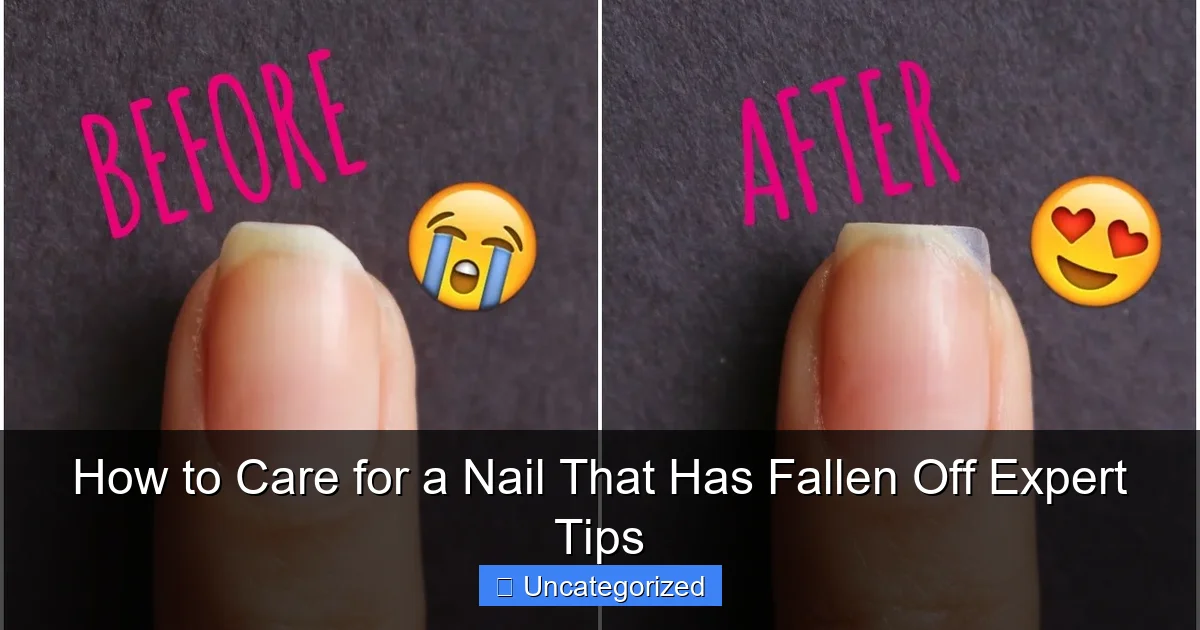
The moment your nail falls off, focus on preventing infection. Start by rinsing the area gently with lukewarm water and mild soap. Avoid scrubbing, as this can irritate the exposed nail bed. Pat dry with a clean towel, then apply an antiseptic solution like povidone-iodine (Betadine) or hydrogen peroxide (diluted to 3%). These reduce bacterial load and lower infection risk. For example, a 2020 study in the Journal of Wound Care found that povidone-iodine reduced infection rates in open wounds by 50% compared to untreated sites.
Visual guide about how to care for a nail that has fallen off
Image source: i.ytimg.com
After disinfecting, cover the area with a sterile gauze pad or non-stick wound dressing. Secure it with medical tape, ensuring it’s snug but not tight enough to restrict blood flow. Change the dressing daily or whenever it becomes wet or soiled. If the nail bed is exposed, consider using a hydrocolloid dressing, which creates a moist healing environment—ideal for tissue regeneration. Pro tip: Avoid adhesive bandages directly on the nail bed, as they can stick to raw tissue and cause pain when removed.
Managing Pain and Swelling
Pain and swelling are common after nail loss. To alleviate discomfort, elevate the affected limb above heart level for 15–20 minutes every few hours. This reduces blood flow to the area, minimizing swelling. Over-the-counter pain relievers like ibuprofen (200–400 mg every 6 hours) or acetaminophen (500–1000 mg every 8 hours) can help. For localized pain, apply a cold compress (wrapped in a cloth) for 10–15 minutes at a time. Never apply ice directly to the skin, as it can cause frostbite.
If the pain persists beyond 48 hours or worsens, consult a healthcare provider. In severe cases, your doctor may prescribe stronger analgesics or recommend a nerve block for temporary relief. For example, athletes with frequent toenail trauma might benefit from a “nerve ablation” procedure to reduce long-term pain sensitivity.
Preventing Infection and Promoting Healing
Daily Care Routine for the Nail Bed
Consistent care is key to healing. Follow this daily routine:
- Morning: Remove the old dressing, clean the area with saline solution, reapply antiseptic, and cover with a fresh dressing.
- Afternoon: If the dressing is intact, leave it in place. If it’s damp or loose, replace it.
- Evening: Repeat the morning steps. Apply a thin layer of antibiotic ointment (e.g., Neosporin) to prevent infection, but avoid petroleum jelly, as it can trap bacteria.
Keep the area dry during showers by using a waterproof bandage or plastic wrap. After bathing, gently pat dry—never rub. For finger injuries, wear gloves when washing dishes or handling chemicals. For toenail loss, opt for open-toed shoes or loose-fitting footwear to reduce pressure.
Natural Remedies and Medical Treatments
While medical treatments are essential for infections, natural remedies can support healing. Consider these evidence-backed options:
- Tea tree oil: Diluted to 5% in a carrier oil (e.g., coconut oil), it has antifungal and antibacterial properties. Apply once daily.
- Aloe vera gel: Soothes inflammation and accelerates tissue repair. Use pure gel (without additives) 2–3 times daily.
- Vitamin E oil: Promotes cell regeneration. Massage a few drops into the nail bed after cleaning.
For infections, your doctor may prescribe oral antifungals (e.g., terbinafine) or antibiotics (e.g., cephalexin). In cases of severe trauma, a “nail bed repair” surgery might be necessary to reconstruct the damaged tissue. Always follow your provider’s instructions—for instance, take antifungals with fatty meals to enhance absorption.
Re-growth Timeline and What to Expect
How Long Does It Take for a Nail to Grow Back?
Nail regrowth is a slow process. Fingernails grow at an average rate of 3 mm per month, meaning a completely detached nail may take 6–9 months to regrow fully. Toenails grow even slower—about 1 mm per month, requiring 12–18 months for complete recovery. The timeline depends on factors like age (children regrow faster), nutrition, and blood circulation. For example, a 25-year-old with a balanced diet might regrow a fingernail in 7 months, while a 60-year-old with poor circulation could take 10+ months.
During regrowth, you’ll notice a pale, soft nail emerging from the cuticle. It will gradually harden and darken as it grows. Avoid trimming the new nail until it’s at least 3–4 mm long to prevent injury. If the nail bed is damaged, the new nail may appear ridged or misshapen—this is normal and often improves over time.
Signs of Healthy vs. Problematic Regrowth
Healthy regrowth is characterized by:
- A smooth, pinkish nail plate emerging from the cuticle.
- Gradual lengthening without pain or discoloration.
- No pus, foul odor, or persistent swelling.
Problematic signs include:
- Yellow/green discoloration: Suggests fungal or bacterial infection.
- Thickening or crumbling: Could indicate chronic onychomycosis.
- Pain or throbbing: May signal an abscess or osteomyelitis (bone infection).
If you notice any of these, consult a dermatologist or podiatrist. In some cases, a biopsy might be needed to rule out conditions like nail psoriasis or melanoma.
Long-Term Nail Care and Prevention
Protecting Your Nail Bed During Recovery
Once the nail regrows, protect it to prevent future detachment. Wear gloves during manual labor (e.g., gardening, construction) and use padded finger guards for musicians. For toenails, choose shoes with a wide toe box—tight shoes compress the nail, increasing trauma risk. Replace worn-out footwear every 6–12 months, as cushioning degrades over time.
Moisturize the nail bed daily with a urea-based cream (e.g., Eucerin) to prevent dryness and cracking. Avoid harsh nail products like acetone removers, which weaken the nail plate. Instead, opt for acetone-free formulas and apply cuticle oil (e.g., jojoba oil) weekly.
Lifestyle Adjustments to Prevent Future Nail Loss
Long-term prevention hinges on holistic habits:
- Nutrition: Eat iron-rich foods (spinach, red meat), biotin sources (eggs, nuts), and omega-3s (salmon, flaxseeds) to strengthen nails.
- Hydration: Drink 2–3 liters of water daily to maintain nail flexibility.
- Foot hygiene: Dry feet thoroughly after showers, especially between toes, to prevent fungal growth.
- Regular check-ups: Monitor for early signs of psoriasis, diabetes, or thyroid issues, which can affect nail health.
For athletes, wear moisture-wicking socks and replace running shoes every 300–500 miles. A 2021 study in the British Journal of Sports Medicine found that proper footwear reduced toenail trauma by 70% in marathon runners.
When to Seek Professional Help
Red Flags Requiring Medical Attention
While most nail loss heals with home care, certain symptoms need urgent evaluation:
- Severe pain or swelling unrelieved by OTC medication.
- Fever or chills indicating systemic infection.
- Dark streaks or spots under the new nail (possible melanoma).
- No regrowth after 3 months (could signal poor circulation or malnutrition).
Specialists like dermatologists, podiatrists, or hand surgeons can perform advanced treatments. For example, a dermatologist might use a nail matrix biopsy to diagnose psoriasis, while a podiatrist could recommend custom orthotics to reduce pressure on toenails.
Advanced Treatments for Chronic Cases
For recurrent or stubborn nail loss, advanced options include:
- Laser therapy: Targets fungal infections with minimal side effects.
- Nail avulsion: Surgical removal of the damaged nail to promote healthy regrowth.
- Platelet-rich plasma (PRP): Injected into the nail bed to accelerate healing.
A 2022 clinical trial in Dermatologic Surgery showed PRP improved nail regrowth speed by 30% in patients with chronic onycholysis. Always discuss risks and benefits with your provider.
| Treatment | Best For | Effectiveness | Timeframe |
|---|---|---|---|
| Antibiotic ointment | Bacterial infections | High (if applied early) | 3–7 days |
| Oral antifungals | Fungal infections | Moderate to high | 6–12 months |
| PRP therapy | Chronic regrowth issues | Moderate | 3–6 months |
| Hydrocolloid dressings | Open nail bed wounds | High | 1–2 weeks |
Caring for a fallen-off nail isn’t just about waiting for it to regrow—it’s a proactive process involving infection prevention, pain management, and long-term protection. By understanding the causes, acting swiftly with proper wound care, and adopting preventive habits, you can ensure a smooth recovery. Remember: patience is crucial. Nails regrow slowly, but with consistent care, your natural nail will return stronger. Prioritize your health, seek help when needed, and treat your nails as the resilient, vital structures they are. After all, healthy nails aren’t just about appearance—they’re a reflection of your overall well-being.
Frequently Asked Questions
What should I do immediately after a nail falls off?
If your nail has fallen off, start by gently cleaning the area with mild soap and water to prevent infection. Apply an antiseptic ointment and cover it with a sterile bandage to protect the exposed nail bed while it heals.
How to care for a nail that has fallen off to avoid infection?
To prevent infection, keep the area clean and dry, and apply an antibiotic ointment daily. Change the bandage regularly, especially if it gets wet or dirty, and avoid exposing the area to dirty or contaminated environments.
Can a nail grow back after it falls off?
Yes, a new nail will typically grow back within 6–12 months for fingernails and up to 18 months for toenails. Proper care, including keeping the area moisturized and avoiding trauma, can support healthy regrowth.
Is it normal for the skin under a fallen-off nail to be sensitive?
Yes, the exposed nail bed and surrounding skin are often tender or sensitive due to lack of protection. Use a soothing ointment like petroleum jelly and avoid picking at the area to reduce discomfort during healing.
How long does it take to recover after a nail falls off?
Recovery time varies, but the wound usually stabilizes within a few weeks. Full regrowth of the nail depends on the individual but generally takes several months—patience and consistent care are key.
Should I see a doctor if my nail falls off?
Consult a doctor if you notice signs of infection (redness, swelling, pus) or if the nail loss was caused by injury, diabetes, or circulation issues. Seeking medical advice ensures proper treatment and reduces complications.