
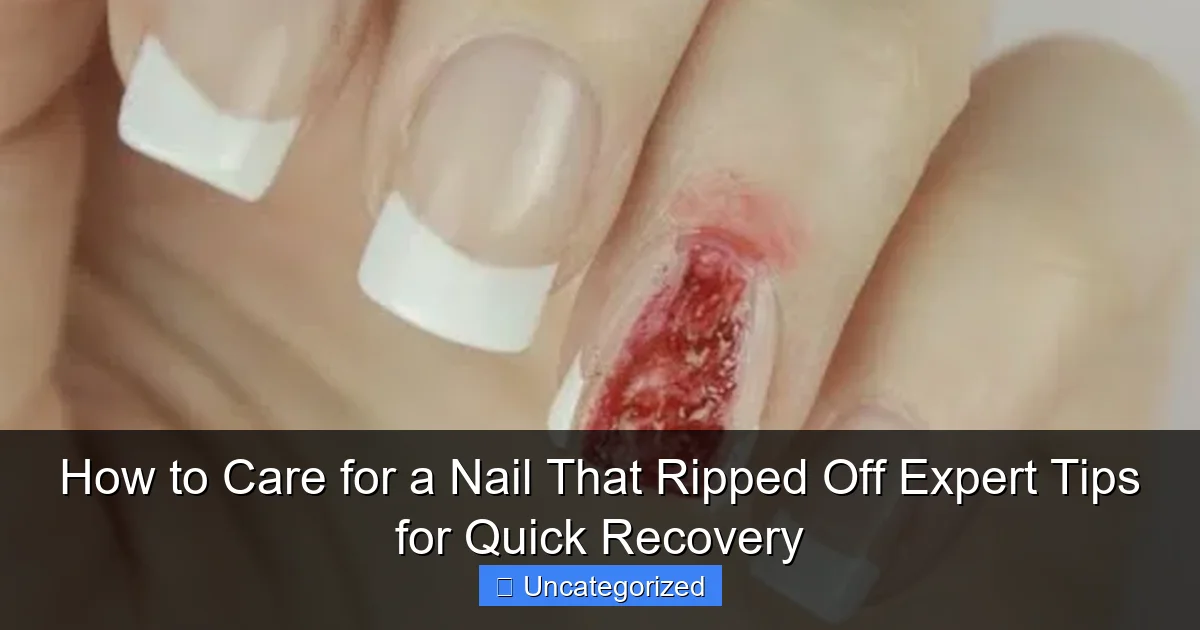
Featured image for how to care for a nail that ripped off
Image source: i.ytimg.com
Act quickly to clean and protect the exposed nail bed to prevent infection and support faster healing. Keep the area moisturized and covered with a sterile bandage while avoiding pressure or trauma during recovery. With proper care, most regrown nails return to full strength in weeks.
Key Takeaways
- Stop bleeding fast: Apply pressure with clean gauze for 5-10 minutes.
- Clean immediately: Rinse with mild soap and water to prevent infection.
- Protect the area: Cover with a sterile bandage or antibiotic ointment.
- Trim carefully: Cut remaining nail straight across to avoid further tearing.
- Monitor for infection: Watch for redness, swelling, or pus and seek help if present.
- Keep dry: Avoid soaking the nail bed to speed up healing.
- Be patient: Full regrowth takes weeks—avoid picking or pressure.
📑 Table of Contents
- How to Care for a Nail That Ripped Off: Expert Tips for Quick Recovery
- 1. Immediate First Aid: What to Do in the First 24 Hours
- 2. Pain Management and Swelling Reduction
- 3. Preventing Infection: Signs and Prevention Strategies
- 4. Supporting Nail Regrowth: Nutrition and Care Tips
- 5. When to See a Doctor: Red Flags and Professional Care
- 6. Long-Term Care and Preventing Future Injuries
How to Care for a Nail That Ripped Off: Expert Tips for Quick Recovery
There’s a unique kind of dread that comes from seeing a nail—fingernail or toenail—peeling, splitting, or worse, completely ripped off. Whether it happened from a clumsy door slam, a sports injury, or simply snagging your nail on fabric, the result is often the same: pain, bleeding, and a vulnerable nail bed exposed to the elements. Beyond the immediate discomfort, a ripped-off nail can lead to complications like infections, delayed regrowth, or permanent changes to the nail’s shape if not properly cared for. While it may seem like a minor injury, treating it with care is crucial to prevent long-term issues and ensure a swift, healthy recovery.
Recovering from a ripped-off nail isn’t just about stopping the bleeding and covering the area—it’s about creating an optimal environment for healing, protecting the delicate nail bed, and supporting the regrowth process. This comprehensive guide walks you through every step of the recovery journey, from the first moments after the injury to long-term care. With expert-backed advice, practical tips, and science-based strategies, you’ll learn how to minimize pain, reduce the risk of infection, and encourage strong, healthy nail regrowth. Whether you’ve lost a fingernail or a toenail, the principles remain the same: act quickly, stay vigilant, and prioritize healing.
1. Immediate First Aid: What to Do in the First 24 Hours
The first 24 hours after a nail is ripped off are critical. This is when you can prevent complications, reduce pain, and set the foundation for proper healing. Acting quickly and correctly can make a significant difference in the recovery process.
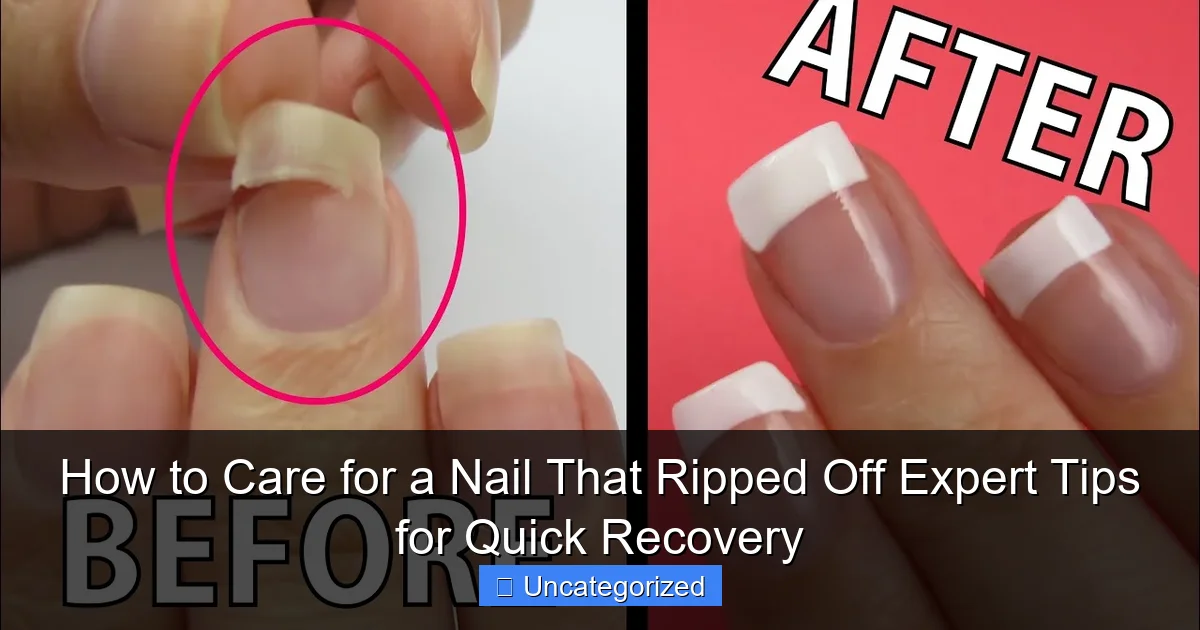
Visual guide about how to care for a nail that ripped off
Image source: i.ytimg.com
Stop the Bleeding
The first step is to control bleeding. A ripped-off nail often exposes the nail bed, which is rich in blood vessels. To stop the bleeding:
- Apply gentle but firm pressure using a clean gauze pad or sterile cloth for 5–10 minutes. Avoid peeking too soon—this can disrupt clot formation.
- If the bleeding persists, elevate the hand or foot above heart level to reduce blood flow to the area.
- Use a cold compress wrapped in a clean towel to constrict blood vessels and reduce swelling. Apply for 10–15 minutes at a time, with breaks in between.
Tip: Avoid using tissues or paper towels, as they can stick to the wound and introduce contaminants.
Clean the Wound Thoroughly
Once bleeding is under control, cleaning the area is essential to prevent infection. Bacteria, dirt, and debris can easily enter the exposed nail bed, leading to painful infections.
- Rinse the area gently with lukewarm water and mild soap. Use a soft stream—no scrubbing.
- For deeper cleaning, use a saline solution (1 teaspoon of salt in 1 cup of boiled, cooled water) or a diluted antiseptic like chlorhexidine (1:10 ratio with water).
- Pat the area dry with a sterile gauze pad—never rub.
Note: Do not use hydrogen peroxide or rubbing alcohol directly on the nail bed. While they kill bacteria, they also damage healthy tissue and can delay healing.
Apply an Antibiotic Ointment and Dress the Wound
After cleaning, apply a thin layer of antibiotic ointment (such as bacitracin or mupirocin) to the nail bed. This creates a protective barrier against bacteria and keeps the area moist—a key factor in wound healing.
- Cover the area with a non-stick sterile dressing or a hydrocolloid bandage. These dressings absorb fluid, protect the wound, and reduce pain.
- Change the dressing at least once daily, or more often if it becomes wet or soiled.
- For toenails, wear open-toed or loose-fitting shoes to avoid pressure and friction.
Example: A person who ripped off their thumbnail while gardening should immediately wash the area, apply ointment, and cover it with a breathable bandage before continuing with outdoor work.
2. Pain Management and Swelling Reduction
Pain and swelling are common after a nail is ripped off. The exposed nail bed is highly sensitive, and inflammation can worsen discomfort. Proper pain management not only improves your quality of life during recovery but also supports healing.
Use Over-the-Counter Pain Relievers
Nonsteroidal anti-inflammatory drugs (NSAIDs) like ibuprofen (Advil, Motrin) or naproxen (Aleve) are effective for reducing both pain and inflammation. Acetaminophen (Tylenol) can help with pain but doesn’t reduce swelling.
- Take medications as directed on the label. Avoid exceeding the recommended dose.
- For mild pain, consider topical analgesics like lidocaine gel (available over the counter). Apply sparingly and avoid using on deep wounds.
- NSAIDs should not be used by individuals with certain medical conditions (e.g., stomach ulcers, kidney disease)—consult a doctor if unsure.
Pro Tip: Take pain relievers before the pain peaks—typically 30–60 minutes after the injury. This proactive approach helps maintain comfort.
Elevate and Ice the Area
Swelling increases pressure on the nail bed and can delay healing. Elevation and cold therapy are simple yet effective tools.
- Elevate the hand or foot above heart level for 15–20 minutes every 2–3 hours during the first 48 hours.
- Apply an ice pack wrapped in a thin cloth for 10–15 minutes at a time. Never apply ice directly to the skin.
- Use a cold compress with a gel pack or a bag of frozen peas. Wrap it in a clean towel to prevent frostbite.
Example: A runner who ripped off a toenail during a marathon should elevate their foot during rest breaks and use ice packs in the evening to reduce swelling overnight.
Soak in Epsom Salt (After Initial 48 Hours)
After the first 48 hours, when the wound is no longer actively bleeding, soaking the area in warm Epsom salt water can help reduce swelling and promote healing.
- Add 1–2 tablespoons of Epsom salt to a bowl of warm (not hot) water.
- Soak the affected finger or toe for 10–15 minutes, 2–3 times daily.
- Pat dry and reapply antibiotic ointment and a fresh dressing afterward.
Note: Avoid soaking if the wound is still bleeding or oozing heavily—this can soften the scab and increase infection risk.
3. Preventing Infection: Signs and Prevention Strategies
Infection is one of the most serious complications of a ripped-off nail. The exposed nail bed is vulnerable to bacteria, fungi, and environmental contaminants. Preventing infection is crucial for a smooth recovery.
Recognize the Signs of Infection
Early detection of infection allows for prompt treatment. Watch for these warning signs:
- Increased redness, warmth, or swelling around the nail bed
- Pus or yellowish discharge
- Throbbing pain that worsens over time
- Foul odor from the wound
- Red streaks extending from the injury (a sign of lymphangitis)
- Fever or chills (indicating systemic infection)
If you notice any of these signs, seek medical attention immediately. Untreated infections can lead to cellulitis, osteomyelitis (bone infection), or even sepsis in severe cases.
Maintain Strict Wound Hygiene
Cleanliness is your best defense. Follow these daily care routines:
- Wash your hands before touching the injury.
- Change dressings daily or whenever they become wet or dirty.
- Use only sterile supplies. Store gauze and bandages in a clean, dry place.
- Avoid submerging the wound in pools, hot tubs, or lakes until fully healed.
Tip: For fingernails, wear gloves when doing dishes or handling raw food to prevent contamination.
Use Antimicrobial Treatments
In addition to standard antibiotic ointments, consider these options for added protection:
- Silver sulfadiazine cream: Effective against a broad spectrum of bacteria, often used for burns and open wounds.
- Honey-based dressings (medical-grade): Manuka honey has natural antibacterial properties and promotes healing.
- Antifungal powder (if fungal risk is high): Especially important for toenails, which are more prone to fungal infections.
Example: A chef who lost a fingernail while chopping vegetables should use silver sulfadiazine and wear a finger cot to avoid exposure to raw ingredients.
4. Supporting Nail Regrowth: Nutrition and Care Tips
After the initial healing phase, the focus shifts to regrowing a healthy, strong nail. The average fingernail grows about 3 mm per month, while toenails grow 1 mm per month. Supporting this process with proper nutrition and care can speed recovery and improve nail quality.
Eat a Nail-Friendly Diet
Nails are made primarily of keratin, a type of protein. A nutrient-rich diet supports keratin production and overall nail health.
- Protein: Include lean meats, eggs, fish, beans, and dairy. Aim for 0.8–1.2 grams of protein per kilogram of body weight daily.
- Biotin (Vitamin B7): Found in eggs, nuts, sweet potatoes, and bananas. Biotin deficiency can cause brittle nails. Consider a supplement (2.5–10 mg daily) if advised by a doctor.
- Iron: Low iron levels (anemia) can lead to koilonychia (spoon-shaped nails). Sources: red meat, spinach, lentils, fortified cereals.
- Zinc and Vitamin C: Support collagen synthesis and immune function. Sources: oysters, pumpkin seeds, citrus fruits, bell peppers.
- Omega-3 Fatty Acids: Reduce inflammation and improve nail strength. Found in fatty fish, flaxseeds, and walnuts.
Example: A person recovering from a ripped toenail should eat a breakfast of scrambled eggs with spinach and avocado—rich in biotin, iron, and healthy fats.
Keep the Nail Bed Moisturized
A dry, cracked nail bed can delay regrowth and lead to ingrown nails. Moisturize daily:
- Apply a fragrance-free hand or foot cream to the nail bed and surrounding skin.
- Use oils like jojoba, coconut, or argan oil—lightweight and easily absorbed.
- For toenails, wear cotton socks after moisturizing to lock in hydration.
Pro Tip: Avoid harsh soaps and detergents that strip natural oils. Use pH-balanced, moisturizing cleansers.
Protect the New Nail as It Grows
As the new nail emerges, it’s fragile and prone to damage. Take these precautions:
- Trim the new nail straight across to prevent ingrown edges.
- Avoid using the injured finger or toe for heavy lifting or gripping.
- Wear protective gloves or toe caps during physical activities.
- File gently with a soft emery board—no sharp tools.
Note: It may take 6–12 months for a full fingernail to regrow and 12–18 months for a toenail. Be patient and consistent with care.
5. When to See a Doctor: Red Flags and Professional Care
While most ripped-off nails heal well at home, some cases require professional medical intervention. Knowing when to seek help can prevent complications and ensure proper healing.
Red Flags That Require Immediate Attention
- Signs of infection (as listed earlier): Pus, fever, spreading redness.
- Severe pain unresponsive to medication: Could indicate nerve damage or abscess.
- Bone or tendon exposure: If the injury extends beyond the nail bed.
- History of diabetes, poor circulation, or immunosuppression: These conditions increase infection and healing risks.
- Recurrent nail loss or chronic nail issues: May indicate an underlying medical condition like psoriasis, fungal infection, or thyroid disease.
Example: A diabetic person who lost a toenail should see a podiatrist immediately, even if symptoms seem mild, due to increased risk of foot ulcers and infections.
Medical Treatments and Procedures
Healthcare providers may offer advanced care options:
- Oral antibiotics: For confirmed or suspected bacterial infections.
- Debridement: Surgical removal of dead tissue to promote healing.
- Nail bed repair: Sutures or grafts for severe injuries.
- Imaging (X-ray): To check for fractures or foreign objects.
- Referral to a dermatologist or podiatrist: For persistent or complex cases.
Tip: Keep a record of the injury—photos, symptom changes, and treatments—to share with your doctor.
6. Long-Term Care and Preventing Future Injuries
Once the nail has regrown, the work isn’t over. Long-term care helps maintain nail strength and prevents future injuries.
Maintain Healthy Nail Habits
- Trim nails regularly to avoid snagging.
- Moisturize daily, especially after hand washing or showering.
- Avoid biting or picking at nails.
- Use gloves when working with chemicals, water, or heavy objects.
Wear Proper Footwear
For toenails, ill-fitting shoes are a common cause of nail trauma. Choose shoes with:
- Adequate toe box space (at least 1/2 inch between the longest toe and shoe end)
- Supportive soles and cushioning
- Breathable materials
Monitor for Changes
Even after full regrowth, watch for:
- Discoloration (yellow, green, or black)
- Ridges, splitting, or pitting
- Slow or no growth
These could indicate fungal infections, nutritional deficiencies, or other health issues.
Data Table: Nail Regrowth Timeline and Care Milestones
| Time Since Injury | Key Milestones | Care Actions |
|---|---|---|
| 0–24 hours | Stop bleeding, clean wound, apply dressing | Pressure, elevation, cold compress, antibiotic ointment |
| 2–7 days | Scab formation, reduced pain | Daily dressing changes, Epsom salt soaks (after 48h), pain relief |
| 1–4 weeks | Wound healing, scab shedding | Moisturize, protect from trauma, monitor for infection |
| 1–6 months | New nail growth (fingernails: 3 mm/month) | Trim straight across, avoid pressure, support nutrition |
| 6–18 months | Full nail regrowth (toenails: 1 mm/month) | Continue moisturizing, monitor for deformities |
Recovering from a ripped-off nail is a journey that requires patience, diligence, and informed care. From the first moments of injury to the final stages of regrowth, every step matters. By following expert tips—immediate first aid, pain management, infection prevention, nutritional support, and professional care when needed—you can minimize complications and promote a strong, healthy nail regrowth. Remember, your nails are more than just aesthetic features—they’re indicators of your overall health. Treat them with the care they deserve, and you’ll not only heal faster but also build resilience against future injuries. With the right approach, your nail can return to its full strength, ready to face the world once again.
Frequently Asked Questions
What should I do immediately if my nail ripped off?
If your nail has ripped off, the first step is to clean the area with mild soap and water to prevent infection. Apply an antiseptic and cover it with a sterile bandage to protect the exposed nail bed. Avoid picking at the area to promote healing.
How can I care for a nail that ripped off to speed up recovery?
To care for a nail that ripped off, keep the area dry and clean, and apply an antibiotic ointment daily. Wearing gloves during chores can protect the sensitive skin while it heals, and using moisturizers helps prevent further damage to surrounding skin.
Can I still trim the remaining part of the damaged nail?
Yes, but only if it’s loose and at risk of catching or tearing further. Use sterile clippers to carefully trim the damaged part, avoiding cutting too close to the nail bed to prevent additional trauma.
Is it normal for the nail bed to be painful after a nail rips off?
Some pain and sensitivity are normal after a nail rips off due to exposure of the nail bed and surrounding tissue. However, if the pain worsens or is accompanied by swelling, pus, or redness, seek medical attention as these are signs of infection.
How long does it take for a new nail to grow after one has ripped off?
Recovery time varies, but it typically takes about 6-9 months for a fingernail and up to 12-18 months for a toenail to fully regrow. Proper care for a nail that ripped off can support healthy regrowth and reduce complications.
Should I see a doctor for a nail that ripped off completely?
You should see a doctor if there’s severe pain, signs of infection (like pus or redness), or if the nail bed is significantly damaged. Medical professionals can prescribe antibiotics or provide treatments to ensure proper healing.