
Featured image for how to care for a nail that’s falling off
Image source: i.ytimg.com
Keep the area clean and protected to prevent infection and promote healing when dealing with a nail that’s falling off. Trim the loose nail carefully, avoid picking, and apply an antiseptic ointment to support natural regrowth and reduce discomfort. With consistent care and expert-backed tips, you can speed recovery and safeguard your nail bed.
Key Takeaways
- Keep it clean: Wash gently with mild soap to prevent infection.
- Trim carefully: Cut loose nails with sterile clippers to avoid further damage.
- Moisturize daily: Apply cuticle oil to promote healing and hydration.
- Protect the area: Wear gloves during chores to shield exposed skin.
- Avoid trauma: Steer clear of tight shoes or repetitive impact.
- Watch for signs: Seek medical help if redness, swelling, or pus appears.
📑 Table of Contents
Understanding Why Nails Fall Off
Common Causes of Nail Detachment
It can be alarming to notice your nail starting to peel away from the nail bed, but nail detachment, also known as onycholysis, is more common than you might think. There are numerous reasons why a nail might begin to fall off, ranging from minor injuries to underlying health conditions. One of the most frequent causes is trauma or injury. Stubbing your toe, dropping something heavy on your finger, or even repeated microtrauma from activities like typing or playing an instrument can damage the nail matrix and lead to detachment. For instance, runners who frequently pound the pavement may experience “runner’s toe,” where the toenail turns black and eventually falls off due to repeated pressure.
Another significant cause is fungal infections, which affect approximately 10% of the global population. Fungi thrive in warm, moist environments, making toenails particularly vulnerable, especially if you wear tight, non-breathable footwear. Infections cause the nail to thicken, discolor, and separate from the nail bed. Other contributors include psoriasis, an autoimmune condition that affects 2-3% of people worldwide and often manifests in the nails as pitting or lifting, and thyroid imbalances, which can disrupt nail growth. Additionally, exposure to harsh chemicals in cleaning products or nail polish removers can weaken the nail structure, leading to brittleness and separation.
When to Seek Medical Attention
While many cases of nail detachment are benign and heal on their own, it’s essential to recognize when professional care is needed. If the area around the nail is red, swollen, or oozing pus, this could indicate a bacterial infection that requires antibiotics. Similarly, if the nail is extremely painful, accompanied by fever, or spreading rapidly, it’s a sign of a more serious issue. People with diabetes or poor circulation should be especially cautious, as even minor nail trauma can escalate into severe infections or ulcers. If the nail detachment is due to a chronic condition like psoriasis or a fungal infection, a dermatologist or podiatrist can provide targeted treatments to address the root cause.
Immediate First Aid Steps for a Falling Nail
Cleaning and Protecting the Area
The moment you notice your nail starting to lift or fall off, it’s crucial to act quickly to prevent infection and further damage. Start by cleaning the affected area with mild soap and lukewarm water. Gently pat it dry with a clean towel—never rub, as this can irritate the exposed nail bed. If the nail is partially detached, avoid pulling it off. Instead, use sterilized scissors to trim any loose edges to prevent snagging, which can cause additional trauma.
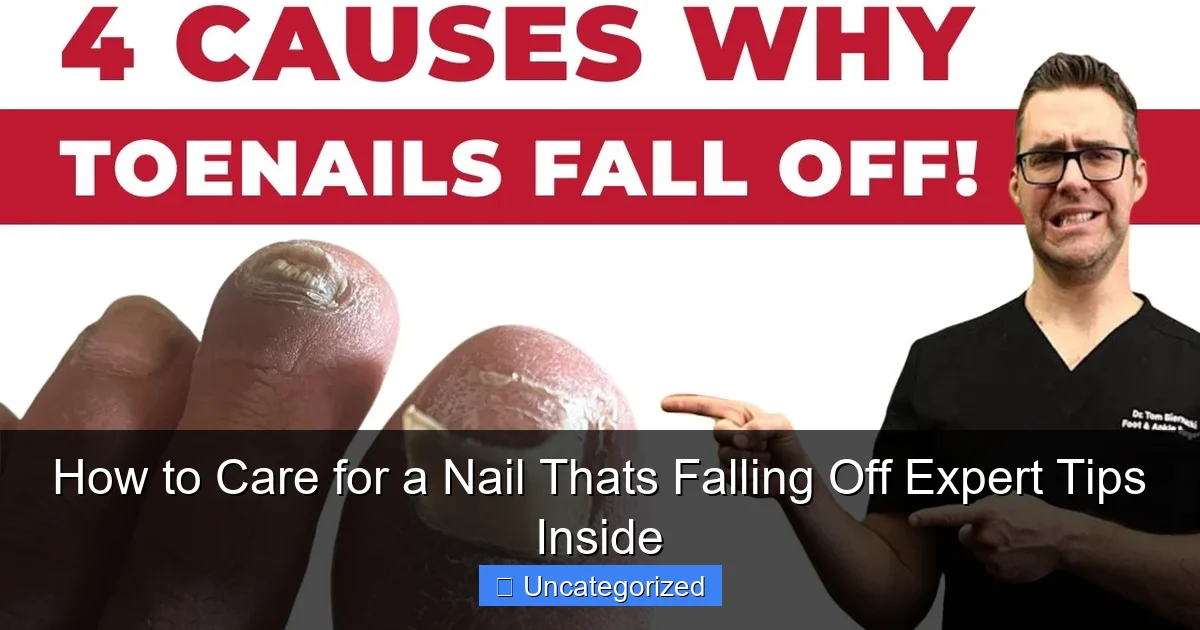
Visual guide about how to care for a nail that’s falling off
Image source: i.ytimg.com
Next, apply an antiseptic solution like hydrogen peroxide or iodine to disinfect the area. Cover the nail and nail bed with a sterile gauze pad or a breathable bandage to protect it from dirt and bacteria. For example, if you’re at work and can’t avoid using your hands, wear a finger cot or a waterproof bandage to shield the area. If the nail is completely detached, keep the exposed nail bed moisturized with petroleum jelly to prevent drying and cracking.
Managing Pain and Swelling
Pain and swelling are common with nail detachment, especially if it resulted from trauma. To alleviate discomfort, elevate the affected limb (e.g., prop your foot up on a pillow if it’s a toenail) to reduce blood flow and inflammation. Over-the-counter pain relievers like ibuprofen or acetaminophen can help manage pain, but avoid aspirin if the area is bleeding, as it can thin the blood.
For localized swelling, apply a cold compress wrapped in a cloth for 15-20 minutes at a time. This constricts blood vessels and numbs the area, reducing both pain and inflammation. Avoid applying ice directly to the skin, as it can cause frostbite. If the pain persists beyond a few days or worsens, consult a healthcare provider to rule out fractures or deep tissue damage.
Long-Term Care and Recovery Strategies
Moisturizing and Nail Bed Maintenance
Keeping the nail bed and surrounding skin hydrated is critical for healing. Use a fragrance-free moisturizer or a specialized nail and cuticle oil containing ingredients like jojoba, vitamin E, or tea tree oil. Apply it 2-3 times daily, especially after washing your hands or feet. For example, if you’re caring for a fingernail, massage the oil into the nail bed and cuticles while watching TV or reading—this turns maintenance into a habit.
For toenails, consider wearing moisture-wicking socks made of materials like bamboo or merino wool. These fabrics draw sweat away from the skin, reducing the risk of fungal growth. If you’re prone to dryness, use a urea-based cream (10-20% concentration) to exfoliate dead skin cells and improve moisture retention. Avoid soaking the nail in water for prolonged periods (e.g., long baths or dishwashing), as this can soften the nail bed and delay healing.
Supporting Nail Regrowth
Regrowing a nail can take months—up to 6-12 months for toenails and 4-6 months for fingernails. To support the process, focus on nutritional support. Biotin (vitamin B7) supplements, found in eggs, nuts, and leafy greens, are often recommended for nail strength. However, consult a doctor before starting supplements, as excessive biotin can interfere with lab tests.
Wear protective footwear (e.g., wide-toed shoes for toenails) to avoid pressure on the new nail. For fingernails, use gloves when handling chemicals or doing manual work. If the nail bed is exposed, consider using a nail hardener or ridge filler (look for formaldehyde-free options) to create a protective barrier. Monitor the regrowth: a healthy new nail will start as a white spot at the base and gradually extend outward. If the new nail grows with ridges, pits, or discoloration, it may signal an ongoing issue like psoriasis or a deficiency.
Preventing Further Nail Damage
Lifestyle and Hygiene Adjustments
Prevention is key to avoiding repeat episodes of nail detachment. Start with proper nail hygiene: trim nails straight across (not rounded) using clean, sharp tools. File in one direction to prevent splitting, and avoid cutting cuticles, which protect the nail matrix from infection. For example, if you’re prone to ingrown toenails, trim them slightly longer than the toe to reduce pressure.
Wear breathable footwear and change socks daily—or more often if you sweat excessively. If you’re an athlete, use antifungal sprays in shoes and opt for moisture-wicking athletic socks. For hand protection, wear gloves when gardening, cleaning, or using harsh chemicals. At home, keep floors and showers dry to discourage fungal growth. Avoid sharing nail tools, as this can spread infections.
Choosing the Right Footwear and Gloves
Footwear plays a pivotal role in nail health. For toenails, choose shoes with a wide toe box (e.g., brands like Altra or Hoka) to prevent crowding. Ensure the shoe fits snugly at the heel but doesn’t constrict the toes. If you’re a runner, replace shoes every 300-500 miles to maintain cushioning and reduce impact on toenails.
For fingernails, select gloves that fit well and are made of materials suited to the task. Latex or nitrile gloves are ideal for cleaning, while leather gloves protect against rough surfaces. If you’re a musician (e.g., pianist or guitarist), use finger pads or tape to reduce pressure on nails during practice. For swimmers, rinse off chlorine immediately after a session, as it can weaken nails.
Medical Treatments and When to Use Them
Topical and Oral Medications
For fungal infections, antifungal creams like clotrimazole or terbinafine can be applied daily for 4-8 weeks. If the infection is severe, a doctor may prescribe oral antifungals (e.g., itraconazole), which require periodic blood tests to monitor liver function. For psoriasis-related nail detachment, topical steroids or calcipotriol (a vitamin D derivative) can reduce inflammation and slow abnormal cell growth.
Bacterial infections may require antibiotic ointments (e.g., mupirocin) or oral antibiotics like cephalexin. In rare cases, a nail avulsion procedure (removal of the entire nail) may be necessary to treat deep infections or severe trauma. Always follow a doctor’s instructions and complete the full course of medication to prevent resistance.
Advanced Procedures and Surgeries
For chronic nail detachment due to structural issues, laser therapy can target fungal infections without medication. In cases of recurrent ingrown nails, a minor surgery called a partial nail avulsion with matrixectomy may be performed to permanently remove the problematic section of the nail. For severe trauma, a nail bed graft might be used to reconstruct the area.
Example: A construction worker with repeated toenail injuries might benefit from custom orthotics to redistribute pressure in their shoes. A diabetic patient with a detached nail due to poor circulation could need vascular testing and specialized wound care. Always consult a specialist for persistent or severe cases.
Data Table: Common Nail Detachment Treatments and Timelines
| Treatment Type | Typical Use Case | Timeline for Results | Success Rate |
|---|---|---|---|
| Antifungal Creams | Mild fungal infections | 4-12 weeks | 60-80% |
| Oral Antifungals | Severe or widespread fungal infections | 6-12 weeks | 85-90% |
| Topical Steroids | Psoriasis-related nail detachment | 8-16 weeks | 70-75% |
| Laser Therapy | Chronic fungal infections | 3-6 months | 70-80% |
| Antibiotics | Bacterial infections | 1-2 weeks | 90%+ |
Conclusion
Dealing with a falling nail can be uncomfortable and concerning, but with the right care, most cases resolve successfully. The key is to act promptly: clean the area, protect it from further damage, and monitor for signs of infection. Whether your nail detachment is due to trauma, a fungal infection, or an underlying health issue, a combination of immediate first aid, long-term maintenance, and lifestyle adjustments can speed up recovery and prevent recurrence. Remember, while home care is effective for minor cases, never hesitate to seek professional help if the pain is severe, the detachment spreads, or you have a condition like diabetes that increases your risk of complications.
By understanding the causes, implementing practical strategies like moisturizing, choosing the right footwear, and using medical treatments when necessary, you can support your body’s natural healing process. Patience is essential—nail regrowth takes time, but with consistent care, your nails will regain their strength and appearance. Prioritize nail health as part of your overall wellness routine, and you’ll reduce the likelihood of future problems. After all, healthy nails are not just about aesthetics; they’re a sign of a body in balance.
Frequently Asked Questions
How can I care for a nail that’s falling off without causing more damage?
To care for a nail that’s falling off, keep the area clean and dry to prevent infection. Avoid pulling or forcing the nail off—let it detach naturally to minimize injury to the nail bed.
Should I cover a nail that’s falling off with a bandage?
Yes, covering the nail with a sterile bandage or adhesive bandage can protect it from dirt and further trauma. Change the bandage daily or if it gets wet to maintain hygiene.
How to care for a nail that’s falling off after an injury?
After an injury, gently clean the area with mild soap and water, then apply an antiseptic ointment. Elevate the affected limb (if applicable) to reduce swelling and monitor for signs of infection.
Can I speed up the healing process for a nail that’s falling off?
While you can’t rush nail regrowth, you can support healing by eating a protein- and biotin-rich diet and keeping the area moisturized. Avoid exposing the nail bed to harsh chemicals or excessive moisture.
When should I see a doctor for a nail that’s falling off?
Consult a healthcare professional if you notice severe pain, pus, or signs of infection (redness, swelling). Also, seek help if the nail doesn’t regrow after several months or if the nail bed appears damaged.
Is it normal for the new nail to look different after one is falling off?
Yes, the new nail may initially appear uneven, ridged, or discolored as it grows. This is normal, but consult a doctor if the nail remains deformed or if you experience ongoing pain or discoloration.