
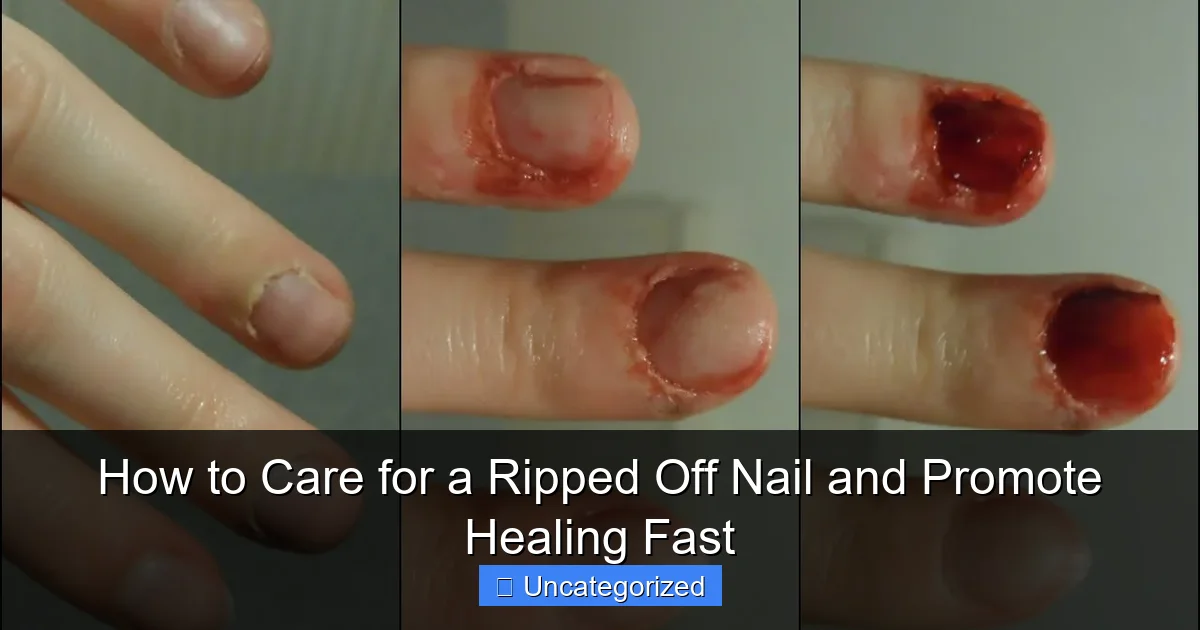
Featured image for how to care for a ripped off nail
Image source: i.ytimg.com
Immediately clean the injured area with mild soap and water to prevent infection, then apply an antiseptic and cover it with a sterile bandage to protect the exposed nail bed. Keep the area dry, elevate your hand when possible, and use over-the-counter pain relief to manage discomfort and reduce swelling for faster healing.
Key Takeaways
- Stop bleeding immediately: Apply pressure with clean gauze to control blood flow.
- Keep it clean: Wash the area gently with soap and water to prevent infection.
- Apply antibiotic ointment: Use a thin layer to protect and speed up healing.
- Cover with a bandage: Shield the nail bed from dirt and further trauma.
- Elevate your hand: Reduce swelling by keeping the hand above heart level.
- Avoid picking or pulling: Let the nail heal naturally to prevent complications.
📑 Table of Contents
- How to Care for a Ripped Off Nail and Promote Healing Fast
- Immediate First Aid: What to Do When a Nail Is Ripped Off
- Protecting the Nail Bed and Preventing Infection
- Promoting Nail Regrowth: Nutrition and Supplements
- Medical Interventions and When to See a Doctor
- Long-Term Care and Preventing Future Injuries
- Data Table: Nail Regrowth Timeline and Care Milestones
- Conclusion
How to Care for a Ripped Off Nail and Promote Healing Fast
Few things are more jarring than the sudden, sharp pain of a ripped-off nail. Whether it happened while gardening, catching your finger in a door, or during a sports mishap, losing a nail isn’t just painful—it’s also a source of anxiety. You might wonder: Will it grow back? How do I prevent infection? How can I speed up healing? The good news is that with proper care, your nail will likely regenerate, and the discomfort can be managed effectively. However, the recovery process requires attention to detail, hygiene, and patience. A ripped-off nail exposes the sensitive nail bed, making it vulnerable to infection, further trauma, and delayed healing if not treated correctly.
Understanding how to care for a ripped-off nail is essential for anyone—from busy parents and athletes to office workers and seniors. This guide will walk you through the immediate steps to take after a nail is torn off, how to manage pain and inflammation, and the best practices for promoting rapid, healthy regrowth. We’ll cover everything from first aid to long-term nail health, including natural remedies, medical interventions, and lifestyle adjustments. By following these evidence-based tips, you can minimize complications, reduce downtime, and get your hands or feet back to full function as quickly as possible. Whether it’s a partial tear or a complete avulsion, this comprehensive approach will empower you to take control of your recovery.
Immediate First Aid: What to Do When a Nail Is Ripped Off
The first few minutes after a nail is ripped off are critical. Acting quickly can reduce bleeding, lower the risk of infection, and set the stage for optimal healing. The goal is to stabilize the injury, protect the exposed nail bed, and begin the healing process immediately.
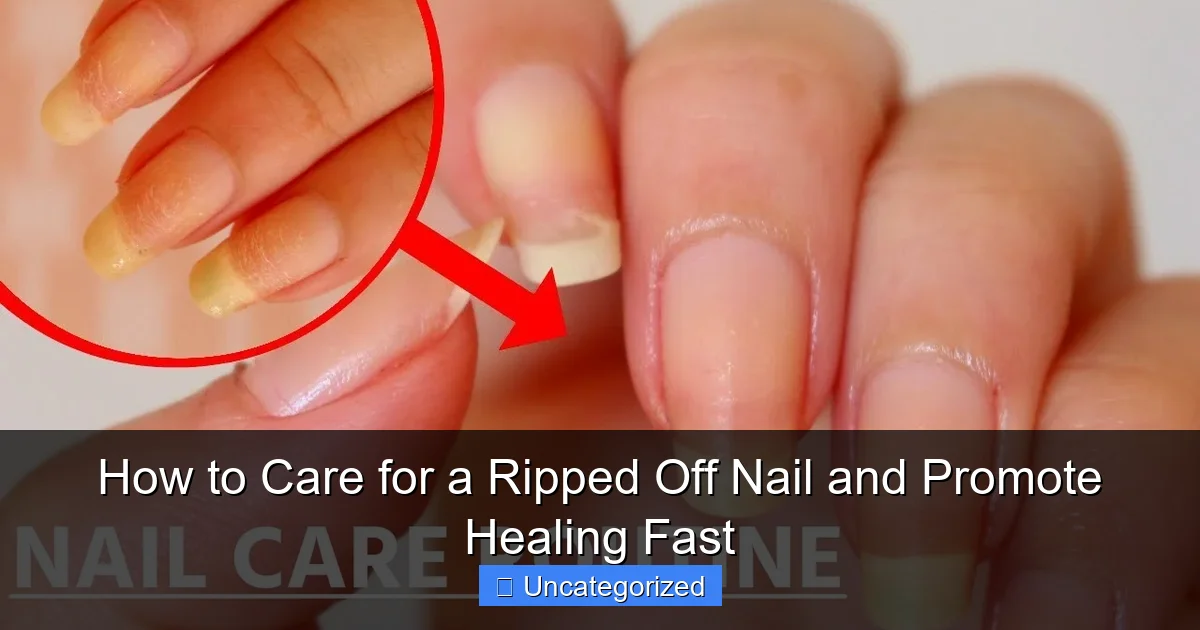
Visual guide about how to care for a ripped off nail
Image source: i.ytimg.com
Step 1: Stop the Bleeding
Begin by applying gentle but firm pressure to the affected area using a clean cloth or sterile gauze. Elevate the hand or foot above heart level to reduce blood flow to the area. Most nail injuries stop bleeding within 10–20 minutes. If bleeding persists beyond 30 minutes, seek medical attention, as this could indicate a deeper vascular injury or coagulopathy. For example, if you’re at home and the bleeding won’t stop, use a clean paper towel wrapped in a rubber band to apply consistent pressure while you call a healthcare provider.
Step 2: Clean the Area Thoroughly
Once the bleeding has slowed, rinse the wound under lukewarm running water for at least 5 minutes. Use mild, fragrance-free soap to gently clean the surrounding skin and the exposed nail bed. Avoid hydrogen peroxide or alcohol, which can damage healthy tissue and delay healing. Instead, opt for saline solution (0.9% sodium chloride), which is gentle and antimicrobial. After rinsing, pat the area dry with a sterile towel or gauze—do not rub, as this can irritate the sensitive nail bed.
Step 3: Apply an Antiseptic
After cleaning, apply a thin layer of antiseptic ointment such as bacitracin or povidone-iodine. These help prevent bacterial colonization, which is crucial since the nail bed is now exposed to environmental pathogens. Avoid triple antibiotic ointments if you have a known allergy to neomycin. Cover the area with a non-stick sterile dressing, such as a Telfa pad, and secure it with medical tape or a gauze wrap. Change the dressing daily or more often if it becomes wet or soiled.
Step 4: Pain Management
Pain from a ripped-off nail can be intense due to the nerve endings in the nail bed. Over-the-counter pain relievers such as ibuprofen (Advil) or acetaminophen (Tylenol) can help manage discomfort. Ibuprofen also reduces inflammation, which may speed recovery. Apply a cold compress wrapped in a cloth for 15 minutes every 2–3 hours during the first 24–48 hours to numb the area and reduce swelling. Avoid direct ice contact, which can cause frostbite on compromised tissue.
Protecting the Nail Bed and Preventing Infection
The nail bed is a delicate structure responsible for producing new nail cells. Once exposed, it becomes a prime target for bacteria, fungi, and physical trauma. Protecting it is essential for both comfort and long-term healing.
Keep It Covered
For the first 7–10 days, keep the injured area covered at all times, especially during activities that involve water, dirt, or friction. Use waterproof bandages when showering or washing dishes. For fingers, consider finger cots (latex or silicone covers) that provide a snug, protective barrier. If the injury is on a toe, wear open-toed shoes or sandals to avoid pressure and allow airflow. For example, a construction worker might wear steel-toed boots with a gel pad over the injured toe to prevent further impact.
Monitor for Signs of Infection
Infections can develop rapidly in open nail bed injuries. Watch for redness that spreads beyond the immediate area, increased swelling, pus, throbbing pain, warmth, or fever. If you notice any of these symptoms, contact a healthcare provider immediately. Early treatment with oral antibiotics (e.g., cephalexin or amoxicillin-clavulanate) can prevent serious complications like cellulitis or osteomyelitis (bone infection). A 2022 study in the Journal of Hand Surgery found that patients who monitored their wounds closely and sought early intervention had a 70% lower risk of deep tissue infection.
Avoid Soaking the Wound
While cleaning is important, prolonged soaking (e.g., in a bath or hot tub) can soften the skin and make it more susceptible to tearing or bacterial entry. Instead, use a damp cloth to gently wipe the area. If you must submerge the hand or foot, use a waterproof cast cover or seal it in a plastic bag with rubber bands. This is especially important for swimmers or individuals who work in wet environments.
Use Moist Wound Healing Techniques
Modern wound care emphasizes keeping the nail bed slightly moist, not dry. A moist environment promotes cell migration and reduces scab formation, which can delay healing. Apply a thin layer of medical-grade honey (e.g., Manuka honey) or hydrogel dressings, which are available over-the-counter. These products maintain hydration while providing antimicrobial properties. A 2021 meta-analysis in Wound Repair and Regeneration showed that moist wound care reduced healing time by an average of 2–3 days compared to traditional dry dressings.
Promoting Nail Regrowth: Nutrition and Supplements
Once the initial trauma has stabilized, your focus should shift to supporting the body’s natural ability to regenerate the nail. Nails grow from the matrix—the tissue under the cuticle—and require a steady supply of nutrients to produce strong, healthy keratin.
Essential Nutrients for Nail Health
Your diet plays a pivotal role in nail regeneration. Key nutrients include:
- Protein: Nails are made of keratin, a structural protein. Consume 0.8–1.2 grams of protein per kilogram of body weight daily. Good sources: eggs, lean meats, Greek yogurt, lentils, tofu.
- Vitamin B7 (Biotin): Biotin deficiency is linked to brittle nails. The recommended daily intake is 30 mcg. Foods: almonds, sweet potatoes, spinach, eggs. Supplements: 2,500–5,000 mcg daily (consult a doctor first).
- Iron: Iron deficiency causes koilonychia (spoon-shaped nails). Include iron-rich foods: red meat, spinach, lentils. Pair with vitamin C (e.g., orange juice) to enhance absorption.
- Zinc: Supports cell division and immune function. Sources: oysters, pumpkin seeds, beef. Daily intake: 8–11 mg.
- Omega-3 Fatty Acids: Reduce inflammation and improve nail texture. Sources: fatty fish (salmon, mackerel), flaxseeds, walnuts.
<
Hydration and Circulation
Dehydration causes brittle nails and slows growth. Aim for 2–3 liters of water daily, more if you’re active or in a hot climate. Poor circulation—common in smokers or those with diabetes—can also impair nail regrowth. To improve blood flow, engage in regular aerobic exercise (e.g., walking, cycling) and massage the affected hand or foot gently. A 2020 study in Dermatologic Therapy found that patients who performed daily hand massages for 10 minutes had 15% faster nail regrowth rates.
Supplements to Consider
While a balanced diet is ideal, supplements can bridge gaps. Consider:
- Biotin: 5,000 mcg daily for 3–6 months (studies show improvement in nail thickness within 6 weeks).
- Collagen peptides: 10 grams daily—may support keratin production.
- Multivitamin with B-complex: Ensures adequate micronutrient levels.
Note: Always consult a healthcare provider before starting supplements, especially if you have underlying conditions or take medications.
Medical Interventions and When to See a Doctor
While most nail avulsions heal on their own, some cases require professional medical attention. Knowing when to seek help can prevent complications and ensure proper healing.
When to Visit a Healthcare Provider
Seek medical care if:
- The nail was completely torn off (avulsion).
- There is significant tissue damage or bone exposure.
- You have diabetes, peripheral vascular disease, or a weakened immune system.
- Signs of infection appear (fever, pus, spreading redness).
- You experience persistent numbness or tingling, which may indicate nerve damage.
For example, a diabetic individual with a torn toenail should see a podiatrist within 24 hours, as even minor foot injuries can lead to ulcers or amputation if untreated.
Medical Treatments Available
Doctors may use several approaches:
- Tetanus shot: Required if the injury was caused by a dirty object (e.g., rusty nail) and your last booster was over 5 years ago.
- Antibiotics: Prescribed for infected wounds or high-risk patients.
- Drainage: If there’s a hematoma (blood blister) under the remaining nail, a doctor may drain it to relieve pressure.
- Surgical intervention: Rare, but may be needed to remove debris, repair torn matrix tissue, or stabilize fractures.
Specialized Wound Care
For large or deep injuries, a wound care specialist may use advanced dressings such as:
- Silicone gel sheets: Reduce scarring and promote even tissue growth.
- Negative pressure wound therapy (NPWT): Used in severe cases to stimulate blood flow and tissue regeneration.
These treatments are typically reserved for patients with delayed healing or comorbidities.
Long-Term Care and Preventing Future Injuries
Once the nail begins to regrow, long-term care ensures it develops properly and reduces the risk of recurrence. Nails take 6–9 months to regrow fully on fingers and up to 12–18 months on toes. During this time, the new nail is fragile and prone to splitting or infection.
Protect the New Nail
As the nail grows, keep it trimmed short to avoid snagging. Use a clean, sharp nail clipper—never tear or pull at the edges. File gently in one direction to prevent splitting. Apply a strengthening nail polish or clear coat with keratin or calcium to provide a protective layer. Avoid harsh chemicals like acetone-based removers; opt for soy-based or acetone-free formulas.
Moisturize Regularly
Hydrated nails are less likely to crack. Apply a nourishing hand or foot cream containing shea butter, jojoba oil, or urea daily. Don’t forget the cuticles—use cuticle oil (e.g., vitamin E or almond oil) to keep them soft and prevent hangnails, which can lead to further tearing.
Wear Protective Gear
Prevention is the best medicine. Wear gloves when doing yard work, cleaning, or handling chemicals. Use finger guards during sports like basketball or soccer. For toenail injuries, choose shoes with a wide toe box to reduce pressure. A 2019 study in Foot & Ankle International found that runners who wore properly fitted shoes had 40% fewer toenail injuries.
Regular Monitoring
Check the regrowing nail monthly for signs of abnormalities, such as:
- Discoloration (yellow, green, or black).
- Thickening or crumbling (possible fungal infection).
- Pitting or ridges (nutritional deficiency or psoriasis).
If you notice any of these, consult a dermatologist or podiatrist for evaluation and treatment.
Data Table: Nail Regrowth Timeline and Care Milestones
| Time After Injury | Expected Healing Stage | Recommended Care Actions | Signs of Complications |
|---|---|---|---|
| 0–24 hours | Hemostasis, inflammation | Clean, dress, elevate, take pain meds | Persistent bleeding, severe swelling |
| 2–7 days | Wound cleaning, early granulation | Change dressings, monitor for infection | Pus, fever, spreading redness |
| 1–4 weeks | Epithelialization, new tissue formation | Moist wound care, avoid trauma | Delayed healing, persistent pain |
| 1–3 months | Early nail matrix activation | Begin biotin, moisturize, protect | No visible regrowth, nail deformity |
| 3–6 months | Nail plate regrowth (fingers) | Trim, file, use strengtheners | Brittle nails, discoloration |
| 6–18 months | Complete regrowth (toes) | Monitor, maintain nail health | Chronic pain, fungal growth |
Conclusion
Recovering from a ripped-off nail is a journey that requires diligence, patience, and a proactive approach. From the moment the injury occurs, your actions can significantly influence the speed and quality of healing. By following the steps outlined—immediate first aid, meticulous wound care, nutritional support, timely medical intervention, and long-term prevention—you empower your body to regenerate a strong, healthy nail. While the process may seem slow, remember that nails grow at a natural pace, and rushing it can lead to setbacks.
More than just a cosmetic concern, a ripped-off nail is a window into your overall health. It reminds us of the importance of hygiene, nutrition, and self-awareness. Whether you’re a parent bandaging a child’s finger, an athlete protecting your toes, or someone managing a chronic condition, the principles of nail care remain universal. With the right knowledge and tools, you can turn a painful injury into an opportunity for resilience and self-care. So the next time you face a nail avulsion, don’t panic—act. Your hands and feet will thank you for years to come.
Frequently Asked Questions
How do I care for a ripped off nail to prevent infection?
Clean the affected area gently with mild soap and water, then apply an antiseptic to reduce infection risk. Cover it with a sterile bandage to protect the exposed nail bed while it heals.
What’s the fastest way to promote healing after a nail is ripped off?
Keep the area moisturized with petroleum jelly and avoid picking at the new tissue. Elevate your hand or foot if swollen, and consider using a healing ointment with vitamin E to speed up recovery.
Can I still use nail polish or fake nails after a nail is ripped off?
Wait until the new nail starts growing and the skin is no longer tender—applying products too soon can irritate the sensitive nail bed. Prioritize natural healing before cosmetic treatments.
How long does it take for a ripped off nail to grow back?
Nails grow slowly, typically 1–3 mm per month for fingers and even slower for toes. Full regrowth may take 6–12 months, depending on the nail and your overall health.
Should I see a doctor for a completely ripped off nail?
If there’s severe pain, excessive bleeding, pus, or signs of infection (redness, swelling), seek medical care immediately. A doctor may prescribe antibiotics or recommend further treatment for optimal healing.
How can I protect the exposed nail bed while my nail regrows?
Wear gloves during chores to avoid irritation and keep the area covered with a breathable bandage. Avoid tight footwear (for toes) and minimize trauma to prevent delays in how to care for a ripped off nail.