
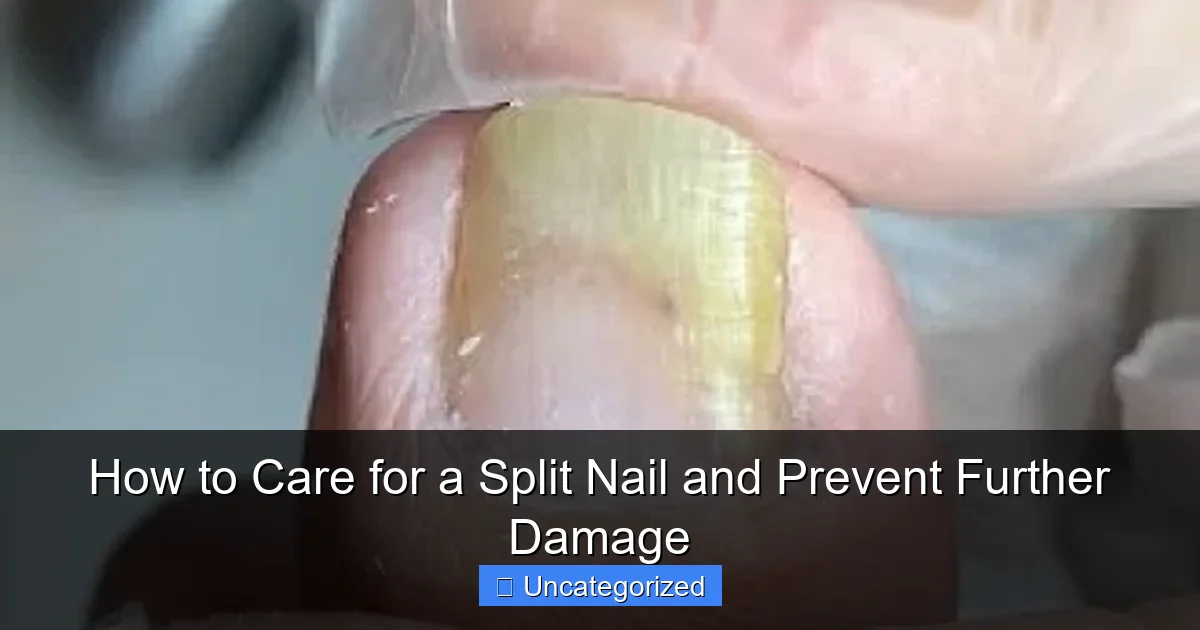
Featured image for how to care for a split nail
Image source: i.ytimg.com
Keep the split nail clean and dry to prevent infection and further damage. Immediately trim any loose edges with sterile nippers and apply a nourishing nail oil or moisturizer to support healing. Protect the nail with a bandage or adhesive tape and avoid harsh chemicals or excessive water exposure to promote faster recovery.
Key Takeaways
- Trim and file the split area gently to prevent further tearing.
- Moisturize daily with cuticle oil to strengthen nails and prevent dryness.
- Wear gloves during chores to protect nails from water and chemicals.
- Avoid harsh products like acetone-based removers that weaken nail structure.
- Use a nail hardener to reinforce fragile nails and reduce splitting.
- Maintain a balanced diet rich in biotin and vitamins for nail health.
📑 Table of Contents
- Understanding Split Nails: Causes and Immediate Concerns
- Immediate First Aid: What to Do When You First Notice a Split
- Daily Care Routine: Nourishing and Strengthening the Nail
- Diet and Nutrition: Feeding Your Nails from Within
- Preventing Further Damage: Long-Term Strategies
- When to See a Doctor: Recognizing Red Flags
- Data Table: Comparison of Nail Care Products and Their Benefits
- Conclusion: Healing Your Split Nail and Building Resilient Nails for Life
Understanding Split Nails: Causes and Immediate Concerns
Split nails are more than just a cosmetic annoyance—they can be painful, hinder daily tasks, and even lead to infections if not managed properly. Whether you’ve noticed a small crack near the nail tip or a deep split that extends into the nail bed, the discomfort is universal. Split nails, medically known as onychoschizia, affect millions of people worldwide, with women being more prone due to frequent exposure to water, harsh chemicals, and nail treatments. But men, children, and older adults are equally susceptible, especially those with underlying health conditions or lifestyle habits that weaken the nail structure.
Understanding the root causes of split nails is the first step toward effective care. A split can occur suddenly—from trauma, like slamming a finger in a door—or develop slowly due to chronic exposure to moisture and drying agents. In many cases, split nails are a sign of deeper issues such as nutritional deficiencies, aging, or even underlying medical conditions like thyroid disorders or psoriasis. The good news? With proper care, most split nails can heal and regrow without complications. This guide will walk you through everything you need to know about how to care for a split nail, prevent further damage, and restore the strength and beauty of your nails naturally and effectively.
Immediate First Aid: What to Do When You First Notice a Split
Assess the Severity of the Split
Not all nail splits are created equal. Some are minor surface cracks, while others can be deep, painful, and extend into the nail bed. Begin by examining the split carefully. Is it a shallow fissure near the edge? Or is it a jagged, deep tear that’s lifting the nail from the skin? If the split is deep, bleeding, or accompanied by throbbing pain, it may require medical attention. Minor splits, however, can be managed at home with a few key steps.
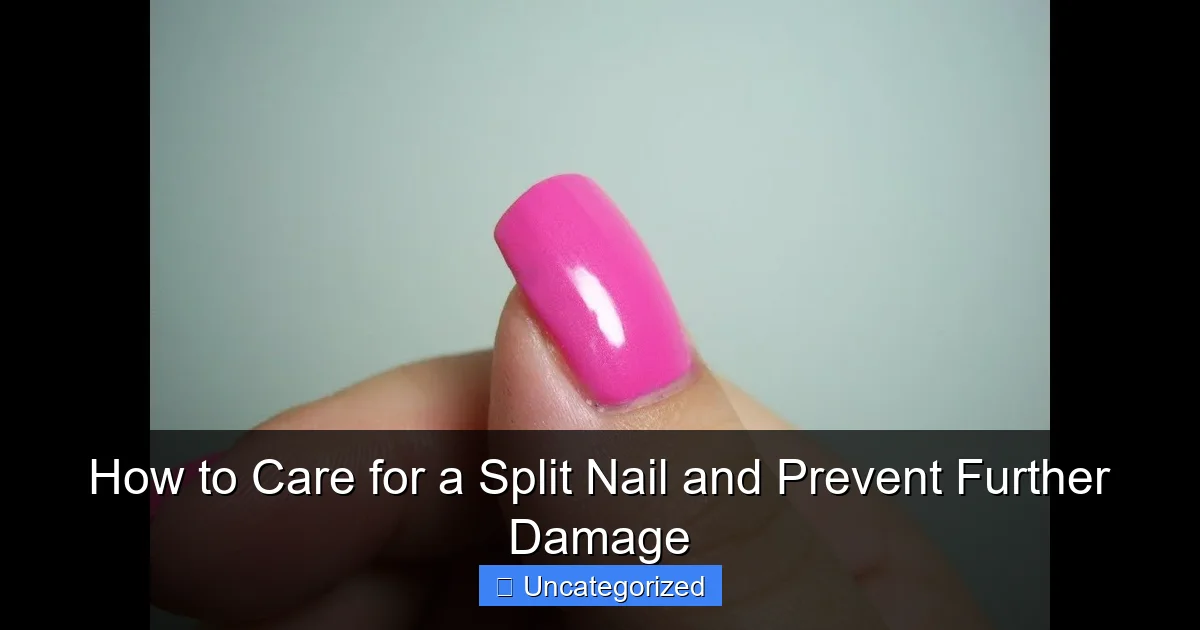
Visual guide about how to care for a split nail
Image source: i.ytimg.com
- Minor splits (surface-level): Typically located near the free edge and don’t cause pain or bleeding.
- Moderate splits: Extend into the nail plate but not into the nail bed; may cause slight discomfort when pressure is applied.
- Severe splits: Involve the nail bed, cause bleeding, swelling, or pain, and may require a doctor’s visit to prevent infection.
Clean and Disinfect the Area
Before doing anything else, wash your hands with mild soap and lukewarm water. Use a soft nail brush to gently clean under and around the split. This prevents bacteria and debris from entering the crack, which could lead to infection. After washing, pat the area dry with a clean towel—never rub, as this can aggravate the split.
Next, apply an antiseptic solution such as hydrogen peroxide (3%) or isopropyl alcohol (70%). While these can sting, they effectively kill bacteria. Alternatively, use a gentler option like tea tree oil (diluted with a carrier oil), which has natural antifungal and antibacterial properties. Let the area air dry before proceeding.
Temporarily Stabilize the Split
To prevent further tearing, you need to stabilize the split. Here’s a practical method used by dermatologists and nail technicians:
- Trim any loose or jagged edges with sterilized nail clippers to avoid snagging.
- Apply a nail glue (like ethyl cyanoacrylate, commonly used in nail repairs) along the split. This bonds the nail layers together.
- Place a small piece of non-stick gauze or a clear nail wrap (available at drugstores) over the split and secure it with a tiny drop of glue or medical tape.
- Alternatively, use a fiberglass nail repair patch—a thin, breathable strip that adheres to the nail and provides structural support.
Example: Sarah, a 34-year-old graphic designer, noticed a split on her index finger after typing for hours. She cleaned the nail, applied nail glue, and used a repair patch. Within 48 hours, the split stopped catching on fabric, and she was able to resume normal activities without pain.
Protect the Nail from Moisture and Trauma
Once stabilized, keep the nail dry and protected. Avoid submerging your hands in water for long periods—wear rubber gloves when washing dishes, cleaning, or gardening. Moisture weakens the nail’s structure, making it more prone to further splitting. Also, avoid using the affected finger to open cans, type aggressively, or perform tasks that put pressure on the nail.
Daily Care Routine: Nourishing and Strengthening the Nail
Moisturize Religiously
One of the most effective ways to care for a split nail is consistent moisturization. Dry, brittle nails are more likely to split, crack, or break. The key is to hydrate both the nail plate and the surrounding skin—cuticles, nail folds, and the hyponychium (the area under the free edge).
Use a nail and cuticle oil 2–3 times daily. Look for oils rich in:
- Jojoba oil: Mimics the skin’s natural sebum, deeply penetrating the nail.
- Argan oil: High in vitamin E and fatty acids, promotes flexibility.
- Castor oil: Known for its thickening properties, helps strengthen weak nails.
Apply a few drops to the affected nail and surrounding area, then gently massage in circular motions for 1–2 minutes. This increases blood circulation and enhances absorption.
Pro tip: Keep a travel-sized cuticle oil in your purse or desk drawer. Reapply after washing hands or using hand sanitizer, which strips natural oils.
Use a Nail Strengthening Base Coat
When applying nail polish (or even on bare nails), always use a strengthening base coat. These products contain ingredients like:
- Calcium – supports nail structure.
- Keratin – a protein that makes up 88% of the nail.
- Hydrolyzed collagen – improves elasticity.
- Silica or bamboo extract – adds hardness and shine.
Apply a thin layer to the split nail daily. Avoid heavy, multi-coat applications, which can weigh down the nail and increase pressure on the split. Brands like OPI Nail Envy, Sally Hansen Hard as Nails, and Essie Strong Start are clinically tested to improve nail strength by up to 40% in 4 weeks.
File Gently and in One Direction
Never use a metal nail file on a split nail—it can catch and worsen the split. Instead, use a glass or crystal nail file, which creates a smoother edge and reduces micro-tears. File in one direction only (from the side toward the center), never back-and-forth. This preserves the nail’s integrity and prevents further splitting.
Shape the nail into a soft square or oval to reduce stress on the corners, which are more prone to catching and splitting. Avoid overly pointed or stiletto shapes, especially while healing.
Wear Protective Gloves
This cannot be overstated: wear gloves during household chores. Water, detergents, and cleaning chemicals are major contributors to nail dehydration and splitting. Choose:
- Latex-free rubber gloves with a cotton lining (to absorb sweat).
- Disposable nitrile gloves for short-term tasks like handling food or using hand sanitizer.
Even in winter, wear gloves when outdoors—cold, dry air saps moisture from nails just like it does from skin.
Diet and Nutrition: Feeding Your Nails from Within
Key Nutrients for Nail Health
Nails are made of keratin, a protein, and rely on a steady supply of nutrients to grow strong and resilient. A split nail can often be a sign of nutritional deficiency. Focus on incorporating these essential nutrients into your diet:
- Protein: The building block of nails. Include lean meats, eggs, legumes, Greek yogurt, and tofu. Aim for 0.8–1.2 grams of protein per kilogram of body weight daily.
- Biotin (Vitamin B7): Known as the “nail vitamin,” biotin supports keratin production. Found in eggs (especially yolks), nuts, seeds, sweet potatoes, and salmon. A 2019 Journal of Clinical and Aesthetic Dermatology study found that 2.5 mg of biotin daily improved nail thickness by 25% in 6 months.
- Iron: Deficiency leads to brittle, spoon-shaped nails (koilonychia). Sources: red meat, spinach, lentils, fortified cereals. Pair with vitamin C (e.g., orange juice) to boost absorption.
- Omega-3 Fatty Acids: Found in fatty fish (salmon, mackerel), flaxseeds, and walnuts. They reduce inflammation and improve nail flexibility.
- Zinc: Supports cell growth and repair. Found in oysters, beef, pumpkin seeds, and chickpeas.
- Vitamin E: Acts as an antioxidant, protecting nail cells from oxidative stress. Found in almonds, sunflower seeds, and avocados.
Hydration: The Overlooked Hero
Dehydration doesn’t just affect your skin—it impacts your nails too. Nails are 18% water, and when you’re dehydrated, they become dry and prone to splitting. Aim for 8–10 glasses of water daily, more if you exercise or live in a dry climate. You can also monitor urine color—pale yellow indicates good hydration.
Include hydrating foods like cucumbers, watermelon, celery, and citrus fruits. Herbal teas and broths also contribute to your daily fluid intake.
When to Consider Supplements
If your diet is limited or you have absorption issues (e.g., celiac disease, Crohn’s), consider supplements. Look for:
- Biotin (1,000–5,000 mcg/day)
- Multivitamin with B-complex, zinc, and iron
- Omega-3 fish oil (1,000–2,000 mg EPA/DHA daily)
Note: Always consult a doctor before starting supplements, especially if you’re on medication. Excessive biotin, for example, can interfere with certain lab tests.
Preventing Further Damage: Long-Term Strategies
Limit Exposure to Harsh Chemicals
Acetone-based nail polish removers, formaldehyde in nail hardeners, and household cleaners are major culprits in nail splitting. Switch to:
- Non-acetone removers (e.g., Zoya Remove+, Ella+Mila Soy Remover)
- Formaldehyde-free nail polishes (look for “5-free” or “10-free” labels)
- Natural cleaning alternatives like vinegar, baking soda, or plant-based detergents
Even better: wear gloves when using any chemical product, including hand sanitizers with high alcohol content.
Adopt a “Low-Trauma” Nail Habit
Many people unknowingly damage their nails through daily habits. Break these:
- Nail biting or picking: This introduces bacteria and weakens the nail root. Use a bitter-tasting nail polish (e.g., Mavala Stop) as a deterrent.
- Using nails as tools: Don’t use your nails to open packages, scrape off stickers, or pry things open. Keep a small tool (like a plastic cuticle pusher) handy.
- Over-filing or aggressive cuticle trimming: Never cut cuticles—push them back gently with an orange stick instead.
Schedule Regular Nail Maintenance
Trim and file your nails every 7–10 days to maintain a consistent shape and prevent snags. Use a nourishing hand cream at night, especially one with shea butter, glycerin, or urea. For extra hydration, apply the cream and wear cotton gloves while sleeping.
Visit a dermatologist or nail technician every 6–8 weeks if you have chronic split nails. They can assess for underlying conditions and provide professional treatments like paraffin wax therapy or prescription-strength nail serums.
When to See a Doctor: Recognizing Red Flags
Signs of Infection or Underlying Conditions
While most split nails heal with home care, some require medical attention. Seek help if you notice:
- Redness, swelling, or pus around the nail—signs of bacterial infection (paronychia).
- Yellow or green discoloration—possible fungal infection (onychomycosis).
- Pain that worsens over time or doesn’t improve after 2–3 days.
- Horizontal ridges (Beau’s lines)—can indicate trauma, illness, or nutritional deficiency.
- Splitting across the entire nail bed—may be linked to thyroid disease, psoriasis, or alopecia areata.
A dermatologist can perform a nail biopsy, blood tests, or fungal culture to diagnose the cause and recommend treatment, such as antifungal creams, oral antibiotics, or topical steroids.
Special Considerations for Chronic Split Nails
If you experience frequent splits despite good care, consider:
- Thyroid testing: Hypothyroidism causes brittle, slow-growing nails.
- Iron studies: To rule out anemia.
- Autoimmune screening: For conditions like lupus or psoriasis.
Some medications (e.g., retinoids, chemotherapy) also cause nail splitting. Talk to your doctor about alternatives or supportive care.
Data Table: Comparison of Nail Care Products and Their Benefits
| Product Type | Key Ingredients | Benefits | Recommended Use | Price Range (USD) |
|---|---|---|---|---|
| Nail & Cuticle Oil | Jojoba, argan, vitamin E | Hydrates, strengthens, prevents splitting | 2–3 times daily | $8–$25 |
| Nail Glue | Ethyl cyanoacrylate | Seals split, prevents further tearing | As needed for acute splits | $5–$12 |
| Strengthening Base Coat | Keratin, calcium, silica | Hardens nail, reduces peeling | Daily under polish or alone | $10–$20 |
| Non-Acetone Remover | Acetone-free solvents, oils | Gentle, preserves nail moisture | Weekly polish removal | $6–$15 |
| Hand Cream (Night) | Shea butter, urea, glycerin | Deep hydration, repairs skin barrier | Nightly, with cotton gloves | $12–$30 |
| Fiberglass Repair Patch | Polyamide mesh, adhesive | Provides structural support | For deep splits, 3–7 days | $10–$20 (pack of 10) |
Conclusion: Healing Your Split Nail and Building Resilient Nails for Life
Learning how to care for a split nail isn’t just about fixing a temporary problem—it’s about adopting a holistic approach to nail health. From immediate first aid with nail glue and protective wraps to long-term strategies like moisturization, nutrition, and avoiding harsh chemicals, every step you take contributes to stronger, more resilient nails. A split nail, while frustrating, is often a wake-up call to reassess your nail care habits, diet, and lifestyle choices.
Remember, nail growth is slow—about 3–5 mm per month—so patience is key. With consistent care, most splits will grow out naturally within 6–12 weeks. During this time, prioritize protection, hydration, and gentle handling. Avoid the temptation to pick, file aggressively, or ignore signs of infection. Instead, treat your nails with the same care you’d give your skin or hair.
By understanding the causes of split nails and implementing the strategies outlined in this guide, you’re not just healing a single split—you’re building a foundation for lifelong nail health. Whether you’re a busy professional, a parent, or someone who simply wants beautiful, strong nails, the journey starts with small, consistent actions. So reach for that cuticle oil, slip on those gloves, and give your nails the attention they deserve. Your hands will thank you.
Frequently Asked Questions
How do I care for a split nail to avoid infection?
Keep the area clean and dry, and apply an antiseptic to prevent bacterial growth. Cover the nail with a bandage or nail wrap to protect it from further trauma while it heals.
Can I fix a split nail at home, or do I need professional help?
Minor split nails can often be managed at home using nail files, moisturizers, and protective treatments. However, if the split is deep, painful, or shows signs of infection, consult a dermatologist or podiatrist.
What’s the best way to prevent further damage to a split nail?
Trim the nail short to reduce snagging, apply a strengthening nail treatment, and wear gloves during chores to shield your hands. Keeping nails hydrated with cuticle oil also helps maintain flexibility.
How long does it take for a split nail to grow out completely?
Fingernails grow about 3mm per month, so a fully split nail may take 4–6 months to grow out. To speed healing, maintain a balanced diet and avoid harsh chemicals that weaken the nail.
Are there specific products I should use for split nail care?
Look for products containing keratin, biotin, or calcium to strengthen weak nails. A ridge-filling base coat and breathable nail wraps can also protect and support the nail while it repairs.
Why do my nails keep splitting, and how can I prevent it long-term?
Chronic split nails are often caused by dryness, frequent water exposure, or nutrient deficiencies. To prevent future splits, moisturize daily, wear gloves when cleaning, and consider taking biotin supplements after consulting your doctor.