
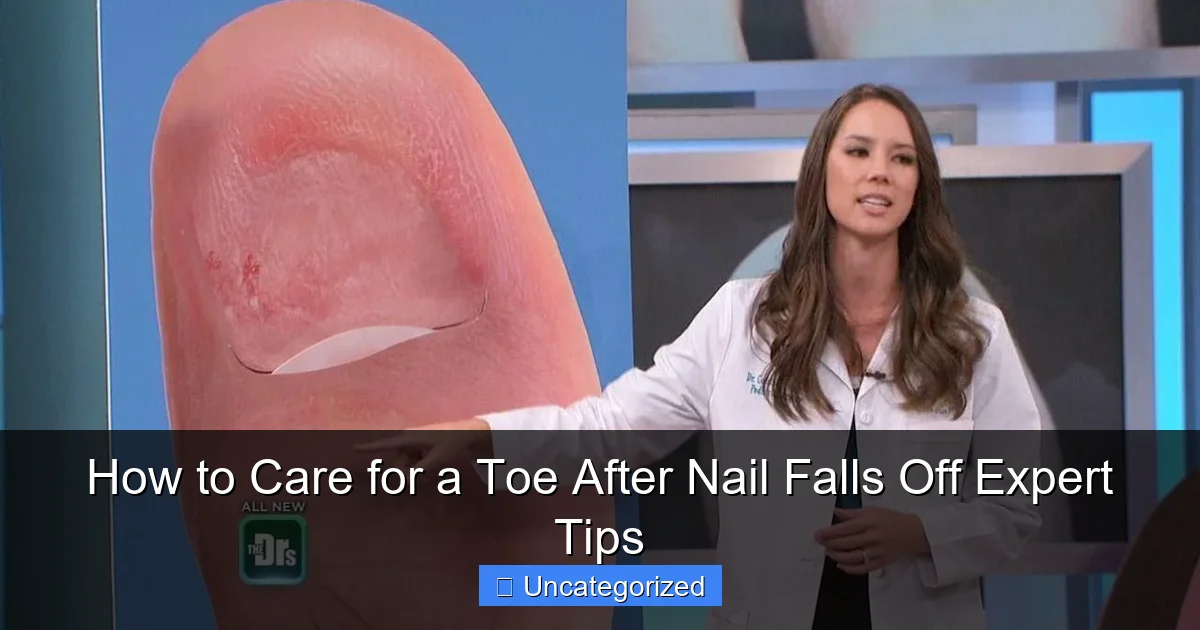
Featured image for how to care for a toe after nail falls off
Image source: i.ytimg.com
Keep the area clean and dry to prevent infection after a toenail falls off—this is the most critical step in promoting healing. Apply an antiseptic ointment and cover with a sterile bandage to protect the exposed nail bed, and avoid tight footwear to reduce pressure and irritation. Monitor for signs of infection like redness, swelling, or pus, and consult a healthcare provider if concerns arise.
Key Takeaways
- Keep the area clean: Wash daily with mild soap and water to prevent infection.
- Apply antibiotic ointment: Use to protect the exposed nail bed and promote healing.
- Wear breathable footwear: Choose open-toed shoes to reduce pressure and moisture buildup.
- Monitor for signs of infection: Redness, swelling, or pus require immediate medical attention.
- Avoid picking or peeling: Let the nail shed naturally to avoid further damage.
- Trim carefully: If needed, use sterile tools to gently cut loose nail pieces.
📑 Table of Contents
- Understanding the Situation: What Happens When a Toenail Falls Off?
- Immediate Steps After Nail Loss: First Aid and Pain Management
- Preventing Infection: Hygiene and Environmental Control
- Promoting Nail Regrowth: Nutrition, Supplements, and Medical Support
- Managing Daily Activities and Long-Term Care
- When to See a Doctor: Red Flags and Professional Care
- Conclusion: Healing with Care and Patience
Understanding the Situation: What Happens When a Toenail Falls Off?
Few things are more unsettling than noticing a toenail has detached from your toe, whether due to trauma, fungal infection, or a long-term medical condition. A missing toenail isn’t just a cosmetic concern—it can expose sensitive skin, increase the risk of infection, and cause discomfort during daily activities like walking or wearing shoes. The toenail serves as a protective shield, and its absence leaves the underlying tissue vulnerable. While losing a toenail is not uncommon, proper care is essential to promote healing, prevent complications, and support regrowth.
Whether you’ve experienced a sudden injury—like dropping a heavy object on your foot—or have been dealing with chronic issues like onycholysis (nail separation) due to psoriasis or diabetes, knowing how to care for a toe after nail falls off is crucial. The healing process typically takes months, as toenails grow slowly (about 1-3 millimeters per month). During this time, your foot requires consistent attention to maintain hygiene, reduce pain, and avoid secondary infections. This guide provides expert-backed strategies to manage the condition effectively, from immediate first aid to long-term care, ensuring your toe heals safely and your new nail grows back strong.
Immediate Steps After Nail Loss: First Aid and Pain Management
1. Stay Calm and Assess the Injury
The first reaction to a fallen toenail is often panic, especially if there’s bleeding or visible damage. However, staying calm allows you to assess the situation accurately. Check for signs of trauma:
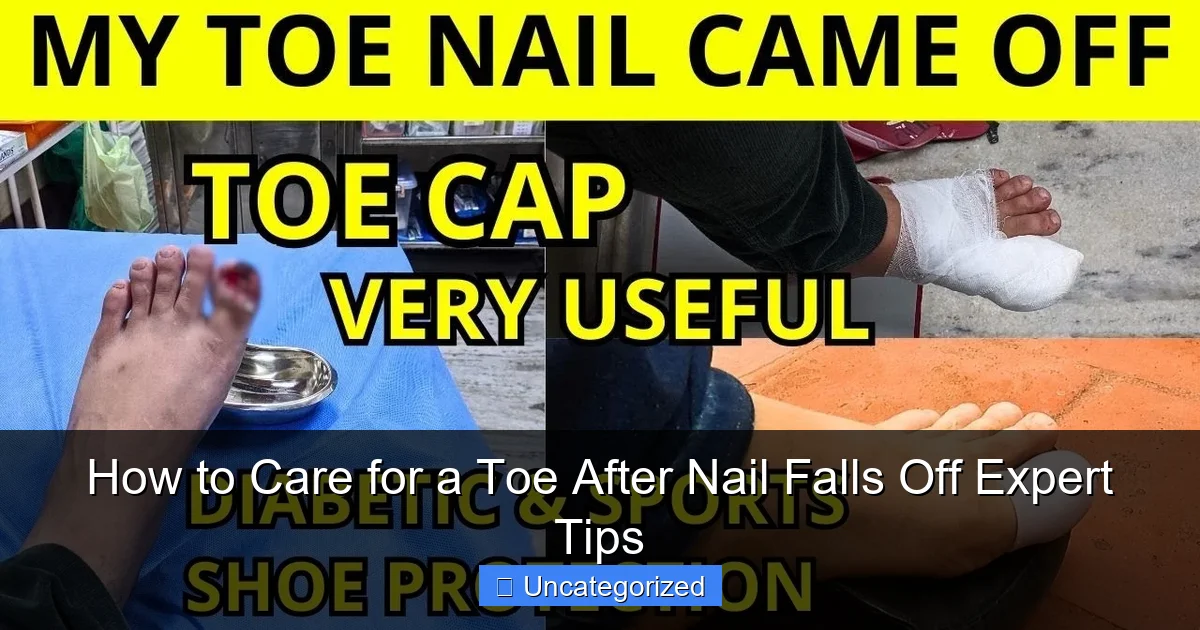
Visual guide about how to care for a toe after nail falls off
Image source: i.ytimg.com
- Is the nail completely detached or partially hanging?
- Is there active bleeding or a deep wound?
- Are there signs of infection (redness, pus, swelling)?
If the injury is severe—such as a crushed toe or heavy bleeding—seek medical attention immediately. For minor cases, proceed with first aid at home.
2. Clean the Area Thoroughly
Cleanliness is paramount to prevent infection. Follow these steps:
- Wash your hands with soap and water.
- Soak the affected toe in warm water with mild antibacterial soap for 10–15 minutes. This softens the skin and loosens debris.
- Gently pat the area dry with a clean towel—avoid rubbing.
- Use a cotton swab to apply an antiseptic solution like povidone-iodine (Betadine) or hydrogen peroxide (diluted to 3%). Avoid alcohol, which can irritate open tissue.
Example: Sarah, a 32-year-old hiker, lost her toenail after her boot rubbed against her toe during a 10-mile trek. She cleaned the toe in a stream using a portable water filter, then applied antiseptic wipes from her first aid kit. This prevented infection during her return trip.
3. Manage Pain and Swelling
To reduce discomfort:
- Apply an over-the-counter (OTC) pain reliever like ibuprofen (Advil) or acetaminophen (Tylenol).
- Elevate your foot above heart level to reduce swelling, especially if you’ve been standing.
- Apply a cold compress wrapped in a cloth for 15 minutes at a time to numb the area.
For persistent pain, consider a topical analgesic like lidocaine gel (5%), but avoid using it on broken skin without consulting a doctor.
4. Protect the Exposed Nail Bed
The nail bed (the skin underneath the nail) is sensitive and prone to drying, cracking, and infection. Cover it with a non-stick sterile dressing or gauze. Secure it with medical tape or a breathable bandage. Change the dressing daily or whenever it becomes wet or soiled.
Tip: Use a hydrocolloid dressing (e.g., DuoDERM) to create a moist healing environment, which accelerates recovery and reduces scarring.
Preventing Infection: Hygiene and Environmental Control
1. Daily Cleaning Routine
Once the initial trauma is managed, establish a strict hygiene protocol:
- Wash daily: Use lukewarm water and mild soap. Avoid scented products that may irritate the skin.
- Soak weekly: Add Epsom salts (½ cup) to warm water and soak for 15 minutes, 2–3 times per week. Epsom salt reduces inflammation and draws out impurities.
- Inspect regularly: Look for early signs of infection—increased redness, warmth, pus, or foul odor.
Example: James, a diabetic patient, lost his toenail due to poor circulation. He soaked his foot nightly and used a magnifying glass to check for cracks. This routine helped him catch early cellulitis and avoid hospitalization.
2. Moisturize the Nail Bed and Surrounding Skin
Exposed nail beds can dry out, leading to painful fissures. Apply a thin layer of:
- Petroleum jelly (Vaseline) to lock in moisture.
- Antifungal creams (e.g., clotrimazole) if fungal infection is suspected.
- Fragrance-free foot lotions (e.g., CeraVe) for surrounding skin.
Warning: Avoid soaking the foot for too long (over 20 minutes), as prolonged moisture can soften the skin and increase infection risk.
3. Choose the Right Footwear
Shoes that are too tight or rub against the toe can delay healing. Opt for:
- Open-toe shoes: Sandals or flip-flops to reduce pressure.
- Wide-toe box shoes: Brands like Altra or Hoka offer extra space.
- Protective toe caps: Soft silicone covers (e.g., ZenToes) shield the toe during activity.
For athletes, wear moisture-wicking socks (e.g., Smartwool) and change them midday if feet sweat heavily.
4. Monitor for Signs of Infection
Infections can escalate quickly. Seek medical help if you notice:
- Spreading redness or streaks (lymphangitis).
- Fever or chills.
- Pus that is yellow, green, or foul-smelling.
- Increasing pain after 48 hours.
A doctor may prescribe oral antibiotics (e.g., cephalexin) or topical treatments.
Promoting Nail Regrowth: Nutrition, Supplements, and Medical Support
1. Understand the Regrowth Timeline
Toenails grow slowly. On average:
- Big toe: 1–2 mm/month (6–12 months for full regrowth).
- Smaller toes: 3–4 months.
Factors affecting growth include age, circulation, and underlying health conditions. For example, a 70-year-old may take twice as long as a 30-year-old to regrow a nail.
2. Optimize Your Diet for Nail Health
Nails are made of keratin, a protein. Support regrowth with:
- Protein: Lean meats, eggs, legumes, and tofu (aim for 0.8–1.2g/kg body weight daily).
- Biotin (B7): Found in eggs, nuts, and sweet potatoes. Deficiency causes brittle nails.
- Iron: Red meat, spinach, and lentils. Iron deficiency leads to spoon-shaped nails (koilonychia).
- Zinc: Oysters, pumpkin seeds, and chickpeas. Zinc aids tissue repair.
- Omega-3s: Fatty fish (salmon), flaxseeds, and walnuts reduce inflammation.
Example: After losing his toenail in a soccer match, 25-year-old Liam increased his protein intake and added a biotin supplement. His nail regrew 25% faster than his doctor’s estimate.
3. Consider Supplements
While food is ideal, supplements can fill gaps:
- Biotin: 2.5–5 mg/day (studies show improved nail strength in 6 months).
- Collagen: 10–15g/day (boosts keratin production).
- Multivitamins: Ensure adequate vitamin C, D, and E for immune and skin health.
Caution: Consult a doctor before starting supplements, especially if you have kidney issues or take medications.
4. Seek Medical Interventions When Needed
For slow or abnormal regrowth:
- Topical treatments: Prescription antifungals (e.g., efinaconazole) or growth stimulants (e.g., tazarotene).
- Platelet-rich plasma (PRP): Injections to accelerate healing (used in sports medicine).
- Nail avulsion: If the nail bed is damaged, a podiatrist may remove the remaining nail to allow even regrowth.
Diabetics or those with poor circulation should see a podiatrist monthly for monitoring.
Managing Daily Activities and Long-Term Care
1. Adjust Your Lifestyle
Healing requires patience. Modify activities to avoid re-injury:
- Walking/running: Use cushioned insoles and avoid uneven terrain.
- Sports: Wear protective toe guards during contact sports (e.g., soccer cleats with reinforced toes).
- Work: If your job requires standing, take breaks to elevate your foot.
Example: Maria, a nurse, used gel toe caps during 12-hour shifts. She also scheduled “foot breaks” to sit and elevate her leg every 2 hours.
2. Protect the Toe During Regrowth
As the new nail emerges:
- Trim it straight across to prevent ingrown nails.
- File sharp edges with an emery board.
- Apply a clear nail hardener (e.g., Nail Tek) to strengthen the new nail.
Avoid nail polish until the nail is fully grown, as it can trap moisture and bacteria.
3. Address Underlying Causes
Recurrent nail loss often signals an underlying issue:
- Fungal infections: Treat with oral antifungals (e.g., terbinafine) for 3–6 months.
- Psoriasis: Use topical steroids or biologics under dermatologist care.
- Trauma: Improve footwear or gait mechanics (e.g., custom orthotics).
- Circulation problems: Manage diabetes, quit smoking, and exercise regularly.
Regular foot exams by a podiatrist are vital for high-risk individuals.
When to See a Doctor: Red Flags and Professional Care
1. Recognize Emergency Signs
Seek immediate medical attention for:
- Uncontrolled bleeding.
- Severe pain unrelieved by OTC meds.
- Signs of systemic infection (fever, chills, confusion).
- Black or blue discoloration of the nail bed (possible hematoma).
In rare cases, a hematoma under the nail bed may require drainage to relieve pressure.
2. Schedule a Podiatry Visit
See a specialist if:
- The nail doesn’t regrow after 6 months.
- You have chronic conditions (diabetes, poor circulation).
- You suspect a tumor (rare but possible in nail bed).
Podiatrists can perform biopsies, debride infected tissue, or prescribe advanced treatments.
3. Data Table: Common Causes and Treatments for Toenail Loss
| Cause | Symptoms | Treatment | Recovery Time |
|---|---|---|---|
| Trauma (e.g., stubbing toe) | Sudden pain, bleeding, bruising | Clean, bandage, OTC pain relief | 6–12 months |
| Fungal infection | Yellow/brown discoloration, thickening | Oral antifungals (terbinafine), topical creams | 6–18 months |
| Psoriasis | Pitting, crumbling, separation | Topical steroids, light therapy | Variable (chronic) |
| Diabetes (neuropathy) | Ulcers, poor healing, numbness | Glycemic control, wound care | Extended (monitor closely) |
| Ingrown nail | Redness, pus, swelling | Soaking, antibiotics, minor surgery | 3–6 months |
Note: Recovery time varies based on age, health, and adherence to care.
Conclusion: Healing with Care and Patience
Losing a toenail is more than a minor inconvenience—it’s a process that demands vigilance, hygiene, and self-care. While the journey to regrowth can take months, the steps outlined in this guide empower you to manage the condition effectively. From the immediate first aid of cleaning and dressing the wound to long-term strategies like nutrition, footwear adjustments, and medical follow-ups, every action contributes to a successful recovery.
Remember, your foot is resilient. By prioritizing cleanliness, protecting the exposed nail bed, and addressing underlying health issues, you not only prevent complications but also support the growth of a stronger, healthier nail. Whether you’re an athlete, a diabetic, or simply someone recovering from an accident, consistency is key. Monitor your progress, listen to your body, and don’t hesitate to seek professional help when red flags arise. With patience and care, your toe will heal—and your confidence in every step will return.
Frequently Asked Questions
How do I care for a toe after nail falls off to prevent infection?
Keep the area clean and dry, washing it gently with mild soap and water daily. Apply an over-the-counter antibiotic ointment and cover it with a sterile bandage to protect the exposed nail bed.
Is it normal for the toe to hurt after the nail falls off?
Mild pain or sensitivity is common due to exposed tissue, but severe or worsening pain may indicate infection. Monitor for redness, swelling, or pus, and consult a doctor if these symptoms appear.
How long does it take for a new nail to grow after the old one falls off?
Nails grow slowly—about 1–2 millimeters per month for toes—so regrowth can take 6–12 months. Proper toe care after nail falls off (like avoiding trauma and keeping it moisturized) can support healthy growth.
Should I bandage my toe after the nail falls off?
Yes, a clean bandage shields the sensitive nail bed from dirt and friction, especially if you’re active or wearing tight shoes. Change the bandage daily or whenever it gets wet or dirty.
What home remedies help soothe a toe after nail loss?
Soak the toe in warm salt water (1 tsp salt per cup) for 15 minutes to reduce inflammation. Avoid harsh chemicals or nail polish, and opt for moisturizers like petroleum jelly to prevent dryness.
When should I see a doctor for my toe after the nail falls off?
Seek medical help if you notice signs of infection (fever, pus, throbbing pain) or if you have diabetes or poor circulation. A podiatrist can guide proper toe care after nail falls off to avoid complications.