
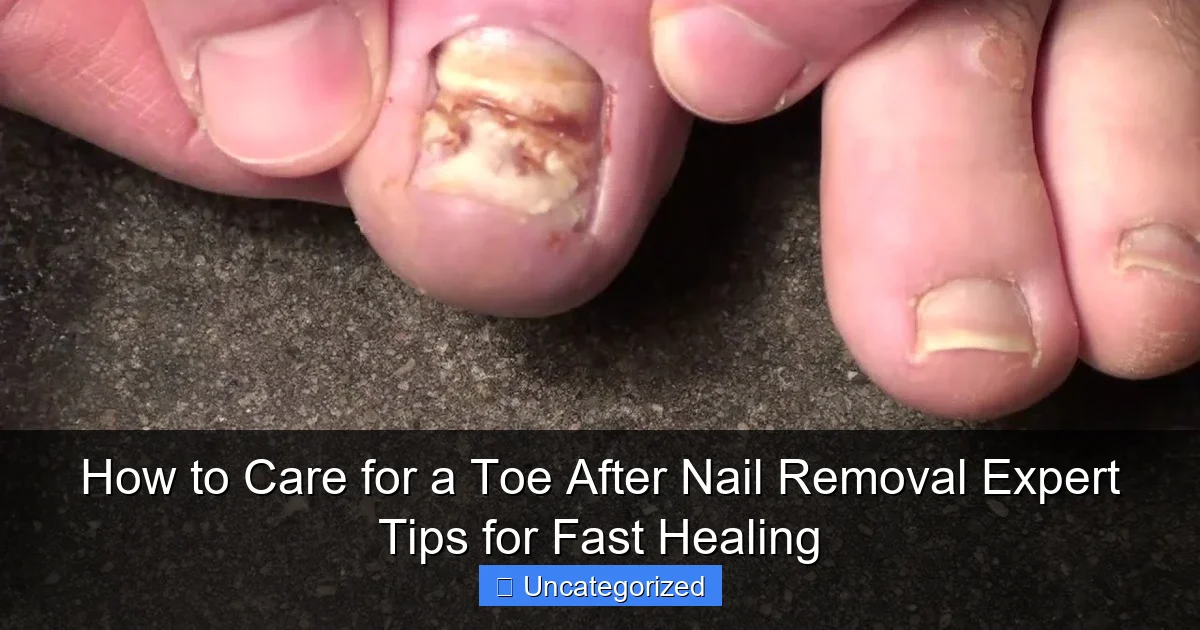
Featured image for how to care for a toe after nail removal
Image source: i.ytimg.com
Keep the area clean and dry to prevent infection and promote faster healing after toenail removal. Elevate your foot and apply antibiotic ointment regularly to reduce swelling and protect the exposed nail bed. Avoid tight footwear and follow your podiatrist’s aftercare instructions closely for optimal recovery.
Key Takeaways
- Keep it clean: Wash the area gently with mild soap and water twice daily.
- Elevate when possible: Reduce swelling by propping your foot up regularly.
- Apply antibiotic ointment: Prevent infection with a thin layer after cleaning.
- Wear loose footwear: Choose open-toed shoes to avoid pressure and irritation.
- Monitor for signs: Seek medical help if redness, pus, or severe pain appears.
- Avoid picking scabs: Let the nail bed heal naturally without interference.
📑 Table of Contents
- How to Care for a Toe After Nail Removal: Expert Tips for Fast Healing
- Understanding the Nail Removal Procedure and Immediate Aftercare
- Daily Wound Care and Hygiene Practices
- Pain Management and Swelling Reduction
- Footwear and Activity Modifications for Optimal Healing
- Long-Term Care and Prevention of Recurrence
- Conclusion: Your Path to Full Recovery
How to Care for a Toe After Nail Removal: Expert Tips for Fast Healing
Few experiences are as uncomfortable as dealing with a painful ingrown toenail, and when conservative treatments fail, nail removal becomes a necessary solution. Whether you’ve undergone a partial nail avulsion (removal of part of the nail) or a complete nail removal due to chronic ingrown nails, fungal infections, or trauma, proper post-procedure care is essential to prevent complications and promote swift healing. The toe, particularly the big toe, bears significant weight and is prone to friction and pressure, making recovery a delicate process. Without the right care, you risk infection, delayed healing, or even recurrence of the original problem.
The good news? With the right knowledge and a consistent aftercare routine, you can dramatically reduce recovery time, minimize discomfort, and get back on your feet faster. This comprehensive guide will walk you through every step of how to care for a toe after nail removal, from the first 24 hours to full recovery. We’ll cover essential hygiene practices, pain management, signs of complications, footwear recommendations, and long-term prevention strategies. Whether your procedure was performed by a podiatrist or a dermatologist, these expert-backed tips will help you heal effectively and avoid future nail issues. Let’s dive into the science and practical steps behind optimal toe recovery.
Understanding the Nail Removal Procedure and Immediate Aftercare
Types of Nail Removal: What to Expect
Before diving into care routines, it’s important to understand the type of procedure you’ve undergone. There are two primary types of nail removal:
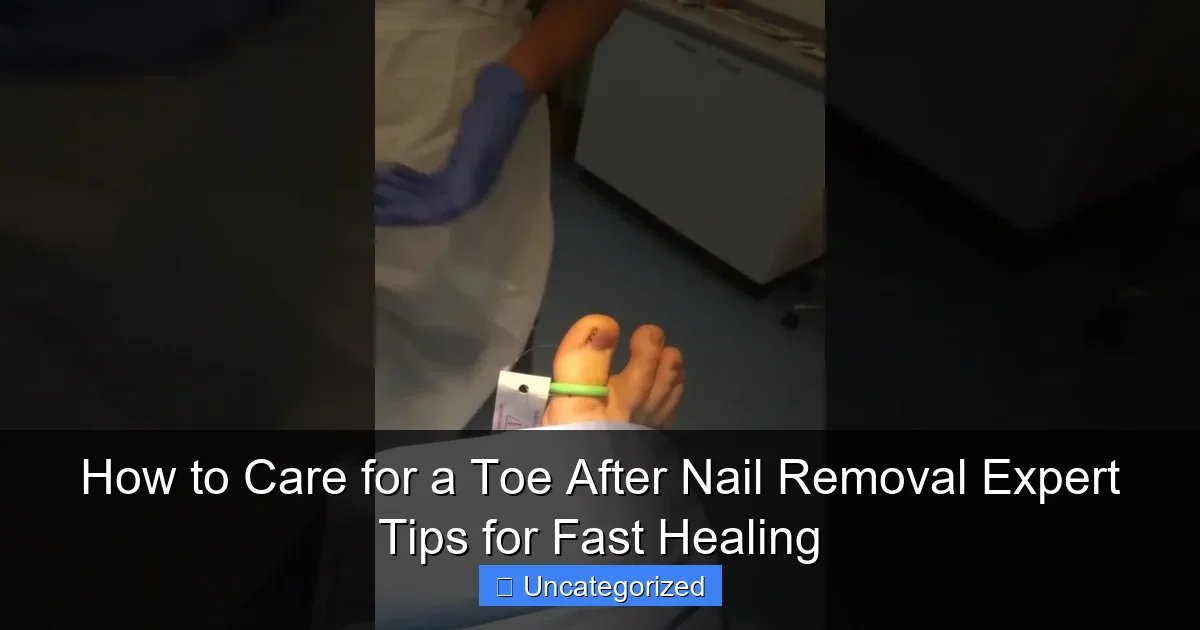
Visual guide about how to care for a toe after nail removal
Image source: i.ytimg.com
- Partial Nail Avulsion: Only the problematic section of the nail (usually the ingrown corner) is removed. The rest of the nail remains intact. This is the most common approach for ingrown toenails.
- Complete Nail Avulsion: The entire toenail is removed, often due to severe infection, trauma, or repeated ingrown episodes. In some cases, a matrixectomy (chemical or surgical destruction of the nail root) is performed to prevent regrowth.
Both procedures are typically outpatient and performed under local anesthesia. After the nail is removed, the podiatrist will clean the area, apply antiseptic, and dress the wound to protect it during initial healing.
First 24 Hours: Critical Care Window
The first day after nail removal is the most crucial. During this time, the wound is highly vulnerable to contamination and swelling. Follow these steps immediately after your procedure:
- Rest and Elevate: Keep your foot elevated above heart level for at least 2–4 hours post-surgery to reduce swelling. Use pillows to prop your leg up while lying down.
- Avoid Weight-Bearing: Limit walking and standing. If you must walk, use crutches or a walking boot to keep pressure off the affected toe.
- Keep the Dressing Intact: Do not remove the initial bandage or dressing applied by your doctor for at least 24–48 hours unless instructed otherwise. This protects the exposed nail bed from bacteria and debris.
- Ice Therapy: Apply a cold pack wrapped in a cloth to the toe for 15–20 minutes every hour during the first 6–8 hours. This reduces inflammation and numbs pain.
- Pain Management: Take prescribed or over-the-counter pain relievers (e.g., ibuprofen or acetaminophen) as directed. Avoid aspirin, which can increase bleeding.
Example: Sarah, a 32-year-old teacher, had a partial nail avulsion on her right big toe. She elevated her foot for 3 hours post-procedure, used crutches for 24 hours, and took ibuprofen every 6 hours. By day two, her pain had dropped from 8/10 to 3/10 on the pain scale.
Signs of Normal vs. Abnormal Post-Procedure Symptoms
Some discomfort, mild swelling, and slight bleeding are normal. However, watch for these red flags that require immediate medical attention:
- Severe, throbbing pain that worsens after day 2
- Excessive bleeding (soaking through the dressing)
- Pus or foul-smelling discharge
- Red streaks spreading from the toe
- Fever above 100.4°F (38°C)
- Numbness or tingling that doesn’t improve
If any of these occur, contact your healthcare provider immediately. Early intervention prevents serious complications like cellulitis or osteomyelitis (bone infection).
Daily Wound Care and Hygiene Practices
Changing Dressings and Cleaning the Toe
After the initial 24–48 hours, you’ll begin changing the dressing daily or as directed by your doctor. Here’s a step-by-step guide:
- Wash Hands: Use soap and warm water for at least 20 seconds.
- Remove Old Dressing: Gently peel it off. If it sticks, soak it with sterile saline or warm water to loosen.
- Clean the Area: Use a cotton swab or gauze pad soaked in saline solution (1 tsp salt in 1 cup warm water) or mild antiseptic (e.g., chlorhexidine 0.05%). Gently wipe around the wound, avoiding direct pressure on the nail bed.
- Rinse and Dry: Rinse with clean water and pat dry with a sterile gauze pad. Never rub.
- Apply Antibiotic Ointment: Use a thin layer of polymyxin B or bacitracin to prevent infection. Avoid neomycin, which can cause allergic reactions.
- Re-Dress the Wound: Cover with a non-stick gauze pad and secure with medical tape or a toe cap. Change the dressing daily or more often if it becomes wet or soiled.
Tip: Use a toe protector (available at pharmacies) to shield the toe from accidental bumps and friction in shoes.
Bathing and Showering: Keeping the Toe Dry and Clean
Water exposure is a major concern during healing. Moisture can soften the wound, increase infection risk, and delay healing. Follow these bathing guidelines:
- Use a Waterproof Cover: Seal the foot with a plastic bag secured with rubber bands or use a commercial waterproof cast cover. Ensure no water leaks in.
- Short Showers: Limit showers to 5–10 minutes. Avoid baths, hot tubs, and swimming pools for at least 2–3 weeks.
- Dry Thoroughly: After showering, remove the cover and dry the toe completely with a clean towel. Use a hair dryer on a cool setting to blow air into the dressing.
- Avoid Soaps on the Wound: Let soapy water run over the foot, but don’t scrub the toe directly.
Example: James, a construction worker, used a waterproof boot cover for 14 days post-nail removal. He showered daily but kept his foot dry, and his wound healed without complications.
Moisture Control and Preventing Maceration
Excess moisture (maceration) can break down skin and delay healing. To prevent this:
- Change dressings immediately if they become damp
- Use absorbent padding (e.g., cotton balls) between the toe and dressing if drainage is light
- Avoid tight socks that trap sweat
- Use antifungal powder if you’re prone to foot moisture
Pain Management and Swelling Reduction
Medications and Natural Remedies
Effective pain control is key to staying active in your recovery. Combine pharmaceutical and natural approaches:
- Over-the-Counter (OTC) Medications:
- Ibuprofen (Advil, Motrin): Reduces pain and inflammation. Take 200–400 mg every 6–8 hours as needed.
- Acetaminophen (Tylenol): Pain relief without anti-inflammatory effects. Use 500–1000 mg every 6 hours (max 3000 mg/day).
- Prescription Medications: For severe pain, your doctor may prescribe a short course of opioids (e.g., codeine or oxycodone). Use sparingly and only as directed.
- Natural Options:
- Cold Therapy: Ice packs (15–20 min, 3–4 times/day) for first 3–5 days.
- Epsom Salt Soaks: After day 5, soak the foot in warm water with 1/2 cup Epsom salt for 15 minutes, 2–3 times/week. This reduces swelling and soothes the area.
- Arnica Gel: Topical arnica may reduce bruising and inflammation (avoid on open wounds).
Tip: Take pain relievers with food to avoid stomach upset. Avoid alcohol while using medications.
Elevation and Compression Techniques
Swelling peaks within 48–72 hours and can last up to 2 weeks. Reduce it with:
- Elevation: Keep the foot raised above heart level for 20–30 minutes, 3–4 times/day.
- Compression Socks: Wear light compression stockings (15–20 mmHg) during the day to improve circulation. Remove at night.
- Toe Elevators: Use foam or gel toe props while lying down to lift the toe slightly.
Example: Maria, a nurse, wore compression socks for 10 days post-procedure and elevated her foot during breaks. Her swelling decreased by 50% within a week.
When to Seek Medical Help for Pain
Contact your doctor if:
- Pain doesn’t improve with medication after 3–4 days
- Swelling increases after day 5
- You develop sharp, shooting pain (possible nerve irritation)
- Redness spreads beyond the toe
Footwear and Activity Modifications for Optimal Healing
Choosing the Right Shoes
Footwear plays a critical role in healing. The wrong shoes can delay recovery or cause re-injury. Follow these guidelines:
- Wear Open-Toe or Extra-Depth Shoes: Sandals, Crocs, or shoes with wide toe boxes reduce pressure. Avoid pointed or narrow shoes.
- Use Protective Toe Caps: Silicone or gel toe protectors cushion the nail bed and prevent accidental bumps.
- Opt for Soft, Flexible Materials: Choose shoes made of mesh, leather, or breathable fabrics. Avoid rigid soles.
- Consider Orthotics: If you have flat feet or high arches, use custom or OTC orthotic inserts to distribute pressure evenly.
Tip: Wear socks with extra padding on the toes (e.g., “diabetic socks”) to reduce friction.
Activity Restrictions and Safe Movement
Your activity level depends on the procedure type and healing progress:
- First 3–5 Days: Limit walking. Use crutches, a cane, or a knee scooter if needed. Avoid stairs.
- Days 5–14: Gradually increase walking as tolerated. Use a walking boot if prescribed.
- After 2 Weeks: Resume light activities (e.g., walking, cycling). Avoid running, jumping, or high-impact sports for 4–6 weeks.
- Work Considerations: If your job involves standing or walking, request temporary modified duties. Use anti-fatigue mats if standing is unavoidable.
Example: David, a delivery driver, took 7 days off work and used a knee scooter for mobility. He returned to light duty after 2 weeks and wore a toe protector in his work boots.
Exercises to Promote Circulation and Healing
Gentle movement improves blood flow to the foot and prevents stiffness:
- Toe Flexes: Gently bend and straighten the toes 10–15 times, 3 times/day.
- Ankle Circles: Rotate the ankle clockwise and counterclockwise 10 times, 3 times/day.
- Heel Raises: Stand with support and slowly rise onto your toes, then lower. Repeat 10 times.
Stop any exercise that causes pain or swelling.
Long-Term Care and Prevention of Recurrence
Monitoring Healing and Nail Regrowth
Healing timelines vary based on the procedure:
| Procedure Type | Initial Healing (Wound Closure) | Full Recovery (No Pain/Swelling) | Nail Regrowth |
|---|---|---|---|
| Partial Nail Avulsion | 7–14 days | 2–4 weeks | 3–6 months (regrows fully) |
| Complete Nail Avulsion (with matrixectomy) | 10–14 days | 4–6 weeks | No regrowth (permanent) |
| Complete Nail Avulsion (no matrixectomy) | 10–14 days | 4–6 weeks | 6–12 months (may regrow irregularly) |
Preventing Future Ingrown Toenails
Recurrence is common without proper prevention. Follow these steps:
- Trim Nails Properly: Cut straight across (not rounded) using sterilized clippers. Leave 1–2 mm of white nail visible.
- Wear Proper-Fitting Shoes: Ensure there’s 1/2 inch of space between the longest toe and the shoe end.
- Maintain Foot Hygiene: Wash feet daily, dry thoroughly (especially between toes), and use antifungal powder if prone to moisture.
- Moisturize: Apply foot cream to prevent cracked skin, which can harbor bacteria.
- Regular Podiatrist Visits: See a foot specialist annually if you have a history of nail issues.
Tip: Soak feet in warm water with Epsom salt weekly to soften nails and reduce pressure.
When to Consider Permanent Solutions
If you’ve had multiple ingrown nails, discuss long-term options with your podiatrist:
- Chemical Matrixectomy: Phenol is applied to the nail root to prevent regrowth. Success rate: 85–95%.
- Surgical Matrixectomy: The nail root is surgically removed. Used for severe cases.
- Matrix Grafting: A small skin graft is used to cover the nail bed. Rarely used.
These procedures reduce recurrence risk but require 4–6 weeks of recovery.
Conclusion: Your Path to Full Recovery
Caring for a toe after nail removal is more than just changing bandages—it’s a holistic process that combines medical guidance, daily diligence, and lifestyle adjustments. By following the expert tips outlined in this guide, you can significantly accelerate healing, minimize complications, and return to your normal activities with confidence. Remember: how to care for a toe after nail removal hinges on three pillars—hygiene, pain management, and protection. Clean your wound daily, stay vigilant for signs of infection, manage swelling with elevation and cold therapy, and choose footwear that gives your toe space to heal.
While recovery timelines vary, most people see noticeable improvement within 2 weeks and full healing in 4–6 weeks. Use this period to build healthy foot habits—proper nail trimming, moisture control, and regular foot exams—to prevent future issues. And if pain, swelling, or discharge persists beyond expectations, don’t hesitate to consult your podiatrist. Your feet carry you through life; treat them with the care they deserve. With patience and consistency, you’ll be back on your feet, pain-free, and ready to step forward with renewed comfort.
Frequently Asked Questions
How do I care for a toe after nail removal to prevent infection?
Keep the area clean and dry, washing gently with mild soap and water daily. Apply an antibiotic ointment and cover with a sterile bandage to protect it from bacteria.
What should I avoid after toenail removal to speed up healing?
Avoid tight shoes, excessive walking, or soaking the foot in water (like baths or pools) for the first 48–72 hours. These can irritate the wound and delay healing.
How long does it take for a toe to heal after nail removal?
Most people heal within 1–2 weeks, but full recovery may take up to 6–8 weeks depending on the extent of the procedure. Consistent aftercare helps ensure a faster recovery.
Can I walk normally after toenail removal?
Yes, but wear open-toed or loose-fitting shoes to reduce pressure on the toe. Limit prolonged standing or walking for the first few days to avoid discomfort and swelling.
When should I see a doctor about my toe after nail removal?
Seek medical help if you notice signs of infection, like increased redness, pus, fever, or severe pain. These symptoms require prompt attention to avoid complications.
What home remedies can help with swelling and pain after nail removal?
Elevate your foot and apply a cold compress for 15-minute intervals to reduce swelling. Over-the-counter pain relievers like ibuprofen can also help manage discomfort safely.