
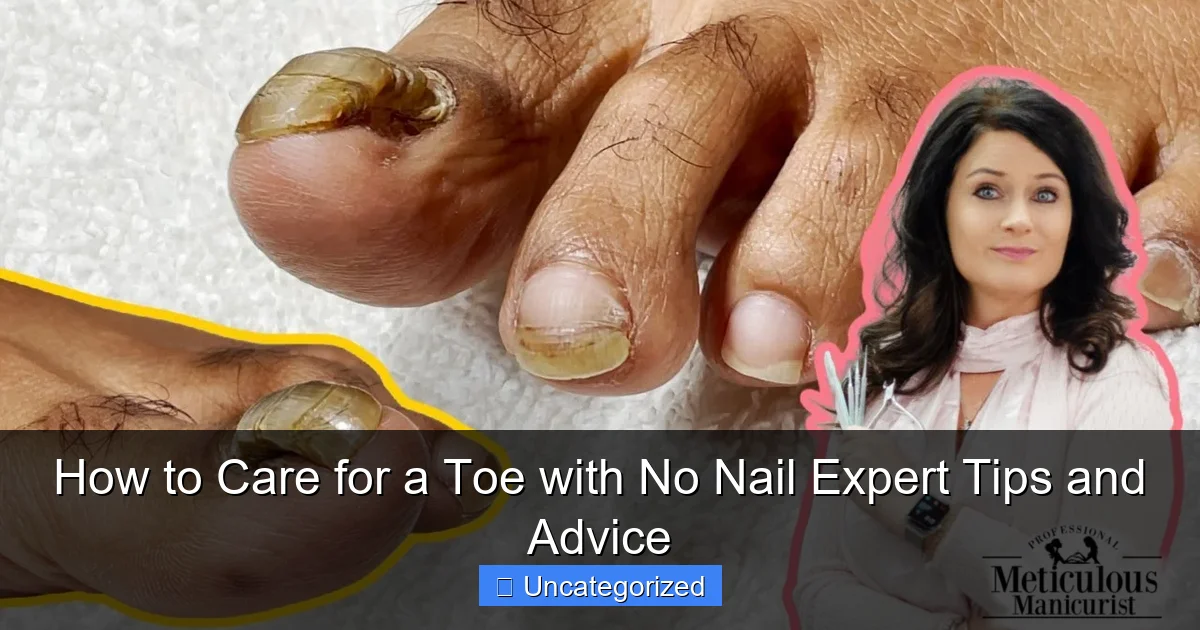
Featured image for how to care for a toe with no nail
Image source: i.ytimg.com
Protect the exposed nail bed immediately to prevent infection and promote healing by keeping the toe clean, dry, and covered with a sterile bandage. Moisturize daily with a healing ointment like petroleum jelly to reduce cracking and support tissue repair, while avoiding tight footwear that can cause further trauma. Stay vigilant for signs of infection and consult a podiatrist if pain or swelling persists.
Key Takeaways
- Keep it clean: Wash daily with mild soap to prevent infection.
- Moisturize regularly: Apply foot cream to avoid dry, cracked skin.
- Protect the area: Wear cushioned socks to reduce friction and pressure.
- Avoid trauma: Choose wide-toe shoes to prevent further damage.
- Monitor closely: Watch for redness or swelling indicating infection.
- Seek expert help: Consult a podiatrist for persistent pain or issues.
📑 Table of Contents
- Understanding the Condition: What Happens When a Toe Loses Its Nail?
- Immediate First Aid and Initial Care Steps
- Daily Maintenance and Hygiene Practices
- Preventing Infection and Complications
- Nutrition and Lifestyle Support for Nail Regrowth
- When to See a Doctor and Long-Term Care
- Conclusion: Patience, Care, and Prevention Are Key
Understanding the Condition: What Happens When a Toe Loses Its Nail?
Imagine waking up one morning to discover that your toenail—once a sturdy shield for the delicate tip of your toe—is gone. Whether due to trauma, infection, or a medical condition, losing a toenail can be both alarming and uncomfortable. The absence of this protective layer leaves the soft tissue of the toe vulnerable to pressure, friction, and environmental hazards. While toenails are often taken for granted, they serve a critical role in safeguarding the nail bed, cushioning the toe during movement, and aiding in balance. When a toenail is missing, whether temporarily or permanently, proper care becomes essential to prevent complications and promote healing.
Toenail loss, medically known as onycholysis when the nail detaches or avulsion when it’s completely removed, can result from a variety of causes. These include stubbing your toe, dropping a heavy object on your foot, fungal infections (onychomycosis), psoriasis, repetitive microtrauma (common in runners or those who wear ill-fitting shoes), or even medical procedures such as nail removal for ingrown toenails. Regardless of the cause, the exposed nail bed and soft tissue require immediate attention. Without a nail, the toe is at higher risk for infection, pain, and delayed healing. This blog post will guide you through expert-backed strategies to care for a toe with no nail, helping you manage discomfort, prevent complications, and support the regrowth process.
Immediate First Aid and Initial Care Steps
Assess the Severity and Cause
The first step in caring for a toe with no nail is to determine why the nail is missing. Was it due to a sudden injury, or is it a gradual detachment from an underlying condition? If the nail came off after a traumatic event—like a heavy object falling on your foot—check for signs of fracture, such as severe swelling, bruising, or inability to bear weight. In such cases, seek medical attention immediately. For gradual detachment, especially if accompanied by discoloration or thickening, a fungal infection or psoriasis may be the culprit. Consulting a podiatrist or dermatologist early can prevent long-term damage.
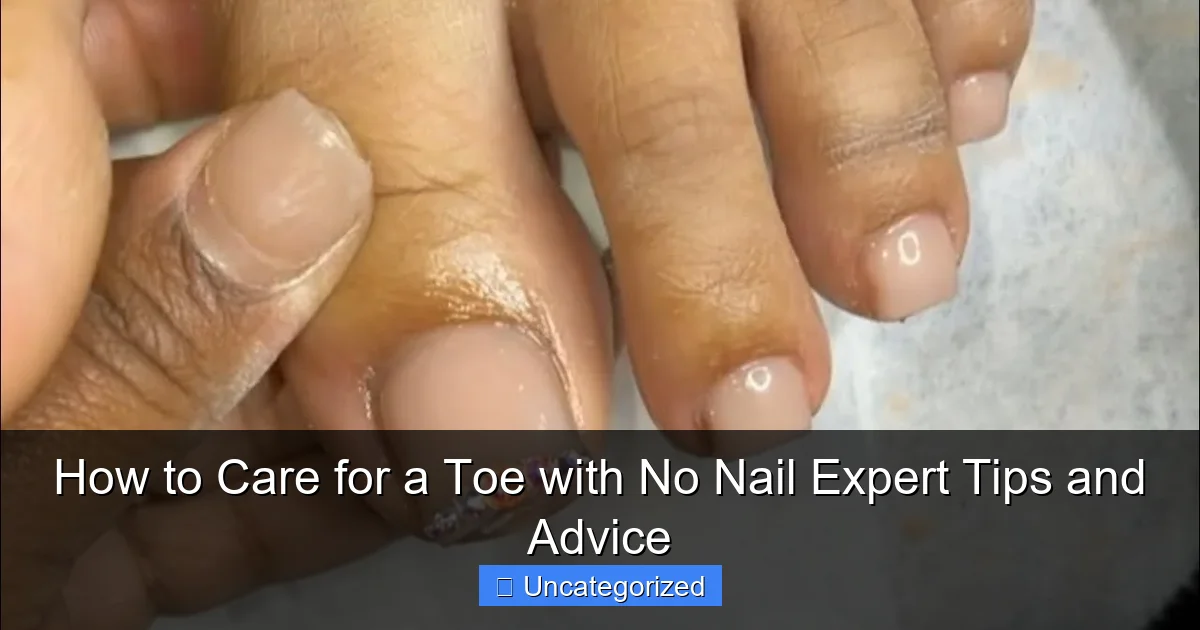
Visual guide about how to care for a toe with no nail
Image source: i.ytimg.com
For minor, non-traumatic cases, begin with gentle assessment. Look for:
- Active bleeding: Apply gentle pressure with a clean cloth or sterile gauze.
- Signs of infection: Redness, warmth, pus, or foul odor.
- Exposed nail bed: The area may appear shiny, pink, or raw.
Clean and Protect the Area
Once you’ve assessed the toe, clean it thoroughly to reduce infection risk. Use the following steps:
- Wash your hands with soap and water.
- Soak the affected foot in a warm Epsom salt bath (1/2 cup of Epsom salt per gallon of warm water) for 10–15 minutes. This helps reduce inflammation and gently cleanses the area.
- Gently pat the toe dry with a clean, lint-free towel. Avoid rubbing.
- Apply an over-the-counter antibiotic ointment (e.g., Neosporin or Polysporin) to the exposed nail bed. This creates a protective barrier against bacteria.
- Cover the toe with a non-stick sterile pad or hydrocolloid dressing. Secure it with medical tape or a loose toe sleeve. Avoid tight bandages that restrict circulation.
Pro Tip: Use a “toe cap” or “toe sleeve” made of silicone or fabric. These are available at pharmacies or online and offer cushioning without constricting the toe. They’re especially helpful if you need to wear shoes.
Manage Pain and Swelling
Pain and swelling are common after nail loss. To manage them:
- Take over-the-counter pain relievers like ibuprofen (Advil) or acetaminophen (Tylenol) as directed.
- Elevate your foot above heart level for 15–20 minutes several times a day to reduce swelling.
- Apply a cold compress (wrapped in a cloth) for 10–15 minutes to numb the area and constrict blood vessels.
Example: Sarah, a 34-year-old nurse, lost her toenail after stubbing it on a cabinet. She soaked her foot in Epsom salt, applied Polysporin, and wore a silicone toe cap under her work shoes. She reported significant pain reduction within 48 hours and avoided infection by changing the dressing daily.
Daily Maintenance and Hygiene Practices
Keep the Toe Clean and Dry
Hygiene is paramount when caring for a toe with no nail. The exposed nail bed is highly susceptible to moisture buildup, which can lead to bacterial or fungal growth. Follow these daily routines:
- Wash daily: Use mild soap and lukewarm water. Gently clean around the toe, avoiding harsh scrubbing.
- Dry thoroughly: After washing or showering, use a soft towel or cotton swab to dry the toe and adjacent areas. Pay special attention to the web spaces between toes.
- Change dressings daily: Replace the sterile pad or hydrocolloid dressing every 24 hours or sooner if it becomes damp or soiled.
For added protection, consider using antifungal powder (e.g., Zeasorb or Lotrimin) on the surrounding skin, especially if you’re prone to athlete’s foot. This helps prevent secondary infections.
Choose the Right Footwear
Shoes play a crucial role in protecting a vulnerable toe. Ill-fitting or tight footwear can cause friction, pressure, and further trauma. Follow these guidelines:
- Wear wide-toe box shoes that allow your toes to move freely without compression.
- Avoid high heels, pointed toes, or rigid materials that press on the toe.
- Opt for breathable fabrics like mesh or leather to reduce moisture.
- Use protective toe caps or foam toe guards inside your shoes. These act as shock absorbers.
Real-World Tip: James, a marathon runner, lost a toenail after a long training run. He switched to trail-running shoes with extra toe room and wore silicone toe sleeves during races. His toe healed in six weeks without complications.
Moisturize and Support Healing
The exposed nail bed can dry out and crack, leading to pain and delayed healing. To maintain moisture:
- Apply petroleum jelly (Vaseline) or aloe vera gel to the nail bed after cleaning. These are safe, non-irritating, and promote skin integrity.
- Use a humectant-rich moisturizer on the surrounding skin (avoid the open wound) to prevent dryness and cracking.
- Consider vitamin E oil or calendula ointment for their healing properties, but only after the initial healing phase (usually after 3–5 days).
Note: Avoid using hydrogen peroxide or alcohol, as they can damage healthy tissue and delay healing.
Preventing Infection and Complications
Recognize Early Signs of Infection
Infection is the most common complication when a toenail is missing. Watch for these warning signs:
- Increasing redness, warmth, or swelling around the toe
- Pus or yellowish discharge
- Foul odor
- Throbbing pain that worsens over time
- Fever or chills (indicating systemic infection)
If any of these symptoms appear, seek medical attention immediately. A podiatrist may prescribe oral antibiotics or perform wound debridement to prevent cellulitis or abscess formation.
Use Antimicrobial Treatments
To proactively reduce infection risk:
- Apply iodine-based antiseptics (e.g., Betadine) sparingly to the nail bed once daily. Dilute as directed to avoid irritation.
- Use silver-impregnated dressings, which have natural antimicrobial properties. These are available at pharmacies or online.
- Consider topical antifungal creams if there’s a history of fungal infections or if the toe is in a moist environment (e.g., sweaty shoes).
Example: Maria, 58, had her toenail removed due to a chronic ingrown nail. Her podiatrist recommended a silver dressing and daily iodine swabs. She avoided infection and healed completely in eight weeks.
Avoid Trauma and Friction
Protect your toe from further injury:
- Wear open-toed sandals at home to minimize pressure.
- Use toe spacers or foam padding to prevent adjacent toes from rubbing against the injured one.
- Avoid high-impact activities (e.g., jumping, running) until the toe is stable and pain-free.
- Trim adjacent toenails straight across to prevent them from catching on the injured toe.
Nutrition and Lifestyle Support for Nail Regrowth
Essential Nutrients for Nail Health
While the nail bed heals, supporting regrowth with proper nutrition is crucial. Nails are made of keratin, a protein, so your diet must include:
- Protein: Lean meats, eggs, beans, lentils, and Greek yogurt provide amino acids needed for keratin synthesis.
- Biotin (Vitamin B7): Found in eggs, almonds, sweet potatoes, and avocados. Biotin deficiency is linked to brittle nails.
- Iron: Red meat, spinach, and fortified cereals prevent anemia, which can delay healing.
- Zinc: Oysters, pumpkin seeds, and chickpeas support tissue repair and immune function.
- Omega-3 Fatty Acids: Salmon, flaxseeds, and walnuts reduce inflammation and promote healthy skin and nail growth.
Consider a multivitamin or nail-specific supplement (e.g., with biotin, collagen, and zinc) if your diet is lacking. Always consult a doctor before starting supplements, especially if you have kidney or liver issues.
Hydration and Circulation
Hydration is often overlooked but vital for healing. Dehydrated skin and nails heal slower. Aim for:
- 6–8 glasses of water daily, more if active or in hot climates.
- Limit diuretics like caffeine and alcohol, which can dehydrate the body.
Improved circulation also accelerates healing. Try:
- Gentle foot exercises: Toe curls, ankle circles, or walking barefoot on soft surfaces.
- Massage: Use light pressure to stimulate blood flow to the toes.
- Warm foot soaks (without Epsom salt after the first week) to relax muscles and enhance circulation.
Lifestyle Adjustments
Reduce stress, as chronic stress can impair immune function and slow healing. Practice mindfulness, yoga, or deep breathing. Also:
- Quit smoking: Nicotine constricts blood vessels, reducing oxygen delivery to healing tissues.
- Maintain a healthy weight: Excess pressure on the feet can delay recovery.
When to See a Doctor and Long-Term Care
Red Flags: When to Seek Medical Help
While many cases of toenail loss can be managed at home, certain situations require professional care:
- The nail was removed surgically and shows signs of non-healing after two weeks.
- You have diabetes, peripheral artery disease, or a compromised immune system. These conditions increase infection and poor healing risk.
- Persistent pain, swelling, or foul odor despite home care.
- Black or dark discoloration under the nail bed, which may indicate subungual hematoma or melanoma (rare but serious).
- The nail fails to regrow after six months, suggesting permanent nail matrix damage.
A podiatrist can perform a nail biopsy, prescribe stronger medications, or recommend laser therapy for fungal-related cases.
Long-Term Monitoring and Prevention
Even after healing, monitor the toe for changes:
- Check monthly for new nail growth. It typically regrows at 1–2 mm per month.
- Use nail growth serums (e.g., with peptides or hyaluronic acid) to support regrowth.
- Wear moisture-wicking socks and well-fitted shoes to prevent future trauma.
- Trim toenails straight across and file edges to avoid ingrown nails.
Example: David, 62, had a toenail removed due to chronic fungal infection. After healing, he started using a tea tree oil-based antifungal cream and wore orthotic insoles. His nail regrew healthy and strong over 10 months.
Table: Healing Timeline and Milestones
| Time Since Nail Loss | Expected Milestone | Recommended Action |
|---|---|---|
| 0–3 days | Initial pain, swelling, and raw nail bed | Soak, clean, apply antibiotic ointment, use protective dressing |
| 1–2 weeks | Reduced pain, scab formation | Continue daily hygiene, switch to lighter dressing if no oozing |
| 3–6 weeks | Nail bed healing, early nail regrowth (white spot) | Moisturize, monitor for infection, resume light activity |
| 2–6 months | Visible nail regrowth (1–3 mm/month) | Support with nutrition, protect from trauma, use growth serums |
| 6+ months | Full or partial nail regrowth | Continue preventive care, consult doctor if no regrowth |
Conclusion: Patience, Care, and Prevention Are Key
Caring for a toe with no nail is a journey that demands patience, diligence, and attention to detail. From the immediate aftermath of nail loss to the long-term goal of regrowth, every step you take can influence healing and prevent complications. The absence of a toenail isn’t just a cosmetic concern—it’s a functional vulnerability that requires proactive management. By following expert-recommended practices like daily cleaning, proper footwear, infection prevention, and nutritional support, you can create an optimal environment for healing.
Remember, your feet carry you through life. Treating them with care, especially during vulnerable periods like nail loss, ensures long-term comfort and mobility. Don’t hesitate to consult a healthcare provider if you’re unsure about your symptoms or if healing isn’t progressing as expected. With the right care, most people see their toenail regrow fully within 6–12 months. In the meantime, protect, nourish, and monitor your toe—because every small action today contributes to a stronger, healthier foot tomorrow. Your journey to recovery starts with knowledge, and now, armed with these expert tips, you’re well on your way.
Frequently Asked Questions
How do I care for a toe with no nail to prevent infection?
Keep the area clean and dry, washing daily with mild soap and water. Apply an antiseptic ointment and cover with a sterile bandage to protect the exposed nail bed from bacteria.
What’s the best way to manage pain in a toe with no nail?
Over-the-counter pain relievers like ibuprofen can help, and soaking the foot in warm Epsom salt water may reduce discomfort. Avoid tight shoes to minimize pressure on the sensitive area.
How long does it take for a toenail to regrow after it falls off?
Toenails typically take 6–12 months to fully regrow, depending on age and health. Consistent care for a toe with no nail—like keeping it moisturized and protected—can support healthy regrowth.
Can I walk barefoot if I’m caring for a toe with no nail?
It’s best to avoid barefoot walking to prevent injury or debris from entering the exposed nail bed. Wear open-toed shoes or sandals with soft soles to protect the toe while allowing airflow.
Should I bandage a toe with no nail all the time?
Bandage the toe during the day or when wearing shoes, but let it breathe at night. Change the dressing daily and whenever it gets wet to maintain proper hygiene during care for a toe with no nail.
What home remedies help soothe a toe with no nail?
Soak the foot in warm water with Epsom salts or chamomile tea to reduce inflammation. Apply vitamin E oil or aloe vera gel to keep the skin moisturized and promote healing.