
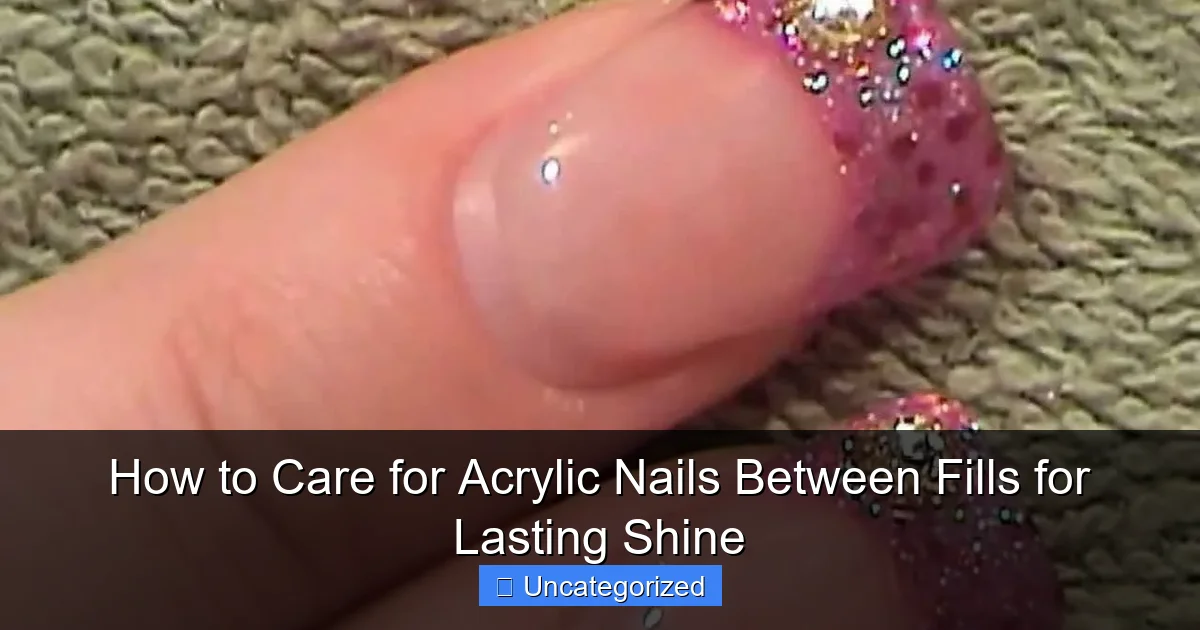
Featured image for how to care for acrylic nails between fills
Image source: i.ytimg.com
Keep your acrylic nails looking fresh between fills by moisturizing daily and avoiding harsh chemicals. Use cuticle oil regularly and wear gloves during chores to prevent lifting, breakage, and dullness—simple habits that maintain shine and extend the life of your manicure.
Key Takeaways
- Moisturize daily: Apply cuticle oil to prevent dryness and lifting.
- Avoid water exposure: Wear gloves when washing dishes or cleaning.
- Use gentle products: Opt for acetone-free polish removers to protect acrylics.
- Buff lightly: Restore shine by buffing with a soft buffer block.
- Skip harsh chemicals: Avoid nail polish removers with high acetone content.
- Inspect regularly: Check for lifting or cracks and address them early.
- Limit pressure: Avoid using nails as tools to prevent damage.
📑 Table of Contents
- Introduction: The Art of Maintaining Beautiful Acrylic Nails
- Understanding the Structure of Acrylic Nails
- Daily Care Routine for Acrylic Nails
- Weekly Maintenance and Deep-Care Techniques
- Product Recommendations and Tools for At-Home Care
- When to Seek Professional Help and Signs of Trouble
- Conclusion: Embrace the Journey of Acrylic Nail Care
Introduction: The Art of Maintaining Beautiful Acrylic Nails
Acrylic nails have become a staple in the beauty world, offering durability, versatility, and a polished look that can last for weeks. Whether you’re a fan of bold, colorful designs or prefer the timeless elegance of a natural finish, acrylics are a fantastic way to elevate your style. However, maintaining that salon-fresh look between fills can be a challenge. Without proper care, acrylic nails can lose their shine, develop chips, or even cause discomfort due to improper upkeep. This is why knowing how to care for acrylic nails between fills is essential for keeping them looking flawless and feeling comfortable.
Between salon visits, your acrylics are exposed to daily wear and tear—water, heat, chemicals, and physical stress can all take a toll. But with a few simple habits and the right products, you can extend the life of your acrylics, prevent damage, and maintain that stunning shine. This guide will walk you through everything you need to know, from daily routines to professional-grade aftercare tips, ensuring your acrylic nails remain as radiant and resilient as the day they were applied. Whether you’re a seasoned acrylic wearer or a first-timer, these expert-backed strategies will help you get the most out of your investment.
Understanding the Structure of Acrylic Nails
Before diving into care techniques, it’s crucial to understand what makes acrylic nails tick. Acrylics are a blend of liquid monomer and powder polymer that, when combined, harden into a durable, sculpted nail. Unlike natural nails, acrylics are non-porous and don’t breathe, which means they require a different approach to maintenance. Here’s what you need to know about their structure and how it affects care.
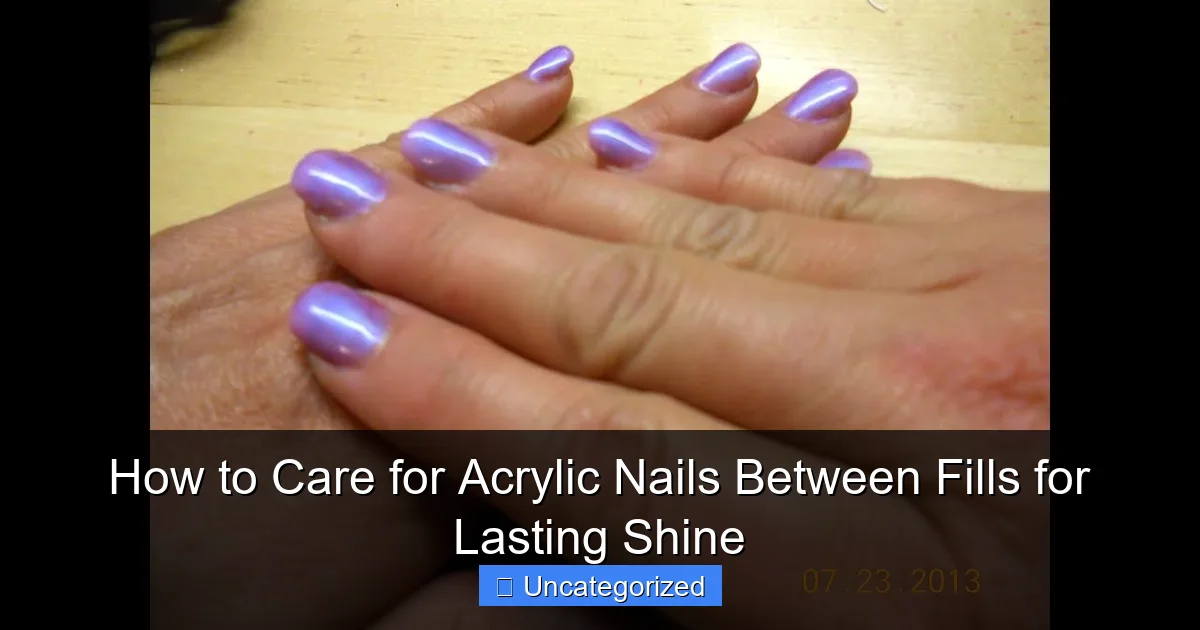
Visual guide about how to care for acrylic nails between fills
Image source: i.ytimg.com
The Acrylic Layer: Strength and Vulnerability
The acrylic layer is the backbone of your manicure. It’s designed to be strong and resistant to chipping, but it’s not indestructible. The thickness of the acrylic can vary depending on the application technique and your nail bed’s natural shape. Thicker acrylics may last longer but can feel bulky, while thinner ones are more flexible but prone to lifting. For example, if you frequently use your hands for typing or manual tasks, thinner acrylics might lift at the cuticle line due to pressure.
- Tip: During your fill appointment, ask your nail technician about the ideal thickness for your lifestyle. A balance between durability and comfort is key.
- Example: Office workers might prefer slightly thicker acrylics to withstand typing, while artists or musicians may opt for thinner, more flexible nails for precision.
The Importance of the Cuticle and Nail Bed
The area where your natural nail meets the acrylic (the cuticle and nail bed) is a common trouble spot. If the acrylic lifts here, it creates a gap that traps dirt, moisture, and bacteria, leading to infections or fungal growth. Proper adhesion is critical, and this is why your technician uses a primer and dehydrator during application. Between fills, you must ensure this area stays clean and dry.
- Tip: Use a soft brush and mild soap to clean under the acrylic’s free edge daily. Avoid harsh scrubbing to prevent lifting.
- Example: After washing your hands, gently swipe a cotton swab dipped in rubbing alcohol along the cuticle line to disinfect and remove residue.
How Natural Nail Growth Affects Acrylics
As your natural nails grow, the acrylic moves away from the cuticle, creating a “gap” at the base. This is why fills are recommended every 2–3 weeks. Ignoring this gap can lead to snagging, lifting, or even breakage. Monitoring growth is part of caring for your acrylics between fills.
- Tip: Measure the gap with a ruler or compare it to the width of a dime (about 18mm). If it exceeds 5mm, schedule a fill.
- Example: If you notice the acrylic starting to lift at the base, apply a tiny amount of nail glue to seal it temporarily until your fill appointment.
Daily Care Routine for Acrylic Nails
Consistency is the secret to maintaining acrylic nails between fills. A daily care routine not only preserves shine but also prevents common issues like lifting, chipping, and discoloration. Here’s how to incorporate simple yet effective habits into your day.
Hydration: The Key to Shine and Flexibility
Acrylic nails can dry out over time, leading to a dull appearance and increased brittleness. Hydration is essential, but it’s not just about the nails—your cuticles and surrounding skin need attention too.
- Moisturize twice daily: Apply a nourishing cuticle oil (like jojoba or almond oil) to the nail bed and surrounding skin. Massage in circular motions to stimulate blood flow.
- Use a hand cream: Choose a non-greasy, fast-absorbing formula with ingredients like shea butter or glycerin. Apply after washing hands or before bed.
- Example: Keep a travel-sized cuticle oil in your bag and apply it during coffee breaks or after typing for 30 minutes.
Gentle Cleaning Practices
Acrylics are non-porous, but dirt and oils can accumulate on the surface, dulling the shine. Regular cleaning prevents buildup and keeps your nails looking fresh.
- Wash with mild soap: Use a sulfate-free hand soap and lukewarm water. Avoid hot water, which can weaken the acrylic.
- Scrub with care: Use a soft-bristle toothbrush or a nail brush to clean under the free edge and around the cuticles. Rinse thoroughly and dry with a lint-free towel.
- Tip: For stubborn stains (e.g., from nail polish remover), soak nails in a mixture of warm water and a drop of dish soap for 5 minutes before scrubbing.
Protecting Acrylics from Daily Wear and Tear
Acrylics are durable, but they’re not immune to damage. Simple adjustments to your daily habits can prevent chips, cracks, and lifting.
- Wear gloves for chores: Household cleaners, gardening, and dishwashing expose nails to harsh chemicals and physical stress. A pair of reusable rubber gloves is a must.
- Avoid using nails as tools: Resist the urge to open cans, peel stickers, or pry objects open with your acrylics. Use a tool instead.
- Example: Keep a small pocketknife or nail clipper in your bag for tasks that might damage your nails.
Weekly Maintenance and Deep-Care Techniques
Beyond daily care, weekly maintenance is essential for addressing deeper issues and restoring shine. Think of it as a “spa day” for your nails—a chance to rejuvenate and troubleshoot problems before they escalate.
Deep Cleaning and Dehydration
Weekly deep cleaning removes embedded dirt and oils that daily routines miss. Dehydrating the nail surface also improves adhesion and prevents lifting.
- Soak in baking soda paste: Mix 1 tablespoon of baking soda with 2 tablespoons of water to create a paste. Apply to the nail surface with a soft brush, scrub gently, and rinse.
- Disinfect with rubbing alcohol: Wipe each nail with a cotton pad soaked in 70% isopropyl alcohol. This kills bacteria and removes residue.
- Tip: Do this at night so your nails have time to dry completely before applying oil or cream.
Buffing and Polishing for Shine
Acrylics can lose their shine due to scratches or surface buildup. Weekly buffing restores the smooth finish and enhances light reflection.
- Use a 3-way buffer block: Start with the coarsest side (180 grit) to smooth minor scratches, then move to the medium (240 grit) and fine (400 grit) sides for shine.
- Apply a top coat: Finish with a high-gloss, UV-resistant top coat to seal the surface and prevent yellowing. Reapply every 3–4 days for lasting shine.
- Example: Buff in one direction (from cuticle to free edge) to avoid creating uneven scratches.
Addressing Lifting and Gaps
Lifting is a common issue between fills. If ignored, it can lead to breakage or infection. Weekly checks help you catch and address problems early.
- Inspect the cuticle line: Run your fingertip along the base of each nail. If you feel a gap or catch your skin, it’s time for action.
- Use nail glue temporarily: Apply a tiny amount of clear nail glue to the lifted area and press down firmly for 30 seconds. Wipe away excess.
- Schedule a fill if needed: Temporary fixes last 3–5 days. If lifting persists, book a salon appointment to avoid further damage.
Product Recommendations and Tools for At-Home Care
The right products can make all the difference in maintaining acrylic nails. From cuticle oils to buffers, investing in quality tools ensures professional-level results. Here’s a curated list of essentials.
Top-Rated Cuticle Oils and Creams
Hydration is non-negotiable for acrylic care. Look for oils and creams with nourishing ingredients like vitamins, natural oils, and humectants.
- Jojoba oil: Mimics the skin’s natural sebum, making it ideal for cuticles.
- OPI ProSpa Cuticle Oil: A cult favorite with shea butter and vitamin E.
- L’Occitane Shea Butter Hand Cream: Rich but non-greasy, perfect for overnight use.
Buffing Tools and Top Coats
Buffing and sealing are critical for shine. Choose tools designed for acrylics to avoid damage.
- 3-way buffer block: Look for a set with 180, 240, and 400 grit sides (e.g., Makartt or MelodySusie).
- Gel-like top coat: Try Sally Hansen Insta-Grip or Seche Vite for a high-gloss finish.
- UV-resistant formula: Prevents yellowing from sun exposure.
Emergency Repair Kit
Keep these items on hand for unexpected issues like lifting or minor breaks.
- Clear nail glue: Brands like KDS or Nailene are reliable.
- Mini nail file: For smoothing rough edges.
- Alcohol wipes: For disinfecting before repairs.
When to Seek Professional Help and Signs of Trouble
Even with perfect at-home care, acrylic nails can develop issues that require professional intervention. Knowing when to seek help prevents long-term damage and ensures your natural nails stay healthy.
Red Flags to Watch For
These signs indicate your acrylics need immediate attention from a technician.
- Lifting with pain or redness: Could signal an infection or allergic reaction to products.
- Deep cracks or breaks: Temporary fixes won’t suffice; a repair or replacement is needed.
- Yellowing or discoloration: Often caused by polish staining or poor-quality products.
Common Mistakes to Avoid
DIY repairs gone wrong can worsen the problem. Avoid these pitfalls.
- Overfilling gaps with glue: Excess glue can trap moisture and cause lifting.
- Using harsh files: Emery boards can scratch acrylics; use a buffer instead.
- Ignoring fungal symptoms: White spots, thickening, or odor mean it’s time to see a dermatologist.
Data Table: Professional vs. At-Home Care Comparison
| Issue | At-Home Fix | Professional Solution | When to Seek Help |
|---|---|---|---|
| Lifting (small gap) | Apply nail glue, press down | Re-secure with fresh acrylic or gel | If glue fails or lifting spreads |
| Yellowing | Buff with 400-grit buffer | Remove polish, apply whitening treatment | If discoloration persists after buffing |
| Breakage (deep crack) | Use a nail wrap kit | Repair with fiberglass or silk wrap | If the break exposes the natural nail |
| Infection (redness, pus) | Disinfect with alcohol, avoid water | Prescription antifungal/antibiotic | If symptoms worsen or spread |
Conclusion: Embrace the Journey of Acrylic Nail Care
Caring for acrylic nails between fills isn’t just about aesthetics—it’s about preserving the health of your natural nails and ensuring your manicure lasts as long as possible. By understanding the structure of acrylics, establishing a daily and weekly care routine, using the right products, and knowing when to seek professional help, you can enjoy stunning, long-lasting results. Remember, consistency is key. Small habits like moisturizing, wearing gloves, and weekly buffing add up to make a significant difference.
Acrylic nails are an investment in your confidence and style. With the tips and techniques outlined in this guide, you’ll not only maintain their shine but also extend their lifespan, saving time and money on frequent salon visits. So, embrace the journey of nail care, and let your acrylics shine bright between fills—because beautiful nails are always in style.
Frequently Asked Questions
How can I prevent lifting on my acrylic nails between fills?
Keep your hands dry and avoid prolonged water exposure—wear gloves when washing dishes or cleaning. Moisture trapped under the nail is the main cause of lifting, so always dry thoroughly after washing.
What’s the best way to maintain shine on acrylic nails between fills?
Buff your nails weekly with a soft buffer block to restore shine and remove surface dullness. Finish with a nourishing cuticle oil to keep the surrounding skin hydrated and enhance luster.
Can I use nail polish remover on acrylic nails between fills?
Avoid acetone-based removers, as they can weaken the acrylic and cause yellowing. Use a non-acetone remover sparingly, and always follow up with cuticle oil to prevent dryness.
How often should I apply cuticle oil for acrylic nail care?
Apply cuticle oil 2–3 times daily to keep the nail bed and surrounding skin moisturized. This prevents cracking, promotes flexibility, and supports the longevity of your acrylic nails between fills.
Are there daily habits to protect acrylic nails between fills?
Yes—wear gloves during chores, avoid using nails as tools, and file any rough edges with a soft emery board. These habits reduce breakage and help maintain your manicure’s integrity.
How do I fix a minor chip or snag on my acrylic nails between fills?
Smooth small chips with a fine-grit buffer and apply a clear top coat to seal the edge. For larger snags, schedule a salon visit to avoid further damage before your next fill.