
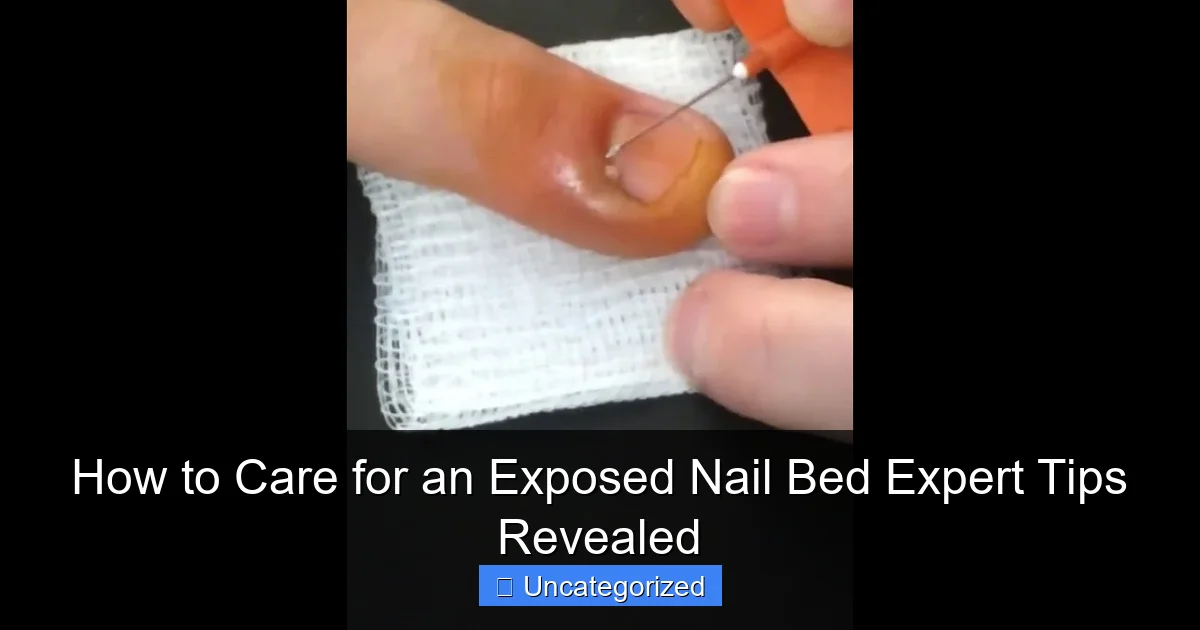
Featured image for how to care for an exposed nail bed
Image source: i.ytimg.com
Protect the exposed nail bed immediately by keeping it clean and covered with a sterile bandage to prevent infection and reduce sensitivity. Apply an antibiotic ointment regularly and avoid trauma or pressure on the area to support healing. Consistent moisture with petroleum jelly and wearing protective gloves during daily tasks are essential steps for a safe, swift recovery.
Key Takeaways
- Keep it clean: Wash daily with mild soap to prevent infection.
- Moisturize regularly: Apply vitamin E oil to promote healing and reduce dryness.
- Protect the area: Use bandages or gloves during chores to avoid irritation.
- Avoid trauma: Refrain from picking or trimming the exposed nail bed.
- Monitor for infection: Watch for redness, swelling, or pus and seek medical help.
- Stay hydrated: Drink water to support healthy nail regrowth.
📑 Table of Contents
- Understanding the Exposed Nail Bed: Causes and Symptoms
- Immediate First Aid and Emergency Care
- Daily Care Routine for Healing and Protection
- Nutritional Support and Supplements for Nail Regrowth
- Preventing Infection and Complications
- Long-Term Recovery and Regrowth Strategies
- Conclusion: Your Roadmap to Recovery
Understanding the Exposed Nail Bed: Causes and Symptoms
What Is an Exposed Nail Bed?
An exposed nail bed occurs when the soft tissue beneath the nail plate becomes visible due to the loss, damage, or detachment of the fingernail or toenail. The nail bed—composed of specialized skin cells, blood vessels, and nerves—is naturally protected by the hard keratin layer of the nail. When this protective shield is compromised, the underlying tissue becomes vulnerable to trauma, infection, and environmental irritants. This condition is not only painful but can also lead to long-term nail health issues if not properly addressed.
Exposure can happen suddenly due to trauma (such as crushing or avulsion) or develop gradually from chronic conditions like nail psoriasis, fungal infections, or repetitive micro-injuries (e.g., typing or playing instruments). According to dermatological research, nail bed injuries account for up to 20% of all hand injuries, particularly among manual laborers, athletes, and individuals with certain autoimmune disorders. Recognizing the signs early is crucial: symptoms include tenderness, swelling, discoloration (red, purple, or white), and visible nail detachment. In severe cases, the nail may fall off entirely, leaving the nail bed fully exposed.
Common Causes of Nail Bed Exposure
- Trauma: Dropping a heavy object on a toe, slamming a finger in a door, or repetitive impact (e.g., long-distance running) can dislodge the nail.
- Infections: Fungal (onychomycosis) or bacterial infections weaken the nail structure, leading to separation.
- Medical Conditions: Psoriasis, lichen planus, and eczema can cause nail dystrophy and detachment.
- Chemical Exposure: Frequent use of nail polish removers, harsh detergents, or industrial chemicals can dry out and degrade the nail.
- Nutritional Deficiencies: Lack of biotin, iron, zinc, or protein may contribute to brittle nails prone to splitting and lifting.
For example, a 35-year-old office worker who types 8 hours a day might develop a “habit tic” deformity—a condition where unconscious thumb rubbing leads to progressive nail thinning and eventual exposure. Similarly, a construction worker with a history of toe trauma may experience onycholysis (nail lifting) due to repeated micro-injuries.
Immediate First Aid and Emergency Care
Step-by-Step First Response
When an exposed nail bed occurs, prompt action can prevent infection and promote healing. Follow this evidence-based first aid protocol:
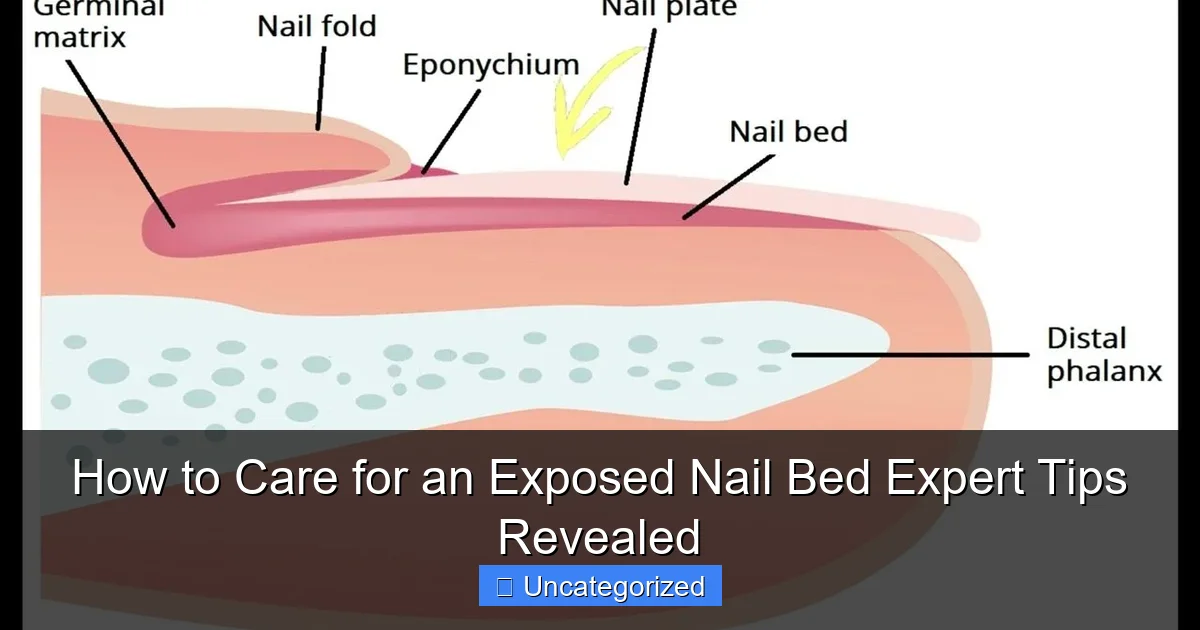
Visual guide about how to care for an exposed nail bed
Image source: i.ytimg.com
- Stop Bleeding: Apply direct pressure with a clean gauze or cloth for 5–10 minutes. Elevate the hand or foot above heart level to reduce blood flow.
- Clean the Area: Gently rinse with lukewarm water and mild soap. Avoid scrubbing. Pat dry with a sterile cloth.
- Disinfect: Apply a topical antiseptic such as povidone-iodine or chlorhexidine. Avoid hydrogen peroxide, which can delay healing.
- Protect the Bed: Cover with a non-stick sterile dressing (e.g., Telfa pad) secured with medical tape or a finger cot. Change every 24 hours.
- Pain Management: Take over-the-counter NSAIDs (e.g., ibuprofen) for pain and inflammation.
Pro Tip: For partial nail detachment, leave the remaining nail in place—it acts as a natural “bandage” and reduces pain. Only remove loose, dangling fragments with sterilized nail clippers.
When to Seek Medical Help
While minor exposure can often be managed at home, certain signs require immediate professional attention:
- Active bleeding that doesn’t stop after 15 minutes of pressure
- Signs of infection: increasing redness, pus, fever, or foul odor
- Large hematomas (blood clots) under the nail causing severe pressure
- Exposure due to a crush injury with suspected bone fracture (e.g., X-ray may be needed)
- Chronic exposure lasting longer than 4 weeks
Dr. Elena Torres, a podiatrist at Boston Foot Care Center, emphasizes: “In cases of subungual hematoma (blood under the nail), a healthcare provider may need to perform trephination—a small hole in the nail to relieve pressure. This should never be attempted at home with non-sterile tools.”
Daily Care Routine for Healing and Protection
Cleaning and Moisturizing Protocol
Consistent hygiene and hydration are critical for regenerating the nail matrix and preventing secondary infections. Follow this daily regimen:
Morning and Evening Care:
- Wash: Use a pH-balanced, fragrance-free cleanser (e.g., Cetaphil or Vanicream). Gently cleanse the exposed area with a soft-bristled nail brush.
- Exfoliate (2x/week): Apply a 10% urea cream to gently slough off dead skin. Avoid physical scrubs, which can cause micro-tears.
- Moisturize: Massage in a thick emollient (e.g., Eucerin Advanced Repair or CeraVe Moisturizing Cream). Focus on cuticles and surrounding skin to prevent cracking.
- Seal: Apply a thin layer of petroleum jelly (Vaseline) to lock in moisture and create a protective barrier.
Example Routine: After showering, a teacher with a partially exposed thumbnail might clean the area with a cotton pad soaked in diluted witch hazel (1:3 ratio with water), apply a pea-sized amount of urea cream, and cover with a breathable adhesive bandage before grading papers.
Choosing the Right Dressings and Products
Not all bandages are created equal for nail bed care. Consider these factors:
- Material: Use non-adherent pads (e.g., Mepitel) to prevent sticking. Avoid traditional gauze, which can dry out the wound.
- Adhesion: Opt for hypoallergenic, flexible tapes (e.g., 3M Micropore) that won’t damage fragile tissue when removed.
- Antimicrobial Properties: Silver-impregnated dressings (e.g., Acticoat) reduce infection risk in high-moisture environments (e.g., feet).
For daytime protection, silicone fingertip covers (available at pharmacies) provide a waterproof shield while allowing dexterity. At night, consider wearing a cotton glove over the dressing to prevent accidental dislodging.
Nutritional Support and Supplements for Nail Regrowth
Key Nutrients for Nail Bed Repair
Nail regeneration depends on a steady supply of specific nutrients. The nail matrix—the living tissue beneath the cuticle—requires these building blocks for keratin production:
| Nutrient | Daily Intake (Adults) | Food Sources | Role in Nail Health |
|---|---|---|---|
| Protein | 0.8 g/kg body weight | Eggs, lean meat, tofu, lentils | Primary component of keratin structure |
| Biotin (B7) | 30–100 mcg | Almonds, spinach, sweet potatoes | Strengthens nail plate, reduces brittleness |
| Iron | 8–18 mg | Red meat, lentils, fortified cereals | Prevents koilonychia (spoon-shaped nails) |
| Zinc | 8–11 mg | Oysters, pumpkin seeds, chickpeas | Supports cell division in nail matrix |
| Omega-3 Fatty Acids | 1.1–1.6 g | Salmon, flaxseeds, walnuts | Reduces inflammation, improves flexibility |
Clinical studies show that biotin supplementation (2.5–5 mg daily) can improve nail thickness by 25% in 6 months. However, Dr. Alan Kim, a dermatologist at Johns Hopkins, cautions: “Excessive biotin can interfere with lab tests. Always consult your doctor before starting supplements, especially if you have thyroid or kidney conditions.”
Hydration and Dietary Habits
Dehydration directly impacts nail health—nails are 18% water. To optimize moisture retention:
- Drink at least 2 liters of water daily (more if active or in dry climates)
- Limit dehydrating substances: caffeine, alcohol, and high-sodium foods
- Include water-rich foods: cucumbers, watermelon, and celery
- Use a humidifier at home, especially during winter months
Real-World Tip: A graphic designer with chronic dry nails might prepare a “nail health smoothie” with 1 cup Greek yogurt (protein), 1 tbsp ground flaxseed (omega-3s), ½ banana (potassium), and a handful of spinach (iron and biotin).
Preventing Infection and Complications
Recognizing Early Signs of Infection
An exposed nail bed is a prime entry point for pathogens. Monitor for these red flags:
- Increased Pain: Throbbing or burning sensation beyond initial injury
- Discharge: Yellow, green, or cloudy pus (bacterial) vs. white, cheesy material (fungal)
- Swelling and Warmth: Localized inflammation extending beyond the nail
- Foul Odor: Often indicates bacterial colonization
- Systemic Symptoms: Fever, chills, or swollen lymph nodes (seek emergency care)
For example, a hiker with a minor toe injury might notice increasing redness and a “crackling” sound when pressing the area—a sign of gas-forming bacteria requiring urgent antibiotics.
Antimicrobial Strategies and Hygiene Practices
Proactive measures significantly reduce infection risk:
- Topical Antiseptics: Apply tea tree oil (5% dilution) or manuka honey (antibacterial and wound-healing) twice daily.
- Footwear Choices: Wear breathable, moisture-wicking socks (e.g., merino wool or bamboo). Avoid tight, non-ventilated shoes.
- Hand Protection: Use nitrile gloves for household chores, gardening, or handling chemicals.
- Environmental Control: Keep workspaces clean. Disinfect keyboards, tools, and shared equipment regularly.
A 2023 study in the Journal of Wound Care found that patients using manuka honey dressings had 40% lower infection rates and 25% faster healing times compared to standard care.
Long-Term Recovery and Regrowth Strategies
Promoting Nail Regrowth
Complete nail regeneration takes 6–12 months for fingernails and 12–18 months for toenails. Accelerate the process with these methods:
- Gentle Stimulation: Massage the nail matrix (base of the nail) for 1–2 minutes daily to boost blood flow.
- Topical Treatments: Use a nail hardener with calcium or hydroxypropyl chitosan (e.g., Nail Tek) to support new growth.
- Low-Level Laser Therapy (LLLT): FDA-approved devices (e.g., Theradome) stimulate cellular activity in the matrix.
- Acupuncture: Emerging research shows improved nail growth in patients with alopecia areata-related nail changes.
Case Study: A 28-year-old musician with a traumatized thumbnail used a combination of biotin supplements, daily matrix massage, and LLLT twice weekly. After 5 months, 80% of the nail had regrown with normal thickness.
When to Consider Medical Interventions
For persistent or severe cases, dermatologists may recommend:
- Nail Avulsion: Surgical removal of the entire nail to allow bed healing (followed by a skin graft in extreme cases).
- Chemical Cautery: Application of 40% urea paste to dissolve loose nail fragments.
- Intralesional Steroids: Injections for inflammatory conditions like lichen planus.
- Biologics: For autoimmune-related nail dystrophy (e.g., TNF-alpha inhibitors for psoriasis).
Regular follow-ups (every 4–6 weeks) are essential to monitor healing and adjust treatment. Avoid nail polish or acrylics until the nail bed is fully covered—chemicals can trap moisture and delay recovery.
Conclusion: Your Roadmap to Recovery
Caring for an exposed nail bed demands patience, consistency, and a holistic approach. From immediate first aid to long-term nutritional support, each step plays a vital role in protecting delicate tissue and fostering regrowth. Remember: the nail bed is a living organ that requires the same attention as any other wound. By combining proper hygiene, targeted nutrition, and preventive strategies, you can minimize complications and restore healthy, functional nails.
Key takeaways for success:
- Act quickly: Clean and protect the area within the first 24 hours.
- Stay vigilant: Monitor for infection signs and adjust care accordingly.
- Fuel healing: Prioritize protein, biotin, and hydration in your diet.
- Seek help: Consult a dermatologist or podiatrist for persistent or severe cases.
With time and care, even the most compromised nail beds can recover. As one patient shared: “After six months of daily care, I finally saw my thumbnail regrow—it was like watching a miracle unfold under my fingertips.” Your journey to healthy nails starts today.
Frequently Asked Questions
How do I protect an exposed nail bed from infection?
Keep the area clean and dry, and apply an antibiotic ointment to prevent bacterial growth. Cover the exposed nail bed with a sterile bandage, especially during activities that may expose it to dirt or trauma.
What are the best ways to care for an exposed nail bed?
Gentle cleaning with mild soap and water, followed by moisturizing with a vitamin E or aloe-based cream, promotes healing. Avoid harsh chemicals and wear gloves when doing household chores to shield the sensitive area.
Can I speed up the healing process of an exposed nail bed?
Yes, elevate the hand to reduce swelling, maintain a protein-rich diet, and avoid picking at the affected area. Using a nail strengthener with biotin may also support healthy nail regrowth.
Is it normal for an exposed nail bed to hurt?
Some discomfort is common due to nerve exposure, but severe or throbbing pain could indicate infection. If pain persists or worsens, consult a healthcare professional to rule out complications.
How long does it take for an exposed nail bed to heal?
Healing time varies depending on the severity, but minor cases typically resolve in 2–6 weeks. Proper exposed nail bed care—like keeping the area protected and hydrated—can shorten recovery time.
Should I see a doctor for an exposed nail bed?
If the injury is severe, shows signs of infection (pus, redness, or fever), or hasn’t improved after a week of exposed nail bed care, seek medical attention. A doctor may prescribe specialized treatment or antibiotics.