
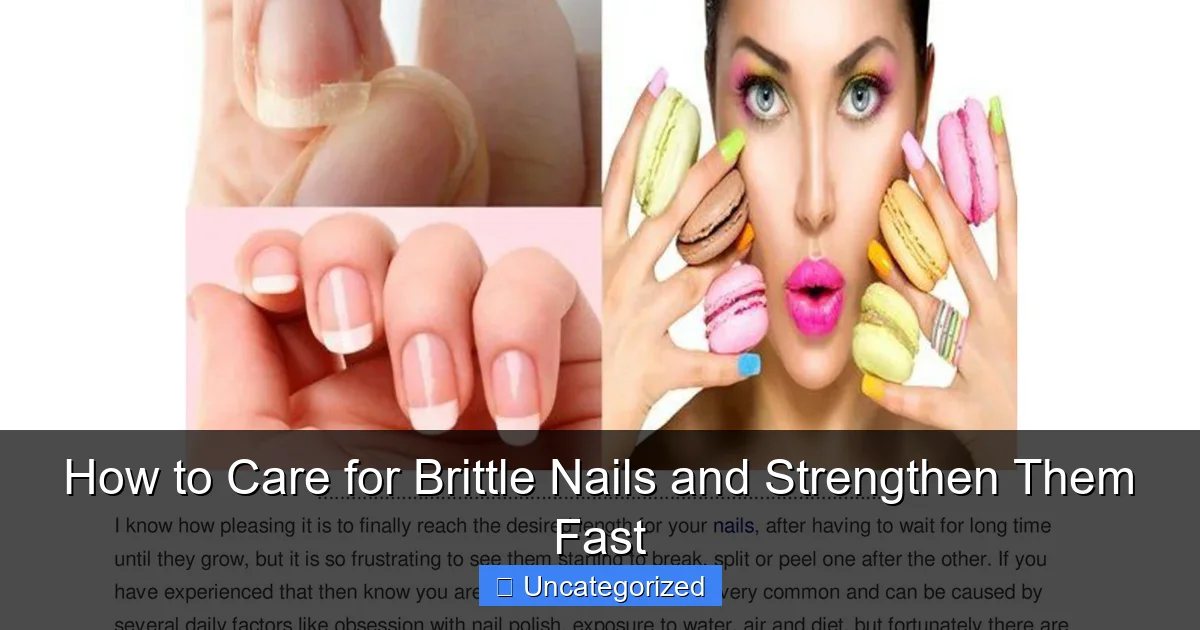
Featured image for how to care for brittle nails
Image source: view.publitas.com
Keep nails hydrated and protected by applying a nourishing cuticle oil daily and wearing gloves during household chores to prevent moisture loss and damage. Limit exposure to harsh chemicals and water by using acetone-free nail polish removers and minimizing prolonged soaking to maintain natural nail resilience.
Key Takeaways
- Moisturize daily: Apply cuticle oil and hand cream to prevent dryness and cracking.
- Wear gloves: Protect nails from harsh chemicals and water during chores.
- Limit polish removers: Avoid acetone-based products; opt for gentle, nourishing formulas.
- Eat a nail-healthy diet: Prioritize biotin, protein, and omega-3s for strength.
- File gently: Use a fine-grit file and avoid over-shaping to prevent splitting.
- Stay hydrated: Drink plenty of water to maintain nail flexibility and resilience.
📑 Table of Contents
Understanding Brittle Nails: Causes and Symptoms
What Are Brittle Nails?
Brittle nails are characterized by splitting, peeling, cracking, or breaking easily. They often lack flexibility and may develop vertical ridges or horizontal splits, making them prone to damage. While occasional nail breakage is normal, persistent brittleness can be a sign of underlying health issues or poor nail care habits. According to dermatologists, up to 20% of the population experiences brittle nails at some point, with women being more affected than men due to hormonal fluctuations and frequent exposure to water and harsh chemicals.
Brittle nails can affect both fingernails and toenails, though fingernails are more commonly impacted due to daily wear and tear. The condition is medically known as onychorrhexis when nails are excessively ridged or split, and onychoschizia when they peel in layers. While not usually a serious health concern, brittle nails can be painful, unsightly, and frustrating to manage. They can also make simple tasks like typing or opening jars more difficult. Identifying the root cause is the first step toward effective treatment and prevention.
Common Causes of Brittle Nails
- Excessive water exposure: Frequent handwashing, dishwashing, or swimming without gloves can strip natural oils from nails, leading to dehydration and brittleness. For example, healthcare workers and chefs are at higher risk due to constant water and chemical exposure.
- Harsh chemicals: Nail polish removers with acetone, detergents, and cleaning agents can weaken the nail plate over time. A 2022 study found that acetone-based removers reduce nail thickness by up to 20% after repeated use.
- Nutritional deficiencies: Lack of biotin (B7), iron, zinc, vitamin C, and protein can impair keratin formation. Iron deficiency, in particular, is linked to koilonychia (spoon-shaped nails).
- Medical conditions: Hypothyroidism, psoriasis, lichen planus, and anemia contribute to nail fragility. Up to 50% of people with hypothyroidism report brittle nails.
- Age: Nails naturally thin and dehydrate as we age, with collagen and moisture production declining after 40.
- Overuse of nail enhancements: Acrylics, gels, and dip powders can cause trauma to the nail bed during application and removal.
Daily Habits to Strengthen Brittle Nails
Hydration and Moisturizing Routines
Keeping nails and cuticles hydrated is the cornerstone of brittle nail care. The nails are made of keratin, a protein that requires moisture to stay flexible. A daily regimen should include:
Visual guide about how to care for brittle nails
Image source: i.ytimg.com
- Cuticle oil: Apply vitamin E, jojoba, or argan oil 2-3 times daily. For example, Julep’s Nail & Cuticle Oil contains a blend of oils that penetrate deeply to prevent splitting.
- Hand creams: Use creams with urea (5-10%), glycerin, or shea butter. A 2021 study showed that urea-based creams improve nail flexibility by 30% in 4 weeks.
- Overnight treatments: Apply a thick layer of moisturizer and wear cotton gloves before bed. This creates an occlusive barrier to lock in moisture.
Pro tip: Keep a travel-sized cuticle oil in your bag for quick touch-ups after washing hands.
Gentle Nail Care Practices
Harsh handling accelerates nail damage. Adopt these habits to minimize stress on your nails:
- File correctly: Use a glass or crystal file and file in one direction (never saw back-and-forth). This prevents micro-tears that lead to splitting.
- Limit polish remover use: Switch to acetone-free removers (e.g., Zoya Remove+), which are gentler but may require extra time for stubborn polish.
- Wear gloves: Use waterproof gloves for dishwashing, gardening, or cleaning. Cotton liners inside gloves absorb sweat to prevent moisture buildup.
- Avoid nail tools: Skip metal pushers; use a wooden orange stick to push back cuticles gently.
Example: A nurse who washed her hands 20+ times daily reduced nail breaks by 70% after switching to a non-acetone remover and wearing gloves during shifts.
Smart Nail Length and Shape
Long nails are more prone to snagging and breaking. For brittle nails:
- Trim to a medium length (just past fingertip) to reduce stress on the free edge.
- Choose a rounded or squoval shape to distribute impact evenly.
- Round sharp corners to prevent catching on fabrics or surfaces.
Nutrition and Supplements for Stronger Nails
Essential Nutrients for Nail Health
Nails grow from the matrix (base) and require consistent nutrient delivery. Key players include:
- Biotin (B7): Supports keratin production. A 2020 meta-analysis found that 2.5mg/day of biotin reduced nail splitting in 63% of participants after 6 months.
- Iron: Deficiency causes pale, brittle nails. Menstruating women and vegetarians should monitor iron levels.
- Protein: Keratin is a protein, so adequate intake (0.8g/kg body weight) is crucial. Include lean meats, eggs, legumes, or tofu.
- Omega-3s: Found in fatty fish, flaxseeds, and walnuts, they reduce inflammation and improve nail flexibility.
- Vitamin C & Zinc: Aid collagen synthesis and immune function. Citrus fruits, bell peppers, and pumpkin seeds are excellent sources.
Top Nail-Boosting Supplements
| Supplement | Dosage | Key Benefits | Time to See Results |
|---|---|---|---|
| Biotin (B7) | 2.5–10 mg/day | Strengthens nail plate, reduces splitting | 3–6 months |
| Collagen peptides | 5–10g/day | Improves nail thickness, hydration | 8–12 weeks |
| Iron (ferrous sulfate) | As prescribed (usually 325mg 1–2x/day) | Corrects iron deficiency, improves nail shape | 2–3 months |
| Multivitamin (with B-complex, zinc) | Follow label | Balances micronutrient intake | 1–3 months |
Note: Always consult a doctor before starting supplements, especially iron or high-dose biotin, which can interfere with lab tests.
Foods to Eat (and Avoid)
Include:
- Salmon, sardines (omega-3s)
- Eggs (biotin, protein)
- Spinach (iron, folate)
- Sweet potatoes (beta-carotene)
- Nuts and seeds (zinc, vitamin E)
Limit:
- Alcohol and caffeine (dehydrate)
- Processed foods (low in nutrients)
- Excessive sugar (promotes inflammation)
Topical Treatments and Professional Care
Over-the-Counter Nail Strengtheners
Not all nail polishes are created equal. Look for these ingredients:
- Formaldehyde-free formulas: Traditional hardeners like formaldehyde can make nails too stiff, increasing breakage risk. Opt for alternatives like OPI Nail Envy, which uses calcium and hydrolyzed wheat protein.
- Hydrolyzed keratin: Repairs damaged nail plates (e.g., CND RescueRXx).
- Vitamin E and panthenol: Deeply hydrate and improve flexibility.
Application tip: Use a base coat daily, even under regular polish. Reapply every 3–4 days.
Professional Treatments
- Medical-grade nail serums: Prescription treatments like Biotin Rx (5% biotin in a penetration-enhancing base) show faster results than OTC options.
- Laser therapy: For severe cases, low-level laser treatments stimulate nail matrix health (studies show 40–60% improvement after 12 weeks).
- Nail wraps: Silk or fiberglass wraps provide temporary reinforcement for damaged nails.
Caution: Avoid aggressive manicures. Over-buffing or excessive cuticle trimming can worsen brittleness.
DIY Home Remedies (Evidence-Based)
- Olive oil soaks: Soak nails in warm olive oil for 10–15 minutes, 2x/week. A 2019 study found this improved nail strength by 25%.
- Green tea compress: Soak nails in cooled green tea (rich in antioxidants) for 5 minutes daily.
- Honey and lemon mask: Mix 1 tsp honey (moisturizing) with 1 tsp lemon juice (vitamin C) and apply for 10 minutes before rinsing.
Lifestyle Adjustments for Long-Term Results
Environmental Protection
- Humidify your home: Use a humidifier (ideally 40–60% humidity) to prevent dry air from dehydrating nails.
- Protect from UV: Apply sunscreen to hands and nails to prevent photoaging (yes, nails age too!).
- Avoid extreme temperatures: Hot showers and cold weather both dry out nails. Wear gloves in winter.
Stress Management
Chronic stress elevates cortisol, which can disrupt nail growth. Try:
- Daily 10-minute meditation (apps like Headspace guide beginners).
- Regular exercise (reduces inflammation).
- Adequate sleep (7–9 hours/night for optimal keratin production).
When to See a Dermatologist
Consult a specialist if:
- Brittleness persists despite 3–6 months of consistent care.
- Nails show discoloration (yellow, white, or black streaks).
- You experience pain, swelling, or separation from the nail bed.
- Brittle nails are accompanied by fatigue, hair loss, or other systemic symptoms.
Dermatologists may perform blood tests (iron, thyroid, vitamin D) or a nail biopsy to diagnose underlying conditions.
Real-Life Success Stories and Pro Tips
Case Study: From Flaking to Fabulous
Sarah, 34, office manager: After years of brittle, peeling nails, she:
- Switched to acetone-free polish remover.
- Applied cuticle oil 3x/day (morning, after handwashing, and at night).
- Started taking 5mg biotin daily.
- Wore cotton gloves overnight with moisturizer.
Result: Her nails stopped peeling within 8 weeks and grew 30% stronger in 4 months. She now maintains them with a weekly olive oil soak.
Expert Tips from Dermatologists
- Dr. Lisa Huang, MD: “Don’t ignore nail changes. Brittle nails can be a window into your overall health.”
- Dr. Raj Patel, MD: “Avoid ‘nail hardeners’ with formaldehyde. They create a temporary fix but long-term damage.”
- Pro tip: Keep a nail journal. Track diet, products, and habits to identify triggers.
Product Recommendations
- Best cuticle oil: Essie Apricot Cuticle Oil (lightweight, fast-absorbing).
- Best hand cream: Eucerin Advanced Repair (urea + ceramides).
- Best nail strengthener: Orly Bonder Base Coat (rubberized, flexible).
- Best supplement: Nature’s Bounty Hair, Skin & Nails (biotin + collagen).
Quick Fixes for Emergencies
- Broken nail: Clip it straight across (no rounding) to prevent further splitting.
- Peeling nail: Apply a tea bag (cut to size) with clear nail glue as a temporary patch.
- Weak edges: Use a ridge-filling base coat to smooth and protect.
Brittle nails don’t have to be a permanent struggle. By combining hydration, nutrition, gentle care, and targeted treatments, you can transform weak, flaking nails into strong, resilient ones. Remember, consistency is key—most results take 3–6 months as new, healthy nails grow in. Start with one change at a time, track your progress, and celebrate small victories. With the right approach, you’ll be flaunting your strongest nails yet in no time. Your hands deserve the care they need to look and feel their best, no matter your age or lifestyle.
Frequently Asked Questions
What causes brittle nails and how can I prevent them?
Brittle nails often result from frequent exposure to water, harsh chemicals, or nutritional deficiencies (like biotin or iron). To prevent them, wear gloves during chores, limit polish remover use, and maintain a balanced diet rich in vitamins and minerals.
How can I strengthen brittle nails fast at home?
Moisturize nails and cuticles daily with jojoba oil or shea butter, and apply a nail hardener with keratin or calcium. Avoid excessive filing and opt for a glass nail file to reduce splitting and peeling.
Can diet improve brittle nails?
Yes—eating protein-rich foods (eggs, fish), leafy greens, nuts, and biotin-rich foods (like almonds and sweet potatoes) supports nail strength. Staying hydrated also helps maintain flexibility and prevent brittleness.
How often should I trim and file brittle nails?
Trim every 7–10 days to avoid snags and file gently in one direction using a fine-grit file. Over-filing or using metal files can worsen brittleness, so prioritize gentle care to maintain length and integrity.
Are there specific products to avoid for brittle nails?
Avoid acetone-based removers, formaldehyde-rich nail hardeners, and excessive gel or acrylic treatments, which dry out and weaken nails. Look for nourishing, acetone-free formulas and breathable polishes instead.
How long does it take to repair brittle nails?
With consistent care, improvements in strength and flexibility can appear in 4–6 weeks. Full recovery may take 3–6 months, as nails grow slowly (about 3 mm per month) and require ongoing protection and hydration.