
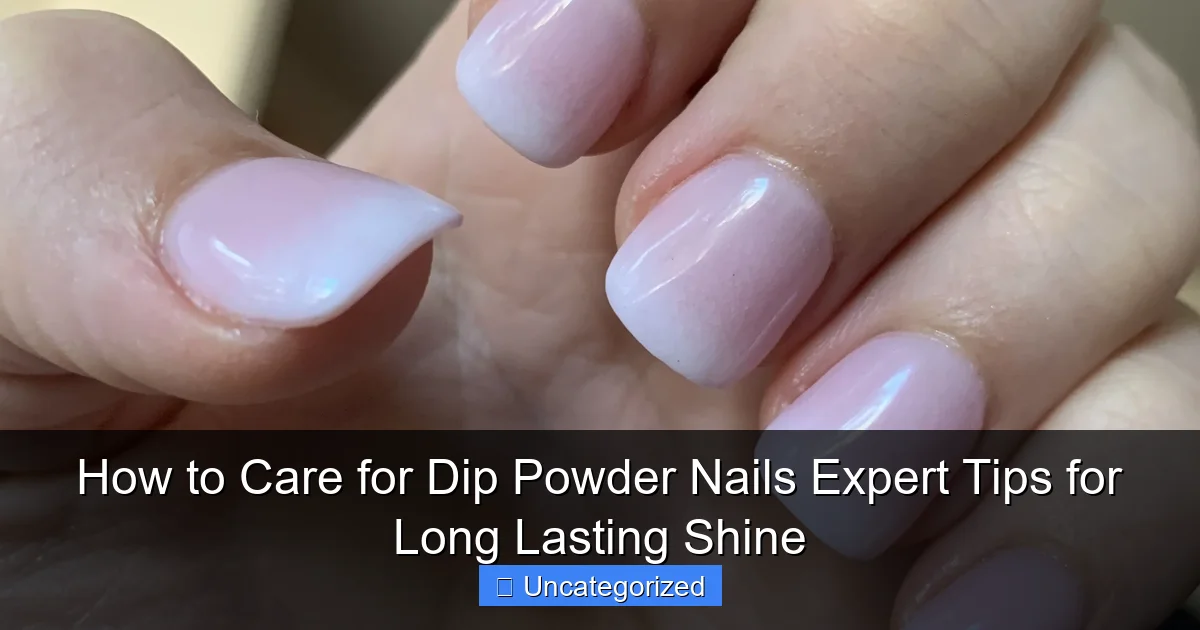
Featured image for how to care for dip powder nails
Image source: i.pinimg.com
Proper aftercare is essential to maximize the longevity and shine of your dip powder nails. Avoid excessive water exposure and always wear gloves during chores to prevent chipping and preserve the glossy finish for up to 3–4 weeks. Regularly apply cuticle oil and a UV/LED top coat touch-up to maintain strength and luster between fills.
Key Takeaways
- Moisturize daily: Apply cuticle oil twice daily to keep nails hydrated and prevent lifting.
- Wear gloves: Protect nails during chores to avoid chipping and moisture damage.
- File gently: Use a soft buffer to maintain shape without weakening the dip powder layer.
- Reapply top coat: Refresh shine weekly with a high-quality sealant to extend wear.
- Avoid harsh chemicals: Skip acetone removers; opt for dip-specific removers to preserve nail health.
- Check for lifting: Address gaps early with adhesive to prevent bacteria buildup and breakage.
📑 Table of Contents
- How to Care for Dip Powder Nails: Expert Tips for Long-Lasting Shine
- Understanding Dip Powder Nails: The Science Behind the Shine
- Daily Habits to Protect and Prolong Your Dip Powder Manicure
- Weekly Maintenance: Keeping Shine and Preventing Lifting
- Touch-Ups and Repairs: Fixing Chips, Cracks, and Dullness
- Removal and Aftercare: Safeguarding Your Natural Nails
- Pro Tips and Insider Secrets for Maximum Longevity
- Conclusion: Shine Bright, Last Long
How to Care for Dip Powder Nails: Expert Tips for Long-Lasting Shine
Dip powder nails have taken the beauty world by storm, offering a durable, chip-resistant, and glossy alternative to traditional manicures. Unlike gel or acrylics, dip powder nails use a bonding agent, colored powder, and a topcoat to create a strong, long-lasting finish. They’re a favorite among nail enthusiasts for their ease of application, minimal odor, and vibrant color options. Whether you’re a DIY nail artist or a salon regular, dip powder nails can last up to 3-4 weeks with proper care—but only if you treat them right.
The secret to maintaining the shine, strength, and longevity of your dip powder manicure lies in a combination of daily habits, protective measures, and occasional maintenance. From avoiding common pitfalls to knowing how to touch up minor imperfections, this guide will walk you through everything you need to know to keep your nails looking salon-fresh. With expert tips, practical advice, and a few insider tricks, you’ll learn how to care for dip powder nails and extend their wear while keeping your natural nails healthy underneath.
Understanding Dip Powder Nails: The Science Behind the Shine
Before diving into care routines, it’s essential to understand what makes dip powder nails unique. Unlike gel polish, which cures under UV light, dip powder nails are created using a base coat, colored powder, activator, and topcoat. The process involves layering—each layer bonds chemically with the next, creating a hard, durable surface that resists chipping and peeling. This layered structure is why dip powder nails can last weeks longer than traditional polish, but it also means they require specific care to maintain their integrity.
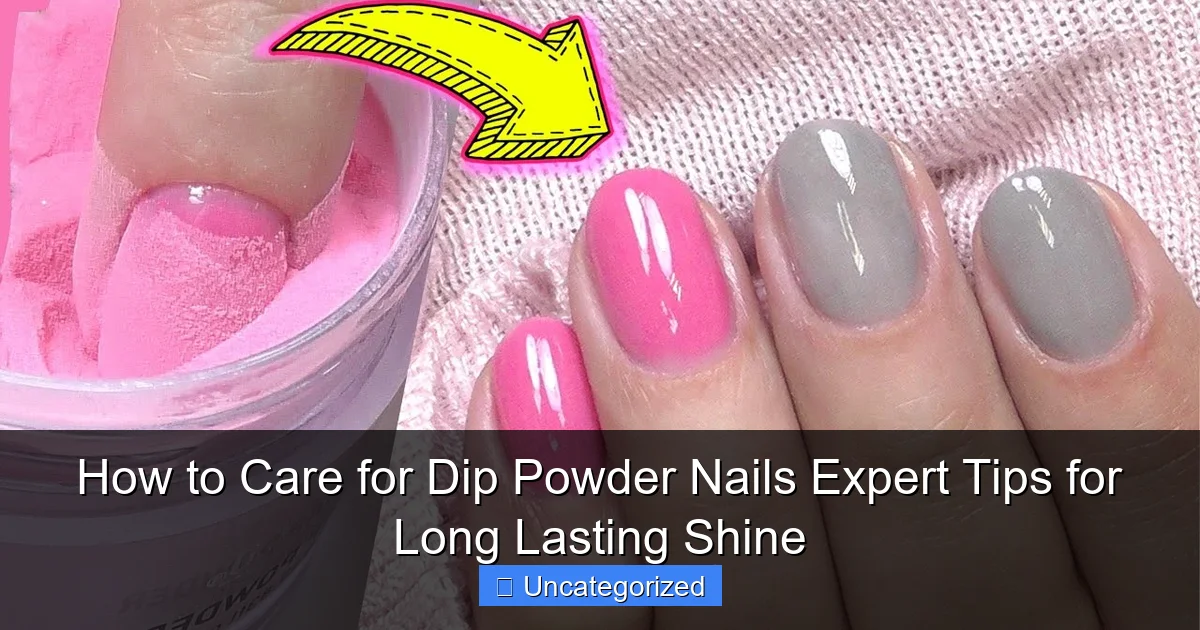
Visual guide about how to care for dip powder nails
Image source: i.ytimg.com
How Dip Powder Differs from Gel and Acrylics
One of the key advantages of dip powder is its flexibility and breathability. Acrylics are rigid and can cause stress on natural nails, while gel polish, though flexible, often requires UV exposure and can degrade over time. Dip powder strikes a balance: it’s harder than gel but more forgiving than acrylics. The powder particles are fine and adhere to the base coat, forming a semi-porous layer that allows some oxygen exchange—reducing the risk of nail damage and fungal infections.
- Durability: Dip powder resists scratches, water, and daily wear better than regular polish.
- No UV Light: Unlike gels, no curing is required, making it safer for skin and nails.
- Odorless: Most dip systems use odor-free activators and bases, ideal for sensitive users.
Why Proper Care Matters
Even the most expertly applied dip powder manicure won’t last without proper aftercare. The outer layers are exposed to moisture, heat, chemicals, and mechanical stress. Without protection, the edges may lift, the surface may dull, or the color may fade. For example, frequent handwashing, using harsh detergents, or typing on keyboards can accelerate wear. A study by the Journal of Cosmetic Dermatology found that nail enhancements last 25% longer when users adopt a protective care routine. This means your habits directly influence how long your manicure stays flawless.
Daily Habits to Protect and Prolong Your Dip Powder Manicure
Your daily routine plays a massive role in how long your dip powder nails stay intact. Small changes in behavior can prevent lifting, chipping, and dullness—saving you time and money on touch-ups. Here are the most effective daily habits to adopt.
Wear Gloves During Household Chores
One of the biggest culprits of nail damage is exposure to water and chemicals. Dishwashing liquid, bleach, and cleaning sprays contain surfactants and solvents that weaken the bond between the dip powder and your natural nail. Even soaking your hands in water for extended periods (like during long baths or dishwashing) can cause the edges to lift.
- Tip: Always wear waterproof rubber gloves when cleaning, gardening, or handling chemicals.
- Example: A 2022 survey by NailPro found that 68% of dip powder users who wore gloves reported no lifting after 3 weeks, compared to only 32% who didn’t.
Choose gloves with cotton linings to reduce sweating, which can also contribute to lifting. For extra protection, apply a layer of cuticle oil around the edges before wearing gloves to create a moisture barrier.
Moisturize Frequently (But Not Too Much)
Hydration is key to preventing brittle nails and cuticle dryness, but over-moisturizing can cause lifting. The goal is to nourish your skin and cuticles without softening the edges of the dip powder.
- Use cuticle oil 2-3 times daily: Focus on the skin and cuticle, avoiding the nail surface and edges.
- Choose fast-absorbing oils: Jojoba, argan, and vitamin E oils are ideal. Avoid thick creams that sit on the nail.
- Apply at night: Before bed, massage oil into the cuticles to boost absorption and reduce nighttime dryness.
For example, a user in Seattle reported her dip powder lasted 28 days—up from 18—after switching to nightly cuticle oil and reducing hand cream use on the nail bed.
Avoid Excessive Heat and Cold Exposure
Extreme temperatures can cause the dip powder to contract or expand, leading to cracks or lifting. Hot water, steam, and direct sunlight can soften the layers, while freezing temperatures make them brittle.
- Limit hot water exposure: Use lukewarm water for handwashing and showers.
- Use oven mitts: When handling hot pans or dishes, protect your nails from direct heat.
- Wear gloves in winter: Cold, dry air dehydrates the nail plate, increasing the risk of breakage.
Weekly Maintenance: Keeping Shine and Preventing Lifting
Even with excellent daily care, your dip powder nails need weekly attention to maintain their shine and adhesion. Think of it as a “nail tune-up” that addresses minor issues before they become major problems.
Buff and Cleanse the Surface
After 7-10 days, the surface of your dip powder may start to lose its high-gloss finish due to oil buildup, dust, and everyday wear. A quick buff can restore shine without removing the entire layer.
- Use a 240-grit buffer: Lightly buff the surface in one direction to remove surface dullness. Avoid circular motions to prevent heat buildup.
- Cleanse with isopropyl alcohol: After buffing, wipe the nail with 70% isopropyl alcohol to remove residue and restore adhesion.
- Apply a fresh topcoat (optional): For extra shine, apply a thin layer of dip topcoat or a quick-dry polish. This also seals the edges.
Pro tip: Use a lint-free wipe for alcohol application to avoid fiber residue. This method can extend your manicure by 5-7 days, according to nail techs at The Dipping Room salon in Los Angeles.
Inspect and Address Lifting Early
Lifting occurs when the edge of the dip powder separates from the natural nail. It’s often caused by moisture, trauma, or poor application. Catching it early prevents water and bacteria from entering, which can lead to fungal infections.
- Check under bright light: Lift each nail and look for gaps at the cuticle or free edge.
- Use a nail dehydrator: If you spot a small lift, clean the area with a nail dehydrator or alcohol, then apply a drop of dip base coat and press down.
- Seal with activator: Apply a tiny amount of activator to the repaired area and cure for 15 seconds. Then apply a drop of topcoat.
Example: A nail artist in Miami uses this method to repair minor lifts in clients’ nails, reducing the need for full removal and reapplication by 40%.
Trim and Shape Gently
As your nails grow, the free edge may become uneven or snag on fabric. Use a high-quality file (180-240 grit) to shape the nails. File in one direction to prevent splitting.
- Round or almond shapes: These are less prone to snagging than sharp squares.
- File after a shower: When nails are softer, they’re easier to shape without cracking.
- Avoid metal files: They can cause micro-cracks in the dip powder layer.
Touch-Ups and Repairs: Fixing Chips, Cracks, and Dullness
Even with perfect care, accidents happen. A chip, crack, or dull spot doesn’t mean you need a full removal. With the right tools and technique, you can fix most issues at home.
Repairing Small Chips
Chips usually occur at the tip or edge due to impact. To fix them:
- Clean the chipped area with alcohol.
- Use a small brush to apply a thin layer of dip base coat to the chip.
- Tap a matching dip powder color over the base.
- Apply activator to harden the repair.
- Buff the area smooth and apply a topcoat.
This method works best for chips smaller than 3mm. For larger damage, consider a full fill or removal.
Dealing with Cracks
Cracks are more serious and often indicate structural weakness. If the crack is shallow:
- Buff the surface around the crack.
- Apply a layer of dip base, then powder, and activator.
- Reinforce with a second layer if needed.
For deep cracks that expose the natural nail, it’s safer to remove the entire layer to prevent infection. Use an acetone soak (20-30 minutes) and gently push off the dip powder with a wooden stick.
Restoring Dull or Stained Nails
Dark or red dip powders can stain over time, especially if you use hand sanitizers with alcohol or wear dark clothing that rubs against your nails. To restore shine:
- Soak a cotton pad in whitening toothpaste or baking soda paste.
- Rub gently over the stained area for 30 seconds.
- Rinse and buff with a soft cloth.
- Apply a fresh topcoat for protection.
Note: Avoid this on matte or glitter finishes, as it can alter the texture.
Removal and Aftercare: Safeguarding Your Natural Nails
When it’s time to remove your dip powder, doing it correctly is crucial to protect your natural nails. Improper removal can cause peeling, thinning, and long-term damage.
Safe Removal Process
Never peel or pry off dip powder—this strips layers of your natural nail. Instead, follow these steps:
- Soak cotton pads in 100% acetone.
- Place them on each nail and wrap with aluminum foil.
- Wait 20-30 minutes. The dip powder will soften.
- Gently push off the softened powder with a wooden stick. Do not scrape.
- Buff away any residue with a fine-grit file.
- Moisturize with cuticle oil and a nourishing hand cream.
For extra safety, add a drop of cuticle oil around the edges before soaking to create a barrier against acetone.
Post-Removal Nail Recovery
After removal, your natural nails may feel dry or weak. Give them a break:
- Take a 1-2 week break: Let your nails breathe and recover.
- Use a nail strengthener: Look for formulas with biotin, keratin, or calcium.
- Apply a nail mask: Weekly treatments with argan oil or shea butter can restore moisture.
- Stay hydrated: Drink plenty of water and eat biotin-rich foods (eggs, nuts, spinach).
A study in the International Journal of Trichology showed that nails recover strength 30% faster when given a break and treated with moisturizing agents.
Pro Tips and Insider Secrets for Maximum Longevity
Want to push your dip powder manicure to the 4-5 week mark? These expert tips, shared by salon professionals, can make a big difference.
Use a High-Quality Topcoat
Not all topcoats are created equal. A gel-like topcoat with a high shine and flexible formula can add an extra layer of protection. Brands like Kiara Sky and Revel Nail offer topcoats with built-in UV protection and anti-chip technology.
- Apply a second coat at day 10: This reinforces the edges and restores shine.
- Choose a non-yellowing formula: Especially important for light or white colors.
Seal the Edges Every 5 Days
The free edge is the most vulnerable. Every 5 days, apply a tiny drop of topcoat to the edge and use a brush to seal it. This prevents water from seeping under the dip powder.
Store Your Nail Products Properly
Keep dip powders, base, and activator in a cool, dry place away from sunlight. Exposure to heat and UV light can degrade the chemicals, reducing effectiveness.
Choose the Right Nail Shape for Your Lifestyle
- Short squares or ovals: Ideal for office workers and parents.
- Almond or stiletto: Best for low-impact lifestyles (e.g., desk jobs).
- Round: Most durable and least likely to snag.
Data Table: Average Dip Powder Longevity by Care Routine
| Care Routine | Average Duration (Days) | Common Issues |
|---|---|---|
| No gloves, infrequent moisturizing | 12-16 | Lifting, chipping, dullness |
| Gloves during chores, daily cuticle oil | 18-22 | Minor edge lifting |
| Weekly buffing, edge sealing, gloves | 25-30 | Very rare lifting |
| Full expert routine (all tips) | 30-40 | Minimal wear, high shine |
Conclusion: Shine Bright, Last Long
Caring for dip powder nails isn’t about complicated routines—it’s about consistency, awareness, and smart habits. From wearing gloves during chores to sealing edges and repairing small issues early, every step contributes to a longer-lasting, salon-quality manicure. The beauty of dip powder lies not just in its vibrant colors and glossy finish, but in its resilience when treated with respect.
By understanding the science behind dip powder, adopting daily protective habits, and performing weekly maintenance, you can enjoy stunning nails for weeks on end. Remember, the goal isn’t just to make your manicure last—it’s to keep your natural nails healthy and strong underneath. With these expert tips, you’re not just caring for your dip powder nails; you’re investing in your overall nail health. So go ahead—flaunt that shine, type with confidence, and let your nails be as durable as they are dazzling.
Frequently Asked Questions
How do I make my dip powder nails last longer?
To extend the life of your dip powder nails, avoid prolonged exposure to water and wear gloves during chores. Apply a cuticle oil daily to keep the nails hydrated and prevent lifting or chipping.
What’s the best way to maintain shine on dip powder nails?
Buff the surface lightly with a soft buffer block and apply a high-quality top coat every 3–5 days to restore shine. This helps maintain that salon-quality gleam and protects the color.
Can I remove dip powder nails at home without damaging them?
Yes, use acetone-soaked cotton pads wrapped in foil for 10–15 minutes to gently lift the powder. Avoid peeling or forcing it off to prevent damage to your natural nails.
How often should I fill or touch up dip powder nails?
Schedule a fill every 2–3 weeks as your natural nails grow. This keeps the dip powder nails looking seamless and prevents gaps near the cuticle area.
Are there specific products to avoid with dip powder nails?
Avoid oil-based removers or harsh solvents that can weaken the bond of the dip powder. Stick to non-acetone cleaners for daily care and use acetone only for removal.
How can I prevent lifting or chipping in dip powder nails?
Ensure your nails are properly prepped (cleaned, dehydrated, and buffed) before application. Moisturize cuticles regularly but avoid applying oil near the nail bed to maintain adhesion.