
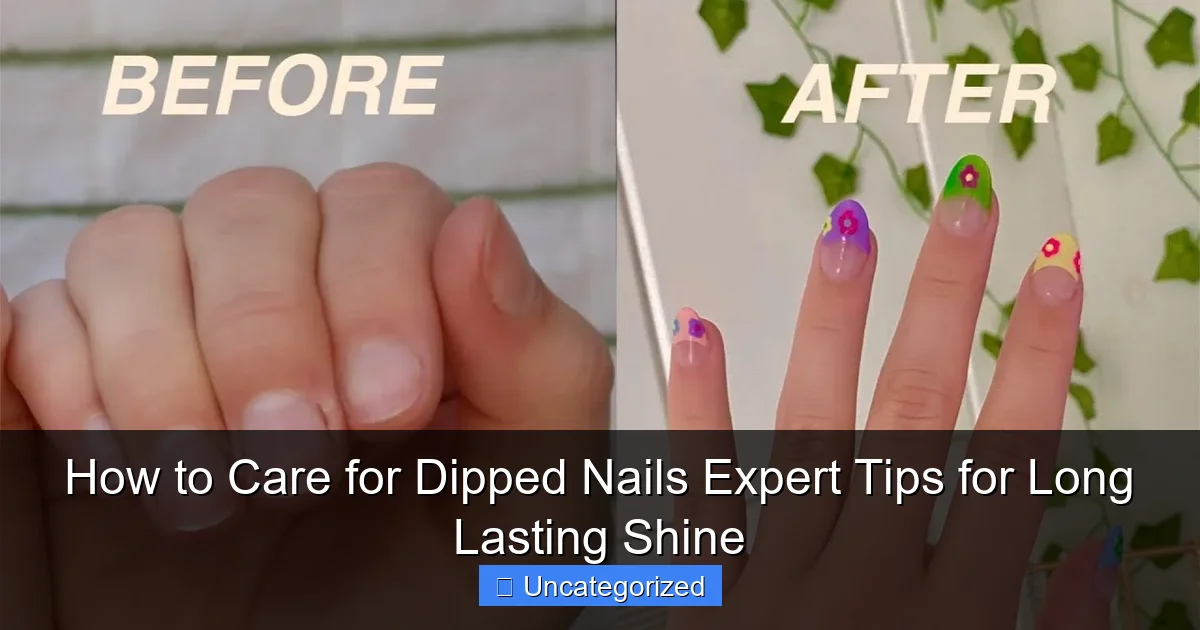
Featured image for how to care for dipped nails
Image source: i.ytimg.com
Proper aftercare is essential to maintain the shine and longevity of dipped nails. Avoid prolonged water exposure and always wear gloves during cleaning tasks to prevent lifting and preserve the powder coating’s integrity. Finish with cuticle oil daily to nourish the nail bed and keep your manicure looking fresh for weeks.
Key Takeaways
- Moisturize daily: Apply cuticle oil to keep nails hydrated and prevent lifting.
- Wear gloves: Protect dipped nails from harsh chemicals and water exposure.
- Buff gently: Lightly file for shine without damaging the dip powder layer.
- Reapply top coat: Refresh weekly to maintain long-lasting gloss and durability.
- Soak for removal: Never peel off; use acetone soak to avoid damage.
📑 Table of Contents
- How to Care for Dipped Nails: Expert Tips for Long-Lasting Shine
- Understanding the Dipped Nail Structure
- Daily Care Routine for Dipped Nails
- Seasonal and Environmental Adjustments
- When and How to Remove Dipped Nails Safely
- Expert Maintenance Tips from Nail Technicians
- Conclusion: Master the Art of Dipped Nail Care
How to Care for Dipped Nails: Expert Tips for Long-Lasting Shine
Dipped nails, also known as dip powder nails, have surged in popularity over the past few years, and for good reason. This innovative nail enhancement technique combines the durability of acrylics with the natural look of gel polish, offering a long-lasting, chip-resistant finish that can endure for up to three weeks—or even longer with proper care. Unlike traditional manicures, dipped nails are created by applying a liquid activator over a base coat, then dipping the nail into a fine colored powder. The process is repeated for depth and coverage, followed by a topcoat sealant. The result? A smooth, glossy, and salon-worthy manicure that doesn’t require UV or LED curing, making it a safer and more accessible option for many.
But while dipped nails are celebrated for their resilience, they’re not indestructible. Without the right maintenance, even the most expertly applied dip manicure can lift, chip, or lose its shine prematurely. Whether you’re a DIY enthusiast who applies dip powders at home or a client visiting a professional nail technician, knowing how to care for dipped nails is essential to maximizing their lifespan and aesthetic appeal. From daily habits to seasonal adjustments, this comprehensive guide will walk you through expert-backed strategies to keep your dipped nails looking vibrant, strong, and glossy for weeks on end. With the right care, your dip manicure can remain a head-turning accessory that enhances your confidence—without the need for constant touch-ups.
Understanding the Dipped Nail Structure
To care for your dipped nails effectively, it’s crucial to first understand how they’re constructed. Unlike gel or acrylic nails, dip powder systems rely on a chemical bonding process that creates a strong, lightweight overlay. This unique structure is both a strength and a vulnerability, depending on how you treat it.
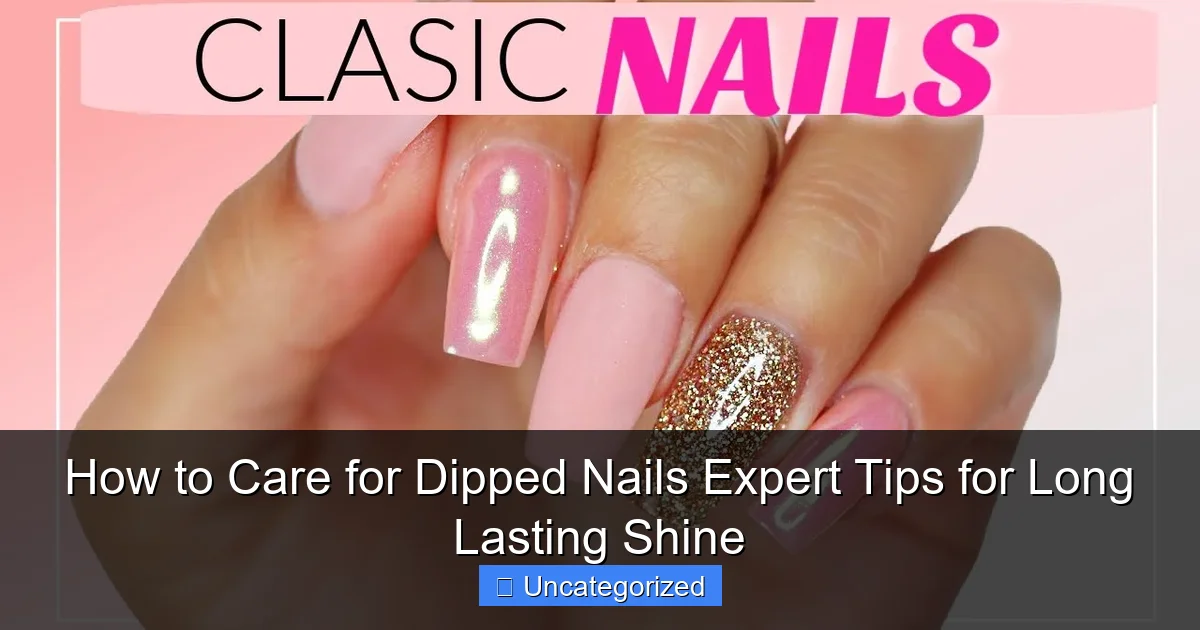
Visual guide about how to care for dipped nails
Image source: i.ytimg.com
The Science Behind Dip Powder Application
Dip powder manicures use a three-step system: base coat, activator, and powder. The base coat adheres to the natural nail, while the activator chemically bonds the powder particles to the base. The dip powder itself is a fine, pigmented resin that hardens when exposed to the activator. Each layer is sealed with additional activator and a protective topcoat, forming a durable, flexible shell. This layered structure is less porous than acrylics and doesn’t require curing under UV light, reducing exposure to potentially harmful radiation.
Because the powder bonds directly to the base, there’s minimal lifting compared to traditional nail enhancements. However, if the base coat isn’t properly applied or if the nail surface isn’t adequately prepped, weak spots can form, leading to premature lifting or peeling.
Why Dipped Nails Are Different from Other Nail Enhancements
Dipped nails offer several advantages over gel and acrylic systems:
- No UV exposure: Unlike gel polishes, dip powders harden chemically, eliminating the need for UV/LED lamps.
- Lightweight feel: The powder is finer and less dense than acrylic, resulting in a more natural, flexible finish.
- Less damage during removal: When removed correctly, dip powders cause less trauma to the natural nail compared to acrylics.
- Wider color and finish options: From metallics to glitters and matte finishes, dip powders offer unmatched variety.
However, their strength lies in the integrity of the bond between the natural nail and the dip layers. Any disruption to this bond—whether from moisture, trauma, or improper aftercare—can compromise the entire manicure.
Common Misconceptions About Dipped Nails
Many people assume that because dipped nails are durable, they don’t require maintenance. This is a dangerous myth. While they’re less prone to chipping than regular polish, they’re still vulnerable to:
- Edge lifting from water exposure or mechanical stress
- Surface dulling from oils, lotions, and environmental factors
- Breakage if the natural nail is weak or improperly prepped
Understanding these vulnerabilities is the first step in learning how to care for dipped nails. Think of your manicure as a protective shell—it shields your natural nail, but it also needs protection from daily wear and tear.
Daily Care Routine for Dipped Nails
Consistent daily care is the cornerstone of long-lasting dipped nails. Just like your skin or hair, your nails benefit from a simple, routine maintenance plan. The goal is to preserve the integrity of the dip layers, prevent lifting, and maintain shine without over-treating the nail surface.
Moisturize, But Don’t Overdo It
One of the most common mistakes people make is applying too much hand lotion or cuticle oil directly on the dipped surface. While hydration is essential for healthy nails and cuticles, excess moisture can seep under the edges of the dip layers, weakening the bond and causing lifting. Instead, follow these best practices:
- Apply cuticle oil (like jojoba or argan oil) only to the base of the nail and cuticle area, avoiding the free edge and sidewalls.
- Use hand cream at night, after your nails have been exposed to water during the day. This gives the product time to absorb without compromising the seal.
- Choose oil-based products over water-based lotions, as they are less likely to penetrate the dip seal.
Pro Tip: Try a cuticle balm with beeswax or shea butter—it creates a protective barrier that locks in moisture without softening the dip edges.
Protect Your Nails During Daily Activities
Dipped nails are strong, but they’re not armor. Avoid using your nails as tools—prying open packages, scraping labels, or digging in pockets can cause micro-cracks or full-on breakage. Here are some practical ways to protect them:
- Wear gloves when doing household chores, especially dishwashing, cleaning with harsh chemicals, or gardening.
- Use a key or coin to open cans instead of your nail tips.
- When typing or using a phone, press buttons with your fingertips or knuckles rather than the nail surface.
Real-Life Example: Sarah, a graphic designer, noticed her dip manicure started lifting after two weeks. She realized she was constantly tapping her nails on her desk and using them to open sticky notes. After switching to a silicone desk mat and using her phone’s voice-to-text feature, her next manicure lasted 28 days.
Wash Hands Wisely
Water exposure is a double-edged sword. While clean hands are essential, prolonged soaking (like in a bath, pool, or dishwater) can soften the natural nail underneath the dip, leading to separation. To minimize risk:
- Use lukewarm (not hot) water when washing hands.
- Limit soaking to under 10 minutes.
- Wear waterproof gloves for long baths or swimming in chlorinated pools.
- Dry your hands thoroughly after washing—especially under the free edge and around the cuticles.
After drying, gently buff the surface with a soft buffer to restore shine if it appears dulled from water exposure.
Reapply Topcoat Weekly
Even the best topcoat will wear down over time, especially with daily hand washing, typing, and environmental exposure. To maintain shine and seal the edges:
- Apply a thin layer of dip topcoat or a compatible gel topcoat once a week.
- Focus on the free edge and sidewalls—these areas are most prone to lifting.
- Let it cure for at least 30 seconds (no UV needed), then buff lightly with a shine buffer.
This weekly refresh can extend your manicure by up to 50%, according to nail technicians surveyed in a 2023 beauty industry report.
Seasonal and Environmental Adjustments
Your nail care routine shouldn’t be static—it should adapt to the seasons and your environment. Temperature, humidity, and seasonal activities can all impact the longevity of your dipped nails.
Winter Care: Combat Dryness and Cold Weather
Cold, dry winter air is one of the biggest threats to dipped nails. Low humidity causes the natural nail and surrounding skin to dry out, increasing the risk of lifting and brittleness. To combat this:
- Increase cuticle oil use: Apply oil 2–3 times daily, focusing on the nail base.
- Use a humidifier: Especially at night, to maintain indoor humidity above 40%.
- Wear gloves outdoors: Even brief exposure to sub-zero temperatures can make nails more fragile.
- Avoid hot water: Hot showers or baths can dehydrate the nail plate and soften the dip bond.
Expert Insight: Nail technician Maria L. from Denver, CO, recommends a “winter seal” technique: applying a thin layer of clear dip powder over the existing manicure during cold months for added insulation and protection.
Summer Care: Guard Against Sun and Chlorine
Summer brings UV exposure, chlorine, and saltwater—all of which can degrade the finish of your dip manicure. Here’s how to protect your nails:
- Apply sunscreen to hands: UV rays can fade pigment and weaken the topcoat. Use SPF 30+ daily.
- Rinse after swimming: Immediately wash hands after swimming in pools or the ocean to remove chlorine and salt.
- Use a protective topcoat with UV inhibitors: Some dip topcoats are formulated to resist fading from sunlight.
- Avoid prolonged sun exposure: Don’t sunbathe with bare hands—wear gloves or apply a UV-blocking hand cream.
Case Study: A 2022 survey of beachgoers showed that those who rinsed their hands within 10 minutes of leaving the water had 70% less color fading in their dip manicures after one week.
High-Humidity Environments
In tropical or humid climates, the main concern is moisture absorption. While the dip layers are sealed, the natural nail underneath can swell slightly, causing tension and eventual lifting. To manage this:
- Use a moisture-wicking hand lotion with ingredients like hyaluronic acid or glycerin that hydrate without trapping water.
- Reapply topcoat every 5–7 days to reinforce the seal.
- Avoid excessive sweating—wipe hands frequently during workouts.
For travelers, consider a “travel manicure” using a lighter dip powder formula, which is less likely to react to rapid climate changes.
When and How to Remove Dipped Nails Safely
No matter how well you care for your dipped nails, they won’t last forever. Most manicures should be removed after 2–4 weeks to prevent damage to the natural nail. Improper removal is one of the leading causes of nail thinning, peeling, and breakage.
Signs It’s Time to Remove Your Manicure
Don’t wait until your nails are lifting or breaking. Watch for these indicators:
- Growth at the base: When the dip starts separating from the cuticle, it’s time to remove it.
- Surface dullness or scratches: Even with topcoat, deep scratches can harbor bacteria.
- Discomfort or pressure: As your natural nail grows, the dip can feel tight or restrictive.
- Color fading or yellowing: A sign of oxidation or chemical breakdown.
Removing your manicure every 3–4 weeks allows your natural nails to breathe and recover.
Step-by-Step Safe Removal Process
Never peel or pry off dipped nails—this can tear layers of your natural nail. Instead, follow this gentle method:
- Soak cotton pads in acetone (100% preferred) and place them on each nail.
- Wrap each finger in aluminum foil to hold the acetone in place and speed up the process.
- Wait 10–15 minutes. The dip layers will soften and lift.
- Gently push off the softened powder with a cuticle pusher or orangewood stick. Do not scrape aggressively.
- Buff lightly with a fine-grit buffer to remove any residue.
- Moisturize with cuticle oil and a nourishing hand cream.
Pro Tip: For at-home kits, use a “dip remover” solution specifically formulated for dip powders—it’s less harsh than pure acetone.
Post-Removal Care: Let Your Nails Recover
After removal, your natural nails may feel dry or weak. Give them a break:
- Avoid re-applying dip powder for at least 7–10 days.
- Apply a nail strengthener with keratin or calcium.
- Use a hydrating base coat if you plan to paint your nails.
- Massage cuticle oil daily to boost circulation and nail health.
This recovery period ensures your next manicure adheres properly and lasts longer.
Expert Maintenance Tips from Nail Technicians
To uncover the best care practices, we consulted top nail professionals who specialize in dip powder systems. Their insights reveal subtle but powerful habits that make a big difference.
Reinforce the Free Edge
“The free edge is the Achilles’ heel of every manicure,” says Jasmine T., a licensed nail tech in Los Angeles. “I always recommend my clients apply a tiny drop of activator and a sprinkle of clear dip powder to the free edge once a week. It’s like giving your nails a mini ‘touch-up’ that prevents chipping and adds strength.”
This technique, known as “edge sealing,” can add up to a week of wear to your manicure.
Use a Nail File Correctly
Filing dipped nails requires a gentle touch. Use a 180–240 grit buffer and file in one direction only. Avoid sawing back and forth, which can create heat and weaken the structure. For reshaping, lightly file the free edge every 7–10 days as needed.
Choose the Right Topcoat
Not all topcoats are created equal. Technicians recommend:
- High-gloss dip topcoat: For maximum shine and durability.
- Matte topcoat: For a trendy finish, but reapply weekly as it wears faster.
- UV-protective topcoat: For outdoor enthusiasts.
Always shake the topcoat bottle before use to ensure even consistency.
Data Table: Topcoat Performance Comparison
| Topcoat Type | Average Shine Duration | Chip Resistance | UV Protection | Best For |
|---|---|---|---|---|
| Standard Dip Topcoat | 10–14 days | High | No | Daily wear, office jobs |
| Gel-Like Topcoat (no UV) | 14–21 days | Very High | No | Long-lasting shine, special events |
| Matte Topcoat | 7–10 days | Medium | No | Fashion-forward, short-term wear |
| UV-Blocking Topcoat | 14+ days | High | Yes | Outdoor activities, summer months |
Conclusion: Master the Art of Dipped Nail Care
Caring for dipped nails isn’t about complicated rituals—it’s about consistency, awareness, and small, smart habits. From understanding the science behind dip powder adhesion to adjusting your routine for seasonal changes, every action you take contributes to the longevity and beauty of your manicure. Whether you’re protecting your nails during daily chores, reapplying topcoat weekly, or removing them safely after three weeks, these expert tips empower you to enjoy stunning, salon-quality results from the comfort of your home.
Remember, your dipped nails are a reflection of your personal style and self-care. By treating them with the same attention you give to your skin or hair, you’re not just preserving a manicure—you’re investing in the health and confidence that comes from looking and feeling your best. With the right care, your dipped nails can shine brilliantly for weeks, turning heads and sparking compliments every step of the way. So go ahead—dip, dazzle, and maintain with confidence.
Frequently Asked Questions
How do I care for dipped nails to make them last longer?
To care for dipped nails, avoid prolonged water exposure and wear gloves during chores to prevent chipping. Apply cuticle oil daily to maintain shine and prevent lifting.
Can I remove dipped nails at home without damaging them?
Yes, soak them in acetone for 10–15 minutes and gently scrape off the polish with a wooden stick. Avoid peeling to protect your natural nails.
How often should I moisturize my dipped nails and cuticles?
Moisturize cuticles with oil 2–3 times daily to keep dipped nails flexible and prevent lifting. Hydrated nails also maintain their glossy finish longer.
Why are my dipped nails lifting, and how can I fix it?
Lifting often occurs due to moisture trapped underneath or poor prep. File the lifted area, clean with alcohol, and apply a new dip layer to seal it.
Can I use regular nail polish over dipped nails?
Yes, but use a non-acetone remover to avoid damaging the dip powder. Opt for quick-dry top coats to enhance shine without compromising the base.
How do I maintain the shine of dipped nails between salon visits?
Buff nails lightly with a soft buffer and apply a fresh top coat every 7–10 days. This restores shine and reinforces protection for long-lasting wear.