
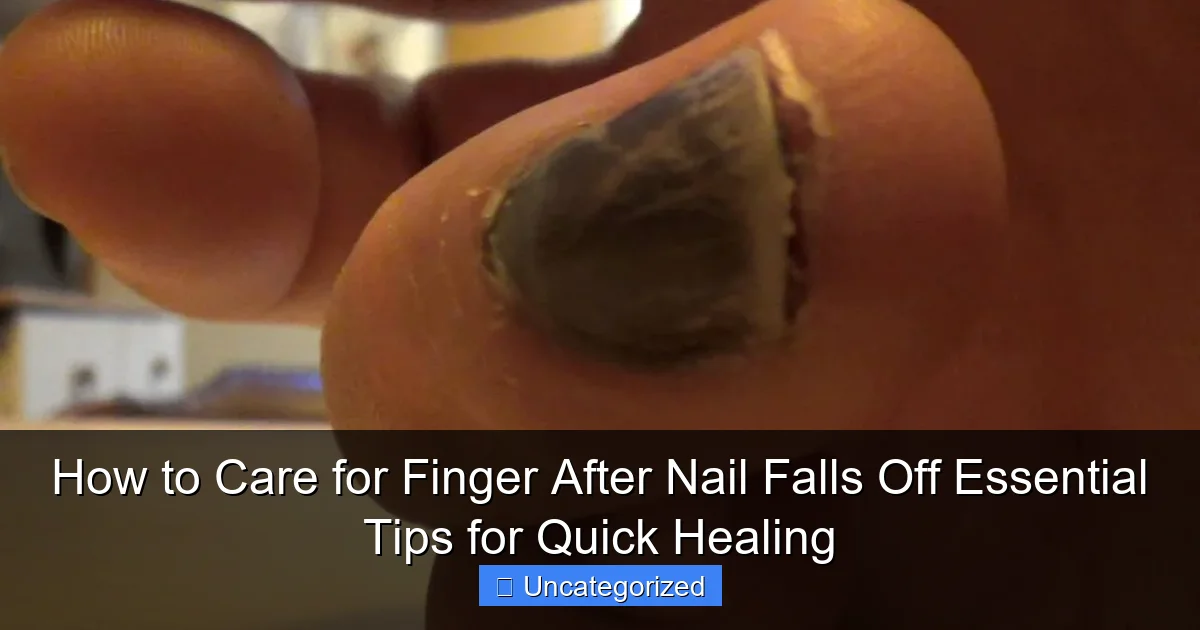
Featured image for how to care for finger after nail falls off
Image source: i.ytimg.com
Keep the area clean and dry to prevent infection after your nail falls off, as exposed nail beds are vulnerable to bacteria. Apply an antibiotic ointment and cover with a sterile bandage to promote healing and reduce pain—monitor for signs of infection like redness, swelling, or pus, and consult a doctor if they worsen.
Key Takeaways
- Keep the area clean: Wash gently with mild soap to prevent infection.
- Apply antibiotic ointment: Use to protect and speed up healing.
- Bandage the finger: Cover to shield from dirt and trauma.
- Avoid picking or pulling: Let the nail bed heal naturally.
- Monitor for infection: Seek help if swelling, pus, or redness occurs.
- Stay hydrated and nourished: Support recovery with healthy diet choices.
📑 Table of Contents
- Understanding Nail Loss: Why It Happens and What to Expect
- Immediate First Aid: What to Do Right After the Nail Falls Off
- Daily Care Routine: Steps to Promote Healing and Prevent Complications
- Diet and Supplements: Fueling Nail Regrowth from Within
- Medical Treatments and When to See a Doctor
- Long-Term Care and Preventing Future Nail Loss
Understanding Nail Loss: Why It Happens and What to Expect
Few things are more jarring than watching a fingernail or toenail suddenly detach from the nail bed. Whether due to trauma, infection, or a medical condition, losing a nail can be both painful and alarming. The sight of a missing nail often triggers concerns about hygiene, infection risk, and the timeline for regrowth. However, with proper care, you can significantly accelerate healing, reduce discomfort, and ensure the new nail grows back healthy and strong. This comprehensive guide walks you through every step of caring for your finger after a nail falls off, offering evidence-based strategies to support recovery.
Nail loss, medically termed onycholysis, occurs when the nail plate separates from the underlying nail bed. While it may seem like a minor injury, the exposed tissue underneath is vulnerable to bacteria, moisture, and further trauma. The healing process typically takes several weeks to months, depending on the cause and location (fingernails grow faster than toenails). According to the American Academy of Dermatology, fingernails grow about 3 millimeters per month, while toenails grow only 1 millimeter monthly. This means a fingernail may take 6-9 months to fully regrow, while a toenail could require 12-18 months. Understanding the phases of healing and how to protect the area is critical to minimizing complications and ensuring optimal regrowth.
Immediate First Aid: What to Do Right After the Nail Falls Off
Clean the Area Gently to Prevent Infection
The first 24-48 hours are crucial for preventing infection. Begin by washing your hands thoroughly with mild soap and lukewarm water. Use a soft washcloth to clean around the affected finger, avoiding scrubbing the exposed nail bed. If the nail fell off due to trauma (e.g., hitting your finger with a hammer), rinse the area under running water for 5 minutes to remove debris. Avoid using hydrogen peroxide or alcohol-based cleaners, as these can irritate the delicate tissue. Instead, opt for saline solution or a mild antiseptic like chlorhexidine.
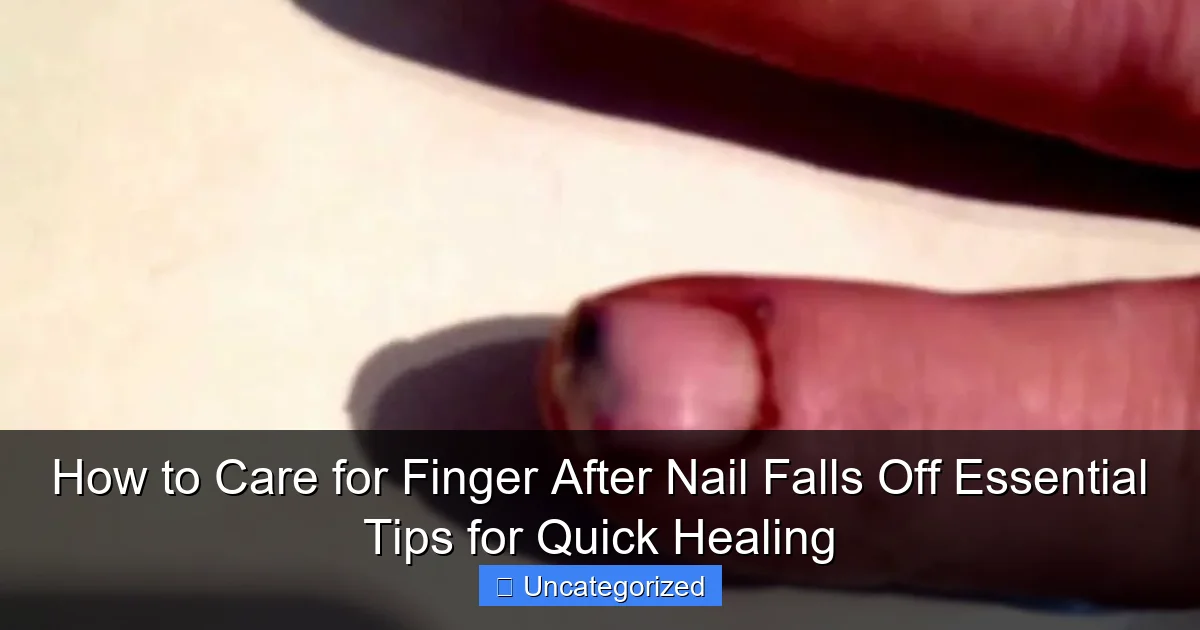
Visual guide about how to care for finger after nail falls off
Image source: i.ytimg.com
Example: Sarah, a 32-year-old teacher, accidentally slammed her finger in a classroom door. After the nail detached, she immediately washed the area with soap and water, applied chlorhexidine, and covered it with a sterile bandage. She avoided using rubbing alcohol, which she later learned could have delayed healing by drying out the tissue.
Apply a Protective Dressing
Cover the exposed nail bed with a non-stick sterile gauze or a hydrocolloid dressing. These materials create a moist healing environment, which studies show can speed up tissue regeneration by up to 40% compared to dry wound care. Secure the dressing with medical tape or a bandage, ensuring it’s snug but not tight enough to restrict blood flow. Change the dressing daily or whenever it becomes wet or soiled.
- Use non-adherent pads to avoid sticking to the wound.
- For added protection, apply a thin layer of petroleum jelly (Vaseline) under the dressing to prevent friction.
- Consider using a finger cot or silicone sleeve for extra cushioning, especially if you work with your hands.
Manage Pain and Swelling
Mild to moderate pain is common after nail loss. Over-the-counter pain relievers like ibuprofen (Advil) or acetaminophen (Tylenol) can help reduce discomfort and inflammation. Elevate the affected hand above heart level to minimize swelling, particularly if the injury occurred due to impact. Applying a cold compress for 15-20 minutes every 2-3 hours during the first 48 hours can also reduce swelling and numb the area.
Tip: Avoid placing ice directly on the skin. Wrap it in a clean cloth to prevent frostbite or further irritation.
Daily Care Routine: Steps to Promote Healing and Prevent Complications
Keep the Area Clean and Dry
Consistent hygiene is key to preventing infection. Wash the affected finger daily with mild soap and water, gently patting it dry with a clean towel. After washing, inspect the area for signs of infection, such as redness, pus, or increasing pain. Avoid soaking the finger in water for prolonged periods (e.g., during baths or dishwashing). If necessary, wear waterproof gloves or use a plastic bag secured with tape to keep the area dry.
- Shower instead of bathing to reduce exposure to bacteria in bathwater.
- Pat the area dry instead of rubbing to avoid irritation.
- Replace wet or soiled dressings immediately.
Moisturize the Nail Bed and Surrounding Skin
The exposed nail bed is prone to drying and cracking. Apply a fragrance-free moisturizer (e.g., shea butter or glycerin-based lotion) around the area 2-3 times daily, but avoid getting it directly on the raw tissue. For the nail bed itself, use a thin layer of petroleum jelly or a specialized wound-healing ointment like Aquaphor. Moisturizing helps maintain skin elasticity and supports cell regeneration.
Example: James, a 45-year-old mechanic, used a urea-based hand cream to keep his skin soft and applied Vaseline to the nail bed. His dermatologist noted that this routine reduced scab formation and minimized scarring.
Protect the Finger from Trauma
The absence of a nail leaves the fingertip vulnerable to bumps, pressure, and friction. Wear protective gloves when doing household chores, gardening, or working with tools. For daily activities, consider using a finger splint or a rigid nail guard (available at pharmacies) to shield the area. Avoid activities that require gripping hard objects (e.g., weightlifting) until the nail bed is fully healed.
- Choose gloves with a snug fit to avoid slippage.
- Use silicone fingertip protectors for light tasks.
- Pad sharp tools with foam or tape if gloves aren’t feasible.
Monitor for Signs of Infection
Watch for symptoms such as increasing redness, throbbing pain, pus, or a foul odor. If you notice these signs, consult a healthcare provider promptly. Early treatment with antibiotics (topical or oral) can prevent serious complications like cellulitis or osteomyelitis (bone infection). In rare cases, a fungal infection (onychomycosis) may develop, requiring antifungal medication.
Red flag: If the pain worsens after 3-4 days or the area becomes warm to the touch, seek medical attention immediately.
Diet and Supplements: Fueling Nail Regrowth from Within
Key Nutrients for Nail Health
Nails are primarily made of keratin, a protein, so a nutrient-rich diet is essential for regrowth. Focus on foods high in:
- Protein: Lean meats, eggs, legumes, and Greek yogurt.
- Biotin (Vitamin B7): Found in eggs, nuts, sweet potatoes, and spinach. Biotin deficiency is linked to brittle nails.
- Iron: Red meat, lentils, and spinach. Iron deficiency can cause spoon-shaped nails (koilonychia).
- Zinc: Oysters, pumpkin seeds, and beef. Zinc supports cell division and tissue repair.
- Vitamin C: Citrus fruits, bell peppers, and broccoli. This vitamin aids collagen production.
- Omega-3 Fatty Acids: Salmon, flaxseeds, and walnuts. These reduce inflammation and improve nail strength.
Tip: A 2020 study in the Journal of Cosmetic Dermatology found that participants who took biotin (2.5 mg/day) for 6 months experienced a 25% increase in nail thickness and reduced splitting.
Supplements to Consider
While a balanced diet is ideal, supplements can bridge nutritional gaps. Consider:
- Biotin: 2.5-5 mg daily. Avoid mega-doses, as they can interfere with lab tests.
- Multivitamins: Choose one with iron, zinc, and B vitamins.
- Collagen Peptides: 5-10 grams daily. Collagen supports skin and nail integrity.
- Omega-3s: 1,000-2,000 mg daily. Look for products with high EPA/DHA content.
Caution: Consult your doctor before starting supplements, especially if you have kidney issues or take blood thinners.
Hydration Matters
Dehydration can make nails brittle and slow regrowth. Aim for 8-10 glasses of water daily. Monitor urine color: pale yellow indicates good hydration. Include water-rich foods like cucumbers, watermelon, and celery in your diet.
Medical Treatments and When to See a Doctor
When to Seek Professional Help
While most nail loss cases heal with home care, consult a healthcare provider if:
- The pain is severe or worsening after 48 hours.
- There’s pus, significant swelling, or red streaks spreading up the finger.
- The nail bed appears black, blue, or discolored (possible blood clot or melanoma).
- You have diabetes, peripheral artery disease, or a compromised immune system.
- Nail regrowth is delayed (e.g., no visible growth after 2-3 months).
Doctors may perform tests like a nail culture (to check for infection) or a biopsy (if melanoma is suspected).
Prescription Treatments
Depending on the cause, a doctor may recommend:
- Antibiotics: For bacterial infections (e.g., cephalexin).
- Antifungals: For fungal infections (e.g., terbinafine).
- Topical Steroids: To reduce inflammation (e.g., hydrocortisone cream).
- Drainage: If there’s a large blood blister under the nail bed (subungual hematoma).
Example: A 60-year-old patient with a detached toenail due to fungal infection was prescribed oral terbinafine and a medicated nail polish. After 6 months, the nail regrew with minimal discoloration.
Advanced Procedures
In rare cases, minor surgery may be needed:
- Nail Bed Repair: For severe trauma, stitches or grafts may be required.
- Nail Matrix Ablation: If the nail won’t regrow properly, the matrix (growth center) can be chemically or surgically removed to prevent ingrown nails.
Long-Term Care and Preventing Future Nail Loss
Supporting Regrowth
Once the nail starts growing, it may appear uneven or thick. To promote healthy regrowth:
- Trim the new nail gently with clean clippers, avoiding sharp edges.
- Use a soft nail file to smooth rough areas.
- Apply a nail strengthener (e.g., one with keratin or calcium).
- Massage the nail bed with vitamin E oil to improve circulation.
Note: It’s normal for the new nail to look different initially. Full recovery may take 1-2 years.
Preventing Recurrence
To avoid future nail loss:
- Wear protective gloves during high-risk activities.
- Keep nails trimmed short to reduce trauma.
- Moisturize hands daily, especially in dry climates.
- Address underlying conditions like psoriasis, thyroid disorders, or fungal infections.
- Quit smoking, as it impairs circulation and slows healing.
Data Table: Common Causes of Nail Loss and Prevention Tips
| Cause | Symptoms | Prevention |
|---|---|---|
| Trauma (e.g., crush injury) | Pain, swelling, blood under nail | Wear protective gloves; avoid nail biting |
| Fungal Infection | Yellow/brown discoloration, crumbling | Keep feet dry; treat athlete’s foot promptly |
| Psoriasis | Pitting, “oil drop” spots | Moisturize; use medicated creams |
| Chemotherapy | Gradual detachment | Cooling gloves during treatment |
| Iron Deficiency | Spoon-shaped nails | Eat iron-rich foods; take supplements if needed |
When to Expect Full Recovery
Healing timelines vary:
- Fingernails: 6-9 months for full regrowth.
- Toenails: 12-18 months.
- Skin/Nail Bed Repair: 2-4 weeks.
Be patient—nail regrowth is gradual. Track progress by marking the nail bed with a pen every month to monitor growth.
Caring for a finger after nail loss requires diligence, but the payoff is a healthy, functional nail. By combining immediate first aid, daily hygiene, proper nutrition, and medical guidance when needed, you can turn a distressing injury into a manageable recovery. Remember, the exposed nail bed is delicate—treat it with care, and it will heal. Whether you’re a busy professional, an athlete, or someone who simply values their hands, these strategies ensure you’re not sidelined by nail loss for long. Prioritize prevention, stay vigilant for complications, and give your body the nutrients it needs. With time and consistency, your nail will regrow stronger than ever.
Frequently Asked Questions
How do I care for my finger after a nail falls off to prevent infection?
Keep the area clean and dry, washing gently with mild soap and water. Apply an antibiotic ointment and cover it with a sterile bandage to protect the exposed nail bed and reduce infection risks.
What should I do if my finger is throbbing after the nail falls off?
Elevate the hand and apply a cold compress to reduce swelling and pain. Over-the-counter pain relievers like ibuprofen can also help manage discomfort while the finger heals.
How long does it take for a new nail to grow after the old one falls off?
Fingernails typically regrow in 4–6 months, though the exposed nail bed will form a protective layer within a few days. Proper care for your finger after the nail falls off can support faster healing and healthy regrowth.
Can I use nail polish or fake nails while my finger is healing?
Avoid nail products until the nail bed is fully protected by new tissue (about 1–2 weeks). Chemicals in polish or adhesives can irritate the sensitive area and delay healing.
When should I see a doctor for my finger after a nail falls off?
Seek medical help if you notice signs of infection (pus, redness, warmth) or severe pain. A doctor may prescribe antibiotics or recommend specialized care for the affected finger.
Are there natural remedies to speed up healing after a nail falls off?
Soak the finger in a mix of warm water and Epsom salt to reduce inflammation. Aloe vera or coconut oil can also soothe the area, but always prioritize keeping the finger clean and covered.