
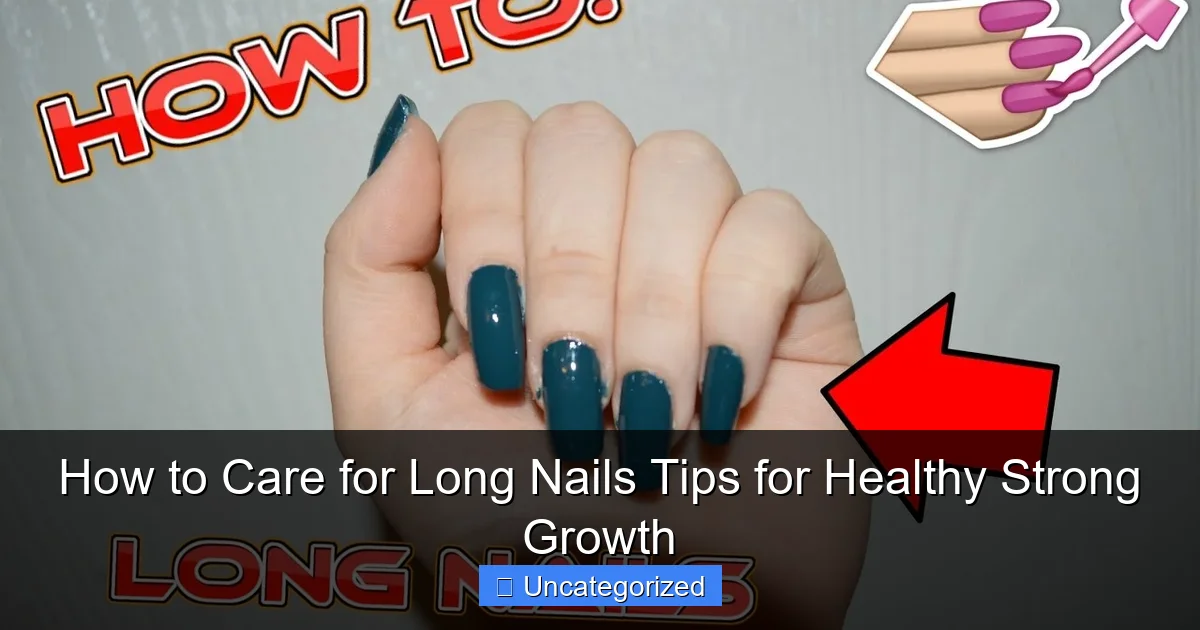
Featured image for how to care for long nails
Image source: i.ytimg.com
Keep your long nails strong and healthy by maintaining a consistent nail care routine that includes regular moisturizing, gentle filing, and protection from harsh chemicals. Avoid excessive water exposure and always wear gloves during cleaning tasks to prevent splitting and breakage, while incorporating a nutrient-rich diet and cuticle oil to support resilient, long-lasting growth.
Key Takeaways
- Moisturize daily: Apply cuticle oil and hand cream to prevent dryness and brittleness.
- Trim regularly: Keep nails even and prevent snags with consistent shaping and filing.
- Wear gloves: Protect nails from water, chemicals, and trauma during chores or work.
- Eat a balanced diet: Boost growth with protein, biotin, and vitamins A, C, and E.
- Limit polish use: Allow nails to breathe; opt for breathable or strengthening formulas.
- Hydrate from within: Drink enough water to maintain nail flexibility and reduce breakage.
📑 Table of Contents
How to Care for Long Nails Tips for Healthy Strong Growth
Long, elegant nails have long been a symbol of beauty, self-expression, and personal style. Whether you’re rocking a classic French manicure, bold gel extensions, or simply embracing your natural nail length, maintaining long nails requires more than just patience and polish. The journey to achieving and sustaining strong, healthy long nails is a combination of proper care, nutrition, lifestyle habits, and protection from everyday wear and tear. Unlike short nails, long ones are more susceptible to breakage, splitting, lifting, and environmental damage, making consistent maintenance essential.
Many people dream of having long nails but are often discouraged by chipping, peeling, or slow growth. The truth is, with the right approach, anyone can grow and maintain beautiful long nails—no matter their starting point. From understanding your nail anatomy to choosing the right products and protecting your hands daily, this guide covers everything you need to know. Whether you’re growing out natural nails or enhancing them with extensions, the principles of nail health remain the same: hydration, protection, and consistency. In this comprehensive post, we’ll dive into the science-backed and expert-recommended strategies to help you achieve strong, healthy, long nails that turn heads—without sacrificing strength or durability.
Understanding Nail Anatomy and Growth
Before diving into care techniques, it’s crucial to understand how your nails grow and what makes them strong. Your nails are made of a protein called keratin, the same substance that forms your hair and skin. The visible part of the nail is called the nail plate, while the nail bed is the skin beneath it. The cuticle—a thin layer of dead skin at the base—acts as a protective barrier against bacteria and infections. The matrix, located under the cuticle, is the living tissue responsible for producing new nail cells. As these cells multiply and harden, they push the older, keratinized cells forward, creating the growth we see.
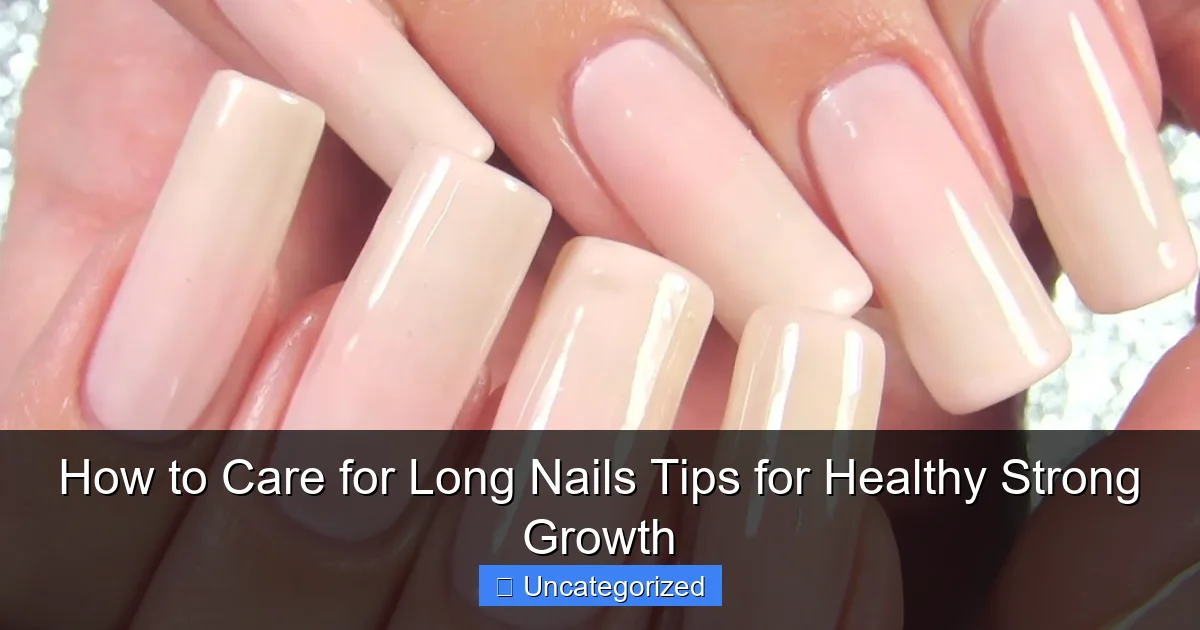
Visual guide about how to care for long nails
Image source: i.ytimg.com
How Fast Do Nails Grow?
On average, fingernails grow about 3.5 millimeters per month, though this varies by age, genetics, health, and even the time of year (nails grow faster in summer due to increased blood circulation). The index finger tends to grow the fastest, while the pinky grows the slowest. Toenails grow at about half the rate of fingernails. While you can’t drastically speed up growth, you can create an environment that supports optimal health, allowing nails to grow to their full potential without breaking or splitting.
Factors That Affect Nail Health
- Hormones: Pregnancy, thyroid imbalances, and menopause can accelerate or slow growth.
- Age: Nails tend to grow more slowly as we age.
- Season: Warmer months often bring faster growth due to improved circulation.
- Diet: Deficiencies in biotin, protein, iron, and vitamins A, C, and E can weaken nails.
- Hydration: Dehydrated nails become brittle and prone to breakage.
- Trauma: Repeated impact, typing, or using nails as tools can cause micro-damage over time.
Signs of Unhealthy Nails
Pay attention to these warning signs, which indicate your long nails need extra care:
- Yellowing or discoloration
- Peeling or splitting at the edges
- Vertical or horizontal ridges
- White spots (often due to minor trauma, not calcium deficiency)
- Soft, bendable nails
- Receding cuticles or hangnails
Addressing these issues early prevents long-term damage and supports healthy growth.
Daily Care Routine for Long Nails
Consistency is key when caring for long nails. A well-structured daily routine protects your investment and promotes strength. Think of your nails like your skin—they need cleansing, moisturizing, and protection. A few minutes each day can make a significant difference in durability and appearance.
Moisturize Hands and Nails
Hydration is the cornerstone of long nail care. Dry, brittle nails are more likely to snap or peel. Apply a rich hand cream and cuticle oil at least twice daily—morning and night. Look for ingredients like:
- Shea butter: Deeply nourishes and softens skin
- Jojoba oil: Mimics the skin’s natural sebum for fast absorption
- Vitamin E: Antioxidant that strengthens and repairs
- Hyaluronic acid: Locks in moisture
Pro tip: After washing your hands, gently massage cuticle oil into the base of each nail. This boosts circulation to the matrix, encouraging faster, healthier growth.
Gentle Cleansing Practices
Long nails trap more dirt and bacteria, especially under the free edge. Use a soft nail brush with mild soap to clean underneath nails during handwashing. Avoid harsh soaps or alcohol-based sanitizers, which strip natural oils. When using hand sanitizer, follow with hand cream immediately to prevent drying.
Protect Nails from Water Exposure
Prolonged water exposure softens the nail plate, increasing the risk of breakage. When washing dishes, bathing, or doing household chores, wear rubber gloves. Even a 10-minute soak in soapy water can weaken nails. For extra protection, apply a thin layer of nail hardener before water exposure—but avoid overuse, as some hardeners can make nails too rigid and prone to snapping.
Avoid Using Nails as Tools
One of the most common causes of nail breakage is using nails to open cans, peel off labels, or scratch off stickers. This creates micro-tears and weakens the structure. Train yourself to use proper tools—scissors, bottle openers, or a key—instead of your fingertips. If you’re in a pinch, use the side of your hand or a credit card.
Nighttime Nail Care Ritual
Before bed, apply a thicker moisturizer or overnight nail mask. You can even wear moisturizing gloves to lock in hydration. This is the time when your body repairs itself, so giving your nails extra attention at night maximizes recovery and strength.
Nutrition and Supplements for Nail Strength
You can apply all the creams and oils in the world, but if your body is deficient in key nutrients, your nails will show it. Long nails require internal support just as much as external care. Think of your diet as the foundation of your nail health—strong from the inside out.
Key Nutrients for Healthy Nails
- Biotin (Vitamin B7): Perhaps the most well-known nail supplement. Biotin supports keratin production and may reduce brittleness. Studies show that 2.5 mg of biotin daily can improve nail thickness by up to 25% in people with brittle nails.
- Protein: Nails are made of protein, so a diet rich in lean meats, eggs, legumes, and dairy supports growth.
- Iron: Iron deficiency (anemia) can cause spoon-shaped nails (koilonychia) and vertical ridges. Include spinach, lentils, red meat, and fortified cereals.
- Zinc: Supports cell growth and repair. Found in pumpkin seeds, shellfish, and nuts.
- Omega-3 Fatty Acids: Reduce inflammation and improve nail flexibility. Found in fatty fish (salmon, mackerel), flaxseeds, and walnuts.
- Vitamins A, C, and E: Antioxidants that protect against free radical damage. Vitamin C also aids collagen production, essential for nail matrix health.
Foods to Eat for Strong Long Nails
Incorporate these nail-friendly foods into your weekly meals:
- Eggs (biotin, protein, selenium)
- Salmon (omega-3s, vitamin D)
- Sweet potatoes (beta-carotene, vitamin A)
- Almonds (vitamin E, magnesium)
- Oysters (zinc, iron)
- Kale (iron, calcium, vitamin K)
- Chia seeds (omega-3s, protein)
- Oranges (vitamin C, hydration)
Supplements: Do They Work?
While a balanced diet is ideal, supplements can help fill nutritional gaps. Consider:
- Biotin supplements: 2.5–10 mg daily (consult a doctor if you have thyroid issues)
- Multivitamins with biotin and zinc: Convenient for those with dietary restrictions
- Collagen peptides: May improve nail strength and growth speed. Look for hydrolyzed collagen for better absorption.
- Fish oil or algae oil: For omega-3s, especially if you don’t eat fish
Note: Supplements take time—results may not be visible for 3–6 months. Be patient and consistent.
Choosing the Right Products and Tools
With so many nail products on the market, it’s easy to get overwhelmed. Not all products are created equal, and some can do more harm than good. Choosing high-quality, nail-friendly items ensures you’re protecting rather than damaging your long nails.
Nail Hardeners vs. Nail Conditioners
There’s a common misconception that all hardeners are good. In reality, some contain formaldehyde, which can make nails too rigid and brittle. Instead, opt for:
- Nail conditioners: Contain moisturizing ingredients like jojoba oil, panthenol, and silk proteins. They strengthen without drying.
- Protein-based treatments: Use hydrolyzed keratin or silk to reinforce the nail plate.
Use hardeners sparingly—only when nails are extremely soft or peeling. Apply once a week, not daily.
Base Coats and Top Coats
Never skip these steps in your manicure:
- Base coat: Creates a protective barrier, prevents staining, and helps polish adhere. Choose one with strengthening ingredients like calcium or nylon fibers.
- Top coat: Seals in color, adds shine, and protects against chipping. Use a quick-dry top coat with UV protection to prevent yellowing.
Reapply top coat every 2–3 days to extend wear and protect long nails from daily wear.
Cuticle Care Tools
Invest in quality tools for at-home care:
- Cuticle pusher: Use a rubber or wooden pusher (not metal) to gently push back cuticles after a shower when they’re soft.
- Cuticle nippers: Only use to trim loose, dead skin—never cut live cuticles. Over-cutting can lead to infections.
- Glass nail file: Safer than emery boards, which can cause micro-tears. File in one direction to prevent splitting.
Polish and Removal Products
Choose 3-free or 5-free nail polishes (free of formaldehyde, toluene, DBP, camphor, and formaldehyde resin). For removal, avoid acetone if possible—it dries out nails. Use acetone-free removers with added moisturizers. Soak cotton balls and apply to each nail for 30 seconds before wiping to reduce rubbing.
Professional Treatments and When to See a Specialist
While at-home care is essential, professional treatments can accelerate progress and address deeper issues. Knowing when to seek help prevents long-term damage and ensures your long nails stay healthy.
Regular Manicures and Pedicures
Visit a licensed nail technician every 2–3 weeks for maintenance. A professional manicure includes:
- Cuticle care (gently pushing back and moisturizing)
- Nail shaping and buffing
- Exfoliation and hydration
- Polishing or gel application
Ensure the salon follows strict hygiene practices: tools should be sterilized, and foot baths should be disinfected. Bring your own tools if you’re concerned about cross-contamination.
When to Avoid Gel and Acrylic Extensions
While extensions can give you instant length, they can weaken natural nails if not applied or removed properly. Signs you should avoid extensions:
- Thin, peeling, or soft natural nails
- History of nail infections
- Allergies to acrylic or gel ingredients
- Frequent lifting or peeling of previous extensions
If you do get extensions, choose a reputable technician who uses quality products and doesn’t over-file the natural nail.
Medical Conditions and Dermatologist Visits
Sometimes, nail problems stem from underlying health issues. See a dermatologist or healthcare provider if you experience:
- Persistent discoloration (yellow, green, or black)
- Thickened or distorted nails
- Pain, swelling, or pus (possible infection)
- Sudden changes in nail shape or texture
Conditions like psoriasis, fungal infections, thyroid disease, and circulation problems can all affect nail health. A professional can diagnose and treat these effectively.
Advanced Treatments
For stubborn nail issues, dermatologists may recommend:
- Prescription antifungals: For fungal infections
- Nail lacquers (e.g., ciclopirox): Topical antifungal treatments
- Platelet-rich plasma (PRP): Emerging treatment for slow growth or nail matrix damage
- Custom nail splints: For trauma-related nail loss
Protecting Long Nails in Daily Life
Even with perfect care, long nails face daily challenges. From typing to cooking, your nails are constantly exposed to stress. Smart habits and protective strategies help minimize damage.
Work and Typing Tips
Typing with long nails can cause chipping or lifting. To reduce impact:
- Use a light touch on the keyboard
- Keep nails slightly rounded or almond-shaped (less prone to catching)
- Wear fingerless gloves with silicone tips for extra grip and protection
- Use a wrist rest to reduce hand strain
Household Chores and Glove Use
Always wear gloves when:
- Doing dishes
- Cleaning with chemicals (bathroom, oven, or disinfectants)
- Gardening or yard work
- Handling laundry detergent
Choose gloves with a snug fit to prevent water from seeping in. Cotton-lined rubber gloves offer comfort and protection.
Exercise and Sports
During workouts, long nails can catch on equipment or cause hand discomfort. Trim nails slightly before high-impact activities, or wear padded gloves. For yoga or weightlifting, consider taping the tips of your nails to prevent snagging.
Travel and Climate Considerations
Air travel and climate changes affect nail health:
- Cabin pressure and dry air can dehydrate nails—apply cuticle oil before and during flights
- In cold weather, wear gloves to protect nails from wind and cold
- In humid climates, nails may absorb moisture and become soft—use a hardener occasionally
Sleep Protection
Long nails can snag on sheets or pillowcases. Use soft, breathable fabrics like cotton or bamboo. Avoid synthetic materials that cause friction. You can also wear soft cotton gloves at night to protect nails from accidental catching.
Below is a quick-reference guide summarizing key care practices:
| Care Practice | Frequency | Recommended Product/Method |
|---|---|---|
| Moisturize hands & nails | 2–3 times daily | Cuticle oil, hand cream with shea butter |
| Wear gloves | During water exposure & chores | Rubber gloves (cotton-lined) |
| Apply base & top coat | With every manicure, reapply top coat every 2–3 days | Strengthening base coat, quick-dry top coat |
| File & shape | Every 1–2 weeks | Glass nail file, one-direction filing |
| Professional manicure | Every 2–3 weeks | Licensed technician, hygienic salon |
| Take biotin supplement | Daily | 2.5–5 mg biotin (consult doctor) |
Long nails are more than just a beauty statement—they’re a reflection of your overall health and self-care. By understanding how nails grow, committing to a daily care routine, nourishing your body from within, choosing the right products, and protecting your hands, you can achieve the strong, healthy, long nails you’ve always wanted. Remember, nail growth is a marathon, not a sprint. Consistency, patience, and attention to detail are your greatest allies. With these tips, you’ll not only grow longer nails but keep them beautiful, resilient, and break-free for years to come. Embrace the journey, celebrate small victories, and enjoy the confidence that comes with well-cared-for hands.
Frequently Asked Questions
How can I prevent my long nails from breaking easily?
Keep your nails moisturized with cuticle oil and hand cream daily, and avoid exposing them to harsh chemicals or excessive water. Use a strengthening base coat to reinforce weak nails and reduce breakage during growth.
What’s the best way to maintain healthy long nails?
Trim and file your nails regularly to prevent snags, and maintain a balanced diet rich in biotin, protein, and vitamins. Protect your long nails by wearing gloves during chores to minimize damage.
How often should I trim my cuticles for long nail care?
Push back cuticles gently once a week after a shower when they’re soft, but avoid cutting them to prevent infections. Regular cuticle care promotes healthier nail growth and reduces the risk of hangnails.
Can I use nail polish while caring for long nails?
Yes, but always use a nourishing base coat to protect your nails from staining and dehydration. Limit frequent polish changes and opt for non-acetone removers to maintain nail strength.
What tools do I need for proper long nail care?
Invest in a glass nail file, cuticle pusher, buffer block, and a quality nail clipper. These tools help maintain shape, smooth edges, and support healthy long nail growth without splitting.
How long does it take for long nails to grow naturally?
Fingernails grow about 3mm per month, so reaching your desired length can take 6–12 months. Consistency with care, hydration, and a nutrient-rich diet speeds up the process and improves nail resilience.