
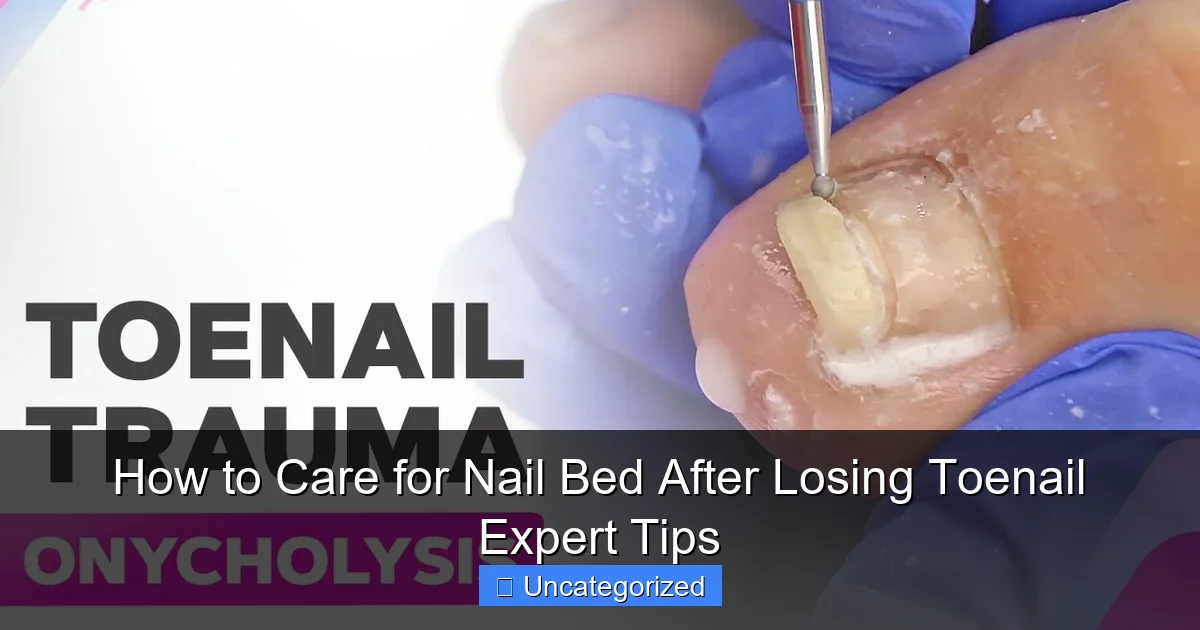
Featured image for how to care for nail bed after losing toenail
Image source: i.ytimg.com
Keep the exposed nail bed clean and dry to prevent infection after losing a toenail, as this is the most critical step in promoting safe healing. Apply an antibiotic ointment and cover with a sterile bandage to protect the sensitive tissue while allowing it to breathe—monitor daily for signs of redness, swelling, or pus. Replace footwear with loose, breathable options to reduce pressure and friction during recovery.
Key Takeaways
- Keep it clean: Wash the area daily with mild soap and water to prevent infection.
- Protect the bed: Apply an antiseptic and cover with a sterile bandage for healing.
- Avoid pressure: Wear open-toed or loose-fitting shoes to reduce irritation and trauma.
- Monitor for infection: Watch for redness, swelling, or pus and seek medical help if present.
- Trim carefully: Use clean tools to trim remaining nail and prevent further damage.
- Stay hydrated: Moisturize the nail bed with petroleum jelly to promote healthy regrowth.
📑 Table of Contents
Understanding the Toenail Loss Process
Why Do Toenails Fall Off?
Toenails can fall off due to a variety of reasons, including trauma, fungal infections, psoriasis, or even poor circulation. A common cause is stubbing the toe or wearing ill-fitting shoes that repeatedly press against the nail. This repetitive pressure, known as subungual hematoma, causes blood to pool beneath the nail, lifting it from the nail bed. Over time, the nail may detach entirely. Other causes include severe athlete’s foot, which weakens the nail structure, or underlying health conditions like diabetes, where poor blood flow and nerve damage increase the risk of injury and slow healing.
Understanding the cause is crucial because it informs your care strategy. For example, if the loss was due to trauma, your focus will be on protecting the exposed nail bed. If it resulted from a fungal infection, you’ll need antifungal treatment in addition to wound care. According to the American Academy of Dermatology, up to 10% of adults experience nail problems annually, with toenails being more prone than fingernails due to their location and exposure to pressure.
Anatomy of the Nail Bed: What’s at Stake
The nail bed is a delicate, living tissue beneath the toenail that contains blood vessels, nerves, and specialized cells responsible for nail growth. When a toenail is lost, this sensitive area is exposed, making it vulnerable to infection, pain, and delayed healing. The nail bed also produces the new nail that will eventually replace the lost one, so preserving its health is essential for proper regrowth.
Key structures in the nail bed include:
- Lunula: The crescent-shaped area at the base of the nail, where new nail cells are generated.
- Matrix: The root of the nail, responsible for producing nail plate cells.
- Hyponychium: The thickened skin under the free edge of the nail, acting as a barrier against bacteria.
Damage to these structures during nail loss can lead to permanent changes in nail shape, texture, or growth patterns. For instance, a deep cut into the matrix may result in a split or ridged new nail. Therefore, immediate and consistent care is vital.
Immediate First Aid: What to Do Right After Nail Loss
Step-by-Step First Response
If you’ve just lost a toenail, your first priority is to minimize infection risk and reduce pain. Follow these steps:
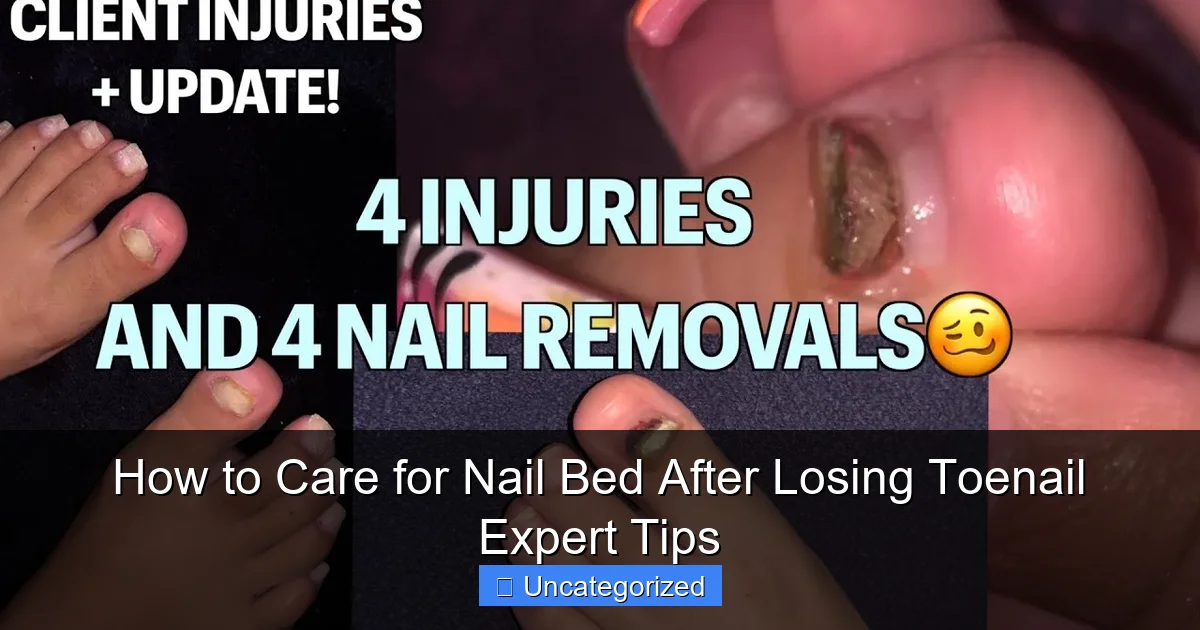
Visual guide about how to care for nail bed after losing toenail
Image source: i.ytimg.com
- Clean the area: Soak your foot in warm, soapy water for 10–15 minutes. Use mild antibacterial soap to gently wash the exposed nail bed. Avoid scrubbing, which can cause further trauma.
- Stop bleeding: If there’s bleeding, apply gentle pressure with a clean gauze pad for 5–10 minutes. Elevating the foot can also help reduce blood flow to the area.
- Apply antiseptic: Use a cotton swab to apply an antiseptic like hydrogen peroxide (diluted to 3%) or povidone-iodine (Betadine) to the nail bed. These solutions kill bacteria without damaging healthy tissue.
- Cover the wound: Apply a non-stick sterile dressing or antibiotic ointment (e.g., Neosporin) and secure it with a bandage. Change the dressing daily or whenever it gets wet or dirty.
Example: After dropping a heavy tool on his big toe, Mark cleaned the area with soapy water, applied Betadine, and used a hydrocolloid bandage to protect the nail bed. Within two weeks, the pain subsided, and new nail growth became visible.
Pain Management and Swelling Reduction
Toenail loss often causes throbbing pain and swelling. Over-the-counter pain relievers like ibuprofen (Advil) or acetaminophen (Tylenol) can help manage discomfort. For swelling, apply a cold compress (wrapped in a cloth) for 15–20 minutes every 2–3 hours during the first 48 hours. Avoid placing ice directly on the skin, as it can cause frostbite.
For persistent pain or signs of infection (e.g., pus, red streaks), consult a healthcare provider. They may prescribe oral antibiotics or topical treatments. In rare cases, a doctor may need to drain a hematoma (blood blister) beneath the nail bed to relieve pressure.
Daily Care Routine: Protecting and Healing the Nail Bed
Hygiene and Cleaning Practices
Keeping the nail bed clean is the cornerstone of recovery. Follow this daily routine:
- Wash twice daily: Use lukewarm water and mild soap. Gently pat dry with a clean towel—never rub, as this can irritate the tissue.
- Antiseptic rinses: After washing, apply a diluted antiseptic solution (e.g., 1:10 vinegar-to-water mix) to kill bacteria. Vinegar’s acetic acid creates an environment hostile to microbes.
- Foot soaks: Soak your foot in a solution of warm water and Epsom salts (1–2 cups per gallon) for 15–20 minutes. Epsom salts reduce inflammation and soften the skin, making it easier to clean.
Tip: Avoid soaking for longer than 20 minutes, as prolonged exposure to water can weaken the nail bed tissue and increase infection risk.
Moisturizing and Dressing the Nail Bed
The nail bed dries out easily when exposed, leading to cracking and delayed healing. To maintain moisture:
- Apply emollient-rich creams: Use products with urea, glycerin, or shea butter. These ingredients hydrate and protect the skin. For example, a 10% urea cream can prevent dryness without clogging pores.
- Use occlusive dressings: Hydrocolloid or silicone gel bandages create a moist wound environment, which speeds healing by up to 50% compared to dry dressings (per a 2020 study in the Journal of Wound Care).
- Change dressings daily: Remove the old bandage, clean the area, and apply a fresh dressing. If the wound is oozing, use an absorbent pad to prevent maceration (skin softening due to excess moisture).
Example: Sarah, who lost a toenail after a hiking injury, used a silicone gel sheet overnight and applied urea cream in the morning. Her nail bed healed in 3 weeks with minimal scarring.
Footwear and Activity Modifications
Your shoes play a critical role in recovery. Follow these guidelines:
- Choose wide-toe shoes: Opt for footwear with a roomy toe box (e.g., athletic shoes or sandals). Tight shoes increase pressure on the nail bed.
- Use toe protectors: Foam or gel toe caps cushion the area and prevent accidental bumps. Brands like ZenToes offer breathable, reusable protectors.
- Avoid high-impact activities: Skip running, jumping, or sports until the nail bed is fully healed. Low-impact exercises like swimming or cycling are safer alternatives.
Data insight: A 2019 study in the Journal of Foot and Ankle Research found that 78% of patients who wore protective footwear after nail loss experienced faster healing than those who didn’t.
Promoting Nail Regrowth: What to Expect and How to Help
Timeline of Nail Regrowth
Toenails grow slowly—about 1–2 millimeters per month. Full regrowth can take 6–18 months, depending on age, health, and the extent of damage. Here’s a general timeline:
- Weeks 1–4: The nail bed heals, and a new nail matrix forms.
- Weeks 5–8: A white, crescent-shaped area (lunula) appears at the base of the nail bed, signaling active growth.
- Months 3–6: The new nail plate becomes visible, starting as a thin, translucent layer.
- Months 7–18: The nail thickens and darkens, eventually replacing the lost nail.
Note: Older adults may experience slower growth due to reduced circulation and cell turnover. Diabetics should monitor blood sugar levels, as high glucose can impair healing.
Nutrition and Supplements for Faster Healing
Nail health depends on proper nutrition. Focus on:
- Protein: Nails are made of keratin, a protein. Include lean meats, eggs, legumes, and Greek yogurt in your diet.
- Iron: Iron deficiency causes brittle nails. Eat spinach, red meat, or iron-fortified cereals. Pair with vitamin C (e.g., oranges) to boost absorption.
- Biotin: This B vitamin strengthens nails. Take 2.5–5 mg daily via supplements or foods like almonds, sweet potatoes, and salmon.
- Omega-3s: Fatty acids reduce inflammation. Consume flaxseeds, walnuts, or fish oil supplements.
Example: After losing a toenail in a skiing accident, David added a daily biotin supplement and increased his protein intake. His new nail grew 25% faster than expected, according to his podiatrist.
Medical Treatments for Accelerated Regrowth
If natural healing is slow, consider these options:
- Topical growth stimulants: Prescription creams containing tretinoin (Retin-A) or minoxidil can boost cell turnover in the nail matrix.
- Platelet-rich plasma (PRP) therapy: A doctor injects concentrated platelets from your blood into the nail bed, promoting tissue repair. Studies show PRP can reduce regrowth time by 30–40%.
- Laser therapy: Low-level laser treatments stimulate blood flow and cell activity in the nail bed. Sessions cost $50–$100 and require 3–5 visits.
Data table: Nail Regrowth Treatments
| Treatment | Effectiveness | Average Cost | Session Duration |
|---|---|---|---|
| Topical minoxidil | Moderate (20–30% faster) | $20–$40/month | Daily application |
| PRP therapy | High (30–40% faster) | $500–$1,500 | 1–2 hours |
| Laser therapy | Moderate (25–35% faster) | $50–$100/session | 15–30 minutes |
Preventing Infections and Complications
Signs of Infection to Watch For
An exposed nail bed is prone to infections like cellulitis or osteomyelitis (bone infection). Seek medical help if you notice:
- Increasing pain: Pain that worsens after 3–4 days.
- Pus or discharge: Yellow or green fluid, especially with a foul odor.
- Redness and swelling: Spreading redness (more than 1 inch around the nail bed).
- Fever: A temperature above 100.4°F (38°C).
Example: After a pedicure gone wrong, Lisa developed red streaks up her foot and a fever. Her doctor diagnosed early cellulitis and prescribed oral antibiotics, preventing further complications.
Antifungal and Antibacterial Measures
To prevent fungal or bacterial growth:
- Use antifungal sprays: Apply products with terbinafine (Lamisil) to the nail bed and surrounding skin, especially if you have a history of athlete’s foot.
- Rotate footwear: Wear different shoes each day to allow them to dry fully. Store shoes in a well-ventilated area.
- Wear moisture-wicking socks: Choose materials like merino wool or synthetic blends that keep feet dry. Change socks if they get damp.
Tip: Sprinkle antifungal powder (e.g., Zeasorb) inside shoes daily to kill spores.
When to See a Doctor
Consult a healthcare provider if:
- The nail bed shows no improvement after 4 weeks.
- You have diabetes, poor circulation, or a weakened immune system.
- The nail fails to regrow or grows abnormally (e.g., thickened, discolored).
Doctors may perform tests like nail bed biopsies or X-rays to check for underlying conditions. In severe cases, surgical nail removal or matrixectomy (permanent nail removal) may be necessary.
Long-Term Care and Maintenance
Protecting the New Nail
Once the new nail grows in, protect it by:
- Trimming straight across: Use sharp, clean clippers to prevent ingrown nails.
- Applying protective polish: A clear coat of nail hardener or gel polish shields the nail from trauma.
- Wearing protective footwear: In high-risk environments (e.g., construction sites), wear steel-toe boots.
Preventing Future Nail Loss
Reduce recurrence risk by:
- Choosing proper footwear: Get professionally fitted shoes with adequate toe space.
- Managing chronic conditions: Control diabetes, psoriasis, or fungal infections with medication.
- Regular foot inspections: Check for cuts, swelling, or discoloration weekly.
Emotional and Psychological Support
Nail loss can affect self-esteem, especially if the toenail is visible (e.g., in sandals). To cope:
- Talk to a therapist: Address body image concerns or anxiety.
- Join support groups: Online forums for chronic nail conditions provide community and advice.
- Practice self-care: Focus on activities that boost confidence, like exercise or hobbies.
Losing a toenail is a challenging experience, but with the right care, your nail bed can heal fully. By following these expert tips—from immediate first aid to long-term maintenance—you’ll protect your nail bed, prevent complications, and support healthy regrowth. Remember, patience is key: toenails take time to grow, but consistency in care makes all the difference. Prioritize hygiene, nutrition, and professional guidance to ensure your feet stay strong and healthy.
Frequently Asked Questions
How do I care for my nail bed after losing a toenail?
Keep the area clean and dry to prevent infection. Gently wash with mild soap, apply an antibiotic ointment, and cover with a sterile bandage until the nail bed heals.
What are the signs of infection in a toenail bed after nail loss?
Watch for redness, swelling, pus, or increasing pain around the nail bed. If you notice these symptoms, consult a healthcare provider promptly to avoid complications.
How long does it take for a toenail bed to heal after losing the nail?
The nail bed typically heals within 1–2 weeks, but full toenail regrowth can take 6–12 months. Protect the area during recovery to support proper healing.
Can I speed up healing of my nail bed after losing a toenail?
Yes, elevate your foot to reduce swelling, avoid tight shoes, and use a saline soak to soothe the nail bed. Proper wound care promotes faster recovery.
Should I cover the exposed nail bed after losing a toenail?
Covering the nail bed with a non-stick bandage helps protect it from friction and bacteria. Change the dressing daily and keep the area dry for optimal healing.
How can I protect the new nail bed while it regrows?
Wear breathable, roomy footwear and avoid trauma to the toe. Moisturize the surrounding skin (but not the nail bed) to prevent cracking and support healthy regrowth.