

Featured image for how to care for nail fungus
Image source: i.ytimg.com
Early intervention is crucial when treating nail fungus—promptly using antifungal treatments and maintaining strict nail hygiene can stop the infection from spreading. Combine topical or oral antifungals with daily habits like keeping nails dry, trimmed, and avoiding shared tools to promote recovery and prevent reinfection. Consistency and patience are key, as full nail regrowth may take months.
Key Takeaways
- Keep nails dry: Moisture worsens fungus; dry hands and feet thoroughly after washing.
- Use antifungal treatments: Apply topical or oral antifungals as directed for consistent results.
- Trim nails properly: Cut straight across to reduce pressure and prevent further damage.
- Wear breathable footwear: Choose moisture-wicking socks and well-ventilated shoes daily.
- Disinfect tools: Sterilize nail clippers and files to avoid spreading infection.
- Avoid nail polish: Skip polish to let nails breathe and monitor progress easily.
📑 Table of Contents
Understanding Nail Fungus: The Basics
What Is Nail Fungus?
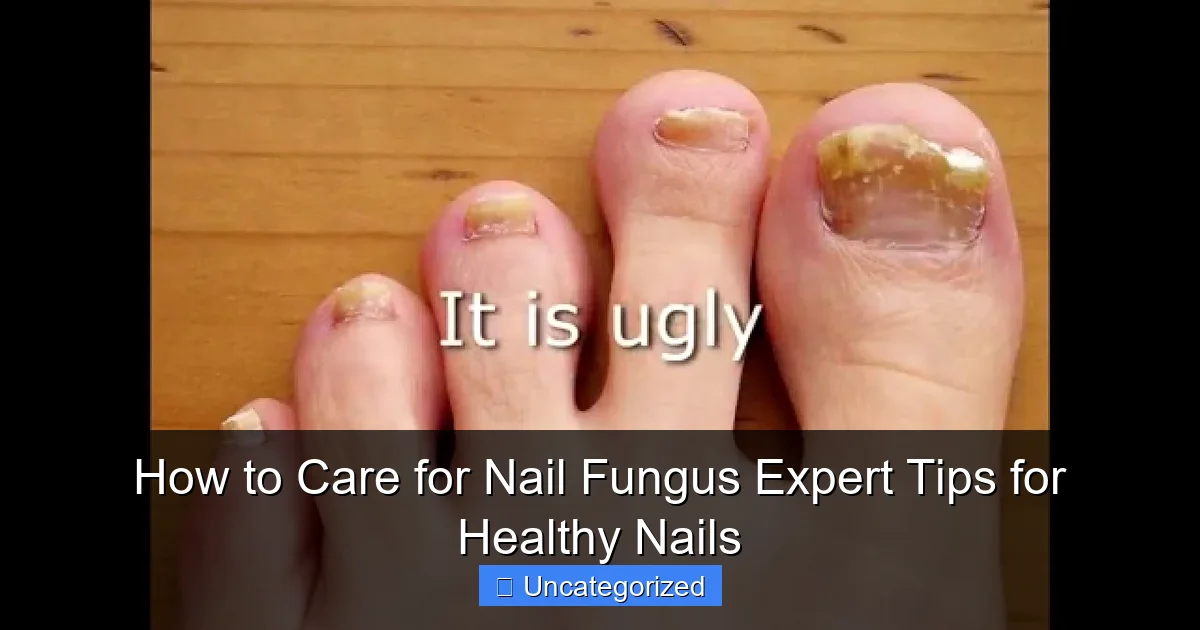
Nail fungus, medically known as onychomycosis, is a common fungal infection that affects the fingernails and toenails. It occurs when dermatophytes, yeasts, or molds penetrate the nail bed, often thriving in warm, moist environments. The condition typically starts as a white or yellow spot under the tip of the nail and gradually spreads, leading to discoloration, thickening, crumbling, and even pain in severe cases. According to the American Academy of Dermatology, onychomycosis affects approximately 10% of the global population, with toenail infections being more prevalent than fingernail infections due to the ideal environment footwear provides for fungal growth.
Understanding the root causes of nail fungus is the first step toward effective care and prevention. Fungi are opportunistic organisms that exploit weakened immune systems, poor hygiene, or compromised nail health. While anyone can develop nail fungus, certain factors increase susceptibility, including aging, diabetes, athlete’s foot, poor circulation, and frequent exposure to damp communal areas like swimming pools and gyms. Early detection and treatment are crucial, as untreated nail fungus can lead to permanent nail damage, secondary bacterial infections, and reduced quality of life. This guide will walk you through expert-backed strategies to manage, treat, and prevent nail fungus for stronger, healthier nails.
Signs and Symptoms to Watch For
- Discoloration: Yellow, white, brown, or greenish hues under the nail.
- Thickening: Nails become abnormally thick and difficult to trim.
- Brittleness: Cracks, splits, or crumbles easily.
- Distorted shape: Nails may lift from the nail bed (onycholysis).
- Odor: Foul smell emanating from the infected nail.
- Pain or discomfort: Especially when wearing shoes or walking.
For example, a runner who frequently uses public locker rooms may notice yellowing and thickening of their toenails after months of training. This is a classic sign of fungal infection exacerbated by damp socks and shared showers. Recognizing these symptoms early allows for quicker intervention and reduces the risk of complications.
Diagnosis and Professional Care for Nail Fungus
When to See a Doctor
While mild cases of nail fungus may be managed at home, certain situations warrant professional medical evaluation. If you experience persistent discoloration, severe pain, or signs of infection (swelling, pus), consult a dermatologist or podiatrist immediately. Individuals with diabetes, peripheral vascular disease, or weakened immune systems should seek medical care early, as nail fungus can lead to serious complications like cellulitis or foot ulcers in these populations. A 2020 study published in the Journal of the American Academy of Dermatology found that patients with diabetes are 2.5 times more likely to develop severe nail fungus infections due to impaired circulation and immune response.
Visual guide about how to care for nail fungus
Image source: i.ytimg.com
Doctors use several diagnostic methods to confirm onychomycosis, including:
- KOH (potassium hydroxide) test: A small nail sample is treated with KOH to dissolve keratin, allowing fungi to be seen under a microscope.
- Fungal culture: The sample is grown in a lab to identify the specific fungus.
- Histopathology: A nail clipping is stained and examined under a microscope.
- PCR testing: A highly accurate DNA-based test to detect fungal presence.
Prescription Treatments and Their Effectiveness
For moderate to severe infections, prescription medications are often necessary. These include:
- Oral antifungals:
- Terbinafine (Lamisil): Most effective for dermatophyte infections, with cure rates of 70–80% after 12 weeks. Requires liver function monitoring.
- Itraconazole (Sporanox): Effective against yeasts and molds. Taken in pulse doses (one week per month for 3 months). May interact with other medications.
- Fluconazole (Diflucan): Less commonly used but suitable for yeast infections. Taken weekly for 6–12 months.
- Topical antifungals:
- Ciclopirox (Penlac): A lacquer applied daily for 48 weeks. Effective for mild to moderate infections, with cure rates of 20–30%.
- Tavaborole (Kerydin): A newer solution applied daily for 48 weeks. Targets dermatophytes and has a favorable safety profile.
- Laser therapy: Non-invasive treatment using focused light to kill fungi. Studies report mixed results, with some showing 50–60% improvement after 3–4 sessions. Cost and insurance coverage vary.
Example: A 65-year-old man with thick, yellowed toenails due to athlete’s foot may be prescribed terbinafine for 12 weeks, combined with daily ciclopirox application. His doctor would also recommend regular nail debridement to enhance medication penetration.
Home Remedies and Over-the-Counter (OTC) Treatments
Effective OTC Products to Try
For mild infections or as adjunct therapy, several over-the-counter options can help manage nail fungus:
- Antifungal creams and ointments: Clotrimazole (Lotrimin), miconazole (Micatin), and terbinafine (Lamisil AT). Apply twice daily to the affected area and surrounding skin.
- Antifungal nail polishes: FungiClear and ZetaClear. Contain ingredients like undecylenic acid or tolnaftate. Apply daily for 6–12 months.
- Medicated nail patches: Nail Tek Fungus Treatment Patch. Provides sustained release of antifungal agents.
Tip: For best results, file down the infected nail before applying OTC treatments. This increases surface area and allows deeper penetration of active ingredients. Use a disposable emery board to avoid spreading infection.
Natural and Home Remedies: Do They Work?
Many people turn to natural remedies for nail fungus, but their effectiveness varies:
- Tea tree oil: A 2013 study in Mycopathologia found 100% tea tree oil effective against dermatophytes in lab tests. Apply 1–2 drops to the nail twice daily after dilution (1:1 with carrier oil like coconut or olive oil).
- Apple cider vinegar soaks: Soak feet in a 1:1 mixture of vinegar and water for 15–20 minutes daily. The acidity may inhibit fungal growth, though clinical evidence is limited.
- Oregano oil: Contains thymol and carvacrol, which have antifungal properties. Mix 1–2 drops with a carrier oil and apply twice daily.
- Baking soda paste: Combine with water to form a paste and apply to the nail. May help reduce odor and moisture.
- Vicks VapoRub: Anecdotal reports suggest its ingredients (camphor, eucalyptus oil) may combat fungus. Apply a thin layer twice daily.
Caution: Natural remedies are not a substitute for medical treatment in severe cases. Always patch-test new products to avoid allergic reactions. For instance, a person using tea tree oil may experience redness or irritation if applied undiluted.
Lifestyle Changes and Preventive Measures
Hygiene and Foot Care Practices
Daily hygiene is critical in both treating and preventing nail fungus:
- Wash feet daily: Use mild soap and warm water. Dry thoroughly, especially between toes.
- Trim nails properly: Cut straight across and file edges. Avoid cutting too short to prevent ingrown nails.
- Disinfect tools: Sterilize nail clippers, files, and scissors with 70% isopropyl alcohol after each use.
- Wear breathable socks: Choose moisture-wicking materials like cotton, bamboo, or merino wool. Change socks at least once daily (or more if sweaty).
- Use antifungal sprays or powders: Apply to shoes and feet, especially after workouts.
Example: A hiker with recurrent toenail fungus should wear moisture-wicking socks, apply antifungal powder to boots, and avoid sharing towels with others to minimize reinfection risk.
Footwear and Environmental Adjustments
Your environment plays a major role in fungal growth:
- Choose breathable shoes: Opt for leather, mesh, or open-toed sandals. Avoid tight, non-ventilated footwear.
- Rotate shoes: Allow 24–48 hours of drying time between wears. Use UV shoe sanitizers to kill fungi.
- Wear shower shoes: Use flip-flops in public pools, gyms, and locker rooms.
- Disinfect home spaces: Regularly clean showers, bathtubs, and floors with bleach or vinegar solutions.
- Manage humidity: Use dehumidifiers in damp basements or bathrooms.
Data Insight: A 2019 study in Mycobiology found that fungal spores can survive on surfaces for up to 18 months, emphasizing the need for consistent disinfection.
Nutrition and Supplements for Nail Health
Key Nutrients to Strengthen Nails
Healthy nails start from within. Incorporate these nutrients into your diet:
- Protein: Keratin, the main component of nails, is a protein. Eat lean meats, eggs, beans, and tofu.
- Biotin (B7): Supports keratin infrastructure. Found in eggs, almonds, sweet potatoes, and spinach. Supplements (2.5–5 mg daily) may improve nail strength.
- Iron: Prevents brittle nails and koilonychia (spoon-shaped nails). Sources: red meat, lentils, spinach.
- Omega-3 fatty acids: Reduce inflammation and improve nail flexibility. Found in salmon, flaxseeds, and walnuts.
- Zinc: Essential for nail growth and immune function. Sources: oysters, pumpkin seeds, beef.
- Vitamin C: Boosts collagen production. Citrus fruits, bell peppers, and broccoli are rich sources.
Supplements and Their Evidence
While diet is ideal, supplements can help fill nutritional gaps:
- Biotin supplements: A 2017 review in Skin Appendage Disorders found that biotin improves nail thickness and reduces splitting in 60–70% of users after 6 months.
- Probiotics: Support gut health, which indirectly boosts immunity. Choose strains like Lactobacillus and Bifidobacterium.
- Antifungal supplements:
- Oregano oil capsules: Contain carvacrol, which may inhibit fungal growth. Take 100–200 mg daily.
- Caprylic acid (from coconut oil): Disrupts fungal cell membranes. 1–2 grams daily.
Tip: Consult a doctor before starting supplements, especially if you have underlying health conditions. For example, high-dose biotin can interfere with certain lab tests.
Long-Term Maintenance and Monitoring
Tracking Progress and Avoiding Recurrence
Treating nail fungus is a marathon, not a sprint. To monitor progress:
- Photograph nails monthly: Compare images to track changes in color, thickness, and texture.
- Keep a symptom journal: Note pain levels, odor, and response to treatments.
- Follow up with your doctor: Schedule check-ins every 3–6 months during treatment.
- Reassess after completion: Even after “cure,” continue preventive measures for at least 6 months.
Recurrence rates: Studies show 10–50% of patients experience reinfection within a year, often due to incomplete treatment or poor hygiene. A 2021 meta-analysis in JAMA Dermatology found that combination therapy (oral + topical) reduces recurrence by 30% compared to monotherapy.
Data Table: Comparing Treatment Options
| Treatment Type | Duration | Success Rate | Side Effects | Cost (Monthly) |
|---|---|---|---|---|
| Oral Terbinafine | 12 weeks | 70–80% | Liver enzyme changes, taste loss | $10–$50 (generic) |
| Topical Ciclopirox | 48 weeks | 20–30% | Skin irritation | $20–$40 |
| Laser Therapy | 3–4 sessions | 50–60% | Minimal (temporary redness) | $100–$300/session |
| Tea Tree Oil | 6–12 months | 40–50% (anecdotal) | Allergic reactions | $5–$15 |
| Biotin Supplements | 6+ months | 60–70% (nail strength) | None (high doses may skew labs) | $5–$20 |
Note: Costs are approximate and vary by location and insurance coverage.
When to Consider Surgery
In rare cases, surgical nail removal may be necessary:
- Severe pain or infection: When the nail is causing chronic discomfort.
- Failed medical treatments: No improvement after 12+ months of therapy.
- Underlying nail disease: Such as melanoma or severe ingrown nails.
The procedure, called nail avulsion, removes the infected nail to allow direct application of antifungal medications to the nail bed. Recovery takes 6–12 months, with a risk of permanent nail deformation.
Caring for nail fungus requires patience, consistency, and a multifaceted approach. From early diagnosis and medical treatments to home care, nutrition, and preventive habits, each step contributes to healthier, stronger nails. Remember, prevention is always easier than cure—maintain good hygiene, wear breathable footwear, and monitor your nails regularly. With the strategies outlined in this guide, you can reclaim confidence in your nail health and reduce the risk of future infections. Stay proactive, stay informed, and don’t hesitate to seek professional help when needed. Your journey to healthy nails starts today!
Frequently Asked Questions
What causes nail fungus and how can I prevent it?
Nail fungus is typically caused by dermatophytes, yeasts, or molds thriving in warm, moist environments. To prevent it, keep nails dry, clean, and trimmed, and avoid walking barefoot in public showers or pools. Using antifungal sprays in shoes and changing socks regularly can also reduce the risk of infection.
How to care for nail fungus at home effectively?
For mild cases, over-the-counter antifungal creams or ointments can help, along with keeping nails thin and clean. Soak the affected nails in a mix of vinegar and water (1:2 ratio) daily to slow fungal growth. Always dry your feet thoroughly after washing to prevent moisture buildup.
When should I see a doctor for nail fungus treatment?
Consult a doctor if the infection spreads, causes pain, or doesn’t improve after several weeks of home care. Severe cases may require prescription oral antifungal medications like terbinafine or itraconazole. Early medical intervention can prevent permanent nail damage.
Can natural remedies help with how to care for nail fungus?
Tea tree oil, oregano oil, and Vicks VapoRub have shown antifungal properties and may help reduce mild infections. Apply diluted essential oils directly to the nail twice daily, but discontinue use if irritation occurs. While natural remedies can aid treatment, they’re often less effective than medicated options.
How long does it take for nail fungus to heal completely?
Treatment typically takes 6–12 months for toenails and 3–6 months for fingernails due to slow growth. Consistency is key—apply treatments daily and monitor progress. Even after symptoms fade, continue treatment for several weeks to prevent recurrence.
What are the best hygiene practices to avoid spreading nail fungus?
Disinfect nail clippers and tools after each use, and don’t share them with others. Wear breathable footwear and moisture-wicking socks to minimize fungal-friendly environments. Avoid nail polish or artificial nails until the infection clears to let nails breathe.