
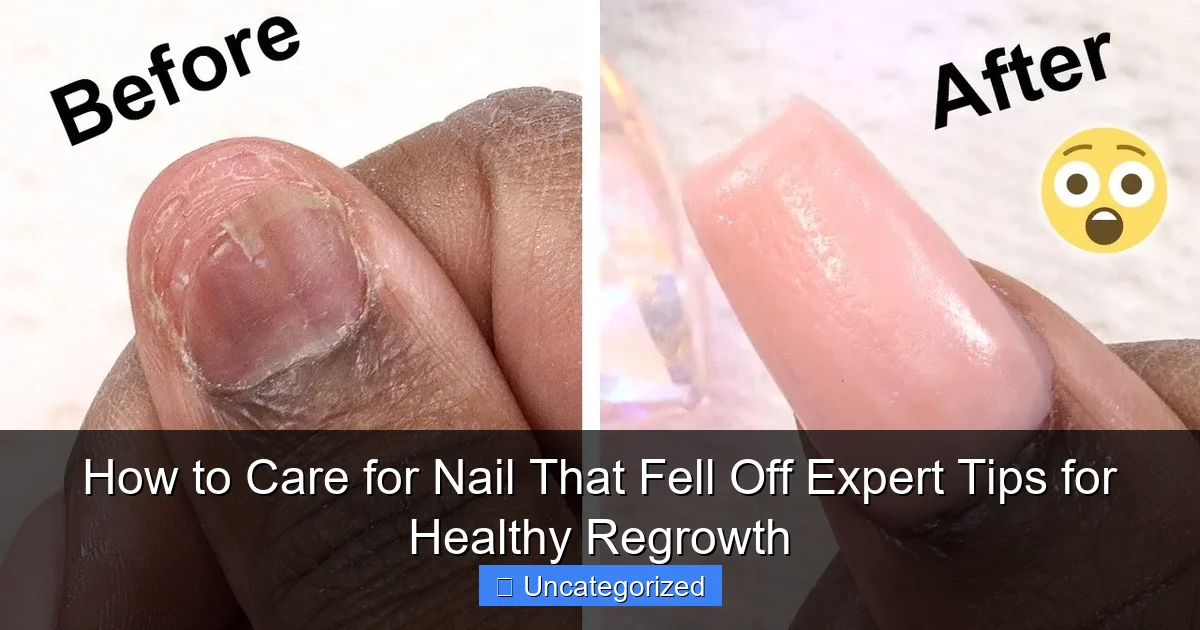
Featured image for how to care for nail that fell off
Image source: i.ytimg.com
Keep the area clean and dry to prevent infection after a nail falls off—this is crucial for healthy regrowth. Apply an antiseptic, cover with a sterile bandage, and avoid trauma to the nail bed while monitoring for signs of infection like redness or swelling. With consistent care, new nail growth typically begins within weeks, though full regrowth may take several months.
Key Takeaways
- Keep the area clean: Wash gently with mild soap to prevent infection.
- Apply antibiotic ointment: Protect the exposed nail bed and promote healing.
- Wear protective gloves: Shield the area during chores or manual work.
- Trim loose skin carefully: Use sterile tools to avoid further damage.
- Stay hydrated and nourished: Support regrowth with vitamins and water.
- Avoid picking or biting: Let the nail grow back naturally and safely.
📑 Table of Contents
- Understanding Nail Loss: Causes and Immediate Concerns
- Immediate First Aid: What to Do When a Nail Falls Off
- Protecting the Exposed Nail Bed: Daily Care Routine
- Nutrition and Supplements for Faster Nail Regrowth
- Medical Interventions and When to See a Doctor
- Long-Term Care and Preventing Future Nail Loss
- Conclusion
Understanding Nail Loss: Causes and Immediate Concerns
Experiencing a nail that fell off can be both alarming and uncomfortable. Whether it’s a fingernail or toenail, the absence of this protective layer exposes sensitive skin underneath and increases the risk of infection. While nail loss (also known as onycholysis) can occur due to trauma—such as stubbing your toe or dropping something heavy on your finger—it may also signal underlying health issues like fungal infections, nutritional deficiencies, or autoimmune conditions. Understanding why your nail fell off is the first step in ensuring proper care and promoting healthy regrowth.
When a nail detaches, it’s crucial not to panic. The body has a remarkable ability to regenerate nails over time, but the process requires careful attention to hygiene, protection, and overall health. Nail regrowth is slow—typically taking 6 to 12 months for fingernails and up to 18 months for toenails—so patience and consistency are key. In the meantime, improper care can lead to complications such as bacterial or fungal infections, pain, and even permanent nail deformities. This guide will walk you through expert-backed strategies for caring for a nail that fell off, minimizing risks, and supporting optimal regrowth.
Common Causes of Nail Loss
- Trauma or injury: Accidents like slamming a finger in a door or repetitive pressure (e.g., running in ill-fitting shoes) can cause a nail to lift or detach.
- Fungal infections (onychomycosis): These infections weaken the nail bed, leading to separation and eventual loss. They’re more common in toenails and often accompanied by discoloration or thickening.
- Bacterial infections: Pseudomonas or Staphylococcus can infect the exposed nail bed, causing green or black discoloration and pus.
- Psoriasis or lichen planus: Autoimmune skin conditions that affect the nail matrix and bed, leading to pitting, crumbling, or detachment.
- Nutritional deficiencies: Low levels of iron, zinc, biotin, or protein can impair nail formation and strength.
- Chemotherapy or medications: Some drugs disrupt the nail growth cycle, causing temporary or permanent loss.
- Excessive moisture or chemical exposure: Frequent handwashing or working with harsh chemicals can weaken nails.
Identifying the root cause is essential. For example, if the nail fell off after a fall, trauma is likely the culprit. But if the nail was yellowed and brittle before detaching, a fungal infection might be to blame. In such cases, seeking medical advice early can prevent further damage and speed recovery.
Immediate First Aid: What to Do When a Nail Falls Off
The moment a nail detaches, your priority should be protecting the exposed area and preventing infection. Immediate first aid can make a significant difference in the healing process and long-term outcome. Here’s a step-by-step guide to handling the situation safely and effectively.
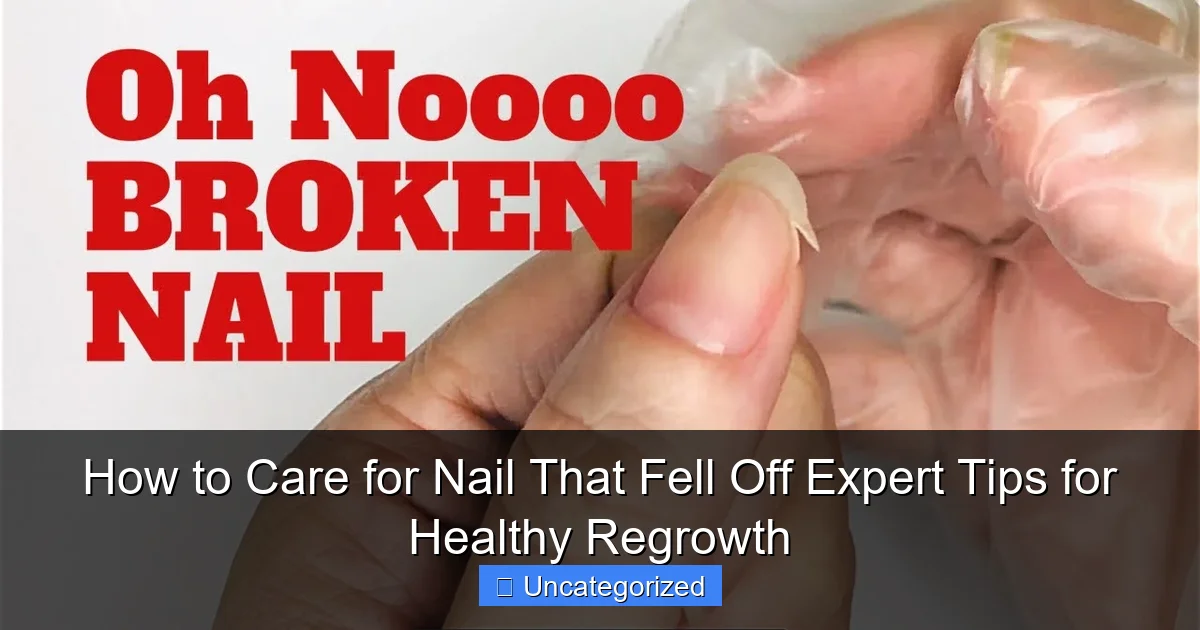
Visual guide about how to care for nail that fell off
Image source: i.ytimg.com
Step 1: Clean the Area Thoroughly
Begin by gently washing the affected finger or toe with mild soap and warm water. Use a soft brush if available to remove debris, but avoid scrubbing the exposed nail bed, as it can be painful and increase inflammation. Rinse thoroughly and pat dry with a clean, lint-free towel. Tip: Avoid using alcohol-based hand sanitizers or hydrogen peroxide, as these can delay healing by irritating the sensitive tissue.
Step 2: Trim Any Remaining Nail (If Necessary)
If part of the nail is still attached but loose, it can catch on clothing or bedding, causing further injury. Using sterilized nail clippers, carefully trim the remaining nail flush with the skin. Sterilize the clippers with rubbing alcohol before and after use to prevent introducing bacteria. If the nail is partially lifted but still firmly attached, leave it in place—it acts as a natural bandage, shielding the nail bed.
Step 3: Apply an Antiseptic
Apply a thin layer of over-the-counter antiseptic ointment (e.g., Neosporin or Polysporin) to the exposed nail bed. This helps prevent infection and keeps the area moist, which is critical for healing. Avoid using petroleum jelly (Vaseline) alone, as it doesn’t have antimicrobial properties. For sensitive skin, consider using a hypoallergenic ointment like Aquaphor.
Step 4: Cover with a Sterile Bandage
Use a non-stick gauze pad or a hydrocolloid dressing (commonly used for blisters) to cover the area. Secure it with medical tape or a self-adhesive wrap. Change the bandage daily or more often if it becomes wet or dirty. For toenails, wear open-toed or loose-fitting shoes to reduce pressure and friction.
Step 5: Manage Pain and Swelling
If there’s pain or swelling, take over-the-counter pain relievers like ibuprofen (Advil) or acetaminophen (Tylenol) as directed. Elevate the hand or foot to reduce swelling, especially if the injury occurred recently. Applying a cold compress wrapped in a cloth can also help numb pain and reduce inflammation.
Example: Sarah, a 34-year-old nurse, lost a fingernail after catching her hand in a door. She immediately cleaned the area with soap, applied Neosporin, and covered it with a bandage. She changed the dressing twice daily and avoided soaking her hand in water. Within a week, the pain subsided, and the nail bed began to heal without infection.
Protecting the Exposed Nail Bed: Daily Care Routine
Once the initial wound is stabilized, consistent daily care is essential to protect the exposed nail bed and create an optimal environment for regrowth. The nail bed is highly sensitive and vulnerable to injury, infection, and dehydration. Here’s how to maintain its health during the months-long regrowth phase.
Keep the Area Clean and Dry
Wash the affected area daily with mild soap and water, then dry it thoroughly. Moisture trapped under the bandage can promote bacterial growth. After washing, gently pat the skin dry with a clean towel. If you work in a humid environment or sweat heavily, consider using moisture-wicking gloves or socks to keep the area dry.
Moisturize Regularly
The exposed nail bed and surrounding skin can become dry and cracked, increasing the risk of infection. Apply a fragrance-free moisturizer (e.g., Cetaphil, Eucerin) or a specialized nail and cuticle oil (containing jojoba or vitamin E) twice daily. Tip: Massage the moisturizer into the skin in circular motions to improve blood circulation, which supports healing.
Use Protective Coverings
Continue using bandages or dressings until the nail bed is fully covered by new tissue (usually 2–4 weeks). For added protection, wear gloves when doing household chores, gardening, or working with tools. For toenails, choose breathable, wide-toe shoes and avoid high heels or tight footwear that can press on the exposed area.
Avoid Irritants and Harsh Chemicals
Limit exposure to detergents, solvents, nail polish removers, and other irritants. If you must use chemicals, wear waterproof gloves. For those who enjoy manicures, skip nail polish or artificial nails until the new nail is at least halfway grown. These products can trap moisture and harbor bacteria.
Monitor for Signs of Infection
Check the area daily for redness, swelling, increased pain, pus, or a foul odor. These are signs of infection and require immediate medical attention. A mild rash or slight discoloration is normal during healing, but persistent or worsening symptoms should not be ignored.
Wear Supportive Footwear (For Toenails)
If you’ve lost a toenail, proper footwear is critical. Opt for shoes with a wide toe box and cushioned insoles to reduce pressure. Custom orthotics or gel pads can help redistribute weight and prevent further injury. Avoid walking barefoot, even at home, to protect the nail bed from trauma.
Example: James, a 28-year-old construction worker, lost a toenail after dropping a tool on his foot. He followed a strict routine: daily cleaning, moisturizing with tea tree oil (known for its antimicrobial properties), and wearing steel-toe boots with extra padding. After three weeks, the nail bed was fully healed, and new nail growth was visible at the base.
Nutrition and Supplements for Faster Nail Regrowth
Nails are made of keratin, a protein that requires a steady supply of nutrients to grow strong and healthy. While external care is vital, internal support through diet and supplements can significantly accelerate regrowth and improve nail quality. A deficiency in key nutrients can lead to slow healing, brittle nails, or even permanent changes in nail shape.
Essential Nutrients for Nail Health
- Protein: The building block of keratin. Aim for 0.8–1.2 grams of protein per kilogram of body weight daily. Sources: lean meats, eggs, dairy, legumes, tofu.
- Biotin (Vitamin B7): Supports keratin infrastructure. Deficiency can cause brittle nails. Sources: eggs, almonds, sweet potatoes, spinach. Supplement: 2.5–5 mg daily (consult a doctor first).
- Iron: Prevents anemia, which can lead to spoon-shaped nails (koilonychia). Sources: red meat, lentils, fortified cereals, spinach. Pair with vitamin C (e.g., oranges) to enhance absorption.
- Zinc: Promotes cell growth and wound healing. Sources: oysters, pumpkin seeds, beef, chickpeas. Supplement: 15–30 mg daily (excess can interfere with copper absorption).
- Vitamin C: Essential for collagen production, which strengthens nail beds. Sources: citrus fruits, bell peppers, broccoli.
- Omega-3 Fatty Acids: Reduce inflammation and improve nail strength. Sources: fatty fish (salmon, mackerel), flaxseeds, walnuts.
- Vitamin E: Antioxidant that protects nail cells from damage. Sources: almonds, sunflower seeds, avocados.
Hydration and Nail Regrowth
Dehydration can make nails brittle and slow regrowth. Aim for 8–10 glasses of water daily. Limit caffeine and alcohol, which can dehydrate the body. Herbal teas and water-rich foods (e.g., cucumbers, watermelon) also contribute to hydration.
Supplements: When and How to Use Them
While a balanced diet is the best source of nutrients, supplements can help fill gaps, especially during recovery. Consider a high-quality multivitamin or a nail-specific formula containing biotin, zinc, and B vitamins. Start with a low dose and increase gradually. Important: Consult a healthcare provider before starting any supplement, especially if you have medical conditions or take medications.
Foods to Avoid
Limit processed foods, sugary snacks, and trans fats, which can promote inflammation and hinder healing. Excessive alcohol can deplete vitamin B and impair liver function, affecting nutrient absorption.
Example: Maria, a 42-year-old teacher, noticed her nails were slow to regrow after losing one. Her doctor recommended a diet rich in protein, leafy greens, and nuts, along with a biotin supplement. Within three months, her new nail was growing steadily, with no brittleness or discoloration.
Medical Interventions and When to See a Doctor
While most cases of nail loss heal with home care, certain situations require professional medical intervention. Delaying treatment can lead to complications like chronic infections, permanent nail deformities, or systemic health issues.
When to Seek Medical Help
- Signs of infection: Redness, pus, swelling, or fever.
- Severe pain or throbbing: Especially if it worsens over time.
- No new nail growth after 2–3 months: May indicate a nail matrix issue.
- Discoloration or foul odor: Suggests fungal or bacterial infection.
- Underlying health conditions: Diabetes, psoriasis, or circulatory problems require specialized care.
- Trauma with bone involvement: If the injury caused a fracture or deep tissue damage.
Medical Treatments for Nail Regrowth
- Antifungal or Antibiotic Medications: For infections, a doctor may prescribe oral or topical antifungals (e.g., terbinafine) or antibiotics (e.g., ciprofloxacin).
- Corticosteroid Injections: For inflammatory conditions like lichen planus, steroids can reduce swelling and promote healing.
- Nail Bed Debridement: A podiatrist may remove dead tissue to prevent infection.
- Phototherapy: For psoriasis-related nail loss, UV light therapy can slow abnormal cell growth.
- Surgical Intervention: In rare cases, the nail matrix may need to be surgically repaired or protected with a splint.
Specialist Referrals
If home care doesn’t yield results, consult a dermatologist (for skin/nail conditions) or a podiatrist (for toenail issues). They may perform a nail biopsy to diagnose underlying causes or recommend advanced treatments like laser therapy for fungal infections.
Monitoring Progress
Keep a photo journal of the regrowth process. Take a picture every two weeks to track changes. Note the speed, color, and texture of the new nail. This can help your doctor assess healing and adjust treatment if needed.
Example: David, a 50-year-old diabetic, lost a toenail after a minor cut. Due to poor circulation, his wound didn’t heal. His podiatrist prescribed antibiotics, recommended custom orthotics, and monitored his blood sugar. After six months, the new nail grew in, though slightly thinner than the original.
Long-Term Care and Preventing Future Nail Loss
Once the new nail has grown in, your work isn’t done. Long-term care is essential to maintain nail health and prevent future injuries. Nails that regrow after trauma may be weaker or misshapen, requiring extra attention to keep them strong and functional.
Maintain a Healthy Nail Care Routine
- Keep nails trimmed: Use sharp, clean clippers. Cut straight across to prevent ingrown nails.
- File gently: Use a soft emery board to smooth edges. Avoid sawing back and forth, which can split the nail.
- Moisturize daily: Apply cuticle oil and hand/foot cream to prevent dryness and cracking.
- Protect nails from trauma: Wear gloves during manual labor or sports. Use toe separators in shoes to reduce friction.
Lifestyle Adjustments
Adopt habits that support overall nail health:
- Wear proper footwear: Choose shoes with adequate arch support and a wide toe box.
- Avoid nail-biting or picking: These habits can damage the nail matrix and increase infection risk.
- Limit water exposure: Wear rubber gloves when washing dishes or cleaning.
- Manage chronic conditions: Control diabetes, psoriasis, or thyroid issues to reduce nail complications.
Regular Check-Ups
Schedule annual visits with a dermatologist or podiatrist if you have a history of nail loss. They can detect early signs of infection, nutritional deficiencies, or skin conditions before they worsen.
Data Table: Nail Regrowth Timeline and Care Milestones
| Time Since Nail Loss | Expected Progress | Care Recommendations |
|---|---|---|
| 0–2 weeks | Wound healing; no visible growth | Clean daily, apply antiseptic, cover with bandage |
| 3–6 weeks | New tissue covers nail bed; white crescent appears | Moisturize, monitor for infection, wear protective footwear |
| 2–4 months | New nail emerges at base; grows 1–3 mm/month | Trim carefully, avoid chemicals, take supplements |
| 6–12 months (fingernails) | Nail fully regrown; may be thinner initially | Maintain routine, file gently, protect from trauma |
| 12–18 months (toenails) | Complete regrowth; may take longer for thickness | Continue moisturizing, wear supportive shoes |
By following these long-term strategies, you can ensure your nails remain resilient and reduce the risk of future loss. Remember, healthy nails are a reflection of overall health—so treat them with care!
Conclusion
Losing a nail is more than just a cosmetic issue—it’s a signal from your body that something needs attention. Whether caused by trauma, infection, or an underlying condition, a nail that fell off requires immediate and ongoing care to heal properly. From the first aid steps of cleaning and protecting the area to the months-long journey of regrowth, every action you take plays a role in the outcome.
By understanding the causes, implementing a consistent care routine, nourishing your body with the right nutrients, and knowing when to seek medical help, you empower yourself to support healthy nail regrowth. The process may be slow, but with patience and diligence, your nails can regain their strength and appearance. Remember, prevention is just as important as treatment—so adopt long-term habits that protect your nails from future harm. Your hands and feet deserve the best care, and with these expert tips, you’re well-equipped to give it to them.
Frequently Asked Questions
What should I do immediately after my nail falls off?
If your nail has fallen off, clean the area gently with mild soap and water to prevent infection. Apply an antiseptic ointment and cover it with a sterile bandage to protect the exposed nail bed while it heals. Avoid picking at the area to support healthy regrowth.
How can I care for a nail that fell off to prevent infection?
To care for a nail that fell off, keep the area dry and clean, and apply an over-the-counter antibiotic cream. Change the bandage daily and watch for signs of infection like redness, swelling, or pus. Proper hygiene is key to avoiding complications.
How long does it take for a new nail to grow back after it falls off?
Nails typically take 6–12 months to fully regrow, depending on the location (fingernails grow faster than toenails). Consistent care for the nail bed and avoiding trauma to the area can help speed up the process and ensure healthy regrowth.
Can I speed up the regrowth of my nail after it falls off?
While you can’t drastically speed up nail regrowth, eating a protein- and biotin-rich diet, staying hydrated, and avoiding harsh chemicals can promote stronger, healthier nails. Protect the area from injury to prevent further delays in how to care for nail that fell off.
Is it normal for the nail bed to hurt after a nail falls off?
Mild discomfort or tenderness is normal, but severe or persistent pain could indicate an infection. Keep the area clean and elevated if swollen. If pain worsens, consult a doctor to rule out complications.
Should I keep the area covered while my nail is regrowing?
Yes, covering the area with a breathable bandage helps protect the sensitive nail bed from dirt, bacteria, and trauma. Once the skin hardens and new nail growth is visible, you can reduce bandage use but still avoid excessive moisture or pressure.