
Featured image for how to care for nails and cuticles
Image source: i.ytimg.com
Keep nails and cuticles healthy by moisturizing daily with a nourishing oil or cream to prevent dryness and cracking. Gently push back cuticles weekly and avoid harsh chemicals or over-trimming to protect the nail bed and promote strong, resilient growth. Consistent care and protection from trauma are key to maintaining long-term nail health.
Key Takeaways
- Moisturize daily: Apply cuticle oil or cream to keep nails hydrated and prevent dryness.
- Trim cuticles safely: Gently push back, never cut, to avoid infections and damage.
- Wear gloves: Protect hands during chores to shield nails from harsh chemicals and water.
- File properly: Use a glass file, always in one direction, to prevent splitting.
- Limit polish remover: Choose acetone-free options to avoid excessive drying and brittleness.
- Maintain a balanced diet: Eat biotin-rich foods like eggs and nuts for stronger nails.
- Hydrate constantly: Drink plenty of water to support nail flexibility and growth.
📑 Table of Contents
- Understanding Your Nails and Cuticles: The Foundation of Nail Health
- Daily Habits for Optimal Nail and Cuticle Care
- The Role of Nutrition in Nail and Cuticle Health
- Professional-Grade Techniques for Cuticle Care
- Managing Nail Problems: From Brittle Nails to Infections
- Advanced Care: Treatments, Tools, and Prevention
- Conclusion: Building a Sustainable Nail Care Routine
Understanding Your Nails and Cuticles: The Foundation of Nail Health
Have you ever noticed how your nails seem to tell a story? Whether they’re strong and glossy or brittle and peeling, your nails and cuticles are more than just a canvas for polish—they’re a reflection of your overall health and daily habits. Proper nail and cuticle care isn’t just about aesthetics; it’s about maintaining the integrity of a complex structure that protects your fingertips, supports fine motor skills, and even signals underlying health issues. From preventing painful hangnails to boosting growth, a little attention can go a long way in achieving healthy, strong nails.
But what exactly makes up this intricate system? Your nails are composed of keratin, a tough protein also found in hair and skin. The cuticles—those thin layers of skin at the base of each nail—act as a natural barrier, sealing out bacteria and moisture to prevent infections. When neglected, cuticles can become dry, cracked, or overgrown, leading to painful tears or even paronychia (a nail infection). In this guide, we’ll explore science-backed strategies to nurture your nails and cuticles, blending dermatological wisdom with practical, everyday tips. Whether you’re battling brittle nails or simply want to maintain a flawless manicure, read on to unlock the secrets of resilient, healthy nails.
Daily Habits for Optimal Nail and Cuticle Care
1. Hydrate, Hydrate, Hydrate
The most critical rule for nail and cuticle health is moisture. Just like your skin, nails and cuticles lose water easily, especially in dry climates or heated indoor spaces. Dehydration leads to brittleness, splitting, and peeling. To combat this:
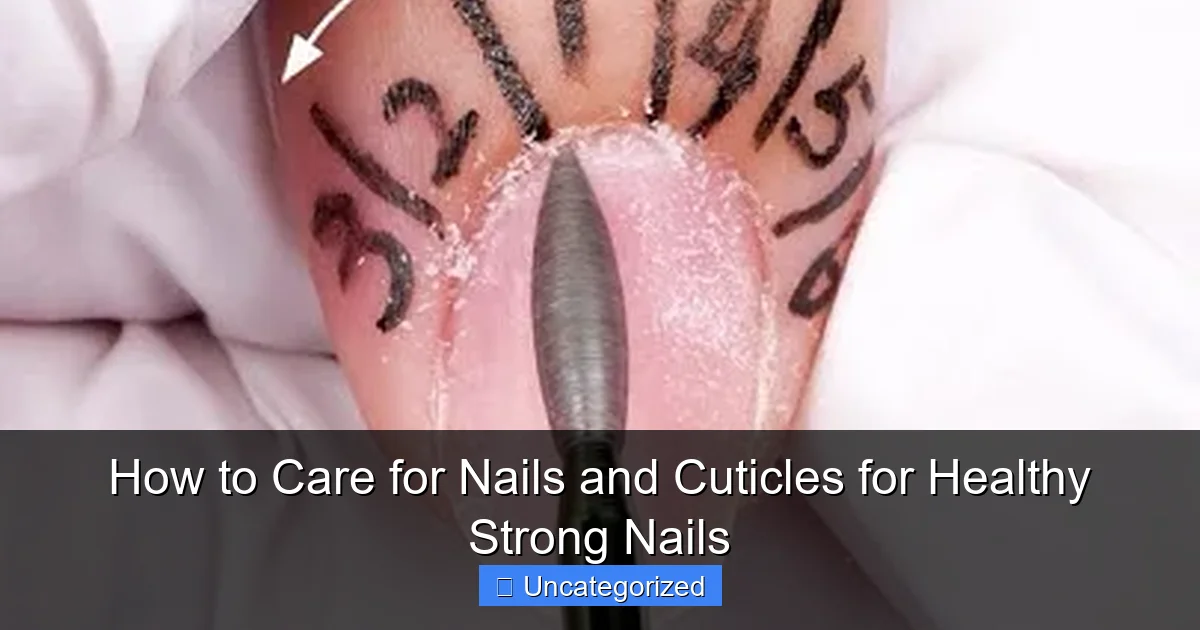
Visual guide about how to care for nails and cuticles
Image source: i.ytimg.com
- Apply cuticle oil or cream twice daily. Look for ingredients like jojoba oil, vitamin E, and shea butter, which mimic the skin’s natural oils. For example, a 2021 study in the Journal of Cosmetic Dermatology found that jojoba oil improved nail hydration by 35% after two weeks of daily use.
- Use a hand cream with humectants (e.g., glycerin or hyaluronic acid). Apply after washing hands or showering to lock in moisture.
- Try the “10-second rule”: After handwashing, pat dry and immediately apply moisturizer to trap water in the skin.
2. Gentle Nail Cleaning
Aggressive scrubbing or harsh soaps can strip natural oils. Instead:
- Use a soft nail brush with mild soap to clean under nails, avoiding metal tools that can scratch the nail bed.
- Rinse with lukewarm water (hot water dries out nails faster).
- For stubborn grime, soak nails in a bowl of soapy water for 2 minutes before brushing.
3. Protect Your Nails from Harsh Chemicals
Exposure to cleaning products, acetone-based removers, and even some hand sanitizers can weaken nails. Practical solutions:
- Wear nitrile gloves while cleaning (latex can cause allergies, and cotton gloves offer no protection).
- Switch to acetone-free nail polish removers with added moisturizers.
- Apply a base coat before polish to create a barrier between your nails and pigments/chemicals.
The Role of Nutrition in Nail and Cuticle Health
1. Key Nutrients for Strong Nails
Nails grow about 3.5 mm per month—and their strength depends on your diet. Deficiencies in certain nutrients are directly linked to nail problems:
- Biotin (B7): Found in eggs, nuts, and salmon, biotin deficiency causes brittle nails. A 2017 meta-analysis showed that 2.5 mg of biotin daily improved nail thickness by 25% in 6 months.
- Iron: Low iron leads to “spoon-shaped” nails (koilonychia). Include spinach, red meat, and lentils in your diet.
- Zinc: Essential for cell growth. Oysters, pumpkin seeds, and chickpeas are rich sources.
- Omega-3s: Reduce inflammation and moisturize nails. Try flaxseeds, chia seeds, or fatty fish.
2. Foods to Avoid
While no food directly “destroys” nails, these habits can hinder growth:
- Excess sugar: Triggers inflammation, slowing nail cell turnover.
- Alcohol: Dehydrates nails and leaches minerals like zinc.
- Ultra-processed foods: Lack essential nutrients and may contain additives that weaken nail structure.
3. Hydration and Nail Growth
Dehydration is a silent nail killer. Aim for 2–3 liters of water daily, and monitor urine color (pale yellow = well-hydrated). For an extra boost, add cucumber or lemon slices to your water—they contain silica, a mineral that strengthens keratin.
Professional-Grade Techniques for Cuticle Care
1. The Do’s and Don’ts of Cuticle Trimming
Cuticles are delicate! Improper trimming can cause infections or stunted nail growth:
- DO:
- Soften cuticles first with a warm oil soak (10 minutes in olive or jojoba oil).
- Use sterilized cuticle nippers (dip in rubbing alcohol before use).
- Only trim loose, dead skin—never cut live cuticle tissue.
- DON’T:
- Cut cuticles weekly (every 2–3 weeks is safer).
- Use sharp tools on dry cuticles (they’re more prone to tearing).
- Force back cuticles aggressively (use a cuticle pusher gently).
2. The Power of Cuticle Oil
Not all oils are equal. For maximum absorption and results:
- Apply oil at night (when nails are least active, allowing deeper penetration).
- Massage for 1–2 minutes per hand to stimulate blood flow and growth.
- Try a “cuticle cocktail”: Mix 1 tbsp jojoba oil + 3 drops tea tree oil (antimicrobial) + 1 drop vitamin E oil.
3. Avoiding Common Cuticle Mistakes
Even salon-goers make these errors:
- Over-pushing cuticles: This can damage the nail matrix (the root), leading to ridges or slow growth.
- Using hand sanitizer before oil: Alcohol dries cuticles—always moisturize first.
- Ignoring hangnails: Treat them early with antiseptic (e.g., tea tree oil) to prevent infection.
Managing Nail Problems: From Brittle Nails to Infections
1. Brittle, Peeling, or Splitting Nails
Causes range from overwashing to nutrient deficiencies. Solutions:
- Use a nail strengthener with keratin or calcium (e.g., OPI Nail Envy).
- Limit water exposure: Wear gloves when washing dishes or swimming (chlorine weakens nails).
- Try a “nail wrap”: Apply a clear gel polish with nylon fibers for extra support.
2. Fungal Infections (Onychomycosis)
Yellow, thickened nails? See a dermatologist. Home care tips:
- Apply antifungal tea tree oil (diluted 1:1 with carrier oil) twice daily.
- Keep nails short and dry to prevent spore growth.
- Disinfect nail tools after each use.
3. Paronychia (Cuticle Infection)
Red, swollen cuticles need urgent care. While waiting for medical treatment:
- Soak affected nails in warm salt water (1 tsp salt per cup) for 15 minutes, 3x daily.
- Apply antiseptic ointment (e.g., Neosporin).
- Avoid picking or biting cuticles.
4. Nail Ridges and Discoloration
Vertical ridges are usually harmless (linked to aging), but horizontal ridges (Beau’s lines) may signal illness. For discoloration:
- Staining from polish: Use a whitening base coat (e.g., Sally Hansen Diamond Strength).
- Yellowing from smoking or aging: Soak nails in a 1:1 mix of lemon juice and baking soda for 5 minutes weekly.
Advanced Care: Treatments, Tools, and Prevention
1. At-Home Treatments for Nail Growth
Boost growth with these science-backed methods:
- Hot oil manicures: Heat coconut oil, dip nails for 10 minutes, then massage. Repeat weekly.
- LED light therapy: Devices like the Red Light Manicure (FDA-cleared) stimulate nail cell regeneration.
- Collagen supplements: A 2020 study found that 2.5 mg daily improved nail growth by 12% in 3 months.
2. Choosing the Right Nail Tools
Quality matters! Invest in:
- Glass nail files: Less damaging than emery boards (prevents splitting).
- Cuticle pushers with rounded tips: Avoids trauma to the nail matrix.
- Disposable nail buffers: Prevents cross-contamination.
3. Seasonal Nail Care
Adapt your routine to the weather:
- Winter: Use heavier creams (e.g., Eucerin) and wear gloves outdoors.
- Summer: Apply SPF 30+ hand cream to prevent UV damage (sunlight weakens nails).
- Humid climates: Focus on antifungal care to prevent infections.
Data Table: Nail Care Product Comparison
| Product Type | Top Recommendations | Key Ingredients | Best For | Price Range |
|---|---|---|---|---|
| Cuticle Oil | Julep Cuticle Oil, CND SolarOil | Jojoba oil, vitamin E, almond oil | Daily hydration | $10–$20 |
| Nail Strengthener | OPI Nail Envy, Sally Hansen Miracle Growth | Calcium, keratin, protein | Brittle nails | $15–$25 |
| Hand Cream | La Roche-Posay Cicaplast, Gold Bond Ultimate | Shea butter, glycerin, panthenol | Extreme dryness | $8–$20 |
| Antifungal Treatment | Kerasal Nail, FungiCure | Tea tree oil, undecylenic acid | Fungal infections | $12–$30 |
Conclusion: Building a Sustainable Nail Care Routine
Healthy nails and cuticles aren’t achieved overnight—they require consistency, patience, and a holistic approach. From daily hydration and nutrition to professional-grade tools and problem-solving, each step you take strengthens the delicate balance between protection and growth. Remember: your nails are a reflection of your self-care. By integrating these tips into your routine—applying cuticle oil before bed, wearing gloves while cleaning, or choosing a biotin-rich snack—you’re not just pampering yourself; you’re investing in long-term resilience.
Start small. Pick one habit from this guide (e.g., nightly oiling or switching to a gentle remover) and master it before adding another. Track progress with monthly photos or a nail journal. And when in doubt, consult a dermatologist—especially if you notice persistent discoloration, pain, or unusual changes. With the right care, strong, healthy nails aren’t just possible; they’re inevitable. So go ahead—give your nails the love they deserve. Your fingertips will thank you for years to come.
Frequently Asked Questions
How often should I moisturize my nails and cuticles?
For optimal nail and cuticle care, apply a nourishing oil or cream at least twice daily—especially after washing hands or using sanitizer. Regular moisturizing prevents dryness, cracking, and peeling, keeping your nails strong and healthy.
What’s the best way to care for nails and cuticles overnight?
Apply a thick layer of cuticle balm or shea butter before bed and wear cotton gloves to lock in moisture. This intensive treatment repairs dry cuticles and strengthens nails while you sleep.
Can I use olive oil for nail and cuticle care?
Yes! Olive oil is a natural remedy rich in vitamins E and K, which hydrate cuticles and improve nail flexibility. Soak nails for 5–10 minutes or massage a few drops daily for best results.
How do I prevent hangnails and torn cuticles?
Keep cuticles moisturized and avoid picking or biting them. Use a cuticle pusher gently after showers, and trim loose skin with sterile nippers—never cut live cuticles to avoid infection.
What are the signs of unhealthy nails and cuticles?
Brittle nails, discoloration, ridges, or red/swollen cuticles may indicate nutrient deficiencies, dehydration, or fungal infections. Prioritize a balanced diet, hydration, and proper nail care to address these issues.
Should I push back or cut my cuticles?
Always push back cuticles gently with a wooden stick after softening them in warm water—never cut them, as this increases infection risk. Proper nail and cuticle care focuses on preservation, not removal.