
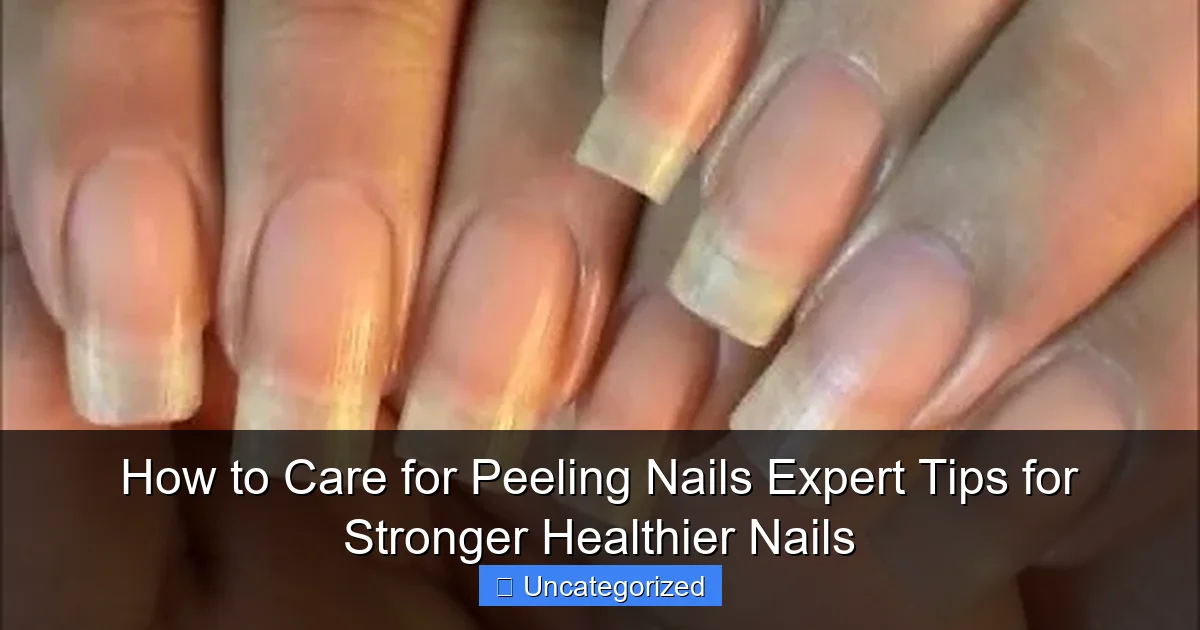
Featured image for how to care for peeling nails
Image source: i.ytimg.com
Keep nails hydrated and protected to stop peeling fast—moisturize daily with a nourishing oil or cream containing biotin and vitamin E. Avoid harsh chemicals, excessive water exposure, and always wear gloves during chores to shield fragile nails. Pair a balanced diet rich in protein and omega-3s with gentle filing in one direction for long-term strength and resilience.
Key Takeaways
- Moisturize daily: Apply cuticle oil and hand cream to prevent dryness and peeling.
- Use gentle polish removers: Avoid acetone-based products to reduce nail damage.
- Wear gloves: Protect nails from harsh chemicals and water during chores.
- Trim and file carefully: Keep nails short and use a fine-grit file to prevent splits.
- Eat a balanced diet: Boost nail strength with biotin, protein, and omega-3s.
- Avoid excessive gel use: Limit gel manicures to prevent long-term nail weakening.
📑 Table of Contents
Understanding the Root Causes of Peeling Nails
What Happens When Nails Peel?
Peeling nails, also known as onychoschizia, occur when layers of the nail plate separate, often starting at the free edge. This condition affects millions globally, with studies indicating that up to 20% of people experience nail peeling at some point. The nail plate is made of keratin, a tough protein, but when it becomes too dry, brittle, or overworked, it begins to flake and split. Unlike nail fungus or trauma-related breaks, peeling typically starts subtly—a small crack here, a lifted edge there—but can progress into painful, unsightly damage if ignored.
Peeling is not just a cosmetic concern; it’s a sign that your nails are under stress. The process often begins when the nail loses its natural oils and moisture, making it less flexible and more prone to splitting. For example, someone who frequently washes dishes without gloves may notice their nails peeling after weeks of repeated water exposure. Similarly, those who use nail polish removers with acetone multiple times a week might see similar results. Understanding the mechanisms behind peeling is the first step toward effective care and prevention.
Common Causes Behind Peeling Nails
- Excessive Water Exposure: Frequent hand washing, swimming, or dishwashing can weaken the nail’s structure. Water causes the nail to swell and contract, leading to micro-cracks that eventually peel.
- Chemical Irritants: Harsh detergents, acetone-based removers, and certain cleaning agents strip the nail of natural oils. For instance, a study published in the Journal of Cosmetic Dermatology found that acetone removers increased nail brittleness by 35% after just two weeks of daily use.
- Nutritional Deficiencies: Low levels of biotin, iron, zinc, or protein can impair keratin production. A person with undiagnosed iron-deficiency anemia, for example, may notice their nails becoming spoon-shaped (koilonychia) and peeling at the tips.
- Environmental Factors: Dry winter air, low humidity, and UV exposure from nail lamps can dehydrate nails. Office workers in air-conditioned environments often report more peeling during colder months.
- Underlying Health Conditions: Hypothyroidism, psoriasis, or fungal infections can manifest as peeling nails. In rare cases, it may signal more serious issues like kidney disease or malnutrition.
Consider Sarah, a 32-year-old graphic designer who developed peeling nails after switching to a gel manicure every two weeks. The UV lamp exposure and frequent acetone soaking caused her nails to thin and flake. Only after eliminating gel treatments and adopting a nail-strengthening routine did her nails begin to recover. This example illustrates how lifestyle and product choices directly impact nail health.
Daily Habits to Prevent and Reduce Peeling
Hydration: The Foundation of Healthy Nails
Just like skin, nails need hydration to stay flexible and resilient. Dehydrated nails become rigid and prone to splitting. Start by applying a rich cuticle oil or nail balm at least twice daily. Look for products containing jojoba oil, argan oil, or vitamin E, which mimic the nail’s natural sebum. For example, a study in the International Journal of Trichology showed that participants using jojoba oil saw a 27% improvement in nail flexibility after eight weeks.
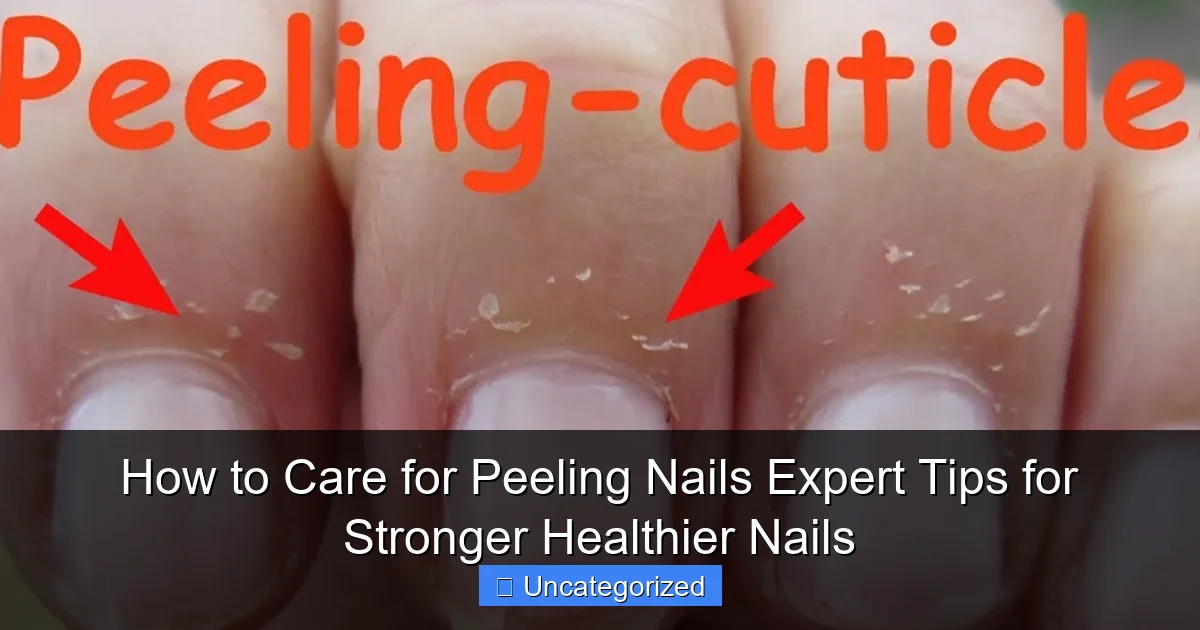
Visual guide about how to care for peeling nails
Image source: i.ytimg.com
Moisturize after every hand wash. Keep a travel-sized hand cream with ceramides and shea butter in your bag or at your desk. Apply it immediately after drying your hands—don’t wait. For extra hydration, try the “occlusive” method: apply a thick layer of petroleum jelly (like Vaseline) or a specialized nail butter before bed, then wear cotton gloves overnight to lock in moisture.
Gentle Nail Care Routines
- Trim and File Correctly: Use sharp, clean nail clippers and a fine-grit glass or crystal file (180+ grit). File in one direction—never saw back and forth—to prevent micro-tears. For example, a 180-grit file removes less keratin and creates a smoother edge than a coarse emery board.
- Avoid Over-Filing: Filing too much or too often weakens the nail. Limit filing to once every 7–10 days, and never file beyond the natural curve of the nail.
- Limit Water Exposure: Wear waterproof gloves when washing dishes, cleaning, or gardening. If gloves aren’t available, apply a water-repellent nail sealant (e.g., OPI Nail Envy) before chores.
- Skip the Nail Hardener (Temporarily): While nail hardeners can help, they often contain formaldehyde, which dries nails further. Use them sparingly and only during recovery phases.
Take Mark, a chef, who developed peeling from constant hand washing. By switching to a pH-balanced hand soap, applying cuticle oil after each shift, and wearing gloves during prep, his nails improved within six weeks. Consistency in daily habits is key—small changes compound over time.
Smart Product Choices
Not all nail products are created equal. Avoid acetone removers; opt for acetone-free formulas with added moisturizers. When choosing polish, look for “breathable” or “oxygen-permeable” brands (e.g., Zoya or Ella+Mila), which reduce the risk of moisture trapping. For base coats, select strengthening formulas with keratin or calcium. For example, OPI Nail Envy contains hydrolyzed wheat protein and calcium to reinforce weak nails.
Limit polish wear to 7–10 days. Prolonged polish use blocks oxygen exchange, leading to brittleness. Always use a base coat to prevent staining and a top coat to seal edges. Remove polish gently with a cotton pad and remover—never peel or scrape.
Nutrition and Supplements for Stronger Nails
Essential Nutrients for Nail Health
Nails are 80% protein, so a diet rich in high-quality protein is non-negotiable. Include lean meats, eggs, legumes, and Greek yogurt daily. For vegetarians, combine quinoa (a complete protein) with nuts and seeds for optimal amino acid intake. Biotin (vitamin B7) is a superstar for nail strength—found in eggs, almonds, and sweet potatoes. A 2020 meta-analysis confirmed that biotin supplementation improved nail thickness by 25% in deficient individuals.
Iron is critical for preventing brittle, peeling nails. Pair iron-rich foods (spinach, lentils, red meat) with vitamin C (citrus, bell peppers) to boost absorption. Zinc (oysters, pumpkin seeds) supports keratin synthesis, while omega-3 fatty acids (salmon, chia seeds) reduce inflammation and improve nail flexibility.
Supplements: When and How to Use Them
- Biotin: 2.5–5 mg/day. Take with food to avoid stomach upset. Results take 3–6 months.
- Collagen Peptides: 5–10 g/day. Hydrolyzed collagen improves nail growth and strength, as shown in a 2017 Journal of Cosmetic Dermatology study.
- Multivitamins with Zinc and Iron: Especially beneficial for women of childbearing age or those with anemia.
- Omega-3s: 1,000–2,000 mg of EPA/DHA daily. Choose molecularly distilled supplements to avoid toxins.
For example, Emily, a vegan, struggled with peeling nails despite a plant-based diet. After adding a biotin supplement (5 mg/day) and chia seeds (for omega-3s), her nails became noticeably stronger in four months. Always consult a doctor before starting supplements, especially if you have underlying health conditions.
Hydration from Within
Dehydration directly impacts nail health. Aim for 2–3 liters of water daily, more if you exercise or live in a dry climate. Monitor urine color—it should be pale yellow, not dark. Herbal teas and water-rich foods (cucumber, watermelon) also contribute to hydration. Avoid excessive alcohol and caffeine, which dehydrate tissues.
Professional Treatments and When to Seek Help
At-Home Strengthening Treatments
For moderate peeling, at-home treatments can be effective. Try a 10-minute soak in olive oil or warm coconut oil 2–3 times weekly. The fats penetrate the nail plate, improving flexibility. Alternatively, use a keratin-infused nail serum (e.g., Dr. Dana Nail Renewal) to rebuild weak areas. Apply it daily for 4–6 weeks, then reduce to maintenance (2–3 times/week).
For severe peeling, try the “nail sandwich” method: Apply cuticle oil, wait 2 minutes, then layer a strengthening base coat, followed by a nourishing top coat. This creates a protective barrier while delivering active ingredients.
When to See a Dermatologist
- Peeling persists for 3+ months despite lifestyle changes.
- Nails are discolored (yellow, white spots, or dark streaks).
- You experience pain, swelling, or pus—signs of infection.
- Peeling is accompanied by skin rashes, fatigue, or hair loss (possible thyroid or autoimmune issues).
Dermatologists may prescribe topical treatments like tazarotene (for psoriasis-related peeling) or antifungals if a yeast infection is detected. Blood tests can identify deficiencies (iron, vitamin D) or hormonal imbalances. For example, a 45-year-old woman with persistent peeling was diagnosed with hypothyroidism after a TSH test—her nails improved dramatically with thyroid medication.
Salon Treatments: Pros and Cons
While professional manicures can be relaxing, frequent gel or acrylic applications often worsen peeling. If you visit salons, opt for dry manicures (no soaking) and avoid drills that thin the nail. Ask for a strengthening base coat and limit UV lamp exposure. Some salons offer medical-grade treatments, such as LED therapy to stimulate nail growth, but these are costly and require multiple sessions.
Long-Term Maintenance and Prevention
Seasonal Adjustments
Nail care isn’t one-size-fits-all. In winter, increase moisturizing frequency and use a humidifier at home. In summer, protect nails from chlorine (swimming) with a pre-swim oil treatment. For example, apply coconut oil 30 minutes before swimming, then rinse immediately afterward.
Stress Management
Chronic stress raises cortisol levels, which can impair nail growth. Practice mindfulness, yoga, or deep breathing to reduce stress. A 2019 study linked stress reduction to a 15% improvement in nail growth rate. For instance, a nurse who practiced daily meditation saw her nail peeling decrease after two months.
Monitoring Progress
Track your nail health with a monthly “nail journal.” Note changes in texture, color, and peeling frequency. Take photos every 4 weeks to compare progress. Celebrate small wins—like a month without peeling—to stay motivated.
Data Table: Nail Care Product Comparison
| Product Type | Key Ingredients | Best For | Price Range | Effectiveness (1-5) |
|---|---|---|---|---|
| Cuticle Oil (e.g., CND SolarOil) | Jojoba oil, vitamin E | Daily hydration, preventing splits | $10–$20 | 4.7 |
| Strengthening Base Coat (e.g., OPI Nail Envy) | Hydrolyzed wheat protein, calcium | Weak, thin nails | $15–$25 | 4.5 |
| Nail Serum (e.g., Dr. Dana Nail Renewal) | Keratin, peptides | Moderate to severe peeling | $25–$40 | 4.3 |
| Acetone-Free Remover (e.g., Ella+Mila Soy Polish Remover) | Soy, aloe vera | Gentle polish removal | $8–$15 | 4.6 |
| Collagen Supplement (e.g., Vital Proteins) | Bovine collagen | Nutritional support | $20–$30/month | 4.2 |
Conclusion
Peeling nails are a common but often preventable condition. By addressing root causes—hydration, nutrition, gentle care, and environmental factors—you can transform fragile, flaky nails into strong, healthy ones. Remember, nail health reflects overall well-being. Small, consistent efforts, like applying cuticle oil daily or eating a biotin-rich snack, create lasting results. For persistent issues, don’t hesitate to consult a dermatologist. With the right approach, your nails will not only look better but also serve as a testament to your self-care journey. Start today: swap that acetone remover for a soy-based one, add a handful of almonds to your lunch, and give your nails the love they deserve. Stronger, healthier nails aren’t a dream—they’re a habit.
Frequently Asked Questions
What causes peeling nails and how can I prevent it?
Peeling nails often result from dehydration, excessive exposure to water, or harsh chemicals. To prevent peeling, keep nails moisturized with cuticle oil and wear gloves during chores to minimize contact with irritants.
How can I strengthen peeling nails naturally?
Incorporate biotin-rich foods like eggs and nuts into your diet, and apply a nail strengthener with keratin or vitamin E. Avoid using nails as tools to reduce physical stress and further peeling.
Are there specific products to care for peeling nails?
Look for nail treatments containing jojoba oil, calcium, or hydrolyzed proteins to repair and protect peeling nails. Regular use of a ridge-filling base coat can also help smooth and strengthen the nail surface.
How often should I moisturize to fix peeling nails?
Moisturize your nails and cuticles at least twice daily with a nourishing oil or cream. Focus on nighttime applications, as this allows deeper absorption while you sleep, promoting healthier nail growth.
Can diet affect peeling nails? What should I eat?
Yes, a deficiency in vitamins like biotin, iron, or omega-3s can worsen peeling nails. Eat a balanced diet with leafy greens, fish, and seeds to support stronger, more resilient nails.
Is it safe to use nail polish when treating peeling nails?
It’s best to limit polish use until peeling improves, but if needed, choose breathable, formaldehyde-free formulas. Always use a protective base coat to shield nails from staining and further damage.