
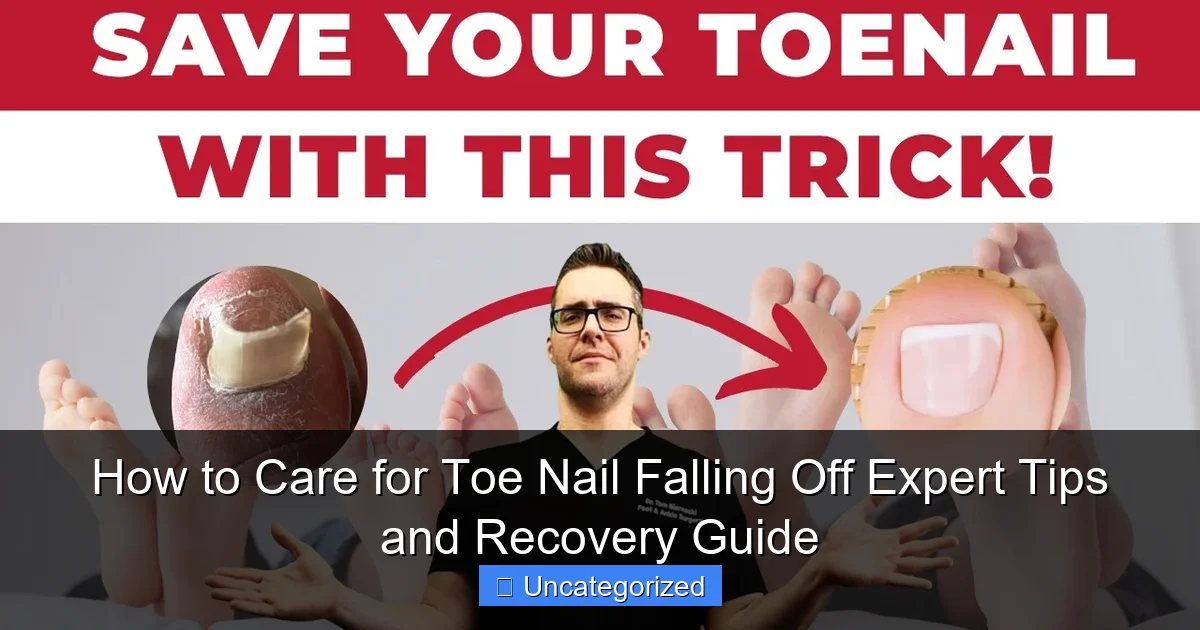
Featured image for how to care for toe nail falling off
Image source: i.ytimg.com
Keep the area clean and dry to prevent infection when dealing with a falling-off toenail—this is the most critical step for safe healing. Trim loose nail fragments carefully, apply an antiseptic, and protect it with a sterile bandage to support recovery and minimize pain. Avoid tight footwear and monitor for signs of infection like swelling or pus.
Key Takeaways
- Keep the area clean: Wash gently with soap and water to prevent infection.
- Trim loose nails carefully: Use sterilized tools to avoid further damage or injury.
- Moisturize daily: Apply antifungal cream or petroleum jelly to promote healing.
- Wear protective footwear: Choose open-toed or loose shoes to reduce pressure.
- Monitor for signs of infection: Seek medical help if pus, redness, or pain worsens.
- Boost nail recovery: Eat protein-rich foods and stay hydrated for faster regrowth.
📑 Table of Contents
- The Unexpected Journey of a Falling Toenail: What You Need to Know
- Understanding Why Toenails Fall Off: Causes and Risk Factors
- Immediate First Aid: What to Do When Your Toenail Starts to Fall Off
- Daily Care Routine: Supporting Healing and Preventing Infection
- Medical Treatments and When to See a Doctor
- Supporting Regrowth: Nutrition, Lifestyle, and Long-Term Prevention
- Data Table: Average Toenail Regrowth Timeline and Care Milestones
- Conclusion: Patience, Prevention, and Proactive Care
The Unexpected Journey of a Falling Toenail: What You Need to Know
Few things are more unsettling than noticing a toenail beginning to loosen or detach from the nail bed. Whether it’s due to an injury, fungal infection, or even tight footwear, a falling toenail can be painful, unsightly, and a source of anxiety. You might be tempted to pull it off, cover it with a bandage, or ignore it altogether—but doing so without proper care can lead to complications like infection, prolonged healing, or permanent nail deformities. The good news? With the right approach, most people can manage a falling toenail effectively at home and support a healthy regrowth process.
Toenails serve as protective shields for the sensitive tips of our toes, and when they begin to fall off, it’s not just a cosmetic issue—it’s a sign that something is disrupting the delicate balance of nail health. The average toenail takes 6 to 12 months to grow from base to tip, so once it’s damaged or lost, recovery is a slow but manageable process. Whether you’ve stubbed your toe, experienced repetitive trauma from running, or are dealing with a chronic condition like onycholysis (separation of the nail from the bed), knowing how to care for a falling toenail is essential. This guide will walk you through expert-approved strategies for cleaning, protecting, treating, and supporting the regrowth of your toenail, ensuring you minimize pain, prevent infection, and promote optimal healing.
Understanding Why Toenails Fall Off: Causes and Risk Factors
Before diving into treatment, it’s crucial to understand why your toenail is falling off. Identifying the root cause not only informs your care approach but can also help prevent future occurrences. Toenail loss, medically known as nail avulsion, isn’t always preventable, but recognizing the triggers allows for better management and prevention.
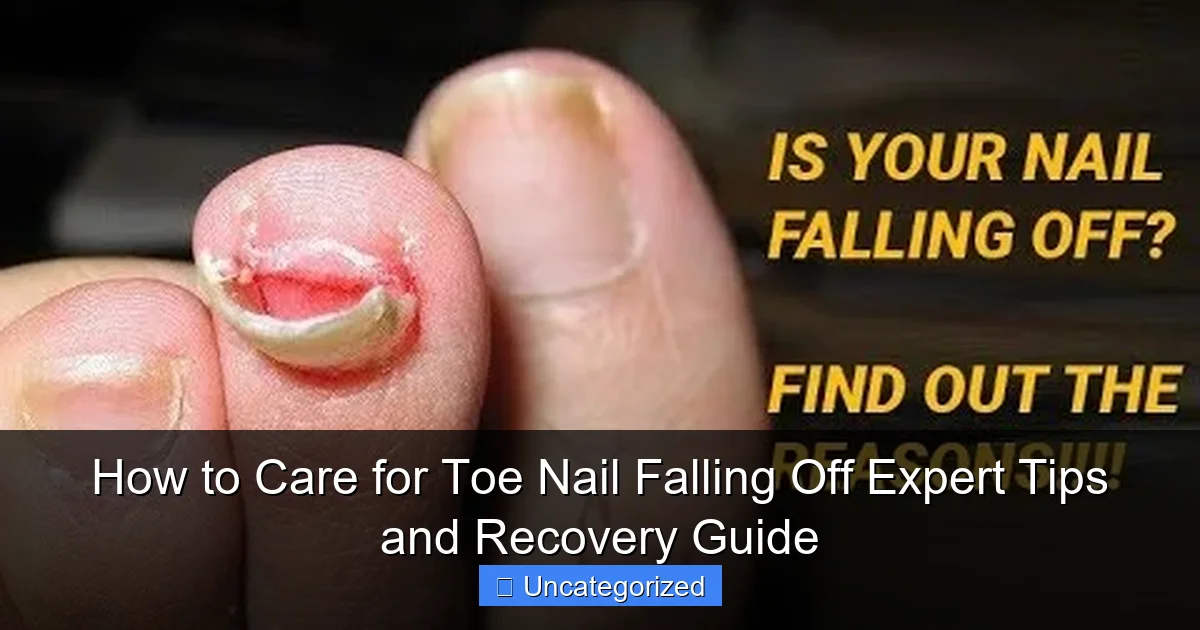
Visual guide about how to care for toe nail falling off
Image source: i.ytimg.com
Trauma and Physical Injury
One of the most common causes of a falling toenail is direct trauma. This includes:
- Stubbing your toe against furniture or a hard surface
- Repetitive pressure from ill-fitting shoes (e.g., tight toe boxes in dress shoes or high heels)
- Sports injuries, especially in runners or athletes who frequently kick balls or experience toe “jamming” in cleats
- Accidental stepping on your foot or dropping a heavy object on your toes
For example, a long-distance runner who wears shoes that are too short may repeatedly bruise the toenail, leading to subungual hematoma—a painful collection of blood under the nail. Over time, this pressure can cause the nail to lift and eventually detach.
Fungal Infections (Onychomycosis)
Fungal infections are another major culprit, affecting up to 10% of the global population and 50% of people over 70. Fungi thrive in warm, moist environments—think sweaty socks and damp gym shoes. When a fungal infection invades the nail bed, it weakens the structure, causing discoloration (yellow, brown, or white), thickening, and eventual lifting or crumbling of the nail.
Unlike trauma-related avulsion, fungal-related nail loss is often gradual and painless at first, making it easy to ignore until significant damage occurs. If left untreated, the fungus can spread to other nails or even the skin.
Medical Conditions and Systemic Factors
Certain health conditions increase the risk of nail detachment:
- Psoriasis: Can cause pitting, lifting, and crumbling of toenails
- Thyroid disorders: Both hypo- and hyperthyroidism can alter nail growth
- Poor circulation: Common in diabetes, which reduces blood flow to extremities and slows healing
- Nutritional deficiencies: Lack of iron, zinc, or protein can lead to brittle, weak nails
For instance, a diabetic patient with peripheral neuropathy may not feel a minor injury, allowing a small cut or pressure sore under the nail to worsen into a full detachment.
Other Contributing Factors
- Excessive moisture: Prolonged exposure to water (e.g., swimmers, dishwashers)
- Chemical exposure: Harsh nail polish removers or cleaning agents
- Improper nail trimming: Cutting nails too short or rounding the corners can lead to ingrown nails and secondary trauma
Understanding your specific cause helps tailor your treatment. A trauma-related avulsion may need different care than a fungal-induced detachment.
Immediate First Aid: What to Do When Your Toenail Starts to Fall Off
When you first notice your toenail lifting or detaching, acting quickly can reduce pain, prevent infection, and support healing. Here’s a step-by-step guide to immediate care.
Step 1: Clean the Area Thoroughly
Begin by washing your foot with mild soap and lukewarm water. Use a soft brush to gently clean under the loose nail and around the nail bed. This removes dirt, bacteria, and debris that could lead to infection. Pat the area dry with a clean towel—never rub, as this can further damage the nail or surrounding skin.
Tip: If you have a subungual hematoma (blood under the nail), avoid puncturing it unless advised by a doctor. Puncturing at home can introduce bacteria and increase infection risk.
Step 2: Trim the Loose Nail (If Necessary)
Do not pull off a partially detached nail. Instead, use sterile nail clippers or scissors to carefully trim away only the loose portion. Leave any part still attached to the nail bed—this acts as a natural bandage, protecting the sensitive skin underneath.
- Sanitize tools with rubbing alcohol before and after use
- Cut straight across—avoid rounding the edges
- If the nail is still firmly attached, leave it alone
Example: If 40% of your nail is loose, trim only that 40% with clean, precise cuts. The remaining 60% will protect the bed as it heals.
Step 3: Apply an Antiseptic and Bandage
After trimming (if needed), apply an antiseptic solution such as hydrogen peroxide, povidone-iodine (Betadine), or chlorhexidine. Then, cover the area with a non-stick sterile gauze pad and secure it with medical tape or a bandage.
Change the bandage daily—or more often if it becomes wet or soiled. This keeps the area clean and reduces friction from socks or shoes.
Step 4: Manage Pain and Swelling
Use over-the-counter pain relievers like ibuprofen (Advil) or acetaminophen (Tylenol) to manage discomfort. For swelling, elevate your foot above heart level for 15–20 minutes every few hours during the first 48 hours.
Applying a cold compress (wrapped in a cloth) can also reduce inflammation. Avoid direct ice on the skin.
Step 5: Protect the Toe
Wear open-toed shoes or sandals to reduce pressure. If you must wear closed shoes, choose ones with a wide toe box and cushioning. Consider using toe caps or foam padding to shield the affected toe.
Pro Tip: Use moleskin padding to create a “dome” over the toe, preventing it from rubbing against the shoe.
Daily Care Routine: Supporting Healing and Preventing Infection
Consistent, daily care is the cornerstone of successful recovery. Once the initial trauma has been managed, your focus should shift to creating an optimal environment for healing and regrowth.
Keep It Clean and Dry
Wash your feet daily with mild soap, paying special attention to the affected toe. After washing, thoroughly dry the area—especially between the toes—using a clean towel or a hair dryer on a cool setting. Moisture is a breeding ground for bacteria and fungi, so dryness is critical.
- Change socks at least once a day (twice if you sweat heavily)
- Choose moisture-wicking materials like cotton or bamboo
- Avoid tight, synthetic socks
Antifungal Treatment (If Needed)
If a fungal infection is suspected or confirmed, apply an over-the-counter antifungal cream (e.g., clotrimazole, terbinafine) to the nail bed and surrounding skin twice daily. Continue treatment for at least 4–6 weeks, even if symptoms improve earlier.
For severe or persistent fungal infections, a podiatrist may prescribe oral antifungals like terbinafine (Lamisil) or itraconazole (Sporanox).
Moisturize the Nail Bed
Contrary to popular belief, keeping the nail bed lightly moisturized can prevent cracking and promote healing. Apply a fragrance-free moisturizer or emollient (e.g., petroleum jelly, urea-based creams) around the nail fold and bed—but not directly on an open wound or raw skin.
Why? Dry, cracked skin is more vulnerable to infection and can delay healing.
Trim Nails Properly
As the new nail grows, keep all toenails trimmed straight across to prevent ingrown nails. Use clean, sharp clippers and avoid cutting too short. File sharp edges gently with a nail file.
Never share nail tools—this can spread infections.
Monitor for Signs of Infection
Watch for redness, increased swelling, pus, foul odor, or fever. These are signs of infection and require medical attention. Early intervention prevents complications like cellulitis or abscess formation.
Red Flags:
- Yellow or green pus
- Warmth or throbbing pain
- Red streaks spreading from the toe
- Fever or chills
Wear Protective Footwear
Continue wearing shoes with a wide toe box and cushioning. Avoid high heels, flip-flops, or tight shoes until the nail is fully regrown. Consider using orthotic inserts to redistribute pressure and reduce trauma to the toes.
Medical Treatments and When to See a Doctor
While most cases of falling toenails can be managed at home, some situations require professional care. Knowing when to seek help can prevent long-term damage.
When to Visit a Podiatrist
Schedule an appointment if you experience any of the following:
- The nail is completely detached or severely damaged
- Signs of infection (pus, redness, fever)
- Persistent pain or inability to walk comfortably
- History of diabetes, poor circulation, or immune disorders
- No improvement after 2–3 weeks of home care
- Suspected fungal infection that doesn’t respond to OTC treatments
A podiatrist can assess the extent of damage, perform a nail biopsy if needed, and recommend targeted treatments.
Professional Interventions
Depending on the cause, a doctor may offer:
- Nail debridement: Careful removal of loose or infected nail fragments
- Drainage of hematoma: Using a sterile needle to relieve pressure (only in medical settings)
- Oral antifungals: For confirmed fungal infections (e.g., terbinafine for 6–12 weeks)
- Topical prescription medications: Stronger antifungal or antibiotic creams
- Surgical nail removal: In rare cases of chronic pain or severe infection
For example, a patient with a large subungual hematoma and unbearable pain may benefit from trephination—a quick, in-office procedure to drain the blood and relieve pressure.
Advanced Treatments for Chronic Issues
For recurring or stubborn problems, newer treatments include:
- Laser therapy: Used to kill fungal infections with minimal side effects
- Nail matrixectomy: Permanent removal of the nail root to prevent regrowth (used for severe ingrown nails)
- Custom orthotics: To correct biomechanical issues causing repeated trauma
These options are typically considered only after conservative treatments fail.
Supporting Regrowth: Nutrition, Lifestyle, and Long-Term Prevention
Healing doesn’t end when the wound closes—regrowing a healthy toenail takes months, and your body needs the right tools to do it. Supporting nail regrowth involves a combination of nutrition, lifestyle adjustments, and preventive habits.
Nutrition for Strong Nails
Toenails are made of keratin, a protein that requires specific nutrients to form properly. Focus on:
- Protein: Essential for keratin synthesis (e.g., eggs, lean meat, legumes)
- Iron: Prevents brittle nails (e.g., spinach, red meat, lentils)
- Zinc: Supports cell growth (e.g., oysters, pumpkin seeds, beef)
- Omega-3 fatty acids: Reduce inflammation (e.g., salmon, chia seeds, walnuts)
- Biotin (B7): May improve nail thickness (e.g., eggs, almonds, sweet potatoes)
Consider a daily multivitamin or biotin supplement if your diet lacks these nutrients. However, excessive biotin can interfere with lab tests, so consult your doctor first.
Hydration and Blood Circulation
Drink plenty of water (8–10 glasses daily) to maintain healthy skin and nail growth. Poor circulation slows healing, so:
- Exercise regularly (walking, swimming, cycling)
- Elevate your feet when sitting
- Wear compression socks if you have varicose veins or swelling
Footwear and Activity Modifications
Prevent future injuries by:
- Choosing shoes with a wide toe box and cushioned soles
- Replacing athletic shoes every 300–500 miles
- Wearing moisture-wicking socks during sports
- Using toe protectors in high-impact activities
Example: A hiker with a history of falling toenails might wear trail shoes with extra toe room and use toe caps for added protection.
Routine Foot Care Habits
- Inspect feet daily—especially if you have diabetes
- Trim nails straight across every 6–8 weeks
- Disinfect shoes and pedicure tools regularly
- Avoid walking barefoot in public areas (pools, gyms)
Tracking Regrowth Progress
Take weekly photos of your toe to monitor healing. Healthy regrowth typically starts at the base of the nail and moves forward. You should see a pink, smooth nail bed with new nail forming behind the old (if still partially attached). If the new nail grows in thick, discolored, or misshapen, consult a doctor.
Data Table: Average Toenail Regrowth Timeline and Care Milestones
| Week | Expected Progress | Care Focus | Warning Signs |
|---|---|---|---|
| 1–2 | Initial healing; pain and swelling reduce | Cleaning, antiseptic, bandaging, pain management | Increased redness, pus, fever |
| 3–6 | New nail begins to form at base; old nail may fall off | Moisturizing, antifungal treatment (if needed), footwear protection | No improvement, foul odor, spreading redness |
| 6–12 | Visible regrowth (1–3 mm); nail bed protected by new nail | Nutrition, hydration, gentle trimming | Thick, discolored, or deformed new nail |
| 12+ | Nearly full regrowth; new nail may be slightly misshapen initially | Preventive care, monitoring for fungal recurrence | Persistent pain, nail lifting again |
Remember: Individual healing varies. Factors like age, circulation, and overall health influence recovery time.
Conclusion: Patience, Prevention, and Proactive Care
Caring for a falling toenail is a journey that requires patience, consistency, and attention to detail. From the moment you notice the nail lifting, your actions can determine whether you experience a smooth recovery or face complications like infection, delayed healing, or permanent nail damage. By understanding the causes—whether trauma, fungus, or systemic health issues—you can tailor your care approach effectively.
The key takeaways are clear: act quickly with proper cleaning and protection, maintain a rigorous daily care routine, seek medical help when necessary, and support regrowth through nutrition and preventive habits. Most importantly, don’t ignore the signs. A falling toenail is more than a nuisance—it’s a signal from your body that something needs attention.
With the right care, your toenail will regrow, and with smart lifestyle choices, you can reduce the risk of it happening again. Whether you’re an athlete, a senior, or someone with a chronic condition, taking proactive steps today ensures healthier feet tomorrow. Remember: your toenails may be small, but their care is anything but minor. Treat them with the respect they deserve—and they’ll protect your toes for years to come.
Frequently Asked Questions
What should I do if my toenail is falling off due to injury?
If your toenail is falling off after trauma, clean the area gently with soap and water, apply an antiseptic, and cover it with a sterile bandage. Avoid tight footwear to reduce pressure and monitor for signs of infection, like increased pain or pus. This is a common concern when managing a toenail falling off from stubbing or impact.
How long does it take for a new toenail to grow after one falls off?
Toenails typically grow back at a rate of 1–2 mm per month, so full regrowth can take 6–12 months. Keep the area clean and protected during recovery to support healthy nail regrowth. Patience is key, especially with a toenail falling off due to fungal or traumatic causes.
Can I prevent infection when my toenail is partially detached?
Yes—trim the loose nail carefully with sterilized clippers, avoid pulling it off, and apply an antibiotic ointment to the exposed nail bed. Change bandages daily and watch for redness, swelling, or foul odor, which may indicate infection.
Is it safe to walk or exercise with a toenail falling off?
Minimize activity that puts pressure on the affected toe, such as running or wearing tight shoes. Opt for open-toed footwear or well-cushioned, roomy shoes to protect the area and promote healing.
What home remedies can help soothe a toenail falling off?
Soak the foot in warm water with Epsom salt to reduce inflammation and discomfort. Keep the area dry between soaks and elevate the foot to minimize swelling. These steps can ease symptoms while the nail detaches naturally.
When should I see a doctor for a toenail falling off?
Consult a healthcare provider if you notice pus, severe pain, fever, or signs of cellulitis (red streaks on the skin). Diabetics or those with poor circulation should seek immediate care to avoid complications from a toenail falling off.