
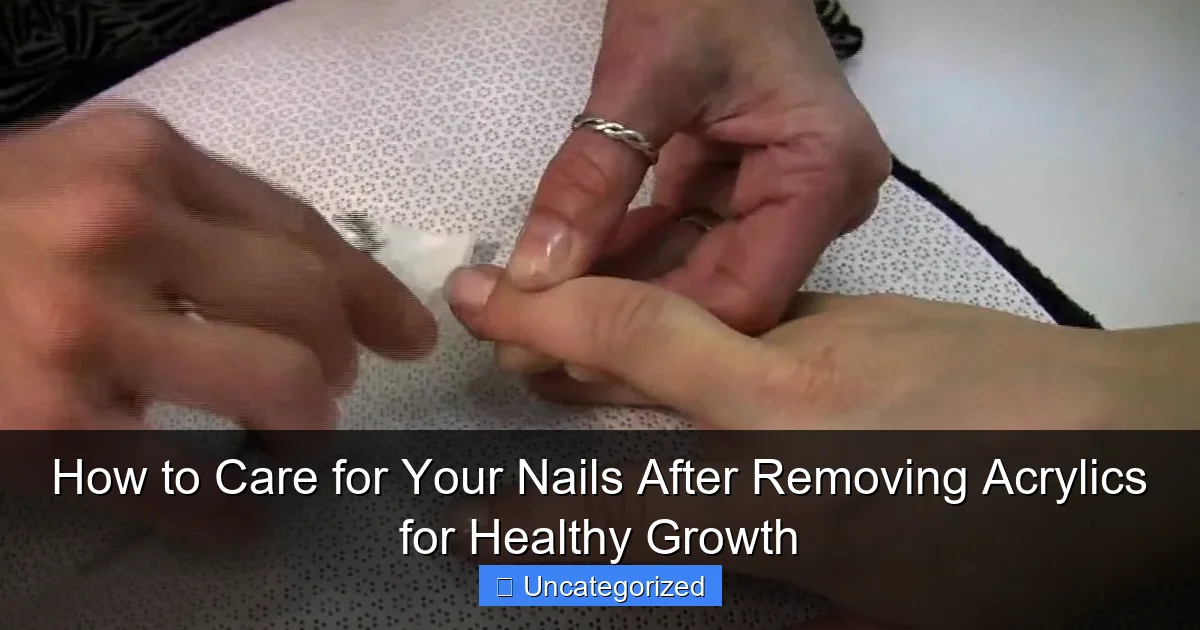
Featured image for how to care for your nails after removing acrylics
Image source: i.ytimg.com
Immediately after removing acrylics, keep your nails clean, dry, and moisturized to prevent breakage and support natural healing. Apply a nourishing cuticle oil daily and use a gentle, protein-rich nail strengthener to repair damage and encourage healthy, resilient nail growth over time.
Key Takeaways
- Moisturize daily: Apply cuticle oil and hand cream to prevent dryness and brittleness.
- Buff gently: Smooth nail surfaces without over-buffing to avoid thinning.
- Use a nail hardener: Strengthen weak nails with a protective, nourishing formula.
- Avoid harsh chemicals: Wear gloves when cleaning to shield nails from damage.
- Eat nail-friendly foods: Boost growth with protein, biotin, and omega-3s.
- Give nails a break: Let them breathe without polish or extensions for 1–2 weeks.
📑 Table of Contents
- Understanding the Impact of Acrylics on Natural Nails
- Immediate Post-Removal Care: The First 48 Hours
- Strengthening and Repair: Long-Term Nail Regimen
- Moisturizing Routines: Locking in Hydration
- Protecting Your Nails: Preventing Re-Injury
- When to Seek Professional Help: Recognizing Warning Signs
- Data Table: Nail Recovery Timeline and Milestones
- Conclusion: Nurturing Your Nails Back to Health
Understanding the Impact of Acrylics on Natural Nails
Acrylic nails have long been a go-to choice for those seeking long, polished, and durable manicures. Their versatility in length, shape, and design makes them a favorite among nail enthusiasts. However, while acrylics offer aesthetic appeal, their removal can leave your natural nails in a fragile state. The process of applying and removing acrylics—especially when done improperly or too frequently—can lead to thinning, peeling, brittleness, and even fungal infections. This is because acrylics adhere tightly to the nail plate, and during removal, the top layers of the natural nail may be inadvertently stripped away, weakening the nail’s integrity.
After removing acrylics, your nails are essentially in recovery mode. They need time, hydration, and targeted care to regain strength and promote healthy regrowth. Think of this phase as a post-workout recovery for your nails—just as muscles need protein and rest, your nails require nourishment, moisture, and protection. The good news is that with the right aftercare routine, your nails can not only recover but also grow stronger and healthier than before. This guide will walk you through every essential step to care for your nails after acrylic removal, ensuring they bounce back with resilience and natural beauty.
Immediate Post-Removal Care: The First 48 Hours
The first two days after removing acrylics are the most critical for setting the foundation for nail recovery. During this window, your nails are at their most vulnerable, and how you treat them can significantly impact their healing trajectory.
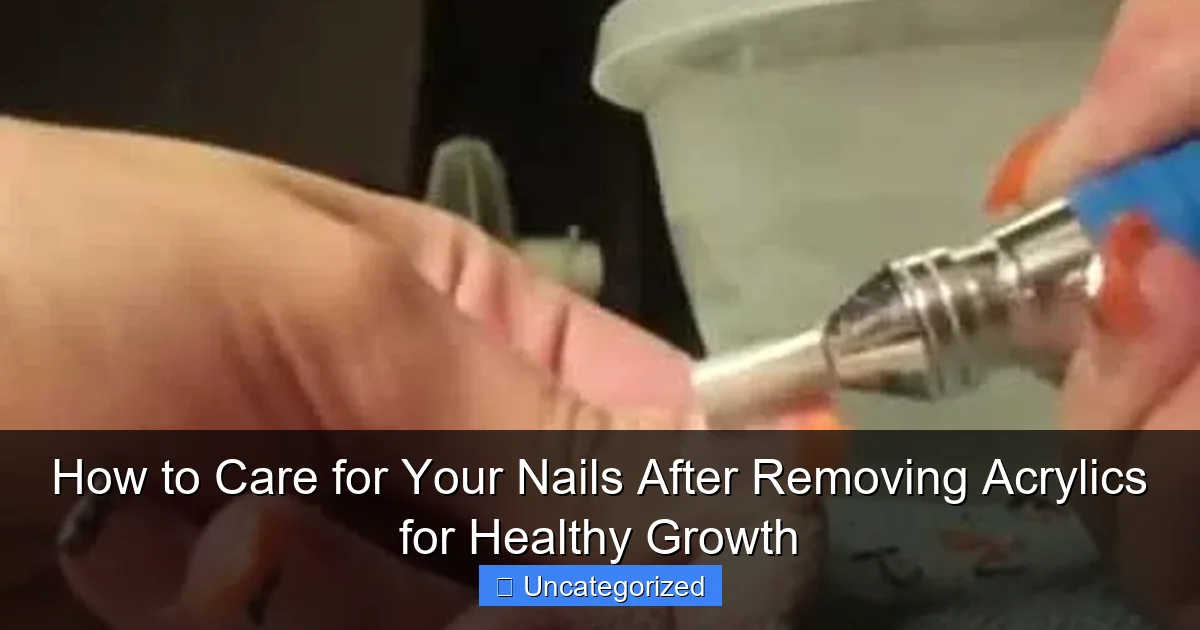
Visual guide about how to care for your nails after removing acrylics
Image source: i.ytimg.com
Hydrate with Cuticle Oil
One of the most effective immediate actions is applying cuticle oil multiple times a day. Acrylics and their removal process strip natural oils from the nail bed and surrounding skin, leading to dryness and cracking. A high-quality cuticle oil—preferably one containing jojoba oil, vitamin E, or argan oil—helps restore moisture and improves the flexibility of the nail plate. For best results, apply the oil using a brush or dropper directly to the cuticle and along the sides of each nail. Massage gently in circular motions to stimulate blood circulation, which supports faster healing and growth.
Pro Tip: Keep a bottle of cuticle oil in your purse, at your desk, and by your bedside to ensure consistent application. Aim for at least 3–4 applications per day during the first week.
Avoid Water Exposure
Excessive water exposure—especially hot water—can further dehydrate your nails and weaken their structure. During the first 48 hours, minimize submerging your hands in water. Wear gloves when washing dishes, cleaning, or gardening. If you must wash your hands, use lukewarm water and avoid harsh soaps. After washing, pat your hands dry instead of rubbing, and apply cuticle oil immediately to lock in moisture.
For example, Sarah, a nail technician from Austin, noticed that her clients who wore gloves during household chores reported 60% less nail peeling in the first week post-removal compared to those who didn’t. This simple habit makes a measurable difference.
Skip Nail Polish (At Least for Now)
While it’s tempting to cover up thin or uneven nails with polish, resist the urge. Freshly removed acrylics leave the nail plate porous and sensitive. Applying regular nail polish—especially those with harsh solvents like acetone or formaldehyde—can further dry out and damage the nail. Instead, embrace the natural look. If you need a little color for confidence, opt for a clear strengthening base coat that contains nourishing ingredients like biotin or calcium. These formulas protect the nail without adding chemical stress.
Strengthening and Repair: Long-Term Nail Regimen
Once the initial 48-hour window passes, it’s time to shift focus from protection to active strengthening. This phase involves a consistent routine that supports nail growth, repairs damage, and prevents future issues.
Use a Nail Strengthener with Key Ingredients
Not all nail strengtheners are created equal. Look for products that contain:
- Calcium: Reinforces the nail’s keratin structure.
- Biotin (Vitamin B7): Promotes keratin production, essential for nail thickness.
- Keratin or Silk Proteins: Fill in micro-cracks and add resilience.
- Hyaluronic Acid: Attracts moisture to keep nails hydrated.
Apply a strengthening base coat or treatment every other day for the first two weeks, then reduce to 2–3 times per week as your nails improve. Brands like OPI Nail Envy and Essie Strong Start are dermatologist-recommended and clinically tested for nail repair.
Adopt a Nail-Friendly Diet and Supplements
Healthy nails grow from within. Your diet plays a crucial role in nail strength and growth rate. Focus on foods rich in:
- Protein: Nails are made of keratin, a type of protein. Include eggs, lean meats, tofu, and legumes.
- Biotin: Found in nuts (especially almonds), sweet potatoes, and spinach.
- Omega-3 Fatty Acids: Salmon, chia seeds, and walnuts reduce inflammation and support nail flexibility.
- Vitamin E: Avocados, sunflower seeds, and olive oil protect against oxidative damage.
For faster results, consider a biotin supplement (typically 2.5–5 mg daily). A 2022 study published in the Journal of Cosmetic Dermatology found that participants who took 2.5 mg of biotin daily for six months experienced a 25% increase in nail thickness and reduced splitting. Always consult your doctor before starting supplements, especially if you have underlying health conditions.
File and Shape Gently
After acrylics, your nails may have uneven edges or weak corners. Use a fine-grit glass or crystal nail file (never a metal or coarse emery board) to shape them. File in one direction only—sawing back and forth can cause micro-tears. Aim for a slightly rounded or square shape, which is less prone to snagging and breaking.
For example, instead of filing aggressively to shorten nails, file in small, gentle strokes from the edge toward the center. This preserves the nail’s integrity and reduces the risk of peeling layers.
Moisturizing Routines: Locking in Hydration
Hydration is the cornerstone of nail recovery. Dry, brittle nails are more likely to split, peel, and grow slowly. A consistent moisturizing routine ensures your nails stay supple and resilient.
Daily Hand Cream and Overnight Treatments
Apply a thick, emollient hand cream at least twice daily—morning and night. Look for ingredients like:
- Shea butter: Deeply nourishes dry skin and cuticles.
- Glycerin: Draws moisture into the skin and nails.
- Ceramides: Repair the skin’s barrier and prevent water loss.
For an intensive treatment, apply a generous layer of hand cream or petroleum jelly (like Vaseline) before bed, then wear cotton gloves overnight. This creates a “hydration chamber” that allows the product to penetrate deeply. Users of this method report softer cuticles and stronger nails within two weeks.
DIY Nail Soaks for Intensive Repair
Weekly or bi-weekly soaks can accelerate healing. Try one of these recipes:
Olive Oil & Lemon Soak
– 1/4 cup olive oil (rich in vitamin E and antioxidants)
– 1 tbsp fresh lemon juice (natural exfoliant, brightens nails)
– 5 drops tea tree oil (antifungal, reduces infection risk)
Mix ingredients, warm slightly, and soak nails for 10–15 minutes. Rinse and apply cuticle oil.
Green Tea & Honey Soak
– 1 cup brewed green tea (cooled, high in polyphenols)
– 1 tbsp raw honey (moisturizing, antimicrobial)
Soak nails for 10 minutes. This combination reduces inflammation and strengthens nails.
Note: Avoid lemon juice if you have open cuts or sensitive skin, as it can sting.
Protecting Your Nails: Preventing Re-Injury
Even with the best care, nails can be damaged by everyday activities. Preventing re-injury is just as important as active repair.
Wear Gloves for Chores
As mentioned earlier, gloves are non-negotiable during household tasks. But don’t just use any gloves—opt for:
- Cotton-lined rubber gloves: Prevent skin irritation and absorb sweat.
- Reusable nitrile gloves: More durable and chemical-resistant than latex.
Keep a pair by your sink, in your car, and in your cleaning supplies. A 2023 survey by the American Academy of Dermatology found that 78% of participants who wore gloves consistently reported fewer nail breaks and splits.
Avoid Nail Biting and Picking
Habitual nail biting or picking at hangnails introduces bacteria and causes further damage. Break the habit by:
- Using a bitter-tasting nail polish (like Onyx No Bite).
- Keeping nails short and filed to reduce temptation.
- Applying a moisturizing balm to soothe dry cuticles.
If stress triggers your nail-biting, try stress-relief techniques like deep breathing or fidget toys.
Limit Use of Nail Tools
While cuticle pushers and nippers are useful, overuse can harm delicate post-acrylic nails. Push back cuticles gently with a wooden stick or rubber pusher—never cut them unless necessary. If you must trim, do so only after soaking in warm water to soften them. Always sterilize tools with rubbing alcohol before and after use.
When to Seek Professional Help: Recognizing Warning Signs
Most nail recovery happens at home, but some symptoms require professional attention. Know when to consult a dermatologist or licensed nail technician.
Signs of Infection or Severe Damage
Seek immediate care if you notice:
- Yellow, green, or black discoloration: Could indicate a fungal infection.
- Swelling, redness, or pus: Signs of bacterial infection or paronychia (infection around the nail).
- Deep grooves or pitting: May signal underlying health issues like psoriasis or iron deficiency.
- Persistent pain or throbbing: Could mean trauma or infection.
Early treatment with antifungal creams, antibiotics, or blood tests can prevent long-term damage.
Consulting a Nail Technician for Maintenance
While you’re recovering, consider visiting a licensed technician for a gentle manicure every 3–4 weeks. They can:
- Shape and file nails properly.
- Apply a nourishing cuticle treatment.
- Recommend professional-grade products tailored to your nail type.
Avoid salons that use drills or harsh removers. Instead, look for technicians who specialize in natural nail care and use non-acetone removers.
Data Table: Nail Recovery Timeline and Milestones
| Time Frame | Expected Progress | Recommended Actions |
|---|---|---|
| 0–48 hours | Nails are porous, dry, and sensitive. May appear thin or uneven. | Apply cuticle oil 3–4x/day, avoid water, wear gloves, skip polish. |
| 3–7 days | Initial moisture restored. Reduced peeling and cracking. | Begin nail strengthener, start hand cream routine, gentle filing. |
| 2–4 weeks | Nails feel firmer. New growth visible at cuticle line. | Continue strengthener, add weekly soaks, consider biotin supplements. |
| 4–8 weeks | Significant improvement in thickness and strength. | Reduce strengthener to 2–3x/week, maintain diet and hydration. |
| 8–12 weeks | Nails are healthy, resilient, and growing steadily. | Transition to maintenance routine: cuticle oil, hand cream, gloves. |
Conclusion: Nurturing Your Nails Back to Health
Removing acrylics isn’t the end of your nail journey—it’s the beginning of a healthier, more sustainable one. By understanding the impact of acrylics, committing to immediate aftercare, and adopting a long-term strengthening and moisturizing routine, you can restore your nails to their natural strength and beauty. Remember, nail recovery is a marathon, not a sprint. Patience and consistency are key. With the right care, your nails will not only heal but also grow stronger, more flexible, and more resilient than ever before.
Embrace this recovery period as an opportunity to reconnect with your natural nails. Celebrate small milestones, like the first sign of new growth or a day without peeling. And most importantly, listen to your nails—they’ll tell you what they need. Whether it’s more oil, a break from polish, or a visit to a professional, your attention and care will pay off. In a few months, you’ll look back and be amazed at how far your nails have come. Healthy, natural nails aren’t just a trend—they’re a sign of self-care, discipline, and pride in your body’s ability to heal. Start today, and let your nails thrive.
Frequently Asked Questions
How long should I wait before getting acrylics again after removal?
Give your natural nails at least 2-3 weeks to recover before reapplying acrylics. This break allows them to rehydrate and strengthen, reducing the risk of peeling or breakage.
What’s the best way to care for your nails after removing acrylics?
Moisturize daily with cuticle oil and a nourishing hand cream to restore hydration. Avoid harsh chemicals and wear gloves during chores to protect your recovering nails.
Why are my nails so weak and peeling after acrylic removal?
Acrylics often strip natural oils and layers of keratin, leaving nails thin and dehydrated. Focus on protein-rich treatments (like nail hardeners) and hydration to rebuild strength.
Can I use nail polish after removing acrylics, or should I go bare?
Opt for a breathable, strengthening base coat or a keratin-infused polish to support recovery. Avoid dark or long-wear polishes initially, as they can stain fragile nails.
How often should I apply cuticle oil during nail recovery?
Apply cuticle oil 2-3 times daily, especially after washing hands, to boost hydration and promote healthy nail growth. Consistency is key for visible improvement.
Are there foods or vitamins that help nails grow stronger post-acrylics?
Eat protein-rich foods (eggs, fish) and take biotin or collagen supplements to support keratin production. Hydration (water) and zinc also play a vital role in nail repair.