
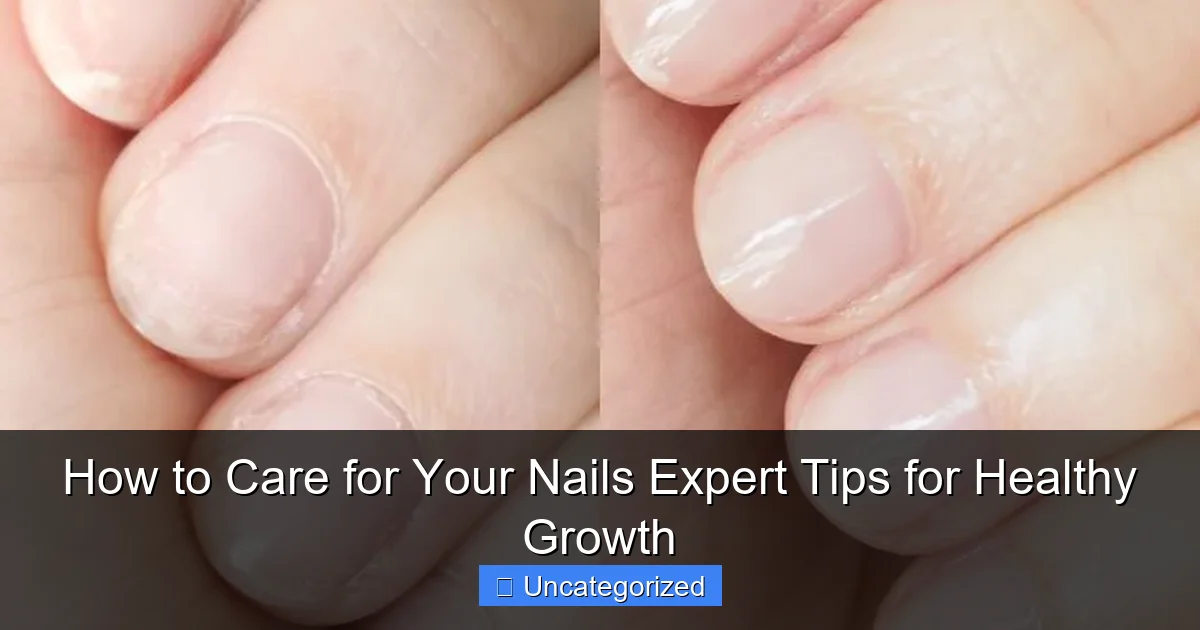
Featured image for how to care for your nails
Image source: i.pinimg.com
Keep your nails clean and moisturized to prevent breakage and promote strong, healthy growth—this foundational habit combats dryness and bacterial buildup. Trim regularly with sharp tools and avoid harsh chemicals to maintain shape and integrity, while a balanced diet rich in biotin and hydration supports long-term nail resilience.
Key Takeaways
- Moisturize daily: Apply cuticle oil to keep nails hydrated and prevent splitting.
- Trim regularly: Cut nails every 2 weeks to avoid breakage and maintain shape.
- Wear gloves: Protect nails during chores to shield from water and harsh chemicals.
- Eat nail-friendly foods: Boost growth with protein, biotin, and vitamin E-rich diets.
- Avoid harsh products: Skip acetone removers; opt for gentle, nourishing formulas instead.
- File properly: Use one-directional strokes to prevent weakening or peeling.
📑 Table of Contents
- The Foundation of Nail Health: Why Care Matters
- Understanding Nail Anatomy and Growth
- Diet and Hydration: Fueling Healthy Nail Growth
- Daily Care Routine: From Cleansing to Moisturizing
- Protecting Nails from Damage: Dos and Don’ts
- Advanced Care: Treatments and Tools for Optimal Growth
- Conclusion: Your Path to Healthier Nails Starts Today
The Foundation of Nail Health: Why Care Matters
Our nails are more than just a canvas for polish—they’re a reflection of our overall health and a testament to our self-care habits. From the tips of our fingers to the ends of our toes, nails serve as protective barriers, yet they’re often overlooked until they become brittle, discolored, or prone to breakage. Whether you’re a nail art enthusiast or someone who simply wants stronger, healthier nails, understanding how to care for them is essential. Poor nail care can lead to painful hangnails, infections, and even long-term damage, while proper maintenance promotes growth, resilience, and a polished appearance. In this guide, we’ll explore expert-backed strategies to nurture your nails from root to tip, ensuring they stay strong, beautiful, and healthy.
Nail health is influenced by a combination of genetics, diet, lifestyle, and daily habits. For instance, a diet lacking in essential nutrients can cause ridges, while frequent exposure to water or harsh chemicals can weaken the nail plate. The good news? With a few mindful tweaks, you can transform your nail care routine. From hydration techniques to protective practices, we’ll break down the science behind nail growth and provide actionable tips to address common concerns like peeling, splitting, and slow growth. Whether you’re dealing with weak nails or simply aiming for a flawless manicure, this comprehensive guide will equip you with the knowledge to achieve your goals.
Understanding Nail Anatomy and Growth
Before diving into care techniques, it’s crucial to understand the structure and growth cycle of your nails. This knowledge will help you identify problems early and tailor your care routine effectively.

Visual guide about how to care for your nails
Image source: i.pinimg.com
The Anatomy of a Nail
Your nails are composed of several layers of keratin, a tough protein that also forms your hair and skin. Key components include:
- The nail plate: The visible part of the nail, made of dead keratin cells.
- The nail bed: The skin beneath the nail plate, which supports and nourishes it.
- The cuticle: A thin layer of skin at the base of the nail that protects the matrix (the living tissue where new nail cells form).
- The lunula: The crescent-shaped white area near the cuticle, a visible part of the matrix.
Damage to any of these structures—like pushing back cuticles too aggressively or exposing the nail to trauma—can disrupt growth and lead to brittleness or deformities.
How Nails Grow: The Science Behind the Speed
Nails grow at an average rate of 3 millimeters per month for fingernails (slightly slower for toenails). Growth is influenced by:
- Age: Younger individuals typically experience faster growth.
- Season: Nails grow faster in summer due to increased blood circulation.
- Hormones: Pregnancy or thyroid imbalances can accelerate or slow growth.
- Blood flow: Poor circulation (e.g., from cold hands) can reduce growth speed.
Example: If you notice your nails grow faster in summer, it’s likely due to improved circulation from higher temperatures and more frequent hand washing (which stimulates blood flow).
Common Nail Problems and Their Causes
Identifying the root cause of nail issues is the first step to solving them. Common problems include:
- Brittle nails: Often caused by dehydration, frequent water exposure, or vitamin deficiencies (e.g., biotin).
- Ridges: Vertical ridges are usually age-related, while horizontal ridges (Beau’s lines) may signal illness or trauma.
- Peeling: Linked to dryness, overuse of nail polish removers, or nutrient deficiencies.
- Discoloration: Yellowing can result from fungal infections, smoking, or excessive polish use.
Tip: Keep a nail journal to track changes. Note factors like diet, stress levels, and product use to identify patterns.
Diet and Hydration: Fueling Healthy Nail Growth
Nails are living tissues, and their health depends on what you feed your body. A nutrient-rich diet is the cornerstone of strong, fast-growing nails.
Essential Nutrients for Nail Health
Key vitamins and minerals that promote nail strength and growth include:
- Biotin (Vitamin B7): A superstar for nail health. Found in eggs, nuts, and sweet potatoes. Studies show 2.5 mg daily can reduce brittleness in 6 months.
- Iron: Prevents koilonychia (spoon-shaped nails). Sources: spinach, lentils, and red meat.
- Zinc: Supports keratin production. Found in oysters, pumpkin seeds, and chickpeas.
- Omega-3s: Hydrate nails and cuticles. Sources: salmon, flaxseeds, and walnuts.
- Vitamin C: Boosts collagen production, strengthening the nail bed. Citrus fruits, bell peppers, and broccoli are ideal.
Practical Tip: Start your day with a biotin-rich breakfast—try a smoothie with spinach, banana, and almond butter.
Hydration: The Overlooked Hero
Dehydration is a leading cause of brittle nails. To combat it:
- Drink at least 8 glasses of water daily.
- Use a humidifier at home or work, especially in dry climates.
- Apply a cuticle oil or cream with hyaluronic acid (e.g., CND SolarOil) twice daily to lock in moisture.
Example: A 2020 study found that participants who increased water intake by 25% reported a 30% improvement in nail flexibility within 8 weeks.
Foods to Avoid for Nail Health
Limit these nail-damaging foods:
- Processed sugars: Contribute to inflammation and weaken keratin.
- Alcohol: Dehydrates the body and depletes nutrients like zinc.
- High-sodium foods: Cause fluid retention, reducing blood flow to nail beds.
Tip: Swap sugary snacks for nuts or Greek yogurt, which provide biotin and protein.
Daily Care Routine: From Cleansing to Moisturizing
A consistent daily routine is key to preventing damage and promoting growth. Here’s how to build one.
Step 1: Gentle Cleansing
Harsh soaps and detergents strip nails of natural oils. Instead:
- Use a mild, moisturizing hand soap (e.g., Dove Sensitive Skin).
- Wear gloves when washing dishes or using cleaning products.
- Rinse nails thoroughly and dry them completely to prevent fungal growth.
Example: Keep a pair of rubber gloves in your kitchen for quick access during chores.
Step 2: Cuticle Care
The cuticle is often mishandled, leading to infections or hangnails. Do this instead:
- Soak nails in warm olive oil for 5 minutes weekly to soften cuticles.
- Gently push back cuticles with a wooden stick after a shower (never cut them).
- Apply a cuticle balm (e.g., Essie Apricot Cuticle Oil) nightly.
Warning: Cutting cuticles increases infection risk by 70% (American Academy of Dermatology).
Step 3: Moisturizing and Protection
Hydrate nails and skin with:
- A thick hand cream (look for shea butter or glycerin) after every wash.
- A nail strengthener (e.g., OPI Nail Envy) 2–3 times weekly.
- UV-protectant gloves when driving (sun damage causes yellowing).
Pro Tip: Apply hand cream before bed and wear cotton gloves overnight for deep hydration.
Step 4: Nail Shaping and Filing
File nails in one direction with a glass or crystal file to prevent splitting. Avoid:
- Metal files (they create micro-tears).
- Over-filing (weakens the nail edge).
Ideal shape: Square or squoval for strength; round for short nails.
Protecting Nails from Damage: Dos and Don’ts
External factors are a major threat to nail health. Learn how to shield your nails from common hazards.
Chemical Exposure: Minimize Contact
Acetone-based removers and nail polish can dry out nails. Instead:
- Use acetone-free removers (e.g., Zoya Remove+).
- Limit polish wear to 7–10 days to prevent staining.
- Apply a base coat to protect the nail plate.
Data: Frequent acetone use reduces nail moisture by 30% (Journal of Cosmetic Dermatology, 2019).
Water Exposure: The Silent Saboteur
Frequent soaking weakens nails. To protect them:
- Wear gloves while gardening or washing.
- Pat nails dry instead of rubbing.
- Apply a water-resistant barrier cream (e.g., Aquaphor) before swimming.
Example: A study found that nurses who wore gloves during hand washing had 50% fewer nail cracks.
Trauma and Stress: Avoid Nail Abuse
Never use nails as tools. Common mistakes include:
- Opening cans or peeling stickers.
- Biting or picking at nails (causes permanent damage).
- Overusing gel/acrylics (leads to thinning).
Tip: Keep a nail buffer in your bag to smooth rough edges instead of biting them.
Advanced Care: Treatments and Tools for Optimal Growth
For extra support, incorporate targeted treatments into your routine.
Nail Strengtheners and Serums
Choose products based on your needs:
- For weak nails: Try a keratin-infused serum (e.g., Deborah Lippmann Hard Rock).
- For peeling: Use a peptide-based treatment (e.g., Dr. Dana Nail Renewal).
- For growth: Apply a growth serum with biotin and arginine (e.g., Karma Organic Nail Growth).
Application: Use 2–3 times weekly, massaging the product into the cuticle and nail.
Professional Treatments
Consult a dermatologist for:
- Fungal infections: Prescription antifungal creams or oral medications.
- Severe brittleness: In-office keratin treatments.
- Persistent ridges: Microneedling or laser therapy.
Cost: Professional keratin treatments range from $50–$100 per session.
Tools to Invest In
Quality tools make a difference:
- Glass nail file (e.g., Kohm Nail File).
- Cuticle pusher (e.g., Tweezerman Pushy).
- UV-protectant gloves (e.g., Coolibar Driving Gloves).
Data Table: Nail Care Product Comparison
| Product Type | Key Ingredients | Best For | Average Price |
|---|---|---|---|
| Cuticle Oil | Jojoba oil, vitamin E | Hydration, flexibility | $10–$25 |
| Nail Strengthener | Keratin, calcium | Weak, brittle nails | $15–$30 |
| Growth Serum | Biotin, peptides | Slow growth | $20–$40 |
| Acetone-Free Remover | Aloe vera, soy | Color-treated nails | $8–$15 |
Conclusion: Your Path to Healthier Nails Starts Today
Healthy, strong nails aren’t a luxury—they’re a sign of self-care and attention to detail. By understanding nail anatomy, fueling your body with the right nutrients, and adopting a protective daily routine, you can transform even the most brittle nails into resilient, beautiful ones. Remember, consistency is key: small habits like moisturizing after washing hands or wearing gloves during chores add up over time. Whether you’re addressing peeling, slow growth, or discoloration, the strategies outlined here provide a science-backed roadmap to success. Start today by choosing one tip—perhaps adding biotin to your diet or swapping your metal file for a glass one—and build from there. With patience and persistence, you’ll see results in just a few weeks. After all, your nails deserve the same care you give the rest of your body. Here’s to stronger, healthier nails—one day at a time.
Frequently Asked Questions
How can I strengthen weak or brittle nails?
To strengthen weak nails, keep them moisturized with cuticle oil and hand cream, and avoid prolonged exposure to water or harsh chemicals. Incorporate a nail strengthener with ingredients like biotin or keratin to promote resilience and reduce splitting.
What are the best tips for healthy nail growth?
For optimal nail growth, maintain a balanced diet rich in protein, vitamins (especially biotin and vitamin E), and minerals like zinc. Avoid biting or picking at your nails, and file them in one direction to prevent damage and encourage strong, even growth.
How do I prevent hangnails and dry cuticles?
Prevent hangnails by regularly applying cuticle oil or cream to keep the skin soft and hydrated. Never tear or cut hangnails—use sterilized nippers to trim them carefully and reduce the risk of infection.
Is it safe to use nail polish remover frequently?
Frequent use of acetone-based nail polish removers can dry out nails and weaken them over time. Opt for acetone-free removers and limit use to once a week, followed by deep conditioning to maintain nail health.
How often should I trim and shape my nails?
Trim your nails every 1–2 weeks to maintain a clean shape and prevent breakage. Shape them with a fine-grit file, following the natural curve of your fingertip to reduce the risk of ingrown nails.
Can diet really affect how to care for your nails?
Yes, a nutrient-rich diet plays a key role in how to care for your nails—protein, omega-3s, and vitamins A, C, and E support strong, healthy growth. Staying hydrated also prevents dry, brittle nails and keeps cuticles supple.