
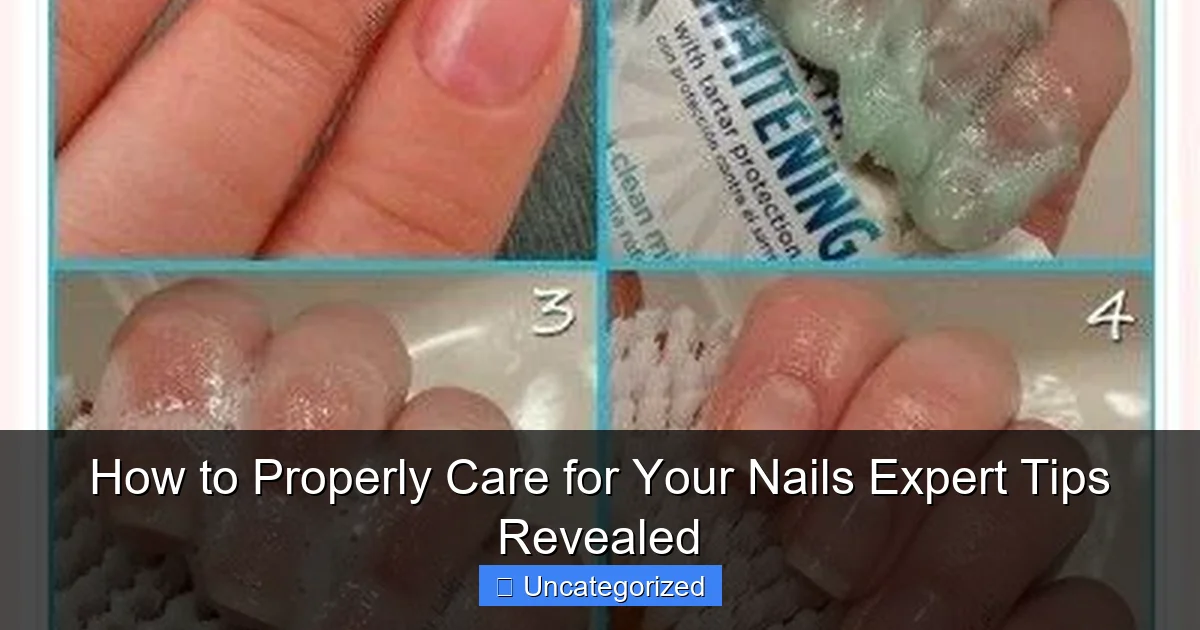
Featured image for how to properly care for your nails
Image source: i.pinimg.com
Keep your nails clean, dry, and regularly moisturized to prevent brittleness and infections—this foundational step is essential for long-term nail health. Trim and file nails weekly using proper tools and techniques to maintain shape and avoid splitting, while limiting exposure to harsh chemicals and excessive water. Pair these habits with a nutrient-rich diet for stronger, more resilient nails that grow faster and look healthier.
Key Takeaways
- Trim regularly: Cut nails straight across to prevent ingrown edges.
- Moisturize daily: Apply cuticle oil to keep nails hydrated and strong.
- Use gloves: Protect nails from harsh chemicals and water exposure.
- File gently: Shape nails with a fine-grit file in one direction.
- Eat well: Boost nail health with biotin-rich foods like eggs and nuts.
- Avoid over-polishing: Give nails a break to prevent thinning and yellowing.
📑 Table of Contents
- How to Properly Care for Your Nails: Expert Tips Revealed
- Understanding Nail Anatomy and Growth
- Daily and Weekly Nail Care Routine
- Nutrition and Hydration: The Internal Foundation
- Protecting Nails from Damage and Environmental Stress
- Professional Treatments and When to Seek Help
- Product Recommendations and Care Schedule
- Conclusion
How to Properly Care for Your Nails: Expert Tips Revealed
Your nails are more than just a canvas for polish—they’re a reflection of your overall health, hygiene, and self-care habits. Whether you prefer them short and natural or long and adorned with intricate designs, proper nail care is essential for maintaining their strength, appearance, and resilience. From brittle nails that split at the slightest pressure to discoloration caused by improper habits, many people struggle with nail issues that could easily be prevented with a few simple adjustments. In fact, according to dermatologists, up to 20% of the population experiences some form of nail disorder in their lifetime, many of which stem from neglect or misinformation.
But fear not—caring for your nails doesn’t have to be complicated. With the right knowledge and a consistent routine, you can transform weak, peeling nails into strong, healthy ones. This guide will walk you through expert-approved techniques, from daily maintenance to professional treatments, and even how to spot early signs of potential health concerns. Whether you’re a nail care novice or a seasoned enthusiast looking to refine your routine, the following sections will equip you with everything you need to keep your nails in top condition. Let’s dive into the world of how to properly care for your nails and unlock the secrets to beautiful, resilient fingertips and toes.
Understanding Nail Anatomy and Growth
The Science Behind Healthy Nails
Before diving into care routines, it’s crucial to understand the structure of your nails. Nails are made of a tough protein called keratin, the same material found in hair and skin. Each nail consists of several key parts:
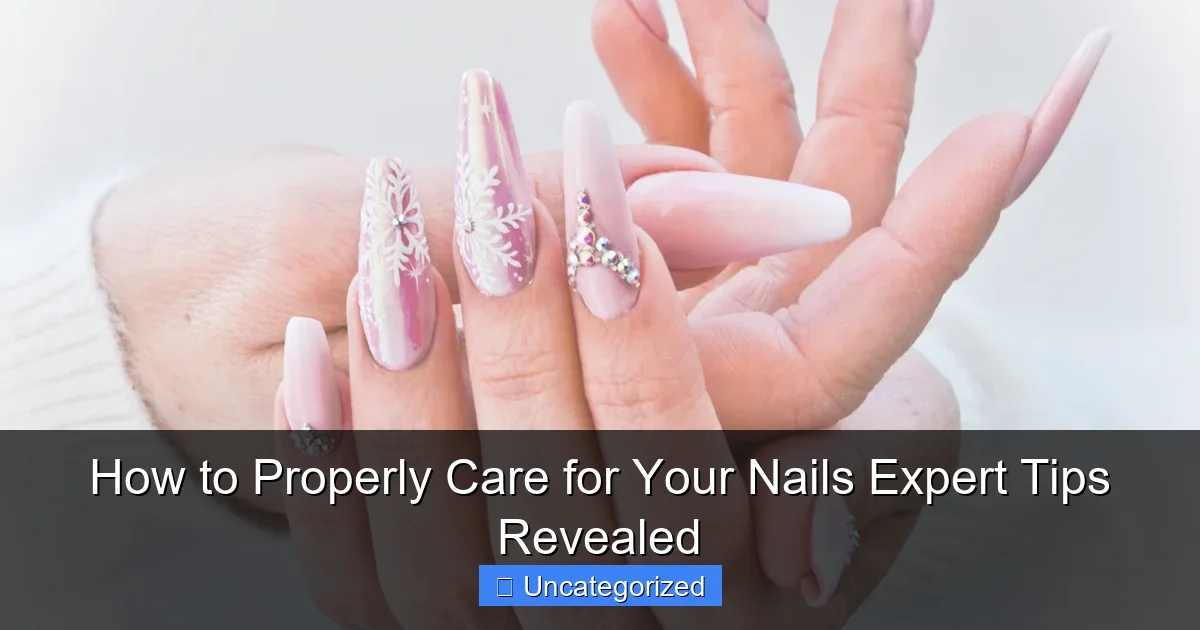
Visual guide about how to properly care for your nails
Image source: miro.medium.com
- Nail plate: The visible hard part of the nail.
- Nail bed: The skin beneath the nail plate that supports it.
- Cuticle: A thin layer of skin at the base that protects new nail growth.
- Lunula: The crescent-shaped, whitish area near the cuticle, where new cells are produced.
- Matrix: The hidden part under the cuticle where nail cells originate.
Healthy nails grow at an average rate of 3 mm per month for fingernails and 1.5 mm per month for toenails. This growth is influenced by age, health, diet, and even seasonal changes. For instance, nails tend to grow faster in summer due to increased circulation and vitamin D exposure.
Common Nail Growth Issues
Several factors can disrupt normal nail growth and structure. For example:
- Brittleness: Often caused by frequent exposure to water, harsh detergents, or vitamin deficiencies (especially biotin and iron).
- Peeling: A sign of dehydration or excessive use of acetone-based removers.
- White spots (leukonychia): Usually due to minor trauma, not calcium deficiency as commonly believed.
- Yellowing: Can result from fungal infections, smoking, or prolonged use of dark nail polish without a base coat.
Understanding these signs helps you identify problems early and adjust your care routine accordingly. For instance, if your nails are peeling, reducing water exposure and using a nourishing cuticle oil can make a significant difference within weeks.
Daily and Weekly Nail Care Routine
Morning and Night Habits
Consistency is key when it comes to how to properly care for your nails. A simple daily routine can prevent long-term damage and promote strength:
- Morning: Apply a lightweight hand and nail moisturizer. Look for ingredients like shea butter, jojoba oil, or hyaluronic acid. These hydrate the nail and cuticle, preventing brittleness.
- Night: Use a richer cream or oil. Consider a cuticle oil with vitamin E and almond oil, massaging it gently into the base of each nail. This stimulates blood flow and encourages healthy growth.
- After washing hands: Always dry nails thoroughly, especially between the fingers. Trapped moisture can lead to fungal growth.
Example: A 2021 study in the Journal of Cosmetic Dermatology found that participants who applied cuticle oil twice daily for 8 weeks experienced a 35% reduction in nail splitting and a 28% improvement in nail thickness.
Weekly Maintenance Tasks
Once a week, dedicate 10–15 minutes to deep care:
- Soak and soften: Use a warm water soak with a few drops of olive oil or Epsom salts for 5–7 minutes. This softens cuticles and makes them easier to manage.
- Gently push back cuticles: Use a wooden cuticle pusher—never cut them, as this increases infection risk. Only remove loose, dead skin.
- File nails: Use a fine-grit (180+ grit) glass or crystal file. File in one direction (from edge to center) to prevent splitting. Avoid metal files, which can cause micro-tears.
- Exfoliate: Use a gentle hand scrub once a week to remove dead skin and improve product absorption.
- Apply a strengthening treatment: Use a nail hardener or ridge filler if needed, but avoid formaldehyde-based products, which can make nails brittle over time.
Tip: If you wear polish, remove it weekly to let nails “breathe.” Use a non-acetone remover and apply a nourishing base coat before reapplying color.
Nutrition and Hydration: The Internal Foundation
Key Nutrients for Strong Nails
You can’t out-care a poor diet. Nail health starts from within, and certain nutrients are essential:
- Biotin (Vitamin B7): Promotes keratin production. Found in eggs, nuts, and sweet potatoes. Supplements may help—research shows 2.5 mg daily can improve nail thickness by 25% in 6 months.
- Protein: Nails are 80% protein. Include lean meats, beans, and Greek yogurt in your diet.
- Iron: Deficiency leads to spoon-shaped nails (koilonychia). Eat spinach, lentils, and red meat. Pair with vitamin C (e.g., citrus) to boost absorption.
- Omega-3 Fatty Acids: Reduce brittleness. Found in salmon, chia seeds, and walnuts.
- Vitamin C and Zinc: Support collagen production and cell repair.
Example: A 2020 clinical trial in Dermatology and Therapy found that women with brittle nails who took a biotin supplement for 3 months reported a 30% increase in nail strength and reduced breakage.
Hydration and Its Impact
Dehydration affects nails as much as skin. When your body is low on water, nails become dry and more prone to cracking. To stay hydrated:
- Drink at least 8 cups (2 liters) of water daily.
- Limit dehydrating beverages like coffee and alcohol.
- Use a humidifier in dry climates or during winter to maintain moisture in your skin and nails.
Pro Tip: Apply hand cream immediately after drinking water—this “seals in” hydration and reinforces the moisture barrier.
Protecting Nails from Damage and Environmental Stress
Preventing Chemical and Physical Damage
Everyday activities can wreak havoc on your nails if you’re not careful:
- Wear gloves: When doing dishes, cleaning, or gardening. Water and harsh chemicals (detergents, bleach) strip natural oils and weaken nails.
- Avoid using nails as tools: Don’t open cans, scrape off labels, or pry things open with your nails. This causes micro-trauma and lifting.
- Limit polish remover use: Acetone is drying. Opt for soy- or vitamin-infused removers, and use them no more than twice a week.
- Be cautious with gel and acrylics: These can cause thinning and peeling. Take 2–3 weeks off between applications. Always have a professional remove them—never peel or file off at home.
Example: A survey by the American Academy of Dermatology found that 68% of women who frequently used gel polish without breaks reported increased nail brittleness within a year.
Environmental Protection
External factors like UV exposure and cold weather also affect nails:
- Apply sunscreen: UV rays can yellow nails and increase skin cancer risk on hands. Use SPF 30+ on hands daily, even in winter.
- Moisturize in winter: Cold, dry air causes cracking. Switch to a thicker cream and wear gloves outdoors.
- Protect in summer: Chlorine in pools and saltwater can dehydrate nails. Rinse hands after swimming and apply oil immediately.
Pro Tip: If you’re a frequent traveler, pack a travel-sized cuticle oil and hand cream in your carry-on to maintain hydration during flights.
Professional Treatments and When to Seek Help
Salon Services: Pros and Cons
Professional manicures and pedicures can enhance nail health—if done correctly:
- Manicures: Regular salon visits can include deep exfoliation, cuticle care, and strengthening treatments. Choose salons that sterilize tools (autoclave or UV sanitizer) and use disposable files and buffers.
- Pedicures: Essential for toenails, which are more prone to fungal infections. Avoid “fish pedicures” and ensure the foot tub is properly cleaned between clients.
- Paraffin wax treatments: These deeply moisturize and improve circulation. Great for dry, cracked nails.
Caution: Overuse of nail drills, excessive cuticle cutting, or poor sanitation can lead to infections or permanent damage. Always ask about the salon’s hygiene practices.
When to See a Dermatologist
Not all nail issues can be fixed at home. Seek professional help if you notice:
- Persistent discoloration (yellow, green, or black).
- Thickened, crumbly nails (possible fungal infection).
- Separation of the nail from the bed (onycholysis).
- Pitting, ridges, or grooves that worsen over time.
- Pain, swelling, or pus (signs of infection).
Example: A 2019 study in JAMA Dermatology found that 12% of nail abnormalities were linked to underlying health conditions like psoriasis, anemia, or thyroid disorders. Early diagnosis can prevent complications.
Product Recommendations and Care Schedule
Top-Rated Nail Care Products
Choosing the right products is crucial. Here’s a curated list based on dermatologist recommendations:
- Cuticle Oil: CND SolarOil (contains jojoba and vitamin E).
- Hand Cream: O’Keeffe’s Working Hands (for severe dryness).
- Nail Strengthener: Nail Tek Intensive Therapy (biotin-enriched).
- Non-Acetone Remover: Ella+Mila Soy Nail Polish Remover.
- Base Coat: OPI Nail Envy (reduces yellowing).
Tip: Patch test new products on a small area first to avoid allergic reactions.
Monthly Nail Care Schedule
Here’s a practical, easy-to-follow schedule to integrate into your routine:
| Day | Task | Product/Tool | Duration |
|---|---|---|---|
| Daily | Moisturize hands & nails | Hand cream + cuticle oil | 2 minutes |
| Every 3 days | Wear gloves during chores | Rubber gloves | As needed |
| Weekly (Sunday) | Cuticle push & file | Glass file + cuticle pusher | 10–15 minutes |
| Bi-weekly | Exfoliate hands | Gentle scrub | 5 minutes |
| Monthly | Deep treatment (paraffin or mask) | Paraffin wax kit or hydrating mask | 20–30 minutes |
| Quarterly | Professional manicure/pedicure | Salon visit | 1–2 hours |
This schedule ensures consistent care without overwhelming your routine. Adjust based on your lifestyle—for example, if you swim often, add a post-swim rinse and oil application.
Conclusion
Mastering how to properly care for your nails is a blend of science, consistency, and attention to detail. From understanding the anatomy of your nails and fueling them with the right nutrients to protecting them from daily wear and tear, every step plays a vital role in achieving strong, healthy, and beautiful nails. It’s not about perfection—it’s about progress. Even small changes, like applying cuticle oil nightly or wearing gloves while cleaning, can yield noticeable improvements within weeks.
Remember, your nails are a window into your health. Changes in color, texture, or shape can signal underlying issues, so stay observant and don’t hesitate to consult a dermatologist when needed. Whether you’re embracing a natural look or experimenting with bold polish, the foundation of any stunning nail style is a well-cared-for nail. With the expert tips revealed in this guide, you now have the tools to transform your nail care routine into a sustainable, effective practice. Start today—your nails will thank you tomorrow, next month, and for years to come.
Frequently Asked Questions
How often should I trim my nails to maintain healthy growth?
Trim your nails every 1–2 weeks using sharp, clean clippers, cutting straight across to prevent ingrown nails. Regular trimming helps avoid splits and breakage while promoting stronger growth. This simple habit is key to proper nail care.
What’s the best way to moisturize my nails and cuticles?
Apply cuticle oil or a thick hand cream daily, focusing on the nail bed and cuticles to prevent dryness and cracking. For deeper hydration, wear cotton gloves overnight after applying moisturizer. Hydration is a cornerstone of how to properly care for your nails.
Can diet really affect my nail strength and health?
Yes—foods rich in biotin (eggs, nuts), omega-3s (salmon), and vitamins A and C (leafy greens, citrus) support nail strength and growth. Poor nutrition often leads to brittle or peeling nails, so balance is essential for optimal nail health.
How do I prevent nail polish from staining my nails?
Always use a clear base coat before applying colored polish, and avoid leaving dark polishes on for more than 7 days. Staining occurs when pigments seep into the nail plate, so proper nail care includes regular polish rotation and gentle removal with acetone-free remover.
Are gel or acrylic nails damaging in the long term?
Frequent use can weaken natural nails due to harsh removal processes and chemical exposure. Give your nails a 2–4 week break between applications, and keep them hydrated to minimize damage. Prioritize proper nail care routines to maintain strength.
What tools should I use for at-home nail care?
Invest in a glass nail file (gentler than emery boards), a wooden cuticle pusher, and a fine-grit buffer. Avoid metal tools on cuticles, and sterilize tools regularly to prevent infections. These tools are essential for how to properly care for your nails.