
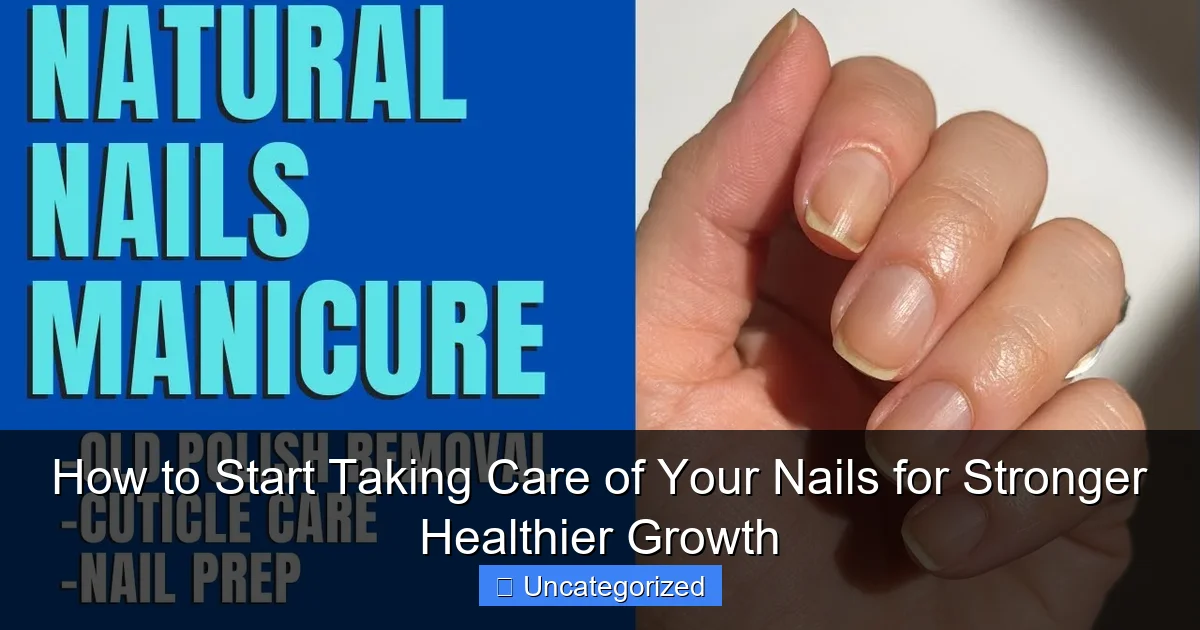
Featured image for how to start taking care of your nails
Image source: i.ytimg.com
Start by keeping your nails clean and dry to prevent bacterial growth and weakening, as consistent hygiene is the foundation of strong, healthy nails. Moisturize daily with a nourishing oil or cream, focusing on cuticles and nail beds to boost flexibility and stimulate growth. Pair this with a balanced diet rich in biotin and wear gloves during chores for maximum protection.
Key Takeaways
- Trim nails weekly: Prevent breakage with regular, clean cuts.
- Moisturize daily: Apply cuticle oil to boost hydration and growth.
- Wear gloves: Protect nails from harsh chemicals and water damage.
- File properly: Use one-direction strokes to avoid splitting.
- Eat nail-healthy foods: Prioritize biotin-rich proteins and leafy greens.
- Limit polish removers: Avoid acetone to prevent drying and weakening.
- Inspect nails monthly: Track changes for early health issue signs.
📑 Table of Contents
Understanding the Importance of Nail Care
Nails are more than just a canvas for colorful polish or a fashion statement—they are a reflection of your overall health and hygiene. Often overlooked, proper nail care is essential for preventing infections, maintaining strength, and promoting healthy growth. Whether you’re someone who frequently visits the salon or prefers to keep things natural, understanding the basics of nail maintenance can make a significant difference in the long-term health of your hands and feet.
Your nails are made of a protein called keratin, which also makes up your hair and the outer layer of your skin. They serve protective functions, shielding the sensitive tips of your fingers and toes from injury. However, due to daily wear and tear, exposure to chemicals, improper grooming, and nutritional deficiencies, nails can become brittle, weak, or discolored. The good news? With a few consistent habits and mindful practices, you can transform your nails from fragile to fabulous. This guide will walk you through everything you need to know about how to start taking care of your nails for stronger, healthier growth—covering everything from daily routines to professional treatments.
Assessing Your Current Nail Health
Recognizing Common Nail Problems
Before diving into a nail care regimen, it’s crucial to assess your current nail health. Identifying existing issues allows you to tailor your approach and avoid worsening problems. Common nail conditions include:

Visual guide about how to start taking care of your nails
Image source: i.pinimg.com
- Brittle nails: Nails that crack, split, or peel easily. Often caused by frequent exposure to water, harsh detergents, or cold weather.
- Vertical ridges: Usually a sign of aging, but can also indicate nutritional deficiencies (especially iron, vitamin B12, or magnesium).
- Horizontal ridges (Beau’s lines): Can signal a past illness, injury, or nutritional stress. In rare cases, they may indicate systemic conditions like diabetes or zinc deficiency.
- Discoloration: Yellow, green, or black nails may result from fungal infections, trauma, or staining from nail polish. White spots (leukonychia) are often due to minor injuries, not calcium deficiency as commonly believed.
- Peeling or flaking: Typically caused by dehydration, overuse of nail polish removers, or excessive handwashing.
For example, if your nails constantly peel after removing gel polish, it may be due to improper removal techniques or using acetone-based removers too frequently. Observing these signs helps you pinpoint the root cause and take corrective action.
Conducting a Nail Self-Exam
Perform a quick weekly self-exam to monitor changes. Use natural lighting and examine each nail closely. Ask yourself:
- Are my nails smooth, or do they have ridges, pits, or grooves?
- Do they break easily when filing or during daily tasks?
- Is the color consistent across all nails?
- Are there any signs of swelling, redness, or pain around the cuticles?
- Are my cuticles dry, cracked, or peeling?
Keep a simple journal or use a notes app to track observations over time. This helps identify patterns—such as nails becoming weaker after a period of stress or during winter months—and allows you to adjust your routine accordingly.
Knowing When to Seek Professional Help
While many nail issues can be managed at home, some require medical attention. Consult a dermatologist or podiatrist if you notice:
- Persistent pain or swelling around the nail bed
- Sudden changes in nail shape or thickness (e.g., clubbing or spoon-shaped nails)
- Black or dark streaks under the nail, which could indicate melanoma
- Fungal infections that don’t improve with over-the-counter treatments
Early intervention can prevent complications and ensure your nails recover fully. Remember, your nails are not just a beauty concern—they’re a window into your body’s health.
Building a Daily Nail Care Routine
Gentle Cleansing and Drying
One of the most overlooked aspects of nail care is proper cleaning. Dirt and bacteria can accumulate under the nails, leading to infections or unpleasant odors. Here’s how to clean your nails safely:
- Use a soft nail brush with mild soap and lukewarm water to scrub under the nails and around the cuticles. Avoid using sharp objects like metal picks, which can damage the nail plate.
- Rinse thoroughly and dry completely. Moisture trapped under the nails promotes fungal growth. Use a clean towel or a cotton swab to ensure no dampness remains.
- Wash your hands after using the restroom, handling raw food, or touching public surfaces. However, limit excessive handwashing with harsh soaps—opt for moisturizing formulas instead.
For example, a nurse or chef who washes hands 20+ times a day should use a gentle, fragrance-free cleanser and follow up with hand cream immediately after drying.
Moisturizing: The Key to Strong Nails
Hydration is essential for nail strength and flexibility. Dry nails are more prone to splitting and breaking. Incorporate these moisturizing habits into your daily routine:
- Apply cuticle oil 2–3 times a day. Look for oils containing jojoba, almond, or vitamin E—they absorb quickly and nourish the nail matrix (the area under the cuticle where growth begins).
- Use a hand and nail cream after every handwashing. Choose products with urea, glycerin, or shea butter for deep hydration.
- At night, apply a thick layer of moisturizer and wear cotton gloves to lock in moisture while you sleep. This “overnight treatment” is especially effective in dry climates or during winter.
Pro tip: Keep a travel-sized cuticle oil in your bag, car, or desk drawer so you can reapply during the day. Even a single drop can make a difference.
Proper Nail Trimming and Shaping
How you trim and shape your nails impacts their health. Follow these best practices:
- Trim every 1–2 weeks to prevent snagging and splitting. Use sharp, clean nail clippers or scissors.
- Cut straight across, then slightly round the tips to match your finger shape. Avoid sharp corners, which can catch and tear.
- File in one direction only using a fine-grit glass or crystal file. Sawing back and forth with emery boards creates micro-tears and weakens the nail.
- Never cut your cuticles—this increases infection risk. Instead, gently push them back after a shower when they’re soft. Use a wooden cuticle pusher or orangewood stick.
Example: If you work with your hands (e.g., gardening, typing, or crafting), keep your nails shorter to reduce stress on the tips and prevent dirt buildup.
Protecting Your Nails During Daily Tasks
Your nails endure constant stress from typing, opening jars, or doing chores. Protect them with these simple habits:
- Wear rubber gloves when cleaning, washing dishes, or using chemicals.
- Use tools (e.g., bottle openers, scissors) instead of your nails to open packages or scratch surfaces.
- Limit exposure to water—prolonged soaking (like long baths or swimming) softens the nail plate. If you must soak, apply oil beforehand.
- Avoid using your nails as tools (e.g., peeling off stickers or scraping off labels).
Nutrition and Supplements for Nail Growth
Essential Nutrients for Strong Nails
Nail health starts from within. A balanced diet rich in key nutrients supports keratin production and prevents brittleness. Focus on these:
- Protein: Nails are 80% protein. Include lean meats, eggs, beans, lentils, and Greek yogurt in your diet.
- Biotin (Vitamin B7): A popular supplement for nail strength. Found in eggs, nuts, sweet potatoes, and salmon. Studies show 2.5 mg of biotin daily can reduce brittleness in 6–9 months.
- Iron: Prevents spoon-shaped nails and vertical ridges. Sources: red meat, spinach, lentils, fortified cereals.
- Vitamin C: Boosts collagen production, which strengthens the nail matrix. Eat citrus fruits, bell peppers, and broccoli.
- Omega-3 Fatty Acids: Reduce inflammation and improve nail flexibility. Found in fatty fish, flaxseeds, and chia seeds.
- Zinc and Selenium: Support cell turnover and prevent white spots. Sources: oysters, pumpkin seeds, Brazil nuts.
For example, someone with brittle nails might benefit from a daily smoothie with spinach (iron), chia seeds (omega-3), and Greek yogurt (protein and biotin).
Supplements: Do You Need Them?
While a healthy diet should provide all necessary nutrients, some people benefit from supplements, especially if they have:
- Restricted diets (e.g., vegan, keto)
- Digestive issues that impair nutrient absorption
- High nail stress (e.g., frequent manicures or manual labor)
Popular nail supplements include:
- Biotin: 2.5–5 mg daily
- Collagen peptides: 5–10 g daily (may improve nail thickness)
- Multivitamins with zinc and iron: Choose formulations for hair, skin, and nails
Always consult a doctor before starting supplements, especially if you have underlying health conditions or take medications.
Hydration and Nail Health
Dehydration affects every part of your body—including your nails. When you’re low on fluids, your nails become dry and brittle. Aim to drink at least 2–3 liters of water daily, more if you exercise or live in a hot climate. Monitor your urine: pale yellow indicates good hydration.
Tip: Add lemon or cucumber slices to your water for flavor and extra vitamin C. Limit diuretics like caffeine and alcohol, which can dehydrate you.
Choosing the Right Products and Tools
Selecting Gentle Nail Polish and Removers
Frequent polish use can weaken nails, especially if you skip base coats or use harsh removers. Here’s how to choose wisely:
- Opt for 3-free or 5-free polishes (free of formaldehyde, toluene, dibutyl phthalate, camphor, and formaldehyde resin).
- Always use a base coat to protect your nails from staining and provide a smooth surface.
- Choose a non-acetone remover for natural nails. Acetone strips natural oils and causes dryness. For gel polish, use acetone but limit use to every 2–3 weeks.
- Take polish breaks: Go bare for 1–2 weeks every 8–10 weeks to let your nails breathe and recover.
Example: A person who loves bold colors can use a nourishing base coat with jojoba oil and switch to a non-acetone remover after 2 weeks of wear.
Investing in Quality Tools
Using the right tools prevents damage and ensures precision. Essential items include:
- Glass or crystal nail file: Smoother and gentler than emery boards
- Sharp nail clippers: Prevents jagged edges
- Cuticle pusher (wooden or rubber-tipped): Safe for pushing back cuticles
- Soft nail brush: For daily cleaning
- Moisturizing cuticle oil: Apply daily
Sanitize tools weekly with rubbing alcohol to prevent bacterial growth.
At-Home Manicure and Pedicure Tips
You don’t need a salon for great nails. Try this weekly routine:
- Soak nails in warm water with a few drops of olive oil for 5–10 minutes to soften cuticles.
- Gently push back cuticles with a pusher.
- Trim and file nails to your desired shape.
- Apply cuticle oil and massage into the nail bed.
- Moisturize hands and feet thoroughly.
- Optional: Apply base coat, 1–2 layers of color, and top coat.
For pedicures, use a pumice stone to gently exfoliate calluses—never cut them.
Advanced Tips and Professional Care
When to See a Nail Technician or Dermatologist
While at-home care is effective, some situations call for professional help:
- Fungal infections: A dermatologist can prescribe antifungal creams or oral medications.
- Severe nail trauma: If a nail is lifted or bleeding, seek medical attention.
- Professional manicures/pedicures: A skilled technician can safely trim, shape, and treat cuticles. Look for salons that sterilize tools and use disposable items.
- Medical-grade treatments: Some dermatologists offer laser therapy for stubborn fungal infections or chemical treatments for ingrown nails.
Using Nail Strengtheners and Growth Serums
For extra support, try products with:
- Calcium and protein complexes: Reinforce the nail plate
- Peptides and growth factors: Stimulate cell renewal
- Hyaluronic acid: Hydrates the nail and cuticle
Apply strengtheners 2–3 times a week, rotating with regular polish to prevent overuse.
Lifestyle Habits That Support Nail Growth
Beyond products, these habits promote healthy nails:
- Manage stress: High cortisol levels can slow nail growth. Practice yoga, meditation, or deep breathing.
- Quit smoking: Nicotine reduces blood flow to the nail matrix, weakening growth.
- Protect nails in winter: Wear gloves outdoors to prevent cold-induced brittleness.
- Sleep well: Growth occurs during rest. Aim for 7–9 hours nightly.
Tracking Progress and Maintaining Consistency
| Time Frame | Expected Changes | Tips for Monitoring |
|---|---|---|
| 1–2 Weeks | Reduced peeling, softer cuticles, less dryness | Take weekly photos of your nails to compare |
| 4–6 Weeks | Improved strength, fewer breaks, smoother surface | Measure nail length from cuticle to tip |
| 8–12 Weeks | Visible growth, reduced ridges, healthier shine | Note changes in how your nails feel during daily tasks |
| 6+ Months | Strong, resilient nails with consistent growth | Adjust routine based on results and seasonal changes |
Consistency is key. Stick to your routine even when results aren’t immediate. Nail growth averages 3 mm per month (fingernails) and 1 mm per month (toenails), so patience pays off.
Conclusion
Taking care of your nails is a small investment with big rewards. By understanding your nail health, building a daily routine, nourishing your body, and choosing the right tools, you can achieve stronger, healthier nails that grow with confidence. Remember, nail care isn’t just about aesthetics—it’s about protecting one of your body’s first lines of defense and supporting your overall well-being.
Start small: pick one or two habits from this guide—like applying cuticle oil daily or using a glass file—and build from there. Over time, these practices become second nature, and your nails will thank you with resilience, shine, and vitality. Whether you’re aiming for a natural look or a polished finish, healthy nails are the ultimate foundation. So go ahead—embrace the journey of learning how to start taking care of your nails for stronger, healthier growth. Your hands (and feet) will look and feel better than ever.
Frequently Asked Questions
How do I start taking care of my nails for stronger, healthier growth?
Begin by keeping your nails clean and dry to prevent bacteria buildup, and moisturize your cuticles daily with oil or cream. Trim and file them regularly to avoid snagging and splitting, which promotes stronger nails over time.
What are the best habits for how to start taking care of your nails?
Adopt habits like wearing gloves during chores, avoiding harsh chemicals, and using a strengthening base coat. Consistently applying hand cream and nail oil helps maintain hydration and resilience.
How often should I trim and file my nails?
Trim your nails every 1–2 weeks and file them weekly to maintain shape and prevent breakage. Use a fine-grit file and avoid sawing back and forth to protect the nail structure.
Can diet affect my nail health and growth?
Yes! A diet rich in biotin (eggs, nuts), protein, and vitamins A, C, and E supports stronger, faster-growing nails. Staying hydrated also prevents brittleness.
Why do my nails peel or split, and how can I fix it?
Peeling often results from dryness or overexposure to water. Use a hydrating nail treatment and limit contact with harsh cleaners. A ridge-filling base coat can also help smooth the surface.
Should I use nail polish or go bare for healthier nails?
Alternating between polish and bare nails is ideal—polish can protect but may dry nails if worn constantly. Always use a nourishing base coat and give nails a break to breathe occasionally.