
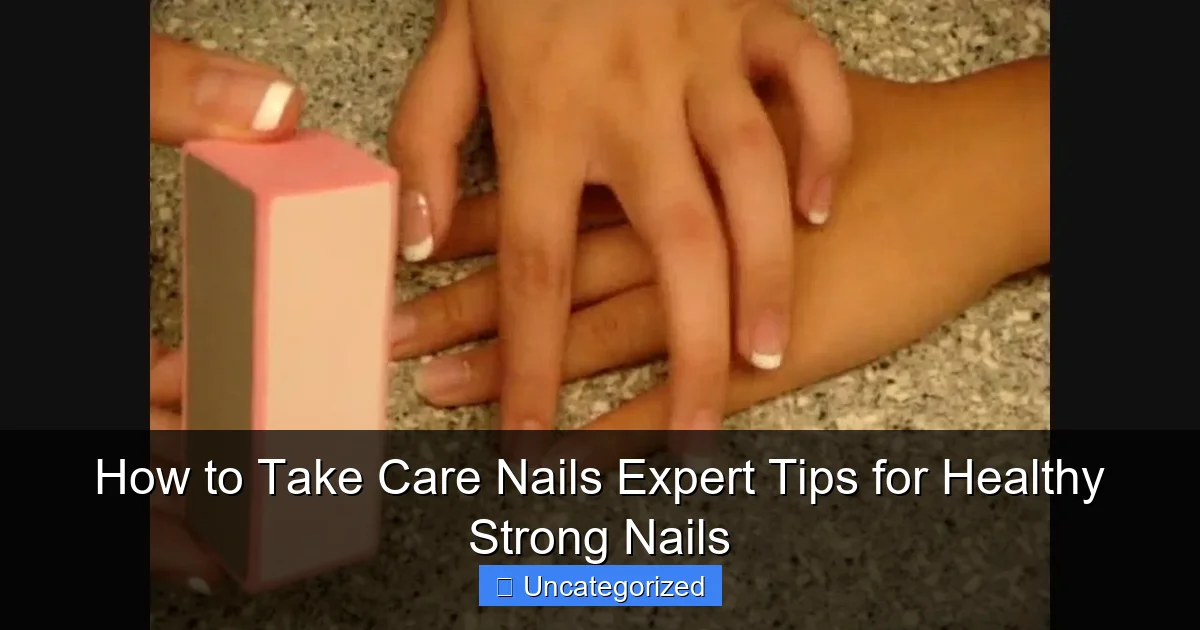
Featured image for how to take care nails
Image source: i.ytimg.com
Keep your nails strong and healthy by maintaining proper hygiene and moisturizing regularly—dry, brittle nails often result from dehydration and neglect. Trim and file nails weekly, avoid harsh chemicals, and wear gloves during chores to prevent damage and promote long-term resilience.
Key Takeaways
- Moisturize daily: Apply cuticle oil to keep nails hydrated and prevent brittleness.
- Trim regularly: Cut nails straight across to avoid ingrown nails and breakage.
- Use gloves: Wear gloves when cleaning to protect nails from harsh chemicals.
- Limit polish: Give nails breaks between polish to prevent discoloration and dryness.
- Eat nail-friendly foods: Boost strength with protein, biotin, and omega-3s.
- File gently: Use a glass file in one direction to prevent splitting.
- Avoid harsh products: Choose acetone-free removers to maintain nail integrity.
📑 Table of Contents
- Understanding Nail Anatomy and Why Nail Care Matters
- Daily Nail Care Routine: The Foundation of Healthy Nails
- Nutrition and Supplements: Fueling Strong Nails from Within
- Proper Nail Shaping and Filing Techniques
- Professional Treatments and When to Seek Help
- Seasonal and Lifestyle Adjustments for Year-Round Nail Health
- Conclusion: Building a Lifelong Nail Care Habit
Understanding Nail Anatomy and Why Nail Care Matters
Your nails are more than just a canvas for polish — they’re a reflection of your overall health and a vital part of your body’s protective system. Each nail is made up of several key components: the nail plate (the visible hard part), the nail bed (skin beneath the plate), the matrix (where new nail cells are formed), the cuticle (the protective fold at the base), and the lunula (the crescent-shaped white area). When these structures are healthy, your nails grow strong and smooth. But when neglected, they can become brittle, discolored, or prone to infection.
Did you know that the average fingernail grows about 3.5 millimeters per month? That’s roughly 1 inch every 8 to 10 months. While this may seem slow, consistent care can significantly influence the speed and quality of growth. Poor nail care isn’t just cosmetic — it can lead to painful ingrown nails, fungal infections, or even signal underlying health issues like anemia, thyroid disorders, or vitamin deficiencies. In fact, dermatologists often examine nails during health assessments because changes in texture, color, or shape can be early indicators of systemic disease. Whether you’re dealing with peeling, splitting, or slow growth, understanding how to take care nails properly is essential for long-term health and beauty.
Daily Nail Care Routine: The Foundation of Healthy Nails
Just like your skin, your nails need a consistent daily care routine to stay strong, flexible, and free from damage. A well-structured regimen not only enhances appearance but also prevents common problems like splitting, peeling, and hangnails. Here’s how to build a practical and effective daily nail care routine.
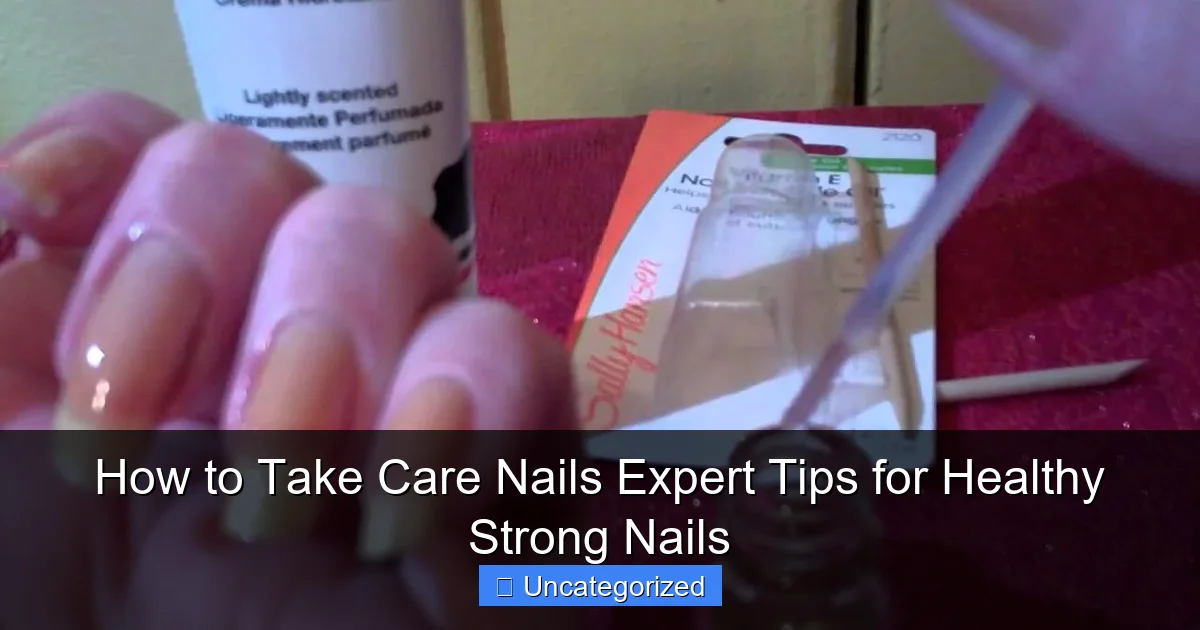
Visual guide about how to take care nails
Image source: i.ytimg.com
1. Keep Nails Clean and Dry
Moisture is a double-edged sword for nails. While hydration is crucial, excessive exposure to water — especially hot water and harsh detergents — can weaken the nail plate and cause swelling or separation from the nail bed. To protect your nails:
- Wear rubber gloves when washing dishes, cleaning, or using household chemicals.
- Pat hands dry thoroughly after washing — don’t rub aggressively.
- Use a nail brush with mild soap to gently clean under the nails once a day.
- Avoid long soaks in baths or pools without protection.
For example, a professional cleaner might spend hours a day with hands in water, making gloves a non-negotiable part of their nail care routine. Even at home, simple habits like wearing gloves during chores can prevent up to 40% of nail-related damage, according to dermatological studies.
2. Moisturize Your Nails and Cuticles
The skin around your nails — especially the cuticles and nail folds — dries out quickly, leading to cracking, hangnails, and increased risk of infection. Moisturizing is not just for the hands; your nails themselves absorb oils and creams, improving flexibility and reducing brittleness.
- Apply a cuticle oil (jojoba, almond, or vitamin E oil) 2–3 times daily, especially after washing hands.
- Use a rich hand cream containing ceramides, shea butter, or urea to hydrate the nail matrix.
- Massage the oil or cream into the cuticles and nail beds to boost blood circulation and stimulate growth.
Try this: After your nightly skincare routine, apply a few drops of cuticle oil and gently push back your cuticles using a wooden orange stick. This simple 2-minute habit can transform dry, ragged cuticles into smooth, healthy ones in just two weeks.
3. Avoid Harsh Chemicals and Excessive Nail Products
Frequent use of nail polish removers, especially those with acetone, can dehydrate and weaken nails. Similarly, long-term gel or acrylic nail use without breaks can cause thinning and damage to the natural nail plate.
- Switch to acetone-free removers for regular polish changes.
- Give your nails a “naked” break for at least 1–2 weeks after removing gels or acrylics.
- Use a nail hardener sparingly — overuse can make nails too rigid and prone to snapping.
For instance, if you love gel manicures, consider alternating with natural nail care weeks. During these breaks, focus on hydration and protection to allow the nail to recover and rebuild strength.
Nutrition and Supplements: Fueling Strong Nails from Within
You can apply all the oils and creams in the world, but if your body lacks the nutrients needed for keratin production (the protein that makes up nails), your efforts will fall short. Nutrition plays a critical role in nail strength, growth rate, and resilience. In fact, nail changes are often among the first signs of nutritional deficiencies.
1. Key Nutrients for Healthy Nails
Your nails require a balanced mix of vitamins, minerals, and proteins to grow strong and resist damage. Here are the most important nutrients and their food sources:
- Protein: Nails are 80% protein (keratin). Include lean meats, eggs, legumes, and Greek yogurt in your diet.
- Biotin (Vitamin B7): Supports keratin infrastructure. Found in eggs, almonds, sweet potatoes, and spinach. Supplements (2.5–5 mg/day) are often recommended for brittle nails.
- Iron: Prevents spoon-shaped nails (koilonychia) and ridging. Sources: red meat, lentils, spinach, fortified cereals.
- Zinc: Promotes nail cell production. Found in oysters, pumpkin seeds, chickpeas.
- Vitamin C: Essential for collagen synthesis, which supports nail bed integrity. Citrus fruits, bell peppers, broccoli.
- Omega-3 Fatty Acids: Reduce inflammation and improve nail flexibility. Fatty fish, flaxseeds, walnuts.
2. When to Consider Supplements
While a balanced diet is ideal, many people struggle to get enough nutrients due to dietary restrictions, absorption issues, or lifestyle factors. In such cases, targeted supplements can make a noticeable difference.
- Biotin supplements: Clinical studies show that 2.5 mg of biotin daily for 6–9 months improves nail thickness by up to 25% in people with brittle nails.
- Multivitamins with nail-specific blends: Look for formulas with biotin, zinc, iron, and vitamin E.
- Collagen peptides: Emerging research suggests hydrolyzed collagen supplements may improve nail growth rate and hardness.
For example, a 35-year-old woman with chronic splitting nails began taking a biotin and collagen supplement after blood tests revealed low iron and vitamin D. After 4 months, her nails were stronger, less prone to peeling, and grew 20% faster. Always consult a doctor before starting supplements, especially if you have underlying health conditions or take medications.
3. Hydration: The Overlooked Nail Nutrient
Water is essential for maintaining nail flexibility. Dehydration causes nails to become dry, brittle, and prone to cracking. The general rule is to drink 8–10 glasses of water per day, but you may need more if you exercise, live in a dry climate, or consume caffeine.
Tip: Keep a water bottle at your desk and set reminders to sip throughout the day. You can also increase hydration through water-rich foods like cucumbers, watermelon, and oranges.
Proper Nail Shaping and Filing Techniques
How you shape and file your nails can either strengthen or weaken them over time. Improper techniques — like sawing back and forth with a coarse file or cutting nails too short — are among the top causes of splitting, peeling, and ingrown nails. Learning the right tools and methods is essential for long-term nail health.
1. Choosing the Right Nail File
Not all nail files are created equal. The grit (coarseness) determines how gently or aggressively the file shapes the nail.
- 180–240 grit: Ideal for natural nails. Gentle enough to avoid micro-tears but effective for shaping.
- 100–180 grit: Best for artificial nails or very thick natural nails.
- Emery boards (cardboard): Affordable and effective, but replace frequently to avoid bacteria buildup.
- Crystal or glass files: Smooth, durable, and less damaging. Can be sanitized and reused.
Example: A 240-grit glass file is perfect for weekly maintenance. It gently shapes without creating jagged edges or weakening the nail tip.
2. Filing Direction: The Golden Rule
Always file your nails in one direction — from the side edge toward the center. Avoid sawing back and forth, which creates friction, heat, and microscopic tears in the nail layers.
- Place the file at the outer edge and pull it straight toward the center.
- Use light, even strokes — no pressure needed.
- File when nails are dry, not wet. Wet nails are softer and more prone to tearing.
Pro tip: If you have weak or peeling nails, file them every 3–4 days to prevent snags and further splitting. Think of it like trimming split ends on hair — small, frequent trims prevent bigger damage.
3. Shaping for Strength and Comfort
The shape of your nail affects its strength and susceptibility to breakage. Here are the best shapes for healthy nails:
- Square or squoval (rounded square): Strongest shape. Distributes pressure evenly. Ideal for active individuals.
- Round: Follows the natural curve of the fingertip. Less likely to snag. Great for people who type or use tools.
- Oval: Elegant and strong. Reduces stress on the nail corners.
- Avoid almond, stiletto, or coffin shapes if your nails are weak — they create weak points at the tips.
For example, a nurse who works with patients all day switched from almond-shaped nails to a short squoval. Within a month, her nail breakage dropped by 70%, and she found it easier to perform tasks without snagging.
Professional Treatments and When to Seek Help
While home care is the foundation, sometimes professional intervention is necessary to address persistent nail issues. Dermatologists, nail technicians, and podiatrists can diagnose underlying problems and recommend treatments that go beyond DIY solutions.
1. Recognizing When to See a Dermatologist
Not all nail problems are cosmetic. Certain signs may indicate a medical condition requiring professional care:
- Yellow, thickened nails: Could signal a fungal infection (onychomycosis).
- Dark streaks or lines: May be a sign of melanoma (melanonychia).
- Spoon-shaped nails (concave): Often linked to iron deficiency or hemochromatosis.
- Pitting or rippling: Common in psoriasis or alopecia areata.
- Clubbing (bulging at the tip): May indicate lung or heart disease.
If you notice any of these changes, schedule a visit with a dermatologist. Early diagnosis can prevent complications and improve treatment outcomes.
2. In-Office Treatments
Depending on the issue, professionals may offer:
- Prescription antifungals: For stubborn nail fungus (topical or oral).
- Biologic therapies: For nail psoriasis.
- Nail biopsies: To rule out cancer or autoimmune diseases.
- Custom orthotics: For ingrown toenails (especially in diabetics).
For instance, a 50-year-old man with chronic toenail fungus tried over-the-counter treatments for years without success. After seeing a podiatrist, he was prescribed oral terbinafine and laser therapy, clearing the infection in 6 months.
3. Salon vs. Medical Care: Knowing the Difference
While nail salons offer great aesthetic services, they are not equipped to treat medical conditions. Avoid aggressive cuticle cutting, which can lead to infection. Instead, opt for salons that:
- Use sterilized tools or disposable items.
- Don’t cut cuticles — only push them back gently.
- Offer non-toxic, breathable polishes (look for “5-free” or “7-free” formulas).
Tip: If a salon technician notices unusual nail changes (discoloration, thickening), they should refer you to a doctor — not just cover it with polish.
Seasonal and Lifestyle Adjustments for Year-Round Nail Health
Your nails face different challenges depending on the season and your daily activities. Adapting your nail care routine to these factors ensures consistent strength and appearance throughout the year.
1. Winter Care: Combatting Dryness and Cold
Winter air is dry, and indoor heating further dehydrates skin and nails. This leads to increased brittleness and cracking.
- Use a humidifier at home to maintain moisture levels.
- Apply hand cream and cuticle oil more frequently (up to 4x/day).
- Wear gloves outdoors — even for short periods.
- Avoid alcohol-based hand sanitizers; opt for moisturizing formulas.
Example: A teacher who washes her hands 20+ times a day uses a thick ointment (like petroleum jelly) at night and wears cotton gloves to lock in moisture.
2. Summer Care: Sun Protection and Chlorine Exposure
UV rays can discolor nails, and chlorine (in pools) strips natural oils. Sand and saltwater also cause abrasion.
- Apply a broad-spectrum hand sunscreen (SPF 30+) daily.
- Rinse hands after swimming and apply moisturizer.
- Wear gloves when gardening or handling rough materials.
3. Lifestyle Factors: Work, Hobbies, and Habits
Your daily routine impacts nail health more than you think:
- Typing or playing instruments: Can cause repetitive stress. Keep nails short and file edges smooth.
- Manual labor: Wear protective gloves and inspect nails weekly for trauma.
- Nail-biting or picking: A habit that damages the matrix and spreads bacteria. Use bitter-tasting polish or behavioral therapy.
| Season | Key Challenge | Recommended Action | Product Example |
|---|---|---|---|
| Winter | Low humidity, indoor heating | Increase moisturizing, use humidifier | Cuticle oil, shea butter cream |
| Summer | UV exposure, chlorine, sand | Apply SPF, rinse after swimming | Hand sunscreen, moisturizing after-sun balm |
| Spring/Fall | Variable weather, gardening | Wear gloves, check for allergies | Lightweight hand lotion, cotton gloves |
Conclusion: Building a Lifelong Nail Care Habit
Taking care of your nails isn’t about achieving a perfect manicure — it’s about fostering a long-term relationship with your body’s natural defenses. From understanding the science of nail growth to mastering daily routines, nutrition, proper filing, and knowing when to seek help, every step you take contributes to stronger, healthier nails.
Remember, nail care is not a one-size-fits-all solution. What works for a busy office worker may differ from what’s best for a gardener, a swimmer, or someone with a medical condition. The key is consistency, awareness, and adaptability. Start small: commit to moisturizing your cuticles daily, wearing gloves during chores, and filing your nails properly. Over time, these habits become second nature — and the results speak for themselves.
Your nails grow slowly, but the benefits of good care are lasting. In just a few months, you’ll notice less breakage, smoother texture, and faster growth. More importantly, you’ll gain confidence in knowing you’re supporting your overall health. So the next time you admire your hands, remember: healthy nails aren’t just beautiful — they’re a sign of self-care, discipline, and respect for your body. Start today, and let your nails tell the story of your wellness journey.
Frequently Asked Questions
How to take care nails to prevent breakage and splitting?
Keep nails trimmed and filed with a gentle glass file to prevent snags, and apply a strengthening base coat with keratin or biotin. Avoid excessive water exposure and wear gloves during chores to protect nails from weakening.
What are the best vitamins for healthy, strong nails?
Biotin, vitamin E, iron, and omega-3 fatty acids promote nail strength and growth. Incorporate foods like eggs, nuts, spinach, and salmon, or consider supplements if your diet lacks these nutrients.
How often should I moisturize my nails and cuticles?
Moisturize nails and cuticles 2–3 times daily using a nourishing oil or cream containing jojoba, vitamin E, or shea butter. Regular hydration prevents dryness, peeling, and hangnails for healthier nails.
Can I use nail polish remover without damaging my nails?
Choose acetone-free removers and limit use to once a week to avoid dryness. Follow with cuticle oil to restore moisture and prevent brittleness after polish removal.
Why do my nails peel, and how can I fix it?
Peeling nails often result from dehydration, harsh chemicals, or nutrient deficiencies. Use a ridge-filling base coat, stay hydrated, and wear gloves when cleaning to protect your nails.
How to take care nails after removing acrylics or gels?
Give nails a break from polish, gently buff away residue, and apply a recovery treatment with protein or calcium. Keep them short and moisturized to support natural repair over 4–6 weeks.