
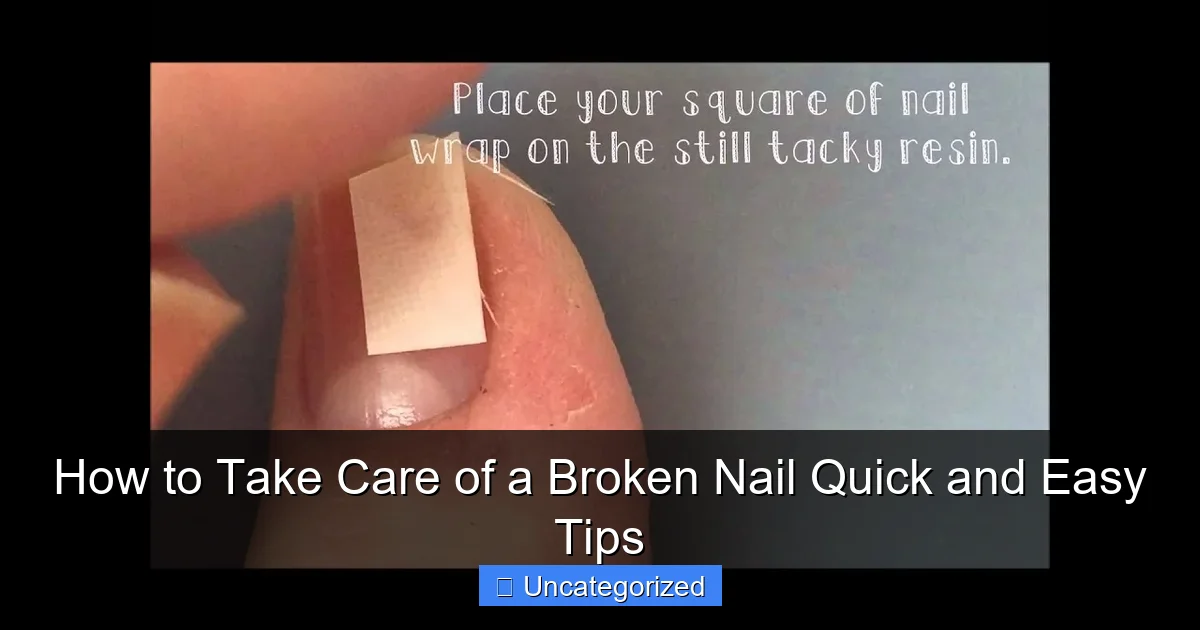
Featured image for how to take care of a broken nail
Image source: i.ytimg.com
Act quickly to clean and trim the broken nail to prevent further damage and reduce the risk of infection. Apply a nourishing nail oil and protect it with a bandage or clear polish to promote healing and maintain strength while avoiding harsh chemicals during recovery.
Key Takeaways
- Trim immediately: Cut the broken part to prevent further splitting.
- Apply a bandage: Protect the nail with a clean adhesive bandage.
- Use nail glue: Bond cracks quickly for instant repair.
- Moisturize daily: Keep nails hydrated to promote healing.
- Avoid harsh chemicals: Wear gloves when cleaning or using chemicals.
- File gently: Shape nails carefully to avoid added stress.
📑 Table of Contents
- Understanding the Causes and Immediate Reactions to a Broken Nail
- Immediate First Aid: What to Do the Moment Your Nail Breaks
- Home Remedies and Natural Treatments for Healing Broken Nails
- Professional and Over-the-Counter Solutions
- Long-Term Prevention: How to Avoid Future Nail Breaks
- Tracking Nail Health: A Simple Data Table for Monitoring Recovery
- Conclusion: Empower Your Nails for Long-Term Health
Understanding the Causes and Immediate Reactions to a Broken Nail
Few things are more frustrating than the sudden snap of a broken nail—especially when it happens just as you’re about to head out or finish a meticulous manicure. Whether it’s a small chip or a full-on tear down to the nail bed, a broken nail can be painful, unsightly, and even a sign of underlying health issues. Nails are more than just cosmetic features; they’re protective coverings made of keratin, a tough protein that shields the sensitive tissue of your fingertips. When a nail breaks, it’s often due to a combination of external trauma and internal weaknesses, such as dryness, nutritional deficiencies, or repetitive stress.
Understanding how to take care of a broken nail is essential for both cosmetic and health reasons. Left untreated, a broken nail can lead to infection, further splitting, or even permanent nail deformity. The good news? With the right approach, most broken nails can be managed quickly, effectively, and with minimal pain. From immediate first aid to long-term prevention, this guide walks you through everything you need to know to handle a broken nail like a pro. Whether you’re dealing with a minor crack or a deep split, these quick and easy tips will help you restore your nail’s integrity and prevent future damage.
Common Causes of Broken Nails
Before diving into treatment, it’s important to understand why nails break in the first place. A broken nail isn’t always the result of a single incident—it’s often the culmination of several contributing factors. Here are the most common causes:
- Physical trauma: Snagging your nail on clothing, doors, or during household chores is a leading cause of nail breaks. Even a small catch can cause a split that worsens over time.
- Dryness and brittleness: Nails lose moisture easily, especially in cold weather or with frequent exposure to water and harsh chemicals like dish soap or cleaning agents.
- Over-manicuring: Filing too aggressively, using acetone-based removers frequently, or soaking nails in water for long periods can weaken their structure.
- Nutritional deficiencies: Lack of biotin, iron, zinc, or protein can lead to weak, flaky nails that break easily.
- Medical conditions: Conditions like hypothyroidism, psoriasis, or fungal infections can compromise nail strength.
- Repetitive stress: Typing, playing instruments, or using your hands for manual labor can cause micro-trauma that accumulates over time.
For example, Sarah, a graphic designer, noticed her nails breaking frequently after switching to a gel manicure routine. After realizing she was using acetone daily to remove gel polish, she cut back and switched to non-acetone removers—her nails began to recover within a few weeks.
Why Immediate Care Matters
When a nail breaks, especially if it’s jagged or torn near the cuticle, prompt attention is crucial. A jagged edge can snag on more surfaces, leading to further tearing. More importantly, a deep break can expose the nail bed—the delicate skin beneath—to bacteria, increasing the risk of infection. In rare cases, a severe break can lead to paronychia (a bacterial or fungal infection around the nail), which may require medical treatment.
Immediate care not only reduces pain and prevents complications but also sets the stage for faster healing. Think of it like treating a small cut on your skin: the sooner you clean and protect it, the better the outcome. In the next sections, we’ll cover the exact steps to take—from first aid to long-term recovery.
Immediate First Aid: What to Do the Moment Your Nail Breaks
When you feel that familiar snap or notice a tear in your nail, don’t panic. The first few minutes after a break are critical for minimizing damage and preventing infection. Here’s a step-by-step guide to immediate first aid for a broken nail.
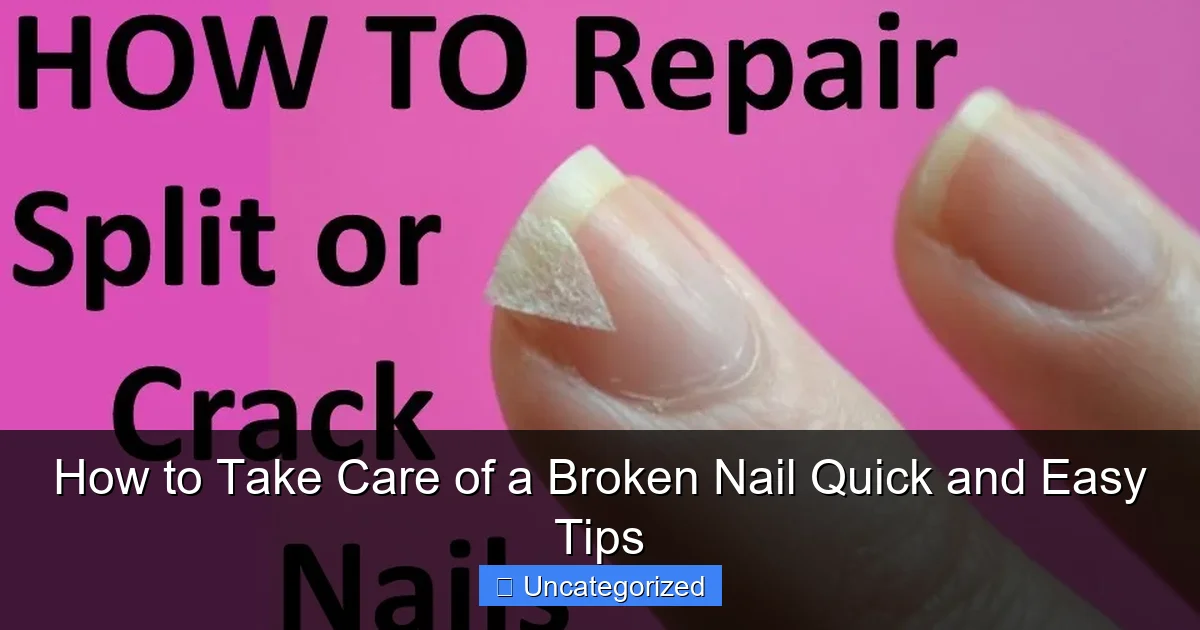
Visual guide about how to take care of a broken nail
Image source: i.ytimg.com
Step 1: Clean the Area Thoroughly
The first thing you should do is wash your hands with mild soap and lukewarm water. This removes dirt, bacteria, and any potential irritants from the broken site. If the nail is partially detached or the skin underneath is exposed, cleaning is even more important. Use gentle circular motions around the nail—avoid scrubbing the broken area aggressively.
Tip: For extra protection, add a few drops of tea tree oil to your soap. Tea tree oil has natural antifungal and antibacterial properties that can help prevent infection.
Step 2: Trim or File the Broken Edge
Using clean, sterilized nail clippers or a glass nail file, gently trim or file the broken part of the nail. If the break is minor (like a small chip), use a fine-grit file to smooth the edge. If the break is deeper or jagged, carefully clip it straight across—never in a curved shape, as this can encourage further splitting.
- Use disinfectant (isopropyl alcohol or hydrogen peroxide) on your tools before use.
- File in one direction to avoid creating micro-tears.
- Don’t cut too close to the nail bed—leave a small protective edge.
For instance, if your nail broke while opening a package, file the rough edge so it doesn’t catch on your clothes or skin. This simple step can prevent the break from extending deeper into the nail.
Step 3: Apply an Antiseptic and Moisturizer
After cleaning and trimming, apply a thin layer of antiseptic ointment (like Neosporin or a natural alternative like coconut oil with lavender essential oil) to the nail and surrounding skin. This helps prevent infection and soothes inflammation.
Follow up with a rich moisturizer or cuticle oil. Dry, brittle nails are more prone to breaking, so hydration is key. Look for ingredients like:
- Jojoba oil
- Shea butter
- Vitamin E
- Hyaluronic acid
Example: A nail technician in Chicago recommends applying cuticle oil 3–4 times daily after a break, especially before bed. She claims clients who follow this routine see faster healing and less pain.
Step 4: Protect the Nail
If the break is deep or painful, cover it with a sterile bandage or a small piece of medical tape. This is especially important if you work with your hands or are in a dusty environment. For a less severe break, a clear nail strengthener can act as a protective barrier.
Quick tip: Use a liquid bandage (like New-Skin) for a flexible, waterproof seal. It dries quickly and can be painted over with polish if desired.
When to Seek Medical Attention
While most broken nails can be managed at home, certain signs indicate a need for professional help:
- Severe pain or throbbing
- Signs of infection (redness, swelling, pus)
- Nail lifting from the nail bed (onycholysis)
- Breakage near the cuticle or lunula (the white half-moon area)
<
If you experience any of these, consult a dermatologist or healthcare provider. In some cases, antibiotics or minor surgical intervention may be needed.
Home Remedies and Natural Treatments for Healing Broken Nails
Once the initial crisis is over, you can support your nail’s healing with natural, at-home remedies. These treatments not only promote faster recovery but also strengthen the nail to prevent future breaks. Many of these ingredients are already in your kitchen or medicine cabinet.
1. Warm Oil Soaks (The Classic Fix)
One of the most effective and time-tested remedies is a warm oil soak. This hydrates the nail, softens the surrounding skin, and improves blood circulation to the area—speeding up healing.
How to do it:
- Mix 1/4 cup warm olive oil, coconut oil, or jojoba oil with 5 drops of tea tree or lavender essential oil.
- Soak your affected finger for 10–15 minutes, 2–3 times a day.
- Gently pat dry and apply cuticle oil afterward.
Why it works: Oils penetrate the nail plate, restoring lost moisture. Tea tree oil adds antimicrobial benefits, reducing infection risk.
Real-life example: Maria, a teacher, started soaking her nails after a break and noticed her nails became less brittle within two weeks. She now soaks her nails weekly as a preventive measure.
2. Aloe Vera Gel for Soothing and Healing
Aloe vera is renowned for its anti-inflammatory and healing properties. Applied topically, it can reduce redness, calm irritation, and support tissue repair.
Apply fresh aloe vera gel (from the plant or a trusted brand) directly to the broken nail and surrounding skin 2–3 times daily. For best results, cover with a bandage overnight.
Bonus: Aloe is non-greasy and absorbs quickly, making it ideal for daytime use under nail polish.
3. Apple Cider Vinegar (ACV) for Nail Strength and pH Balance
ACV is rich in acetic acid, which helps maintain the nail’s natural pH and prevents fungal growth. It also contains minerals like potassium and calcium that support nail structure.
How to use:
- Mix equal parts ACV and warm water.
- Soak your nails for 10 minutes, 3 times a week.
- Rinse and moisturize afterward.
Note: ACV can be drying if used too frequently, so don’t exceed 3 sessions per week.
4. Green Tea Compress for Antioxidant Boost
Green tea is packed with polyphenols and antioxidants that reduce inflammation and promote cell regeneration. A cooled green tea bag can be used as a compress.
Method:
- Brew a cup of green tea and let it cool.
- Soak a cotton pad or tea bag in the liquid.
- Hold it on the broken nail for 5–10 minutes, twice a day.
Pro tip: Add a drop of lemon juice to the tea for extra vitamin C, which supports collagen production.
5. Honey and Cinnamon Mask (For Deep Cracks)
Honey is a natural humectant (attracts moisture), while cinnamon has antimicrobial properties. Together, they create a powerful healing paste for deep nail cracks.
Mix 1 tsp raw honey with 1/4 tsp cinnamon powder. Apply to the nail and cover with a bandage. Leave on for 20 minutes, then rinse. Use 2–3 times a week.
Caution: Do a patch test first—cinnamon can irritate sensitive skin.
Professional and Over-the-Counter Solutions
While home remedies are excellent for mild to moderate breaks, sometimes you need stronger, more targeted treatments. Over-the-counter (OTC) products and professional solutions can accelerate healing and provide extra protection.
Nail Repair Kits and Liquid Bandages
For jagged or partially detached nails, a nail repair kit can be a lifesaver. These kits typically include:
- Fiberglass or silk strips
- Adhesive resin
- Applicator brush
How to use:
- Clean and dry the nail.
- Apply the adhesive to the broken area.
- Place a silk or fiberglass strip over the break.
- Seal with a top coat or clear polish.
Popular brands like OPI Nail Repair and Sally Hansen Nail Rescue are widely available and effective. These kits can hold a broken nail together for up to 2 weeks, giving it time to heal.
Strengthening Polishes and Treatments
Once the break is stable, use a nail strengthener to reinforce the structure. Look for formulas with:
- Keratin – rebuilds nail protein
- Calcium – supports nail hardness
- Silica – fills in ridges and cracks
- Biotin (Vitamin B7) – promotes growth
Top picks:
- Essie Strong Start Base Coat
- OPI Nail Envy
- Deborah Lippmann Hard Rock
Apply 2–3 times a week, alternating with a moisturizing base coat to prevent dryness.
Prescription Treatments for Severe Cases
If your nail is severely damaged or infected, a dermatologist may recommend:
- Antibiotic ointments (for bacterial infection)
- Antifungal creams (if fungus is suspected)
- Oral supplements (like biotin or prescription-strength nail formulas)
One study published in The Journal of Clinical and Aesthetic Dermatology found that patients taking 2.5 mg of biotin daily for 6 months saw a 25% increase in nail thickness and 91% reduction in splitting.
Professional Nail Services
Salon treatments like nail wraps or gel overlays can temporarily protect a broken nail while it heals. A skilled technician can apply a silk or fiber wrap that blends seamlessly with your natural nail. These services are especially useful if you need a polished look for an event.
Cost estimate: $20–$50, depending on location and service complexity.
Long-Term Prevention: How to Avoid Future Nail Breaks
Healing a broken nail is only half the battle—preventing future breaks is the real goal. With consistent care and lifestyle changes, you can build strong, resilient nails that resist damage.
Hydrate, Hydrate, Hydrate
Moisture is the foundation of healthy nails. Dry nails are brittle and prone to cracking. To keep them hydrated:
- Apply cuticle oil or hand cream after every hand wash.
- Use a humidifier in dry environments (especially in winter).
- Wear gloves when doing dishes or cleaning.
Data point: A 2022 survey by the American Academy of Dermatology found that 68% of people who moisturized daily reported fewer nail breaks over six months.
Wear Protective Gloves
Your hands are exposed to water, chemicals, and physical stress daily. Wearing gloves during household chores, gardening, or manual labor can reduce trauma significantly.
Tip: Keep a pair of reusable rubber or nitrile gloves by the sink and in your car or toolbox.
Adopt a Nail-Friendly Diet
Nails are made of protein, so a balanced diet rich in nutrients is essential. Focus on:
- Protein: Eggs, chicken, tofu, legumes
- Biotin: Almonds, sweet potatoes, spinach
- Iron: Red meat, lentils, fortified cereals
- Omega-3s: Salmon, chia seeds, walnuts
Supplement option: If your diet is lacking, consider a biotin supplement (1,000–2,500 mcg daily). Consult your doctor first, especially if you have thyroid or kidney conditions.
Gentle Nail Care Practices
How you care for your nails makes a big difference:
- File in one direction with a glass or crystal file.
- Use non-acetone removers for polish.
- Limit gel or acrylic use—give your nails a break every 6–8 weeks.
- Don’t bite or pick at your nails.
Tracking Nail Health: A Simple Data Table for Monitoring Recovery
Monitoring your nail’s healing progress helps you identify what’s working and adjust your routine. Use this simple table to track changes over time.
| Week | Nail Condition | Pain Level (1-10) | Moisturizing Routine | Products Used | Notes |
|---|---|---|---|---|---|
| 1 | Jagged break, slight redness | 3 | 3x/day cuticle oil + night soak | Tea tree oil, jojoba oil, bandage | Wore gloves while cleaning |
| 2 | Smoother edge, less redness | 1 | 2x/day oil, daily strengthener | OPI Nail Envy, aloe gel | No pain, slight peeling at tip |
| 3 | Fully grown out, minor ridge | 0 | 1x/day oil, weekly soak | Green tea compress, biotin supplement | Resumed typing without issues |
| 4 | Strong, no visible damage | 0 | Moisturizer as needed | Cuticle oil, hand cream | Preventive care ongoing |
This table helps you stay consistent and celebrate progress. Share it with your dermatologist if issues persist.
Conclusion: Empower Your Nails for Long-Term Health
Taking care of a broken nail isn’t just about fixing a cosmetic issue—it’s about understanding your body’s needs and responding with care. From immediate first aid to long-term prevention, every step you take contributes to stronger, healthier nails. Whether you opt for natural remedies, OTC treatments, or professional help, the key is consistency and attention to detail.
Remember, a broken nail is often a sign of underlying dryness, trauma, or nutritional gaps. By addressing these root causes—through hydration, protection, diet, and gentle care—you can transform your nail health over time. Don’t wait for the next break to take action. Start building healthy habits today: moisturize daily, wear gloves, eat well, and treat your nails with the respect they deserve.
With these quick and easy tips, you’re not just repairing a broken nail—you’re investing in a lifetime of strong, beautiful hands. So the next time you feel that dreaded snap, don’t panic. You’ve got this. And your nails? They’ll be back to their best in no time.
Frequently Asked Questions
How do I take care of a broken nail to prevent further damage?
To take care of a broken nail, gently file the edges to smooth any sharp or jagged parts, and avoid using the affected nail for heavy tasks. Applying a strengthening nail treatment can help protect it while it grows out.
Can I fix a broken nail at home, or should I see a professional?
Most broken nails can be safely managed at home by trimming or filing the break and using a nail repair kit or clear polish for support. See a professional if the break is severe, near the nail bed, or shows signs of infection.
What’s the best way to protect a broken nail while it heals?
Cover the broken nail with a bandage or use a nail wrap or silk patch to provide extra strength and protection. Keep your hands moisturized and wear gloves when doing chores to shield the nail from water and chemicals.
How long does it take for a broken nail to grow back?
Nails grow about 3 millimeters per month, so it may take 2–6 months for a broken nail to fully regrow, depending on the break’s location and your nail growth rate. Proper nail care can help prevent setbacks.
Are there any quick tips to take care of a broken nail overnight?
Apply a nourishing nail oil or cream, then cover the nail with a bandage or wear a cotton glove to lock in moisture overnight. This helps reduce brittleness and supports recovery as you sleep.
Should I cut off a broken nail or let it grow out?
If the broken part is loose or jagged, carefully trim it with clean nail clippers to prevent snagging. Avoid cutting too close to the nail bed—letting the rest grow out naturally is often the safest approach.